






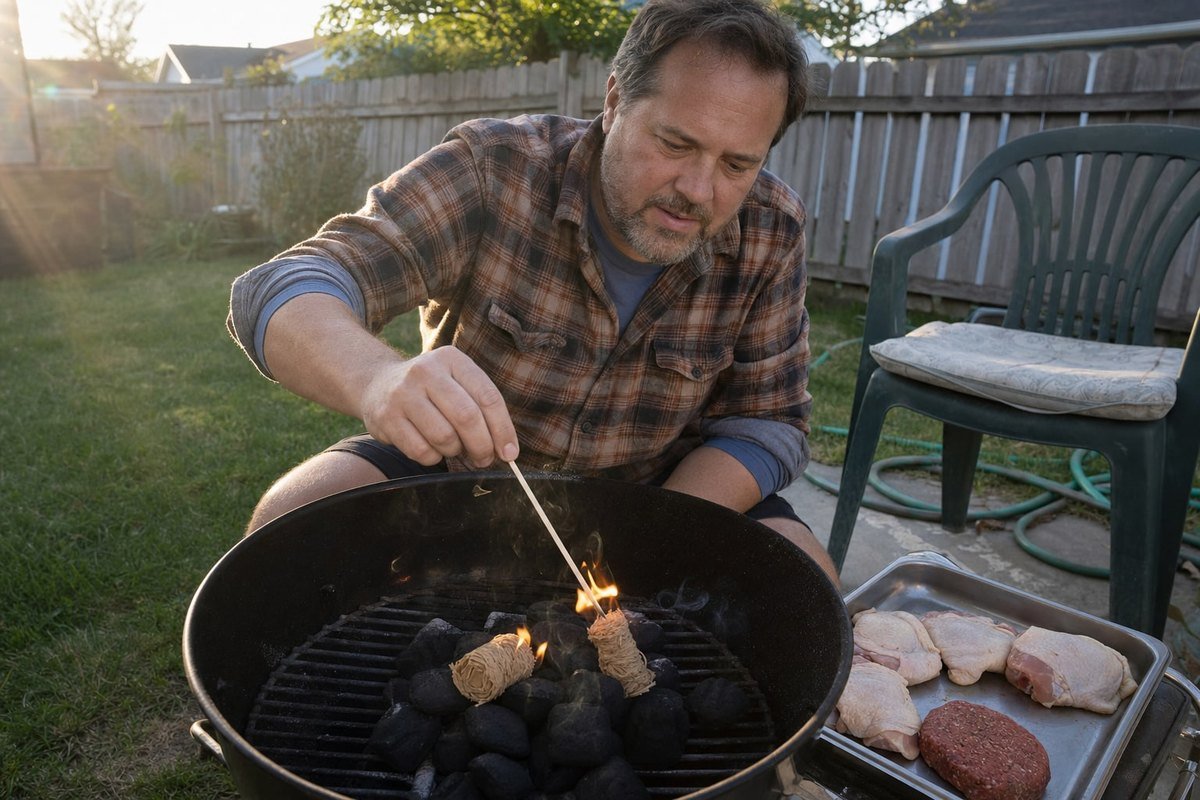
Wood fire starters raise one big worry for grill buyers: flavor contamination. On our production line, we hear this question from BBQ distributors almost every week.
Yes, wood fire starters can light charcoal grills without affecting food taste. Natural wood wool starters coated in food-grade paraffin wax burn out completely before cooking begins, leaving no chemical residue, odor, or petroleum aftertaste—provided the charcoal fully ashes over before food touches the grate.
That is the short answer. But the details matter, especially if you are buying for retail shelves. Let me walk you through what actually determines flavor safety, and what to check before you place an order.
Do Wood Fire Starters Leave Any Chemical Residue or Odor on Grilled Food?
Back when we developed our wax-dipped wood rolls, we ran burn tests side by side with lighter fluid. The difference in smoke and smell was obvious within seconds.
Natural wood fire starters leave no detectable chemical residue or odor on grilled food. They are fully consumed during ignition, before food goes on the grill. Unlike lighter fluid, they contain no petroleum distillates that soak into charcoal and release vapors mid-cook.
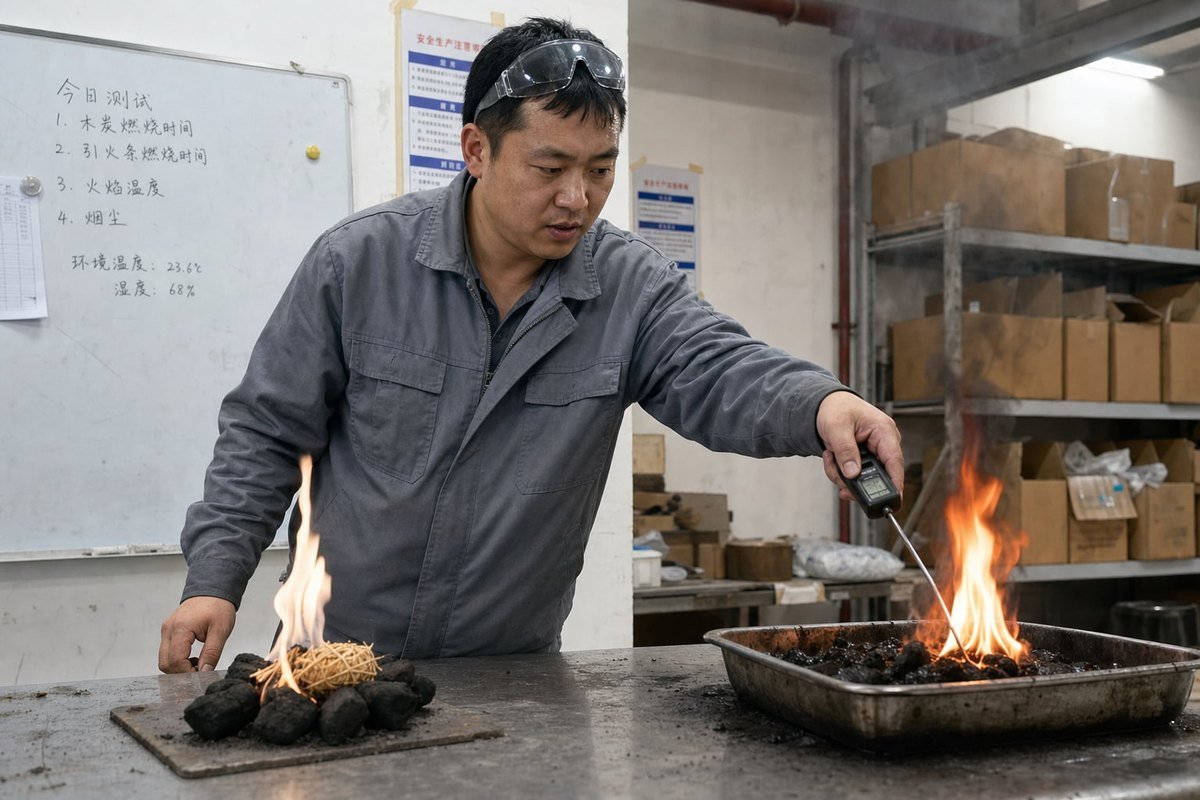
The flavor question really comes down to chemistry and timing. Lighter fluid is a petroleum distillate 1. When you squirt it onto charcoal briquettes, it soaks deep into the pores. Some of it never burns off during ignition. Instead, it vaporizes slowly during the cook and settles on your food. That is where the classic petroleum aftertaste comes from.
Wood fire starters work differently. A typical starter is natural wood wool 2—thin wood shavings wound into a roll—dipped in paraffin or vegetable wax. The wax acts as a slow-release fuel that keeps the flame alive long enough to ignite the coals. Then the entire starter burns to ash. Nothing soaks into the charcoal. Nothing lingers.
Why the Burn Sequence Protects Flavor
Think about the timeline. The starter burns for eight to ten minutes. The charcoal takes fifteen to twenty minutes to ash over. Food goes on after that. By cooking time, the starter has been gone for ten minutes or more. There is simply no fuel source left to produce off-flavors.
Where Problems Can Still Happen
I want to be honest here, because our buyers appreciate straight talk. Taste issues can occur in three situations:
- The starter contains cheap petroleum additives or accelerants instead of clean paraffin wax.
- The cook places food on the grill while the starter is still smoldering.
- The fire is starved of air, causing incomplete combustion and dirty smoke.
All three are avoidable. Choose a chemical-free ignition product, give the fire enough oxygen, and wait for gray ash. Follow those steps and the flavor of your steak, chicken, or vegetables stays exactly as it should.
What Certifications Should I Look for to Ensure My Fire Starters Are Safe for Food-Contact Environments?
A German distributor once told me his previous supplier lost a major retail listing over a single missing test report. That conversation shaped how we handle compliance documentation today.
Look for SGS or Intertek third-party test reports confirming no harmful chemicals, plus ISO 9001 for quality management, BSCI for ethical production, and CE marking for the European market. Reputable food-grade fire starters should have full documentation available before you order.
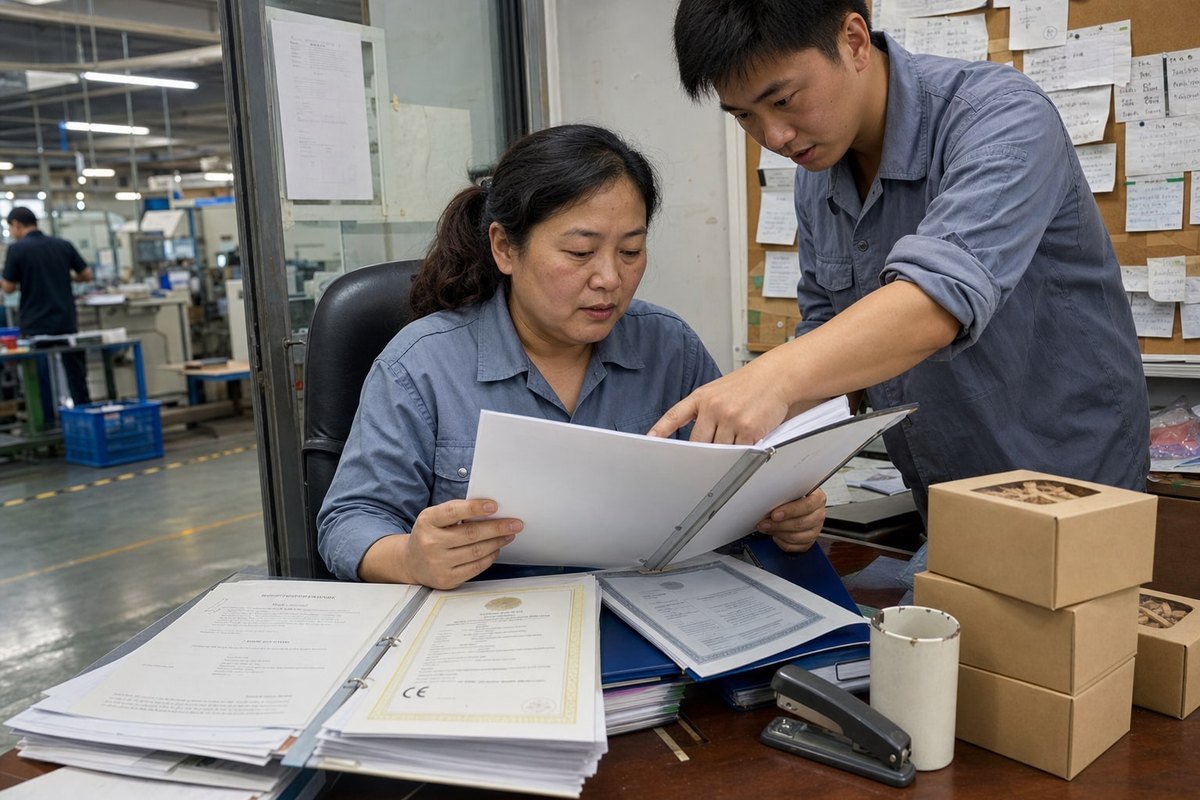
Certification is not paperwork for its own sake. For products used near food, it is your legal shield and your retail passport. Big-box buyers in the US and Europe will not even review a fire-starting product without third-party verification. We learned this over 17 years of exporting to more than 30 countries: compliance opens doors that price alone never will.
Here is how the key certifications break down and what each one actually tells you:
| Certification | What It Verifies | Why It Matters for Grilling Products |
|---|---|---|
| SGS / Intertek test reports | Material composition, absence of harmful chemicals | Confirms the starter is safe near food and produces a clean burn |
| ISO 9001 3 | Quality management system | Ensures consistent production processes batch after batch |
| BSCI 4 | Social and ethical manufacturing standards | Required by many EU and US retail chains |
| CE marking 5 | European product safety conformity | Mandatory for selling in most EU markets |
Questions to Ask Your Supplier
Do not just ask whether a supplier "has certificates." Ask for the actual documents. Then check three things. First, verify the certificate is current, not expired. Second, confirm the report covers the exact product you are buying, not a different SKU. Third, check that the testing lab is a recognized international body like SGS or Intertek 6, not an unknown local outfit.
The Composition Question
A trustworthy supplier will disclose exact composition—for example, 50% wood fiber and 50% paraffin—right on the packaging. Vague labels like "wax blend" or "natural materials" without percentages are a warning sign. When we print composition details on our retail boxes, it is because transparent labeling is now a baseline expectation in the US and EU, not a bonus.
Can I Customize Burn Time and Packaging for Wood Fire Starters Used in Charcoal Grilling?
One trade-off we weigh constantly in product development is burn time versus unit cost. A longer burn needs more wax and denser wood wool, which changes the whole spec sheet.
Yes, burn time and packaging are fully customizable. Manufacturers can adjust starter size, wood-wool density, and wax ratio to achieve burn times from six to fifteen minutes, and offer private-label boxes, kraft bags, jars, display packaging, barcodes, and market-specific warning labels.
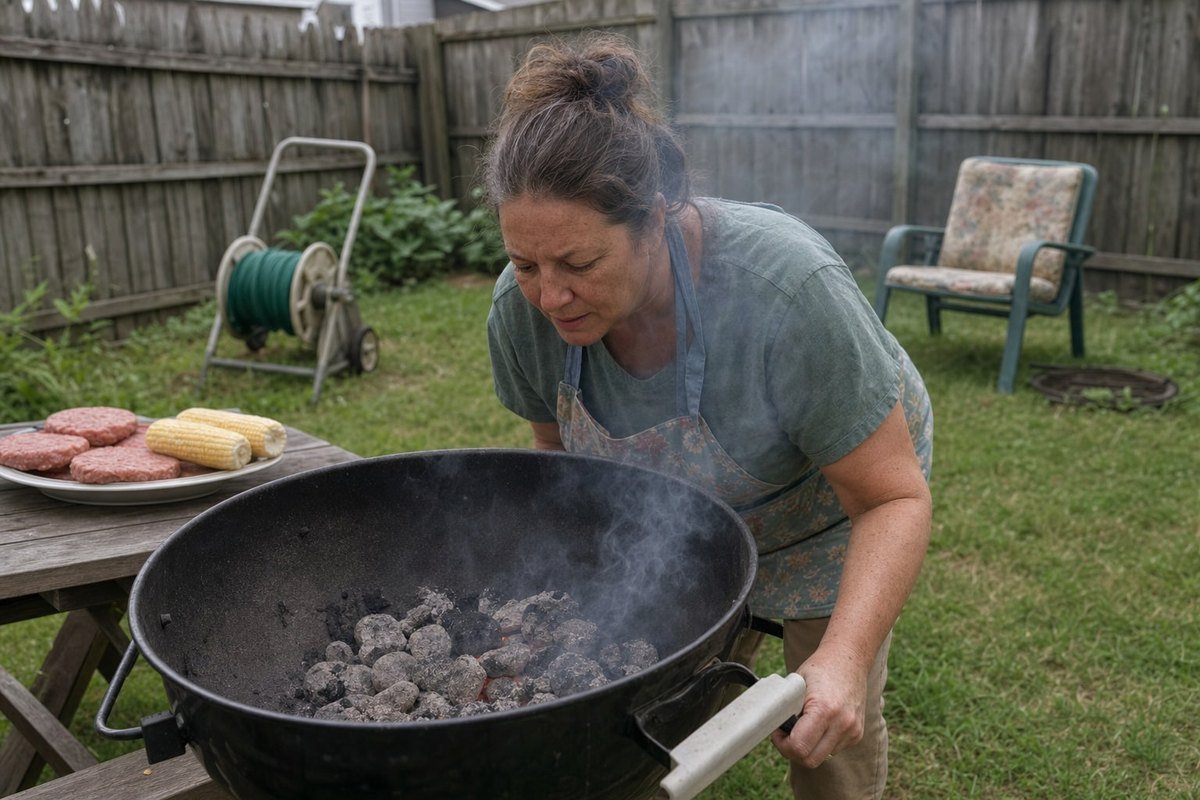
Customization matters more in this category than most buyers first realize. A starter designed for a small kettle grill has different needs than one meant for a large kamado loaded with lump charcoal 7. Lump charcoal ignites faster than charcoal briquettes, so a shorter burn works fine. Dense briquettes need sustained flame, so an eight-to-ten-minute burn is safer. Starters intended for chimney starter use can be smaller still, because the chimney concentrates heat upward.
Here are the main variables we adjust in OEM projects:
| Customization Variable | Typical Range | Effect on Performance |
|---|---|---|
| Roll size and length | Finger-length to double-size | Larger rolls burn longer and ignite more coals |
| Wax-to-fiber ratio | 40/60 to 50/50 | More wax extends burn time and weather resistance |
| Wood wool density | Loose to tightly wound | Tighter winding slows the burn for a steadier flame |
| Wax type | Paraffin, vegetable wax blends | Affects burn character and eco-positioning |
Packaging Options for Retail
On the packaging side, the possibilities are wide. Our clients typically choose between bulk kraft bags for value positioning, printed retail boxes with piece counts for shelf display, and jars or display-ready cartons for premium placement. We also handle the details that trip up first-time importers: barcodes, country-specific warning labels, usage instructions in local languages, and carton dimensions optimized for container loading.
Private Label Is the Norm, Not the Exception
Most of our BBQ and fireplace distributor clients sell under their own brand. A true one-stop OEM/ODM partner should handle everything from logo design files to shelf-ready master cartons. If a supplier only offers stock packaging, you will struggle to differentiate on a crowded grilling aisle.
How Do I Make Sure Every Batch of Wood Fire Starters Performs Consistently for My Retail Customers?
Early in my career, I watched a competitor's product get delisted because batch three burned two minutes shorter than the samples. That lesson stuck with our QC team permanently.
Consistent performance requires a supplier with documented batch-to-batch quality control: standardized wax ratios, controlled dipping processes, per-batch burn testing, and moisture checks. Ask for QC records, order pre-shipment inspections, and confirm the factory—not a trading company—controls production directly.
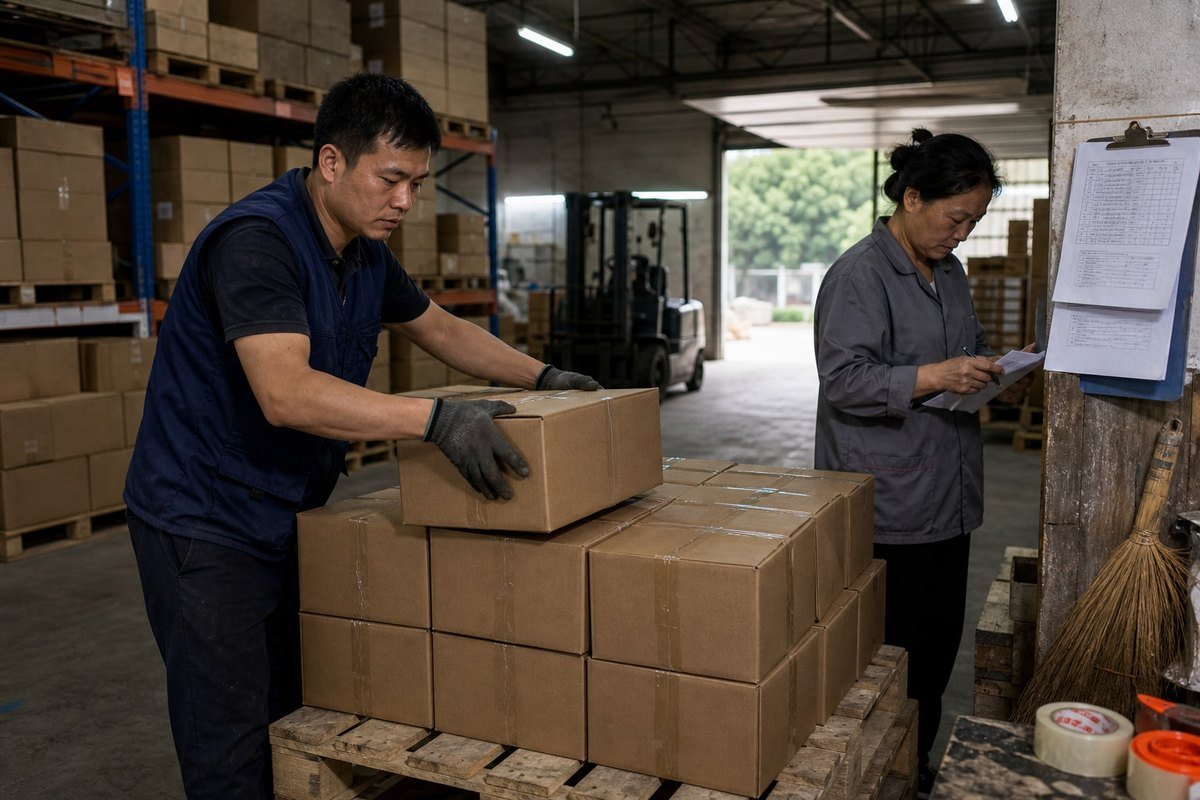
Consistency is the difference between a repeat order and a returned container. Your retail customers do not judge your brand by your best batch. They judge it by your worst one. A starter that lights charcoal in one strike on Monday must do the same on Friday, in batch fifty, twelve months from now.
What Drives Batch Variation
Three factors cause most inconsistency in this product category. First, wax absorption. If the dipping temperature or immersion time drifts, some rolls carry too little wax and die early. Second, wood moisture. Wood wool that is not properly dried resists ignition and produces smoky, incomplete combustion. Third, roll density. Hand-wound rolls that are too loose flare up and burn out fast; too tight, and they struggle to catch.
A capable factory controls all three with process discipline. On our lines in Ningbo, we standardize wax bath temperature, dipping duration, and roll weight tolerances, then pull samples from every batch for live burn tests. If a sample falls outside the burn-time window, the batch does not ship. This is what 17+ years of production depth buys you: the first sample you approve genuinely reflects mass-production quality.
A Practical QC Checklist for Buyers
Use this checklist when evaluating any fire starter supplier:
| Checkpoint | What to Verify | Red Flag |
|---|---|---|
| Burn-time testing | Per-batch test records with target ranges | "We test sometimes" or no records |
| Weight tolerance | Consistent roll weight across cartons | Visible size variation in samples |
| Moisture control | Dried wood fiber, sealed storage | Musty smell or soft rolls |
| Ignition test | One-match lighting, every sample | Multiple strikes needed |
| Factory status | Direct production ownership | Trading company reselling unknown output |
Why Factory-Direct Matters Here
Trading companies often source the same SKU from different workshops as prices shift. That guarantees inconsistency. Working factory-direct means one production line, one process standard, and one accountable QC team behind every container. For a product where chemical-free ignition and reliable performance are the entire value proposition, that accountability is not optional.
Conclusion
Flavor risk kills grilling products at retail. The solution is simple: certified, natural wood fire starters, tested batch by batch, from a factory that documents everything. That is what we build every day.
Footnotes
1. Background on petroleum-based products explains why lighter fluid can leave chemical aftertaste. ↩︎
2. Wikipedia entry for wood wool, also known as excelsior. ↩︎
3. ISO 9001 certifies the quality management systems retail buyers require from fire starter manufacturers. ↩︎
4. Official amfori page for the Business Social Compliance Initiative (BSCI). ↩︎
5. CE marking is the official EU conformity requirement referenced for European market sales. ↩︎
6. SGS is a leading independent testing body verifying product safety composition claims. ↩︎
7. Background on charcoal types clarifies why ignition needs differ between lump charcoal and briquettes. ↩︎



Join the Conversation