






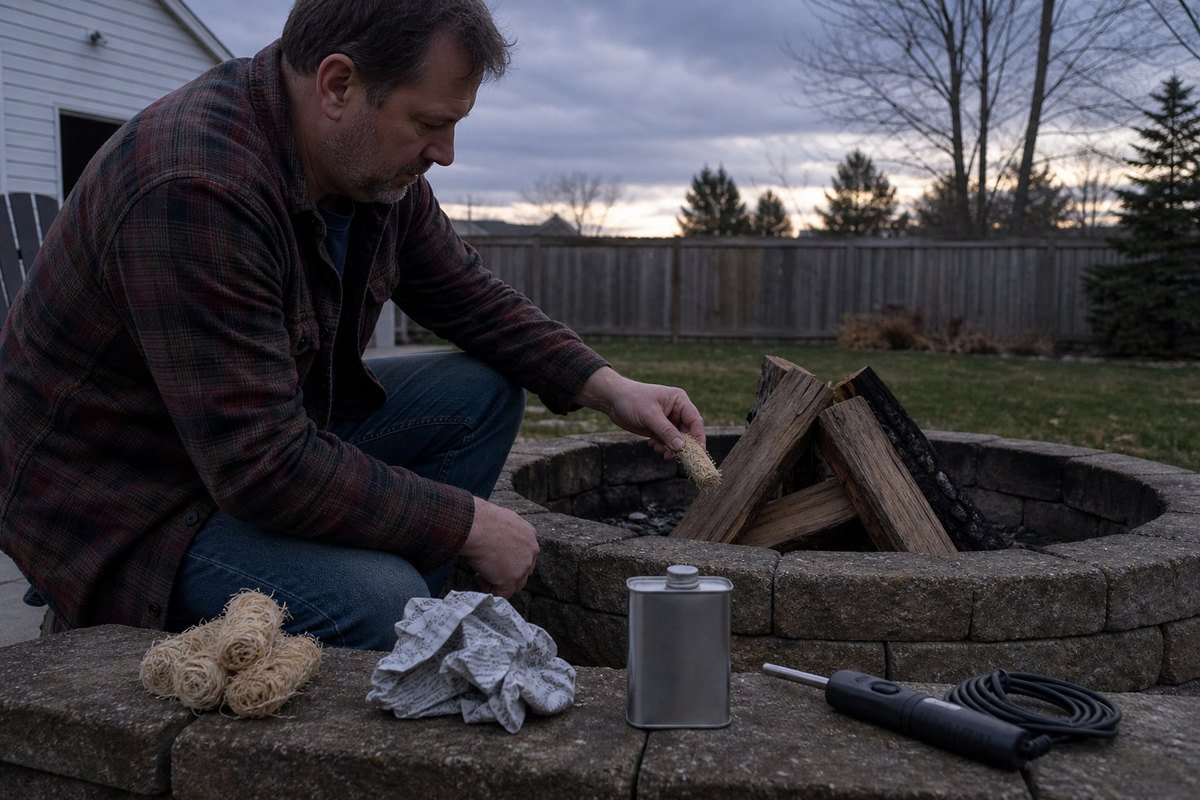
Wood fire starters keep coming up in buyer calls at our factory. Retailers tell me customers are confused, returns are rising, and complaints about smell and mess keep piling up.
Wood fire starters offer the best overall balance of safety, clean burn, and reliability. Newspaper is cheapest but messy and inconsistent. Lighter fluid is fastest but carries flare-up and chemical aftertaste risks. Electric starters are clean yet limited by power access and slower ignition.
Each method has a real use case. But the trade-offs matter, especially if you sell these products at retail. Let me break down what I have learned across 17 years of making fire-starting goods.
Which fire-starting method offers the safest and most compliant option for my retail customers?
A German distributor once rejected an entire competing product line over a missing warning label. That conversation taught me that in Europe and the US, compliance is not optional — it decides shelf access.
Wood fire starters are the safest and most compliant retail option. They contain no volatile accelerants, resist accidental ignition, and can carry CE marking and SGS test reports. Lighter fluid faces the strictest shipping, storage, and labeling regulations, while electric starters shift risk to electrical certification.
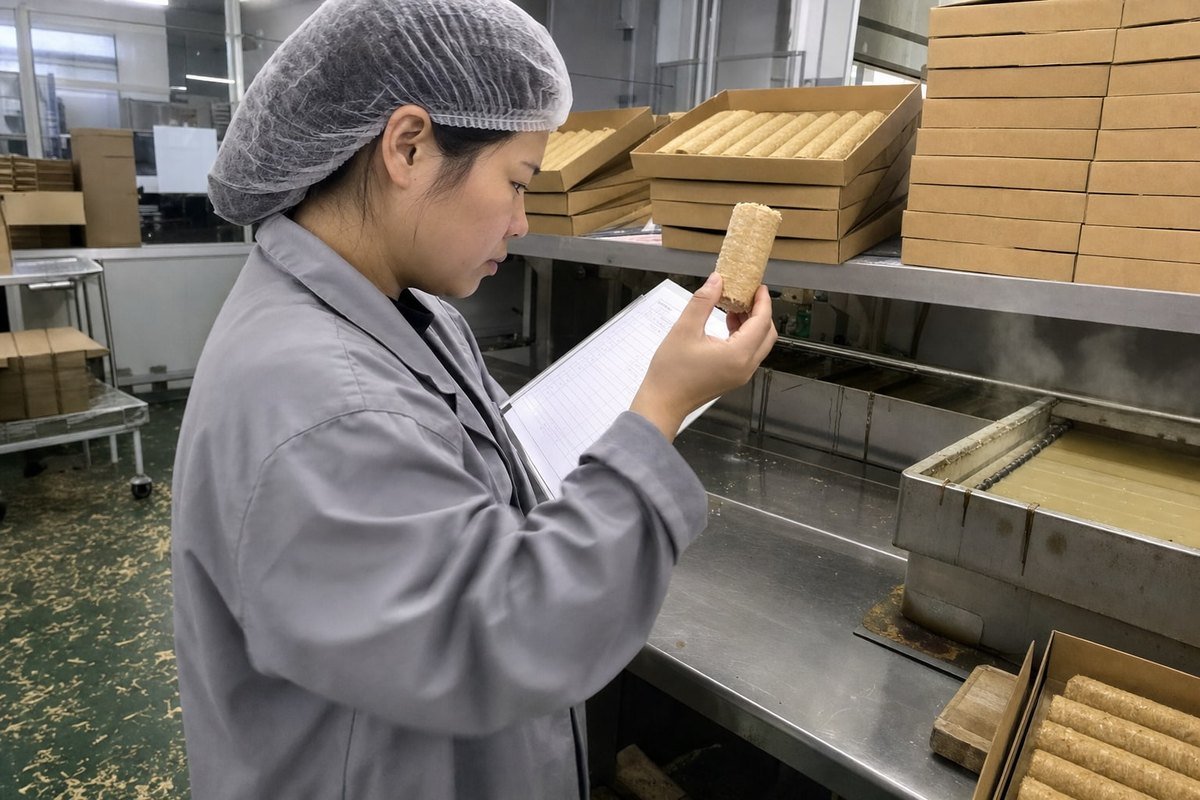
Safety splits into two questions for a buyer. First, is the product safe for the end user? Second, is it safe for you to import, warehouse, and sell? These are not the same thing.
End-user safety
Lighter fluid is the highest-risk mainstream option. It produces explosive vapors. It causes flare-ups when users add more fluid to a lit fire. It releases high levels of VOCs. Most fire departments actively discourage accelerants around wood fires and fire pits. Newspaper looks harmless, but it produces fly-ash that can escape a chimney cap and land on nearby roofs. It also contributes to creosote buildup 1 in flues when used heavily. Electric starters remove open accelerants entirely, which is genuinely safe — but they introduce electrical hazards like frayed cords and hot elements left on decks.
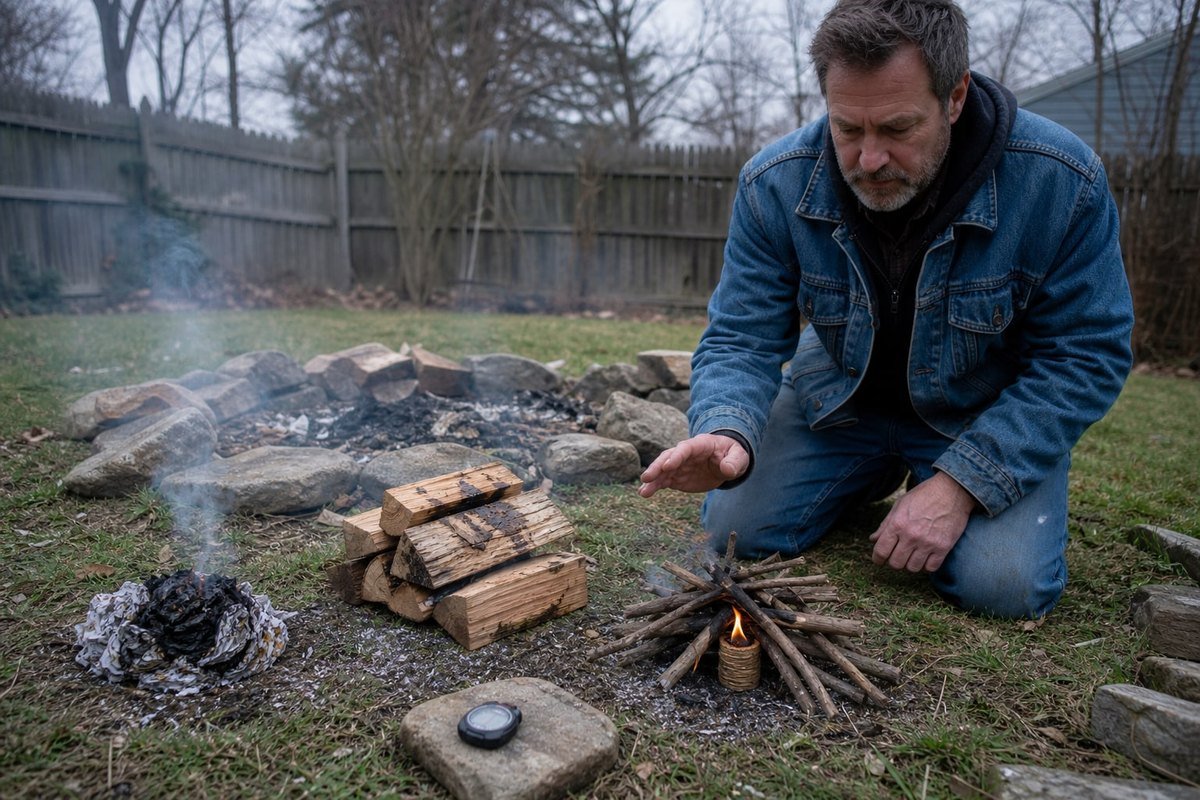
Wood fire starters sit in the calmest position. A wax-dipped wood roll needs a direct flame to light. It will not ignite from vapor. It burns predictably for several minutes and then goes out.
Compliance and logistics safety
Here is how the four methods compare from a sourcing perspective:
| Method | Shipping classification | Typical certifications needed | Retail risk level |
|---|---|---|---|
| Wood fire starters | Standard goods (non-hazardous) | CE, SGS/Intertek burn tests | Low |
| Newspaper | Not a retail product | None | N/A |
| Lighter fluid | Flammable liquid (hazmat) | Extensive hazmat labeling | High |
| Electric starters | Standard, but electrical | UL/CE electrical certification | Medium |
At our production site in Ningbo, every batch of wood firestarters goes through consistency checks, and we supply CE documentation plus SGS or Intertek test reports with shipments. Our buyers in the US, Germany, and the UK treat those papers as a hard requirement. Lighter fluid, by contrast, forces hazmat freight, special warehouse rules, and insurance headaches. That alone pushes many chains toward solid natural starters.
How do wood fire starters compare in cost-per-use to newspaper and lighter fluid over time?
One trade-off I weigh constantly when quoting private-label orders is unit cost versus perceived value. A starter that costs a few cents more but always works the first time wins repeat purchases.
Newspaper is nearly free but often needs multiple attempts and extra kindling. Lighter fluid costs little upfront but is consumed heavily per session. Wood fire starters cost roughly ten to thirty cents per use, deliver one-light reliability, and usually produce the lowest true cost per successful fire.
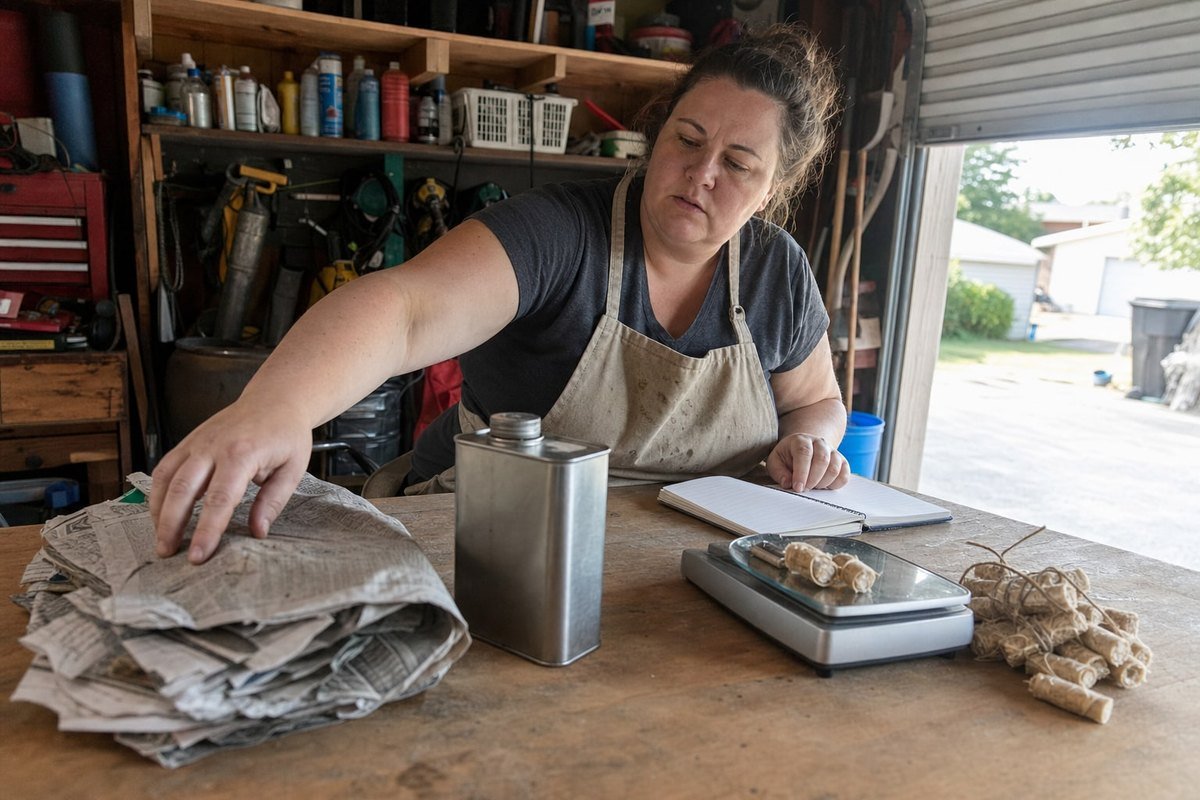
Cost-per-use is where marketing claims and reality often split. So let me walk through the honest math.
The hidden cost of "free"
Newspaper costs nothing if you already have it. But fewer households subscribe to print papers now, so many users must buy paper or hunt for it. Newspaper also burns fast — often under two minutes. In a chimney starter 2 it works fine. Under damp logs, it frequently fails, and the user burns through five or six sheets, plus extra matches, plus twenty minutes of frustration. Ash residue then has to be cleaned out of the grill or fireplace. Failed fires are the hidden cost.
The recurring cost of lighter fluid
Lighter fluid seems cheap per bottle. But typical users pour generously, and a bottle disappears across a handful of grill sessions. Add the occasional ruined meal from chemical aftertaste, and the real cost climbs.
The math side by side
| Method | Upfront cost | Cost per fire attempt | Success rate on damp fuel | Realistic cost per successful fire |
|---|---|---|---|---|
| Newspaper | Near zero | Near zero | Low | Low money, high time cost |
| Lighter fluid | Low | Moderate (heavy pour) | Medium-high | Moderate, recurring |
| Wood fire starters | Moderate | ~$0.10–0.30 | High | Low |
| Electric starter | High (device) | Electricity only | High (charcoal only) | Low after payback period |
Quality wood wool firelighters 3 burn eight to ten minutes — long enough to catch split logs or a full charcoal load in one attempt. In our own burn-time testing between sample batches, that consistency is exactly what we control for, because a starter that burns four minutes in one batch and nine in the next destroys customer trust. For a retailer, a 100-piece box of paraffin wax 4 cubes or wood rolls translates into 100 reliable fires. That is a strong value story to print on packaging.
Can wood fire starters deliver more consistent burn performance than electric starters?
Last spring, a Canadian BBQ brand asked us to benchmark our wax-dipped rolls against an electric charcoal lighter before committing to a private-label run. The results surprised even their product team.
Yes, in most real-world conditions. Wood fire starters ignite anywhere, work in wind and cold, and burn a predictable eight to ten minutes. Electric starters heat only the coals touching the element, need fifteen to thirty minutes, and depend entirely on outlet access and cord reach.
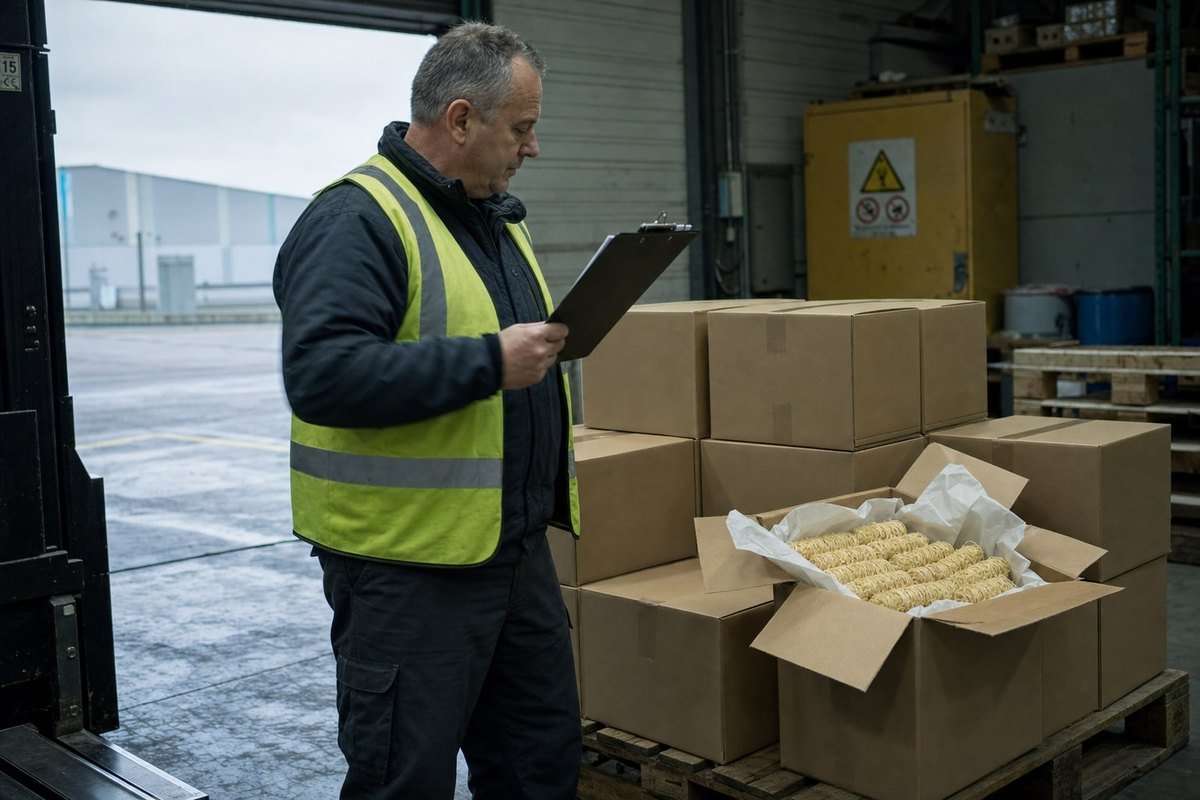
Consistency means two different things here, and it is worth separating them.
Consistency of the ignition source
An electric charcoal lighter is very consistent as a heat source. Plug it in, and the element reaches the same temperature every time. No wind, no matches, no consumables. For a backyard griller with an outlet three feet away, it is a clean, repeatable tool. It also enables the top-down method in a chimney starter, which cuts the thick, acrid smoke of the initial heat-up phase.
Consistency of the actual fire
This is where the picture flips. The electric element only ignites coals in direct contact. Users often need to reposition coals or wait fifteen to thirty minutes for full spread — longer than a chimney starter with a good solid firelighter underneath. Electric units are useless for wood fireplaces, off-grid fire pits, and camping. Cold weather stresses the cord. An extension cord across a wet patio is its own hazard.
A quality wood fire starter behaves the same way on a beach, a mountain campsite, or a living-room hearth. Fatwood kindling and wood wool firelighters both light with a single match, even slightly damp. Fatwood in particular is loaded with natural terpenes 5 that preserve its flammability for years, even in humid storage. On our production line, we hold burn time within a tight tolerance batch to batch, because a distributor's first sample must reflect what arrives in the container six months later. Predictable burn time is not a nice extra — it is the product.
The honest verdict: electric wins for one narrow scenario — backyard charcoal near an outlet. Wood starters win everywhere else, and they still win on total time-to-cooking in most head-to-head tests.
Why might sourcing certified wood fire starters be a better private-label choice than traditional alternatives?
A lesson I learned early in our export business: retailers do not really buy fire starters. They buy shelf-ready confidence — the product, the packaging, the barcode, the test report, and the reorder reliability, all in one carton.
Certified wood fire starters are the strongest private-label choice because they combine a growing eco-conscious market, non-hazardous logistics, high margins, and easy brand customization. Lighter fluid brings hazmat costs and shrinking demand, newspaper cannot be branded, and electric devices demand heavy certification investment.
Think about what a private-label program actually requires, step by step.
What a buyer needs from a private-label fire product
- A product with rising, not falling, consumer demand.
- Certifications that pass retailer audits without argument.
- Consistent quality so review scores stay high.
- Custom packaging, warning labels, and barcodes done at the factory.
- Simple, cheap, non-hazmat freight.
Wood fire starters check every box. Consumer preference is clearly shifting away from accelerants and toward natural, chemical-free ignition — driven by taste concerns, indoor air quality 6 in airtight modern homes, and general environmental awareness. Modern high-efficiency wood stoves add another push: stove makers warn that inky recycled newspaper can shorten the life of catalytic converters 7 through heavy soot deposits. A natural wood-and-wax starter avoids that problem entirely.
Why certification is the real moat
Anyone can source cheap firelighters. Few suppliers can hand you ISO 9001, BSCI, CE, and SGS/Intertek documentation on day one. In our experience exporting to 30+ countries, the buyers who scaled fastest were the ones whose paperwork sailed through retail audits at Home Depot–type channels. We build our OEM program around that: custom size and burn time, custom display boxes, market-specific warning labels, and barcodes applied on the line — so the carton that lands is genuinely shelf-ready.
| Private-label factor | Wood fire starters | Lighter fluid | Electric starter |
|---|---|---|---|
| Branding surface | Excellent (box, display, bag) | Limited (bottle label) | Moderate |
| Freight and storage | Standard goods | Hazmat | Standard, bulky |
| Certification burden | Moderate, well-defined | Heavy chemical rules | Heavy electrical rules |
| Demand trend | Growing | Declining | Flat, niche |
| MOQ flexibility | High | Low | Low |
The margin story completes the case. A natural starter with a clean eco narrative supports premium pricing that a commodity fluid bottle never will.
Conclusion
Confused customers and risky accelerants cost retailers sales and trust. Certified wood fire starters solve both — safe, consistent, and shelf-ready. That is the product story worth building on.
Footnotes
1. Explains the dangerous accumulation of carbonaceous deposits in chimneys caused by incomplete combustion. ↩︎
2. Reference for the metal cylinder device used to ignite charcoal briquettes or wood efficiently. ↩︎
3. Defines the wood fiber material used in manufacturing natural firelighters for improved ignition. ↩︎
4. Reliable scientific overview of paraffin wax properties and uses. ↩︎
5. Comprehensive scientific definition and classification of terpenes. ↩︎
6. Provides guidelines on maintaining healthy air inside homes, especially when using wood-burning appliances. ↩︎
7. Describes the emission-control device in wood stoves that can be damaged by improper fuel sources. ↩︎


 English
  Spanish
  German
  French
  Arabic
  Portuguese
Join the Conversation