






Sourcing wood fire starters looks simple until a batch fails in wet weather, customers complain, and returns pile up CE marking 1. On our production line, we solved that problem years ago with consistent wax-to-fiber ratios.
Common wood fire starters include fatwood sticks, kindling wood, wood shavings and feather sticks, wood wool firelighters, wax-coated wood rolls, compressed sawdust firelighter cubes, and DIY paper or lint starters. Each type suits different uses, from fireplaces and grills to camping and survival situations.
Below, I break down each type, match them to real customer scenarios, and share what I have learned about compliance and customization from years of B2B exports.
What are the main types of wood fire starters I can source for my product line?
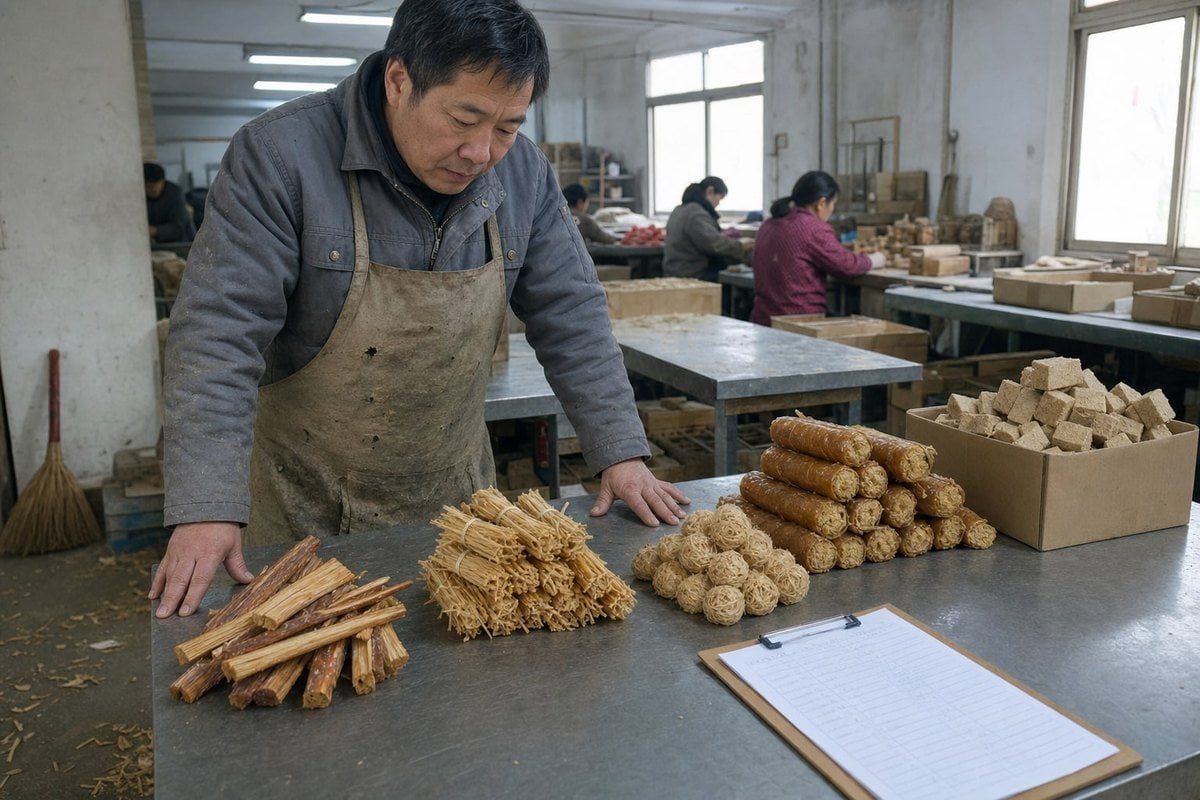
During a quality audit last spring, a German buyer asked me to explain every starter type on our sample table before he would sign anything private-label packaging 2. That conversation shaped how I now categorize this product family for new clients.
The main sourceable types are fatwood sticks, wood wool firelighters, wax-dipped wood rolls, compressed sawdust firelighter cubes, kindling wood bundles, and paraffin-fiber squares. Manufactured wood-fiber starters dominate B2B volume because they offer predictable burn times, moisture resistance, and easy private-label packaging.
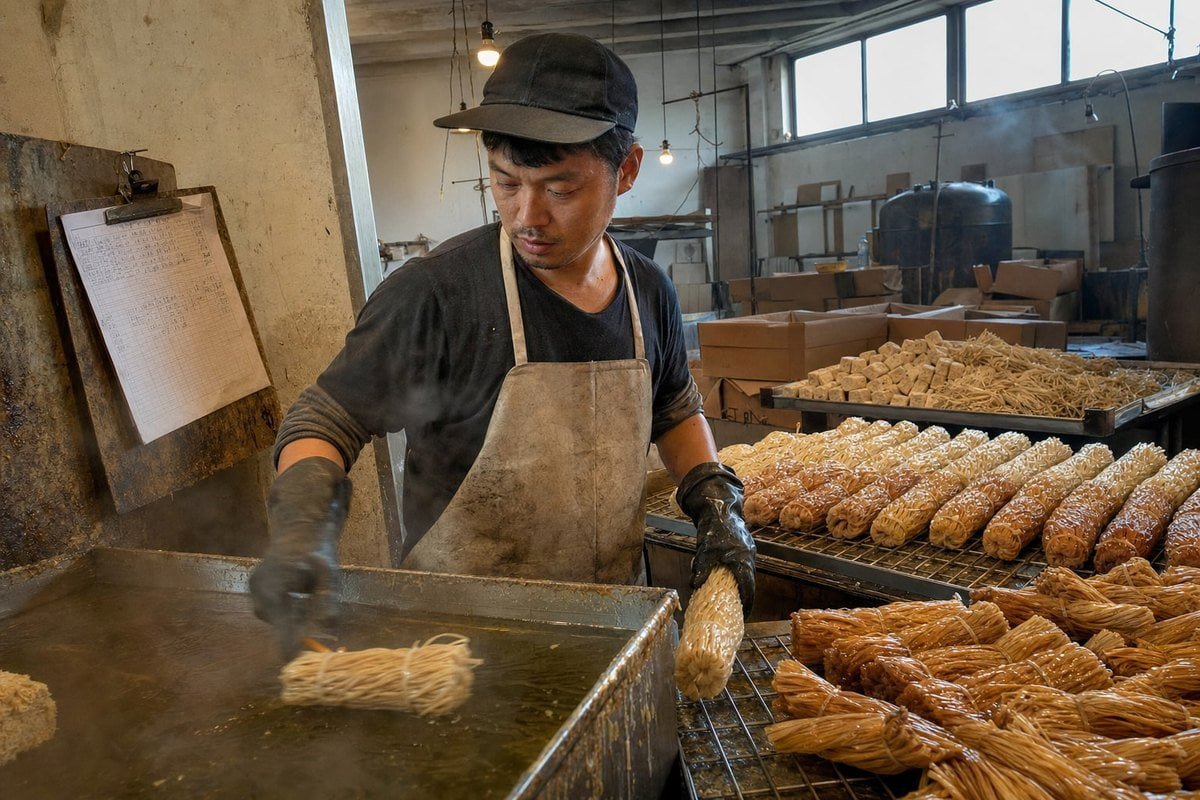
Before choosing a product line, you need to understand the two big families. Natural starters come straight from the tree. Manufactured starters are made from wood byproducts like sawdust, shavings, and fibers, usually bound with wax.
Natural wood-based starters
Fatwood sticks are resin-rich pine heartwood. The resin makes them waterproof and highly flammable, even in extreme weather. Many retailers call fatwood nature's best kindling. Kindling wood is the thin, dry stick material that bridges tinder and full logs. Feather sticks and wood shavings expose more surface area, so they catch sparks from a ferrocerium rod 3 quickly. Bushcraft customers love them because they can be made in the field. A tinder bundle of dry shavings remains the classic survival ignition base.
Manufactured wood-fiber starters
This is where most B2B volume sits. Wood wool firelighters twist wood shavings into a nest-like roll, often coated with vegetable or paraffin wax 4. Our own wax-dipped wood rolls use roughly a 50/50 blend of wood fiber and paraffin. Firelighter cubes and compressed sawdust pucks give a longer, high-intensity flame that can ignite dense logs without extra kindling.
| Type | Material | Typical burn time | Best channel |
|---|---|---|---|
| Fatwood sticks | Resinous pine heartwood | 5–10 min | Outdoor retail, survival |
| Wood wool firelighters | Twisted shavings + wax | 8–12 min | Fireplace, BBQ distributors |
| Wax-dipped wood rolls | Wood fiber + paraffin | 8–15 min | Camping brands, wholesalers |
| Sawdust firelighter cubes | Compressed sawdust + wax | 10–15 min | Grill and stove retail |
| Kindling bundles | Split dry softwood | Varies | Firewood suppliers |
| DIY lint/paper starters | Household waste | 2–5 min | Not commercially viable |
One caution from experience: fatwood stored in non-airtight containers can suffer resin-bleed, where volatile oils evaporate and ignition speed drops. Packaging matters as much as the product itself.
Which wood fire starter works best for different customer use cases, like camping or fireplaces?
A Dutch fireplace distributor once returned our first sample set with one note: no odor allowed indoors. That single requirement eliminated half the options, and it taught me that use case must drive the sourcing decision, not price.
For fireplaces and wood stoves, choose clean-burning wood wool firelighters or wax-fiber rolls. For camping, pick moisture-resistant wax-dipped starters or fatwood sticks. For grills and smokers, use food-safe natural starters. For survival kits, choose fatwood, feather sticks, or char cloth.
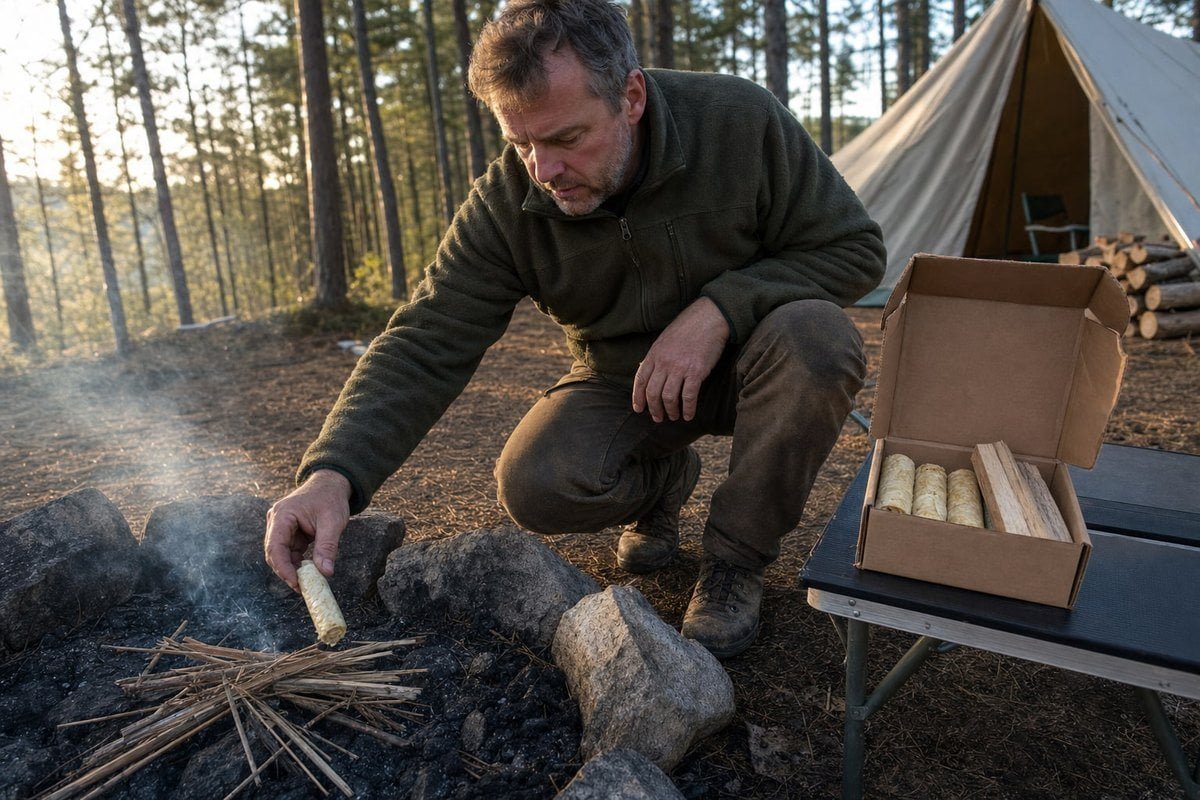
Fire starting is a system, not a single item. Tinder catches the first flame. Kindling wood extends it. Larger fuel sustains it. The right starter simply makes the first two stages faster and more reliable for the end user.
| Use case | Best starter type | Key requirement |
|---|---|---|
| Indoor fireplace | Wood wool firelighters | Odorless, clean burn |
| Wood stove | Wax-fiber rolls, sawdust cubes | Long burn, low smoke |
| Campfire | Wax-dipped rolls, fatwood sticks | Moisture resistance |
| Charcoal grill / smoker | Food-safe natural starters, chimney starter | No chemical flavors |
| Survival / bushcraft | Fatwood, feather sticks, char cloth 5 | Spark ignition, light weight |
| Fire pit / patio | Paraffin-fiber squares | Economy, wind tolerance |
Indoor use: clean burn is non-negotiable
Fireplace and wood stove customers reject anything with a chemical smell or sooty residue. Wood wool firelighters with vegetable or paraffin wax burn cleanly and light with one match. The top-down ignition technique, where the starter sits on top of the log stack, also reduces particulate emissions and creosote buildup, so many European retailers now print this method on packaging.
Grilling: keep flavors pure
Gel fire starter products and lighter fluids can taint food with petroleum flavors. That is why BBQ distributors we supply specify food-safe wood-fiber starters, often paired with a chimney starter for charcoal. Natural starters leave no residue on the coals.
Survival and camping: ignition under bad conditions
Survival buyers want starters that catch a single spark. Char cloth and petroleum-jelly cotton work with a ferrocerium rod, while magnesium shavings add an intense burst of heat when everything is wet. Fatwood sticks round out the kit because they burn hot enough to dry damp kindling. At high altitude, fine wood shavings outperform dense pucks because the greater surface area compensates for thinner oxygen.
How do I choose a wood fire starter supplier that meets international compliance standards?
Our first shipment to the EU, back in our early exporting years, sat in customs for weeks because a previous partner's documentation was incomplete. That expensive lesson is why we built full ISO 9001 6, BSCI, CE, and SGS/Intertek certification into our operation, and it is the first thing I now advise buyers to verify.
Choose a supplier with verifiable ISO 9001 and BSCI certifications, CE marking where required, and current SGS or Intertek test reports. Confirm they are a real factory with batch-to-batch quality control, compliant warning labels, and documented experience shipping to your target market.
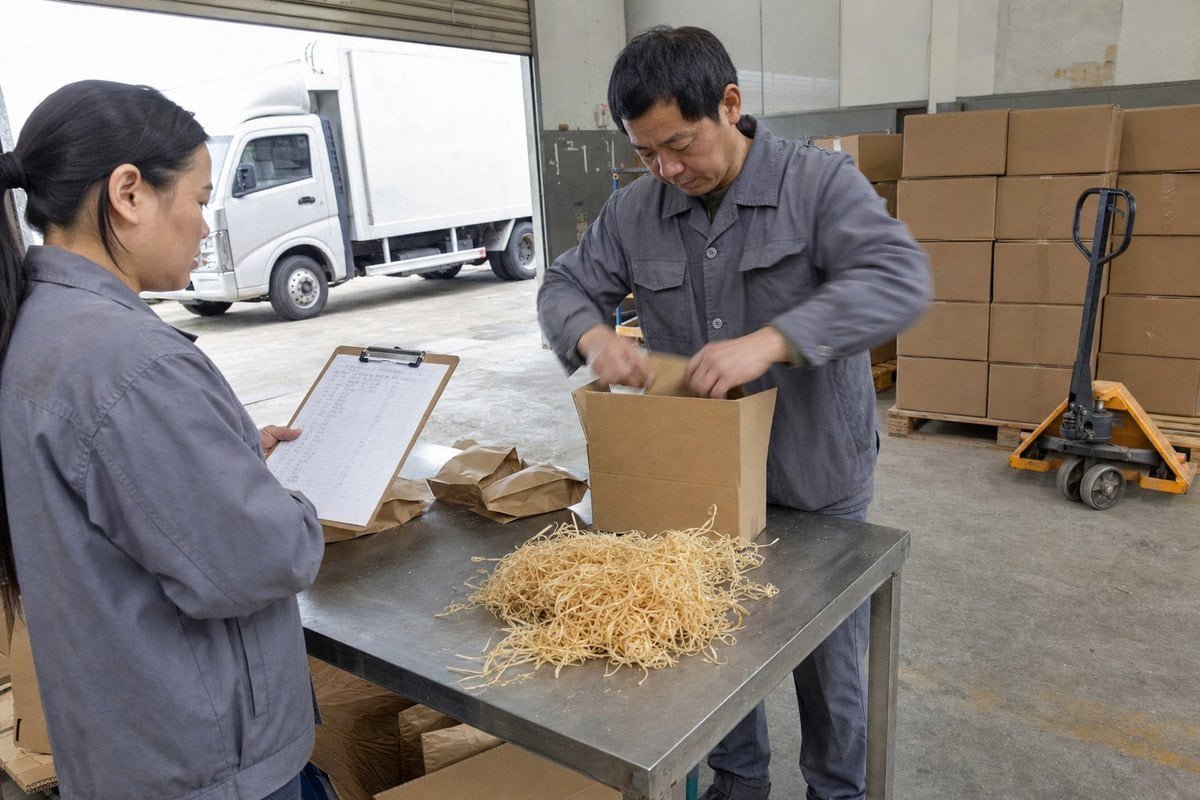
Compliance is not a nice-to-have for fire products. It is the gatekeeper. US and European retailers will not stock a starter without proper documentation, and one failed inspection can end a private-label program before it starts.
The compliance checklist I recommend
- Ask for certificates by name, not just claims. ISO 9001 covers the quality system. BSCI 7 covers social compliance, which large retail chains audit hard.
- Request recent third-party test reports from SGS or Intertek. Reports older than a couple of years may not reflect current production.
- Verify factory status. Trading companies resell from workshops they do not control, so batch consistency suffers. Visit the facility or request a live video audit.
- Check labeling capability. Warning labels, barcodes, and composition statements must match your destination market's rules.
- Review batch QC records. The first sample should reliably reflect mass-production quality. Ask how the supplier controls wax ratios and moisture content between batches.
Why factory depth matters more than price
Wax-to-fiber ratio drives burn time. If a supplier's ratio drifts between batches, your customers get inconsistent products under your brand name. After 17+ years running complete production lines, we hold that ratio tight on every batch, because we know a distributor's reputation rides on it. A supplier who competes only on price usually cuts corners exactly here, on QC steps that buyers cannot see until complaints arrive.
Can I customize wood fire starter sizes, burn times, or packaging for my brand?
A Canadian camping brand recently asked us for a shorter roll with a twelve-minute burn and a kraft display box for shelf placement. Six weeks later, their branded product was in production, and that project is a fair picture of what real OEM customization looks like.
Yes. A capable OEM/ODM factory can customize starter dimensions, wax-to-fiber ratios for target burn times, and full private-label packaging, including custom boxes, display packaging, warning labels, and barcodes. Flexible MOQs allow trial orders before committing to full retail volumes.
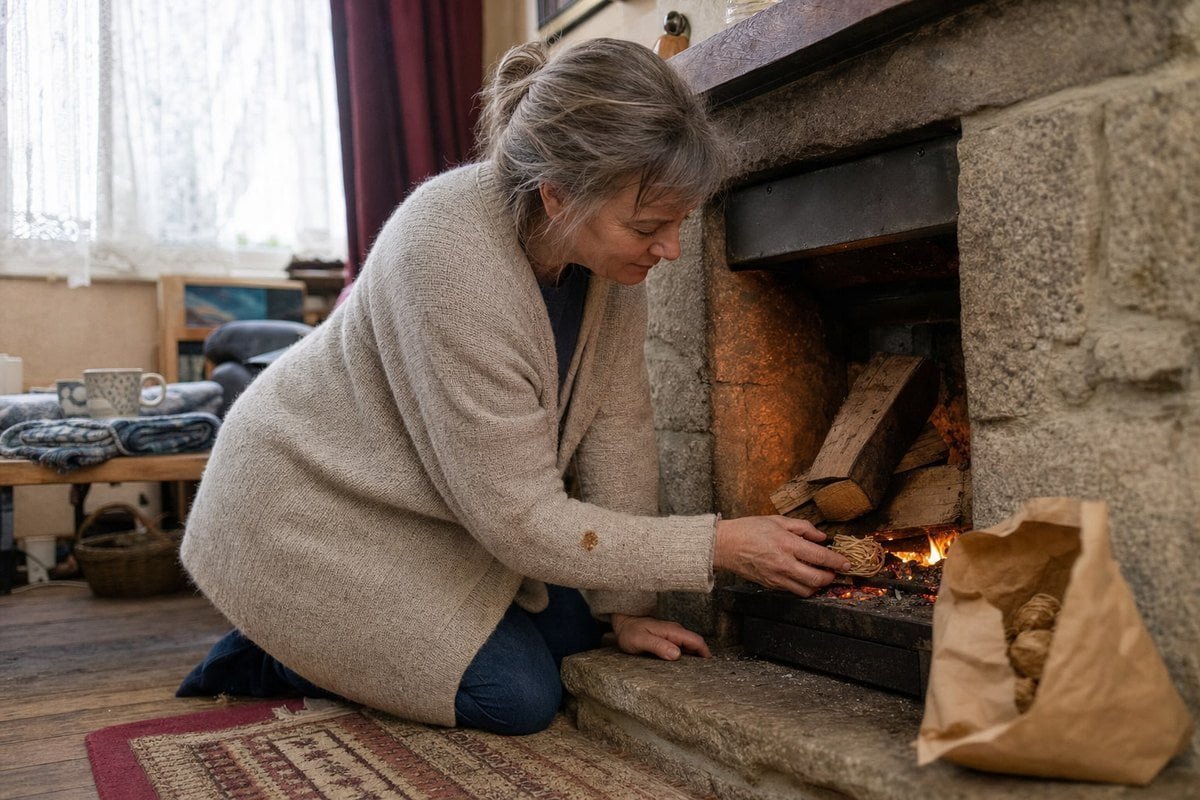
Customization is where a distributor turns a commodity into a brand asset. The three levers are the product itself, the packaging, and the logistics. Each one can be tuned independently.
Product-level customization
Burn time comes down to size, density, and wax content. A denser roll with more paraffin burns longer. A looser wood wool twist ignites faster but burns shorter. We adjust these variables against the buyer's target: fast ignition for camping kits, longer burns for stove and grill lines. Diameter and length can match your existing packaging or a competitor benchmark you want to beat.
Packaging and branding options
| Customization area | Options | Typical purpose |
|---|---|---|
| Retail box | Custom print, kraft or coated board | Shelf presence, brand identity |
| Display packaging | Counter displays, PDQ trays | Impulse buys at checkout |
| Unit count | 24, 50, 100 pcs and custom | Price-point positioning |
| Labels | Warning labels, barcodes, multi-language | Market compliance |
| Bulk formats | Jars, bags, tubs | Value packs, wholesale |
Eco-positioning also sells. Recycled wood-fiber starters let brands market a lower-waste alternative to petroleum gels, and that message performs well in Germany, the Netherlands, and the UK, where we ship regularly.
Logistics and trial orders
Start small. We encourage trial MOQs so buyers can test packaging in their market before scaling. Optimized carton dimensions and container loading plans then cut freight cost per unit at full volume. In my experience, buyers who run one disciplined trial order avoid nearly all the surprises that sink first-time importers.
Conclusion
Choosing the wrong starter type or supplier costs money and reputation. Match the type to the use case, demand real certifications, and customize deliberately. I am always glad to talk sourcing.
Footnotes
1. Official EU source explaining the CE marking requirement for exported products. ↩︎
2. US trade resource on private-label manufacturing relevant to OEM/ODM customization discussion. ↩︎
3. Explains the fire-starting tool referenced for spark ignition in survival kits. ↩︎
4. Background on the wax material used extensively in manufactured wood-fiber starters. ↩︎
5. Wikipedia background on this traditional spark-catching tinder material used in survival kits. ↩︎
6. Official ISO page defining the quality management standard cited for supplier compliance. ↩︎
7. Background on the social compliance auditing framework mentioned for retail chains. ↩︎

Join the Conversation