






Buyers ask me constantly whether wood fire starters can light damp firewood BSCI 1. Failed ignitions mean returns, bad reviews, and lost shelf space. Our production experience gives a clear answer.
Yes, wood fire starters can light damp or surface-wet firewood when they deliver 8–10 minutes of sustained, high-heat flame and are paired with dry kindling. However, no fire starter reliably ignites saturated, frozen, or green wood without splitting logs and proper fire-building technique.
The honest answer sits between "yes" and "it depends." In this article, I will break down the burn-time math, the best materials, and how to verify a supplier before you commit to a container order.
What burn time and heat output do I need to ignite damp firewood reliably?
During a QC session at our Ningbo plant last winter, we deliberately tested batch samples against rain-soaked pine splits Intertek 2. The results reshaped how we specify burn time for European buyers.
To ignite damp firewood reliably, a fire starter needs at least 5 minutes of sustained flame, ideally 8–10 minutes, with a flame height of 6–10 inches. This gives enough time and combustion temperature to evaporate surface moisture before the wood fibers reach ignition point.
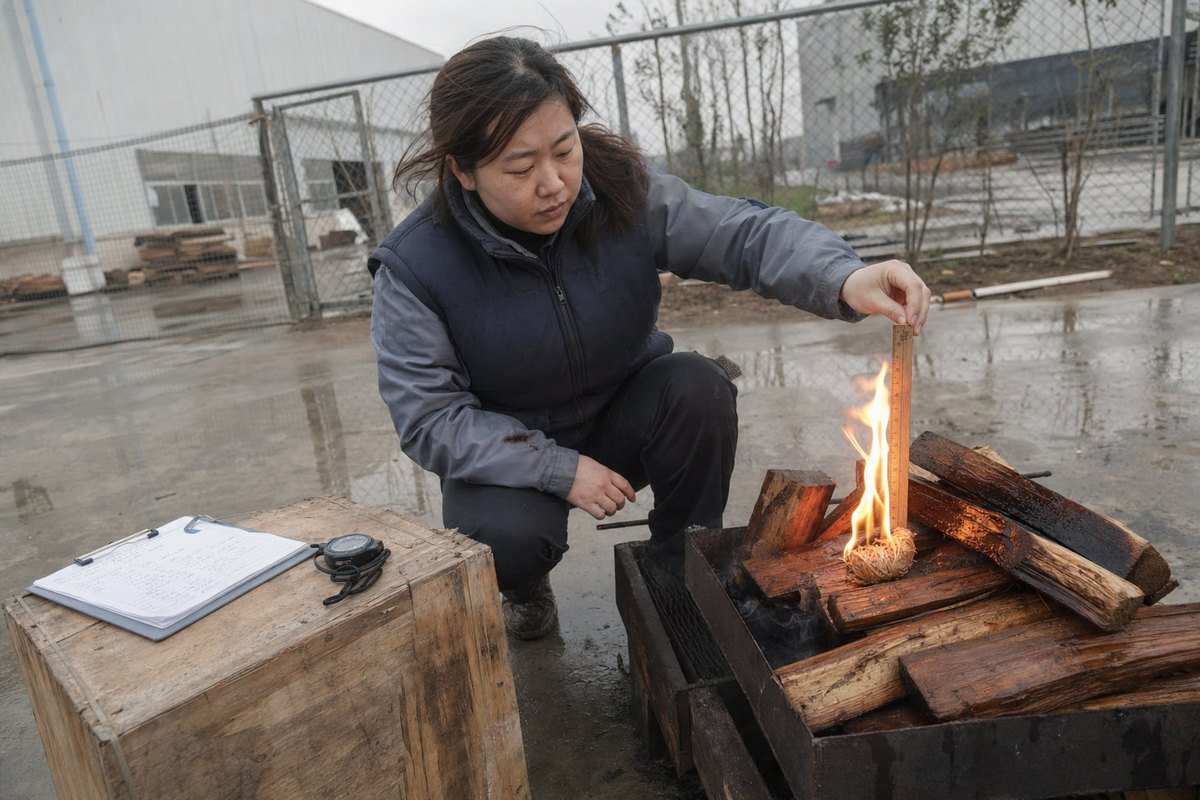
The physics here is simple. Moisture acts as a heat sink. Every gram of water in the wood absorbs energy that should be raising the wood to its combustion temperature 3. So a short, weak flame spends all its energy boiling water off the surface. Then it dies before pyrolysis 4 ever begins. That is why wet wood hisses, smokes, and sputters instead of catching cleanly.
Burn time is the single most important spec we discuss with distributors. A thin wax tab or crumpled paper may burn for two minutes. That works on bone-dry kindling. It fails on wood with a high moisture content 5 percentage. Our wax-dipped wood rolls are engineered for a longer, hotter window precisely because damp conditions are the real-world use case in markets like the UK, the Netherlands, and Canada.
Burn time benchmarks by starter type
| Starter type | Typical burn time | Suitable for damp wood? |
|---|---|---|
| Loose wood shavings | 2–5 minutes | Rarely |
| Waxed paper tabs | 3–8 minutes | Marginal |
| Cotton ball + petroleum jelly | 5–10 minutes | Often |
| Wax-dipped wood wool rolls | 8–10+ minutes | Yes |
| Resin-saturated fatwood | 10–15 minutes | Yes |
Why flame geometry matters too
Duration alone is not enough. The flame must reach upward into the kindling stack. A 6–10 inch sustained flame drives heat into the wood above it. It dries the immediate ignition zone and pushes hot gases through the stack. Kindling with a high surface area ratio catches first, then bridges the fire to larger splits. That staged transfer is what actually lights damp wood.
Which wax-dipped wood firestarter materials perform best in wet or humid conditions?
A German fireplace distributor once returned samples from a previous supplier because they absorbed humidity in coastal warehouses. That complaint pushed us to refine our paraffin coating ratio years ago.
Wax-dipped wood wool with a roughly 50/50 wood-fiber-to-paraffin composition performs best in wet or humid conditions. The paraffin waterproofs the fibers, extends burn time to 8–10 minutes, and melts into surrounding wood pores, displacing moisture with liquid fuel.
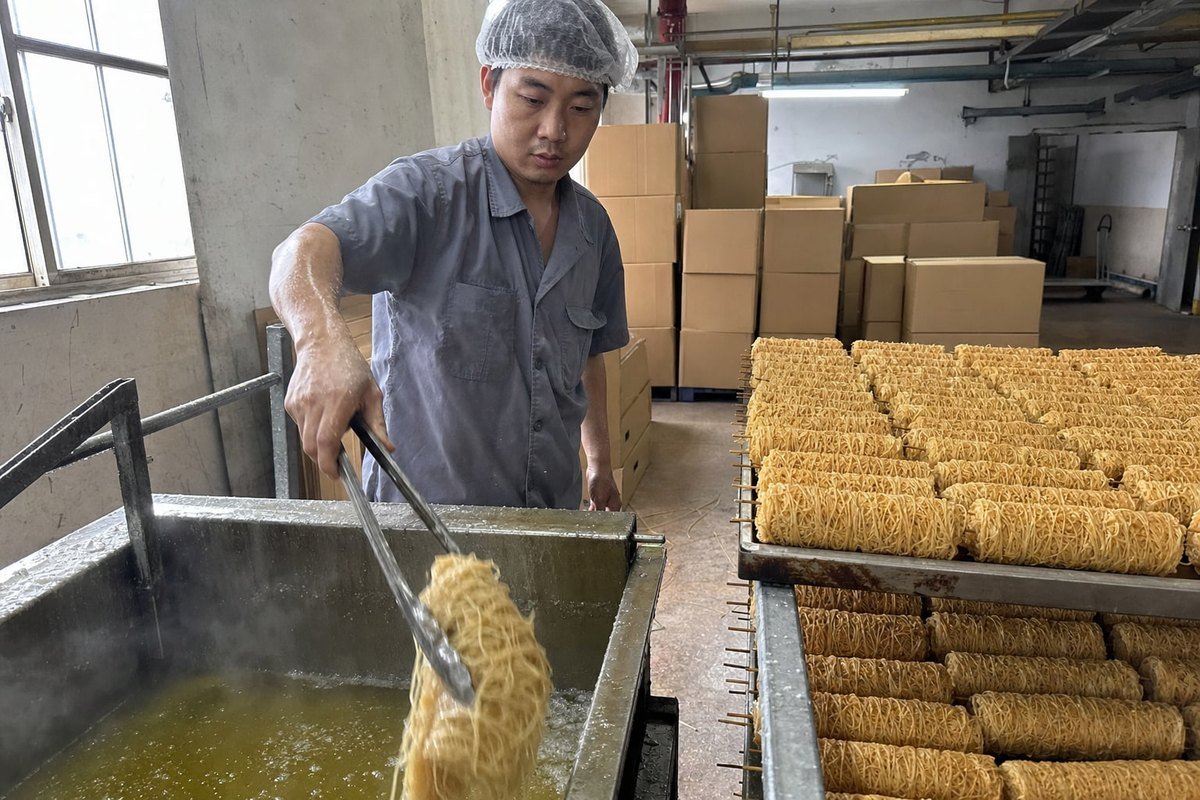
Material choice decides whether a starter survives a humid supply chain and still performs at the fireside. Here is how the main options compare:
| Material | Moisture resistance | Burn behavior | B2B suitability |
|---|---|---|---|
| Wax-dipped wood wool | High | Long, steady, easy to light | Excellent; consistent and shelf-stable |
| Resin-saturated fatwood | High | Very hot, 10–15 minutes | Good, but natural supply varies |
| Compressed sawdust bricks | Medium | Slow start, long burn | Fair; hard to light when cold |
| Paper or cardboard starters | Low | Fast, short | Poor for wet climates |
Why the wax matters more than the wood
Paraffin does two jobs. First, it seals the wood fibers so ambient humidity cannot soak in during storage. Second, once lit, melting wax wicks along the fine strands and seeps into the pores of adjacent kindling. This capillary displacement effectively waterproofs the ignition zone while feeding it fuel. Ordinary untreated wood wool cannot do this. It ignites fast but collapses into weak embers within minutes.
The fiber structure also matters. Shredded wood wool gives a huge surface area ratio, so it lights with a single match even in wind. On our production line, we control the dipping temperature and wax pickup per roll. If wax pickup drifts too low, burn time drops. Too high, and ignition becomes sluggish. Batch-to-batch quality control is what keeps sustained flame intensity consistent from the first sample to the ten-thousandth carton.
A note on natural alternatives
Fatwood is excellent because resin ignites even when the stick is surface-wet. But it is a harvested natural product, so density and resin load vary. Wax-dipped wood wool delivers a more predictable spec, which retailers prefer for private-label programs.
How do I verify a supplier's firestarters meet moisture-resistance and safety standards before ordering?
One lesson from 17+ years of exporting to 30+ countries: buyers who skip verification pay for it twice — once in customs delays, and again in customer complaints.
Verify a supplier by requesting current ISO 9001 and BSCI certificates, CE marking documentation, and third-party SGS or Intertek test reports. Then run a paid sample test for burn time, humidity exposure, and ignition reliability before placing a trial order.
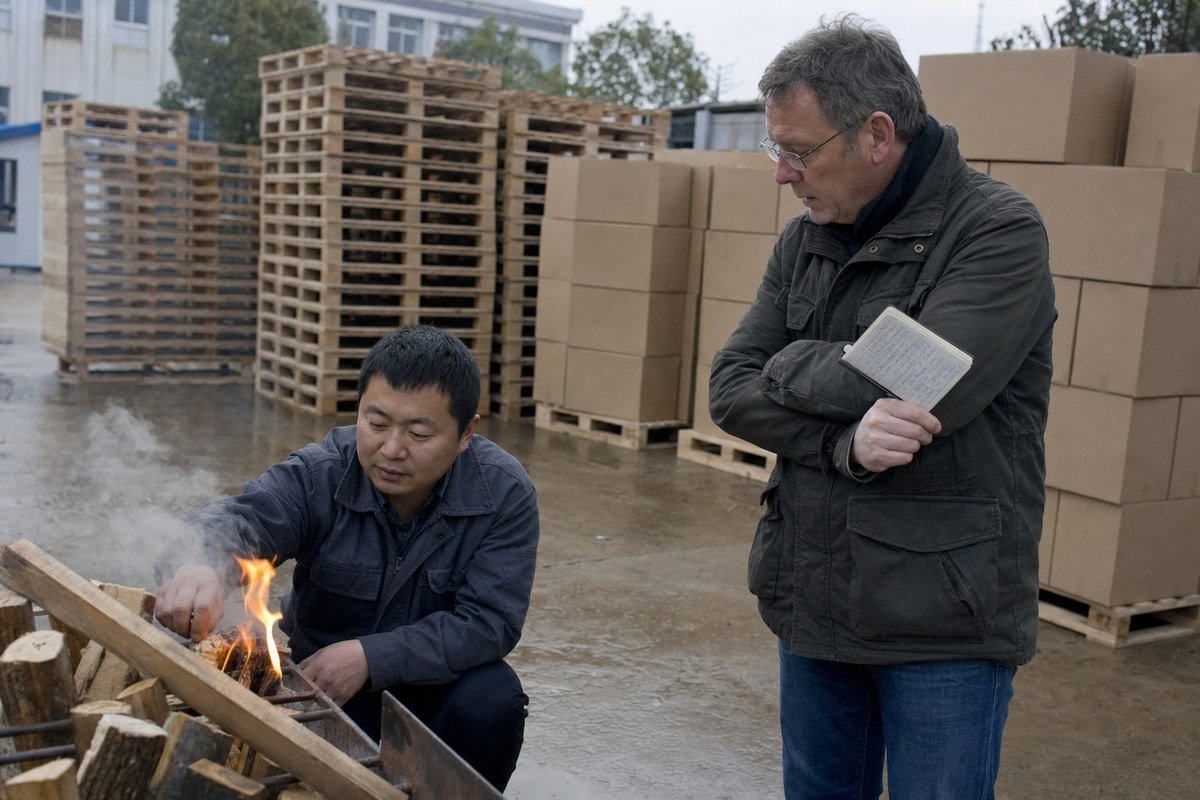
Paperwork comes first, but paperwork alone is not enough. I recommend a simple four-step process that our most professional buyers in the US and Germany already follow.
A four-step verification process
-
Audit the documents. Ask for ISO 9001 6 (quality management), BSCI (social compliance), CE documentation, and recent SGS 7 or Intertek test reports. Check the dates and the legal entity name. Reports issued to a trading company, not the factory, are a red flag. We are headquartered in Liuyang with production in Ningbo, and our reports name our own facility.
-
Confirm the composition. A stated composition, such as 50% wood fiber and 50% paraffin, should appear on the packaging and match the test report. Vague labels like "natural materials" usually hide inconsistent formulation. Also confirm the product is free of harmful chemical accelerants, since clean-burning starters avoid unnecessary creosote accumulation in flues and chimneys.
-
Run your own sample tests. Time the burn from ignition to extinction. Then leave samples in a humid room for two weeks and test again. A quality wax-dipped roll should show almost no performance drop. Cheap starters can lose minutes of burn time after humidity exposure.
-
Check production consistency. Ask how the factory controls wax pickup per unit and whether the first sample reflects mass production. This is where genuine manufacturing depth separates factories from resellers. On our lines, dip weight is checked per batch so buyers do not get a golden sample followed by a mediocre container.
Quick red-flag checklist
- No third-party test reports, only self-declared claims.
- Certificates issued to a different company name.
- No stated burn-time spec or composition percentage.
- Refusal to send production-batch samples, only hand-made ones.
Can I request custom formulations or sizes for firestarters suited to my target market's climate?
When a Canadian outdoor brand asked us for a longer-burning roll for sub-zero campsites, we adjusted the wax ratio and roll density within one sampling cycle. That flexibility is the point of OEM work.
Yes, a capable OEM/ODM factory can customize firestarter size, wax formulation, burn time, and packaging for your climate. Wetter or colder markets typically need denser rolls, higher wax content, and 8–12 minute burn times, plus moisture-barrier retail packaging.
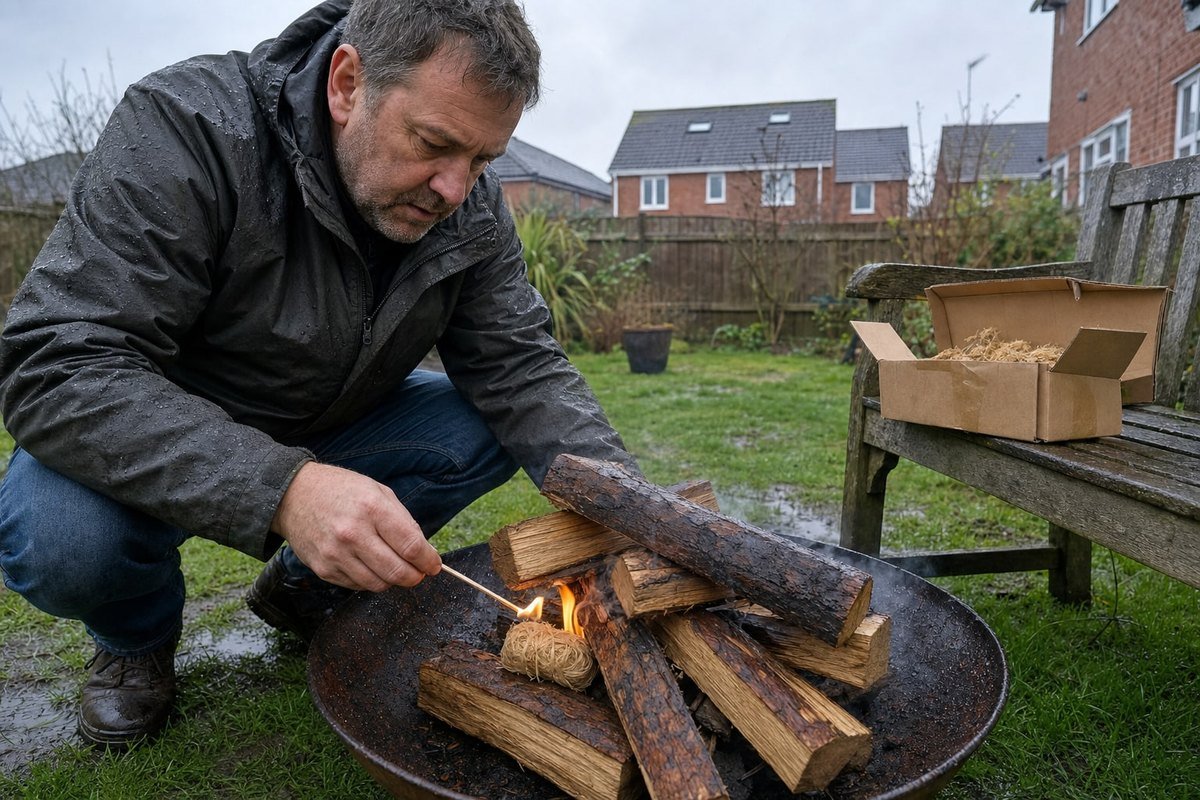
Climate should drive the spec sheet, not the other way around. A starter tuned for dry Australian summers is over-engineered for that market and under-engineered for a rainy Dutch autumn. Here is how we typically map specs to markets:
| Market climate | Recommended burn time | Formulation adjustments | Packaging advice |
|---|---|---|---|
| Wet maritime (UK, Netherlands) | 8–12 minutes | Higher paraffin ratio, denser wood wool | Sealed inner bag, moisture-barrier box |
| Cold continental (Canada, Poland) | 10–12 minutes | Denser roll, easy cold-start fibers | Bulk tubs for wood-stove users |
| Humid subtropical (Brazil, US South) | 6–10 minutes | Full wax seal against humidity | Jar or resealable kraft bag |
| Dry temperate (Australia, inland US) | 5–8 minutes | Standard formulation | Value multipacks |
What can actually be customized
On our lines, we adjust roll length, diameter, fiber density, and wax pickup. Together, these set burn time and sustained flame intensity. Beyond the product itself, one-stop customization covers private-label branding, custom boxes, display packaging, warning labels in your market's language, and barcodes. For retail sourcing channels, shelf-ready display cartons often matter as much as the product spec.
Match the spec to how customers actually build fires
Think about the end user's wood, too. In wet markets, customers burn wood with a higher moisture content percentage because the seasoning process is harder to complete outdoors. Your instructions on the box should reflect that: advise splitting heartwood to expose the dry core, using extra kindling, and practicing basic airflow management with a teepee or log-cabin lay. Softwood kindling makes the best bridge fuel because it reaches ignition temperature faster than dense, water-heavy hardwood. A product that ships with honest, climate-appropriate guidance earns fewer complaints and better reviews. That protects your brand, which is ultimately what a long-term manufacturing partner should care about.
Conclusion
Wood fire starters can light damp firewood when burn time, wax formulation, and technique align. Verify certifications, test samples, and customize specs for your climate — then order with confidence.
Footnotes
1. amfori BSCI is the social compliance initiative buyers should verify with suppliers. ↩︎
2. Intertek provides independent testing reports used to verify fire starter safety claims. ↩︎
3. Explains the physics of the temperature wood must reach before combustion begins. ↩︎
4. Pyrolysis is the chemical process referenced as the point wood ignition truly begins. ↩︎
5. Background on water content in materials clarifies why damp wood resists ignition. ↩︎
6. Authoritative overview of the international standard for quality management systems. ↩︎
7. SGS is a leading third-party inspection and testing company mentioned for verification. ↩︎



 English
  Spanish
  German
  French
  Arabic
  Portuguese
Join the Conversation