







Wood fire starters look simple on our production line 1, yet many camping brands struggle to market them. Weak content means wasted ad spend, low engagement, and shelf space that never earns back.
Yes, wood fire starters are an excellent fit for camping content marketing. They solve a real outdoor pain point, demonstrate beautifully on video, support strong SEO search terms, and align with eco-friendly trends — making them ideal for tutorials, comparisons, and seasonal camping campaigns.
Let me break down why this product works so well for content, and what you should check before you build a campaign around it.
What makes wood fire starters appealing to camping and outdoor lifestyle audiences?
During a trade fair 2 in Germany a few years back, I watched a buyer light one of our wax-dipped wood rolls on a windy patio. The small crowd that gathered told me everything about this product's appeal.
Wood fire starters appeal to camping audiences because they remove the frustration of failed ignition, work reliably in damp or windy weather, look natural and authentic on camera, and match the growing demand for sustainable, chemical-free outdoor gear.
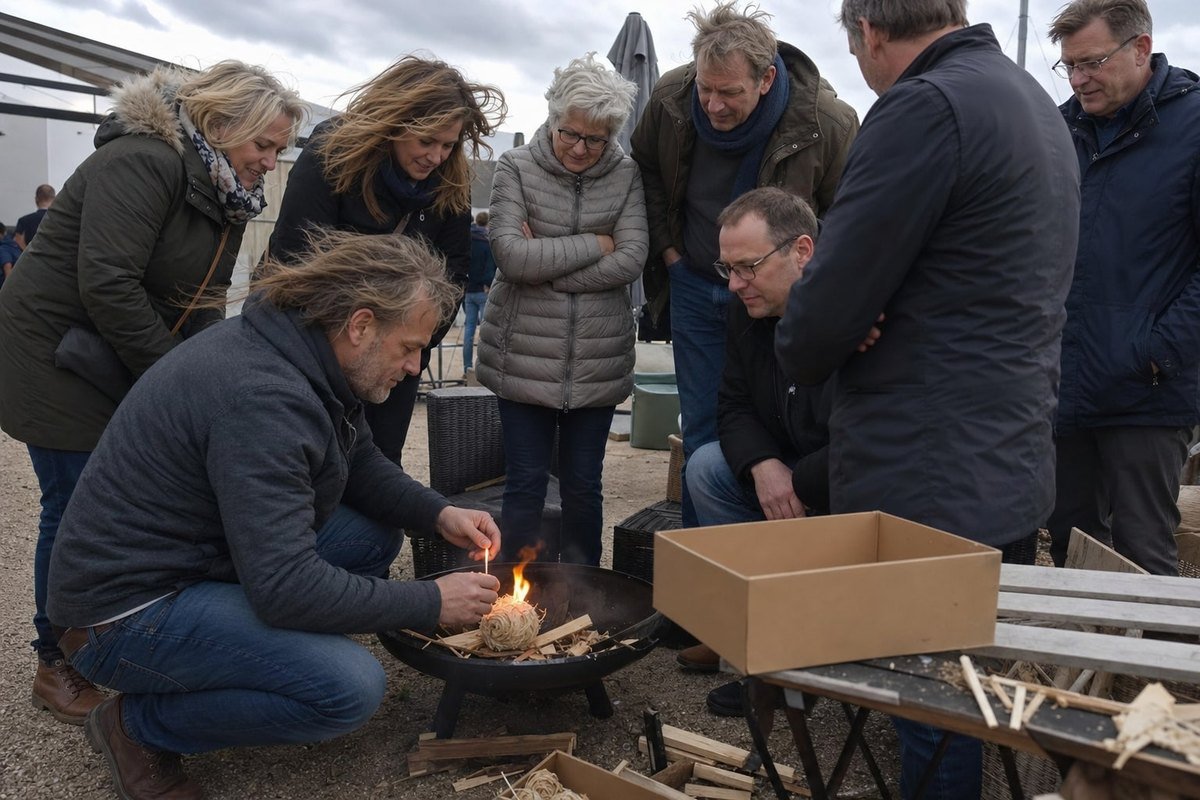
The appeal starts with a genuine problem. Every camper knows the pain of wet wood, dying matches, and a fire that just will not catch. A wood fire starter fixes that in seconds. Content built around real problem-solving always outperforms generic brand messaging, and this product gives you that angle for free.
The emotional pull of fire
Fire is emotional. It means warmth, food, safety, and family time around the campsite. When your content connects a small wax-coated wood roll to those feelings, you are no longer selling a commodity. You are selling the evening itself. This is where brand storytelling 3 for outdoors becomes powerful. Outdoor lifestyle influencers understand this instinctively, which is why fire-lighting clips perform so well on their channels.
Why the audience segments matter
Different campers care about different things. In our export experience across the US and Europe, we see clear buyer clusters:
| Audience segment | What they value | Best content hook |
|---|---|---|
| Beginner campers | Ease of use, no intimidation | One-match fire tutorials |
| Bushcraft enthusiasts | Natural materials, skill | Fatwood fire starters and wood-wool comparisons |
| Family campers | Safety, speed | Safer alternative to liquid accelerants |
| Glamping and backyard users | Ambiance, aesthetics | Cozy fire pit rituals and gifting |
| Eco-conscious outdoor consumers | Clean burn, biodegradable | Sustainable firelighting solutions |
Each segment gives you a distinct content lane. That breadth is rare for such a small product, and it is exactly why camping brands keep adding fire starters to their catalogs.
How can I use wood fire starters to create engaging content for my retail customers?
One of our long-term buyers in the Netherlands once shared their sales data with us after they switched from static product photos to short ignition videos. The lift in engagement convinced me that this product is made for the camera.
Use wood fire starters in demonstration videos, weather-test comparisons, campfire cooking tutorials, seasonal gift guides, and safety explainers. The product ignites on camera, crackles for ASMR clips, and photographs beautifully, giving retailers ready-made content for social media, blogs, and email campaigns.
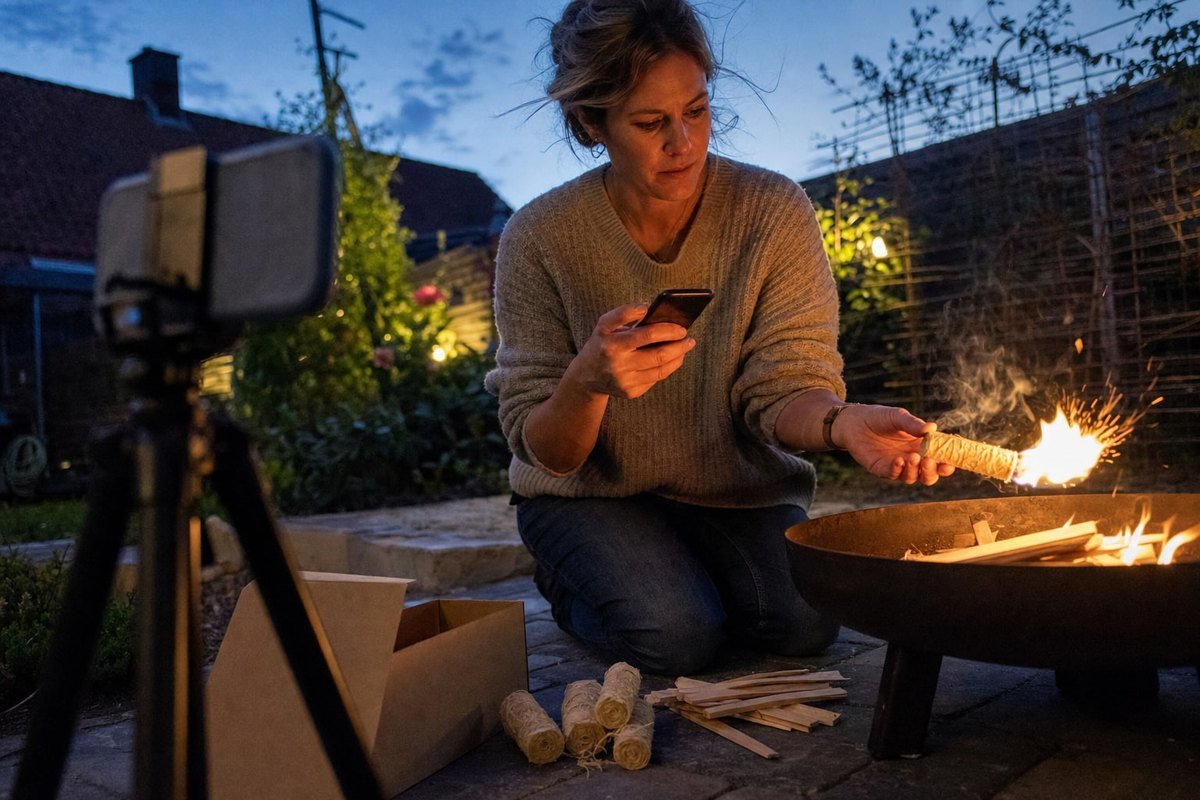
The core advantage is that this product is inherently demoable. You strike a match, the wood wool catches, and within seconds you have a visible, satisfying flame. Few camping products offer that instant visual payoff. Here are the formats that consistently perform:
- Short-form ignition videos. The sound of wood shavings catching and resin crackling drives strong ASMR engagement on TikTok and Reels.
- Weather challenge tests. Light the starter in rain, wind, or snow. This "insurance gear" framing converts skeptics.
- How-to fire-building guides. Teach the fire triangle, tinder, and kindling basics. Educational content builds trust before the sale.
- Comparison posts. Wood fire starters versus DIY tinder, paper, or liquid lighter fluid.
- Seasonal campaigns. Autumn camping, winter fireplaces, and holiday gifting all fit naturally.
- Campfire cooking content. Pivot the narrative to "more time for what matters" — the meal, not the struggle.
Matching formats to the buyer journey
Not every format sells directly. Some build awareness, others close the sale. In my experience supporting private-label brands, mapping content to intent matters more than volume:
| Buyer journey stage | Content format | Goal |
|---|---|---|
| Awareness | ASMR clips, lifestyle photography | Reach and saves |
| Consideration | Comparison tables, survivalist gear reviews | Trust and education |
| Decision | Burn-time proof tests, bundle offers | Conversion |
| Loyalty | Seasonal tips, campfire safety guidelines | Repeat purchase |
Camping gear affiliate marketing 4 also fits here. Fire starters are low-cost, high-margin, and easy to bundle, which makes them attractive to affiliate reviewers and outdoor lifestyle influencers who want products their audience can actually afford. When we develop custom packaging for clients, we design it with outdoor product photography in mind, because the box will appear in unboxing videos long before it appears on a shelf.
Will wood fire starters help differentiate my product line in a competitive camping market?
A trade-off I discuss with almost every new buyer is this: fire starters alone will not make a catalog unique, but the right positioning around them absolutely can. The product is the canvas; the story is the differentiation.
Wood fire starters differentiate a camping product line when positioned around sustainability, verified burn performance, natural aesthetics, or private-label branding. Generic pucks compete on price, but eco-friendly, well-packaged, story-driven fire starters create premium positioning and cross-sell opportunities across camping, BBQ, and fireplace categories.
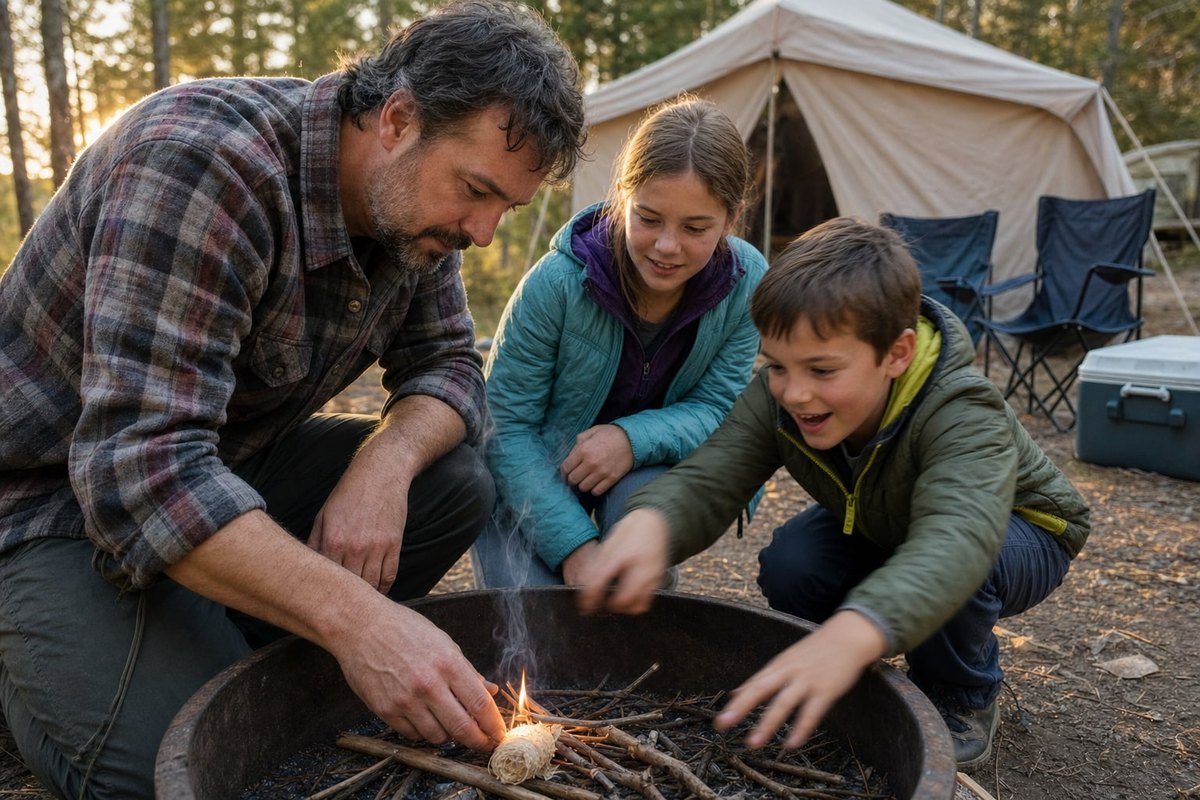
The camping market 5 is crowded, and DIY fire starter content is everywhere online. Anyone can search how to make a starter from dryer lint and wax. So your differentiation cannot be "it lights a fire." It has to be reliability, convenience, sustainability, or performance — backed by proof.
Positioning angles that actually separate you
From seventeen-plus years of producing fire-starting goods for brands in over thirty countries, I have seen four positioning strategies work repeatedly:
- The eco angle. Chemical-free wood wool and paraffin or natural wax starters speak directly to eco-conscious outdoor consumers who reject petroleum-heavy firelighters. Sustainable firelighting solutions are no longer a niche claim; they are becoming the default expectation in Germany, the Netherlands, and the UK.
- The performance angle. Burn time is a real differentiator. Campers need a stable eight-to-twelve-minute flame to establish kindling. If your product delivers that consistently, prove it on camera.
- The aesthetic angle. Natural wood-on-wood ignition photographs far better than plastic-wrapped synthetic cubes. This premium look supports higher pricing and gifting positioning for backyard fire pit owners.
- The niche angle. Segment your line. Offer natural fatwood fire starters and rugged packs for the bushcraft niche content audience, and scented or beautifully boxed versions for the glamping crowd. Same core product, two very different margins.
Cross-category leverage
One underrated benefit: fire starters bridge categories. The same SKU sells to camping retailers, BBQ distributors, and fireplace shops. When we run OEM projects, buyers often start with a camping-branded box and later add a fireplace-season variant with different packaging. One production line, two selling seasons, double the shelf presence.
What certifications and quality standards should I verify before featuring wood fire starters in my marketing?
Early in my career, I learned a hard lesson watching a competitor's shipment get held at a European port over missing test documentation. Their retail launch — and all the marketing behind it — collapsed overnight. Compliance is not paperwork; it is the foundation your content stands on.
Before marketing wood fire starters, verify ISO 9001 quality management, BSCI social compliance, CE conformity where applicable, and third-party test reports from labs like SGS or Intertek. Also confirm accurate composition labeling, burn-time claims, warning labels, and consistent batch-to-batch quality from the factory.
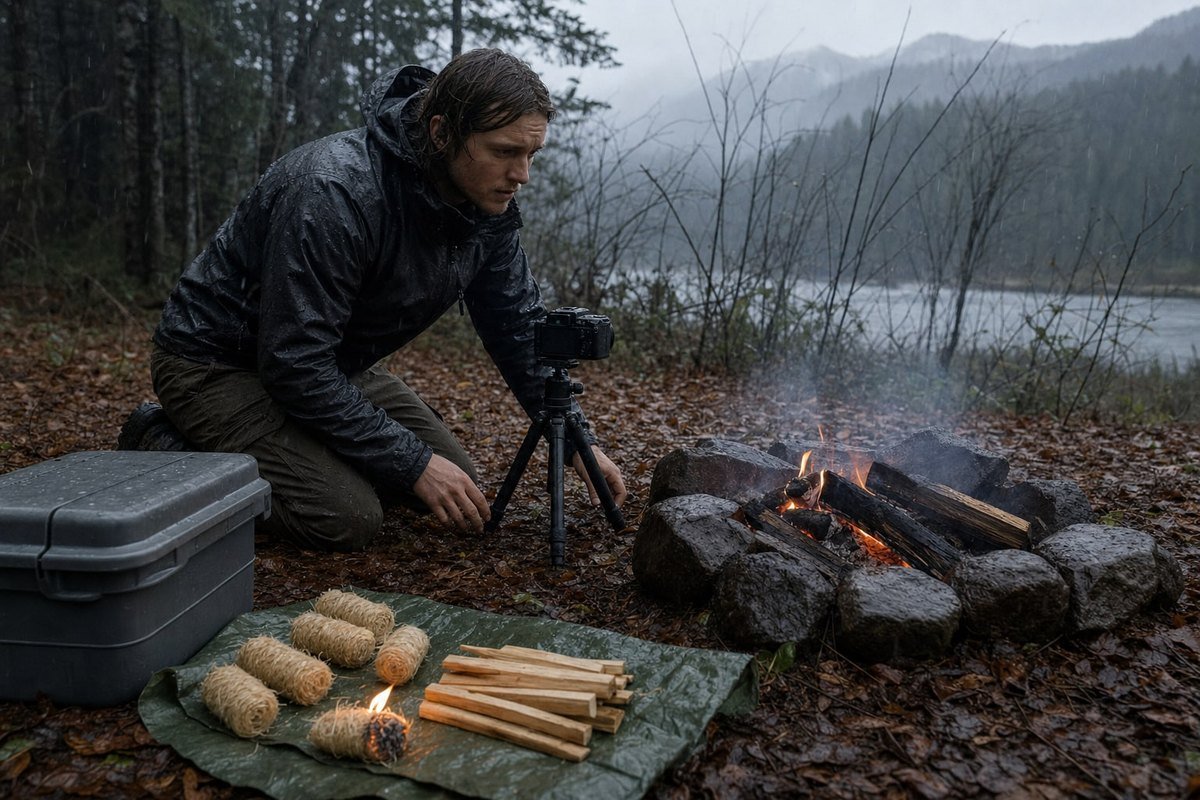
Every claim you make in your content marketing becomes a legal and reputational commitment. If your video says "burns for ten minutes" or your box says "no harmful chemicals," you need documentation behind it. This is why serious importers ask us for test reports before they ask about price.
The verification checklist
Here is the practical checklist I recommend every purchasing manager work through before signing off on a fire starter campaign:
| What to verify | Why it matters | Red flag |
|---|---|---|
| ISO 9001 certification | Confirms a real quality management system | Certificate belongs to a trading company, not the factory |
| BSCI audit | Social compliance for major retail channels | No audit report available on request |
| SGS or Intertek test reports | Independent proof of safety and composition | Reports older than the current product version |
| Composition labeling | Marketing claims must match reality | Vague or missing material breakdown on packaging |
| Burn-time consistency | Your content claims depend on it | First sample differs from mass-production batches |
| Warning labels and barcodes | Retail shelf readiness | Supplier cannot customize labels per market |
Why batch consistency is a marketing issue
Most buyers treat quality control 6 as a supply chain topic. I would argue it is a marketing topic too. If your hero video shows a starter burning cleanly for ten minutes, but batch three burns for six, your reviews will say so — loudly. On our lines in Ningbo, we run batch-to-batch checks precisely so the first sample reflects what ships six months later. Your campfire safety guidelines content, your influencer seeding, and your survivalist gear reviews all inherit the credibility of that consistency.
Also verify export-market specifics. The US, EU, and UK differ on labeling language 7, flammability warnings, and packaging waste rules. A supplier with seventeen years of exporting to those markets should handle this proactively, not react to your compliance questions.
Conclusion
Weak campaigns waste budgets; fire starters that never demonstrate their value never sell. The fix is simple: pair a certified, consistent product with educational, visual, proof-driven content.
Wood fire starters are a strong fit for camping content marketing because they solve a real problem, film beautifully, and span audiences from bushcraft to backyard gifting. Verify your supplier's compliance, lock in batch consistency, and build content around education rather than promotion. Do that, and this small product can anchor a surprisingly large content engine for your brand.
Footnotes
1. Defines the manufacturing environment where wood fire starters are produced. ↩︎
2. Reference to the international business events where product appeal was first observed. ↩︎
3. Explains the marketing concept of using narratives to connect products with consumer emotions. ↩︎
4. Authoritative Wikipedia entry defining affiliate marketing and its performance-based business models. ↩︎
5. Provides data and trends regarding the global outdoor and camping equipment industry. ↩︎
6. Authoritative Wikipedia entry for ISO 9001, the global standard for quality management systems. ↩︎
7. Official NIST resource for federal and state packaging and labeling regulations. ↩︎



Join the Conversation