






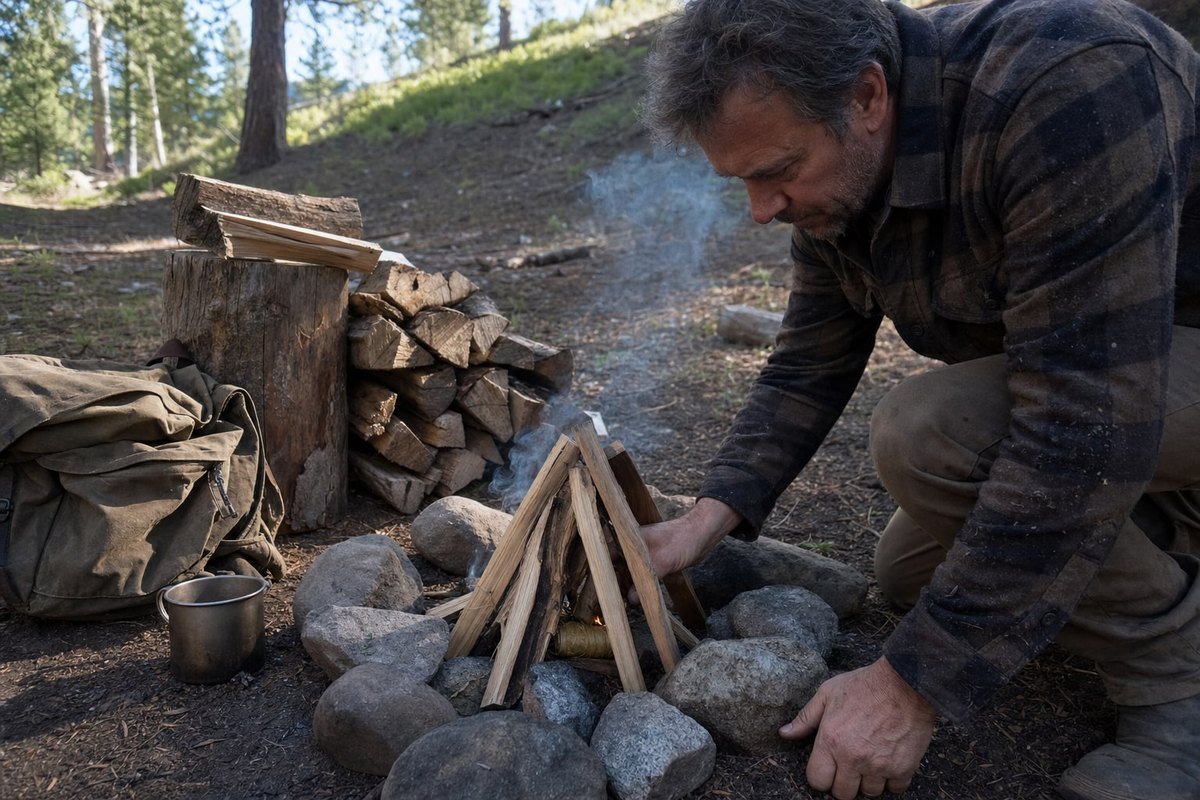
Buyers ask me constantly how many wood fire starters one fire really needs. Guess wrong on your packaging, and customers either waste product or blame your brand for failed fires.
Use one high-quality wood fire starter per fire with dry, seasoned firewood and good kindling. Use two in damp, windy, or cold conditions. Slower natural starters like fatwood sticks may need two to four pieces. One to two is the reliable rule.
That answer sounds simple. But the right number changes with starter type, wood condition, and fire setup. Let me walk you through each scenario so you can guide your customers accurately.
How many wood fire starters do I need for a reliable campfire versus a fireplace?
During a burn test on our Ningbo production line last winter, we lit the same wax-dipped wood roll indoors and outdoors. The difference in ignition behavior surprised even our senior QC staff.
A fireplace with seasoned firewood typically needs just one wood fire starter, thanks to shelter and a working chimney draft. A campfire usually needs one to two, and up to three in wind, dampness, or cold, because outdoor conditions steal heat from the flame.
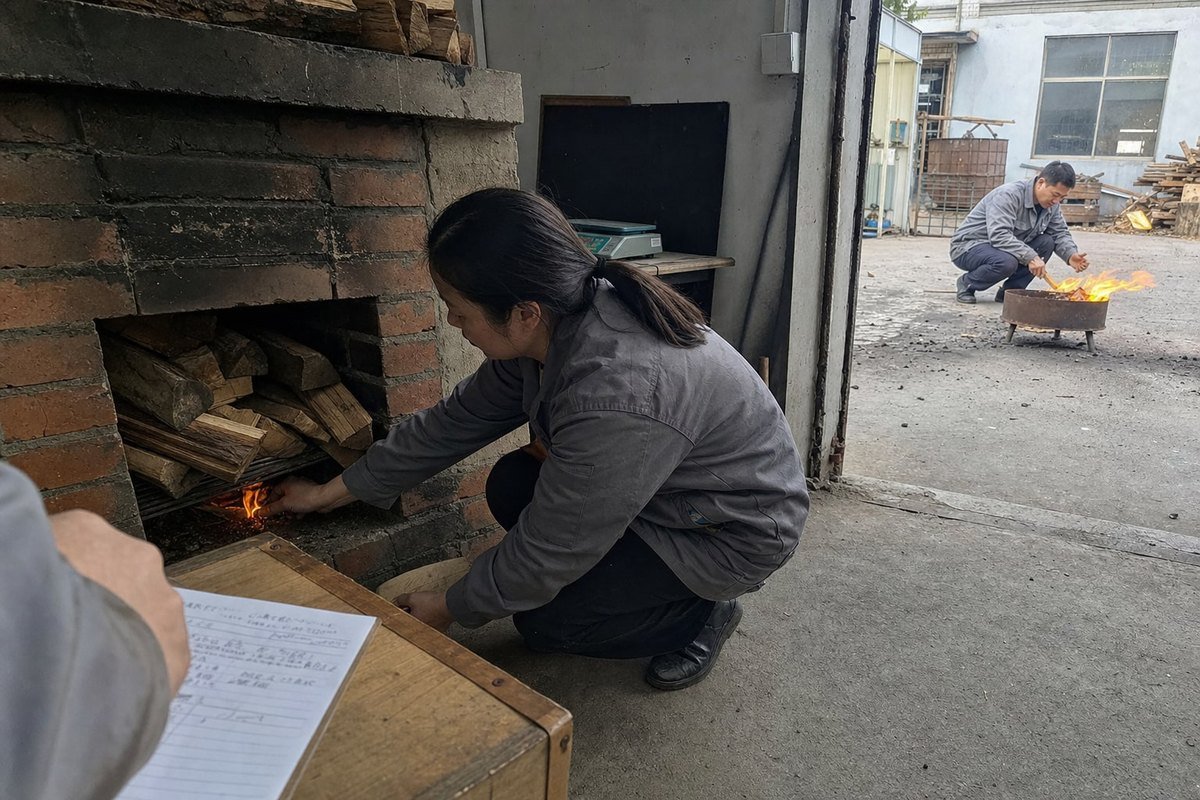
The environment around the flame matters more than the flame itself. Indoors, a fireplace protects the starter from wind. The chimney draft pulls fresh air across the fire, feeding oxygen steadily. Heat stays concentrated at the base of the wood stack. So one wax-and-wood-fiber starter usually establishes kindling within a few minutes.
Outdoors, the picture changes. Wind cools the flame and scatters heat before it transfers to the kindling wood. Ground moisture wicks into your fuel. Cold air lowers the starting temperature of every log. That is why a campfire or fire pit often justifies a second starter placed on the opposite side of the stack.
Quick reference by setting
| Setting | Dry conditions | Damp or windy conditions |
|---|---|---|
| Indoor fireplace | 1 starter | 2 starters |
| Wood stove | 1 starter | 2 starters |
| Campfire | 1–2 starters | 2–3 starters |
| Fire pit | 1–2 starters | 2–3 starters |
| BBQ / charcoal chimney | 1 starter per chimney | 2 starters |
Why placement changes the count
Position starters at the base of the stack, beneath a loose layer of kindling. Heat rises. A starter buried under heavy logs suffocates. A starter sitting on top of the pile wastes its heat into open air, unless you are using the top-down fire method, where the starter deliberately sits above larger fuel and burns downward. Our wax-dipped wood rolls burn for roughly eight to ten minutes, which is long enough for either technique when the wood is dry.
One more indoor note. Starting fires cleanly with a proper starter, rather than smoldering paper, reduces smoke and helps limit creosote buildup 1 in the flue over a season of use.
What factors affect how many fire starters my customers will use per fire?
A German distributor once told me his returns spiked every November. We traced the complaints to customers burning damp autumn firewood, not to any defect in the wood wool fire starters themselves.
Five factors determine usage per fire: starter type and burn time, wood moisture content, wind and temperature, kindling quality, and fire size. Wet wood and poor kindling are the biggest multipliers, sometimes doubling the number of starters a customer burns.
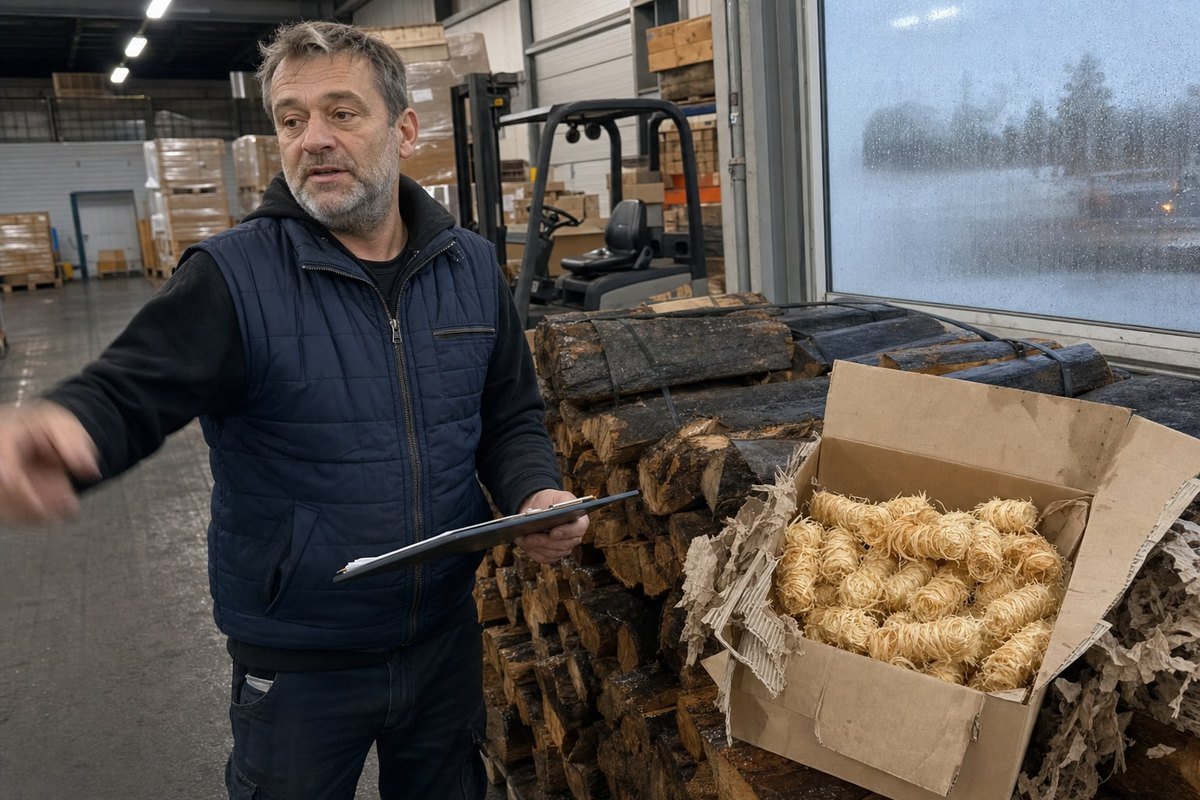
Let me break each factor down, because this directly affects how fast your customers empty a box — and how often they reorder.
Starter type sets the baseline
Not all fire starters perform equally. A wax-coated wood roll like ours combines wood fiber 2 with paraffin at roughly a 50/50 ratio. That mix gives a hot, steady flame for several minutes. Loose natural tinder or homemade starters burn faster and cooler, so people need more of them.
| Starter type | Typical burn time | Pieces per fire |
|---|---|---|
| Wax-dipped wood wool roll | 8–10 minutes | 1–2 |
| Wax cube | 8–12 minutes | 1–2 |
| Fatwood sticks | 3–5 minutes each | 2–4 |
| Natural tinder bundle | 1–3 minutes | 3–5 |
| DIY dryer-lint starter | Unpredictable | 2 or more |
Moisture content changes everything
Seasoned firewood 3 sits below 20% moisture content. Above that line, the fire must boil water out of the wood before it can burn. Every extra percentage point of moisture demands more sustained heat at the base. This is why a customer with green or rain-soaked logs may burn two or three starters and still struggle. The honest fix is drier wood, not more starters.
Wood species and fire size
Dense hardwoods like oak need longer sustained heat than softwoods like pine. A large bonfire stack also spreads heat across more surface area. Both push usage toward the higher end of the range. Good fire lighting techniques — small kindling first, then progressively larger pieces — keep combustion efficiency high and starter usage low.
Altitude and cold
At high elevations, thinner air slows ignition. Cold stoves and frozen logs act as heat sinks. In these edge cases, an extra starter is a reasonable insurance policy.
How can I determine the right burn time and quantity when I place a bulk order?
When we develop a private-label spec with a new client, the first question our engineers ask is never about price. It is about the end user's fire setup, because burn time drives everything downstream.
Match burn time to the end use: 6–8 minutes suits BBQ and dry-wood fireplaces, 8–10 minutes covers general campfire and fire pit use, and 10–12 minutes handles wood stoves and damp climates. Then size pack counts so one box delivers 30–100 fires.
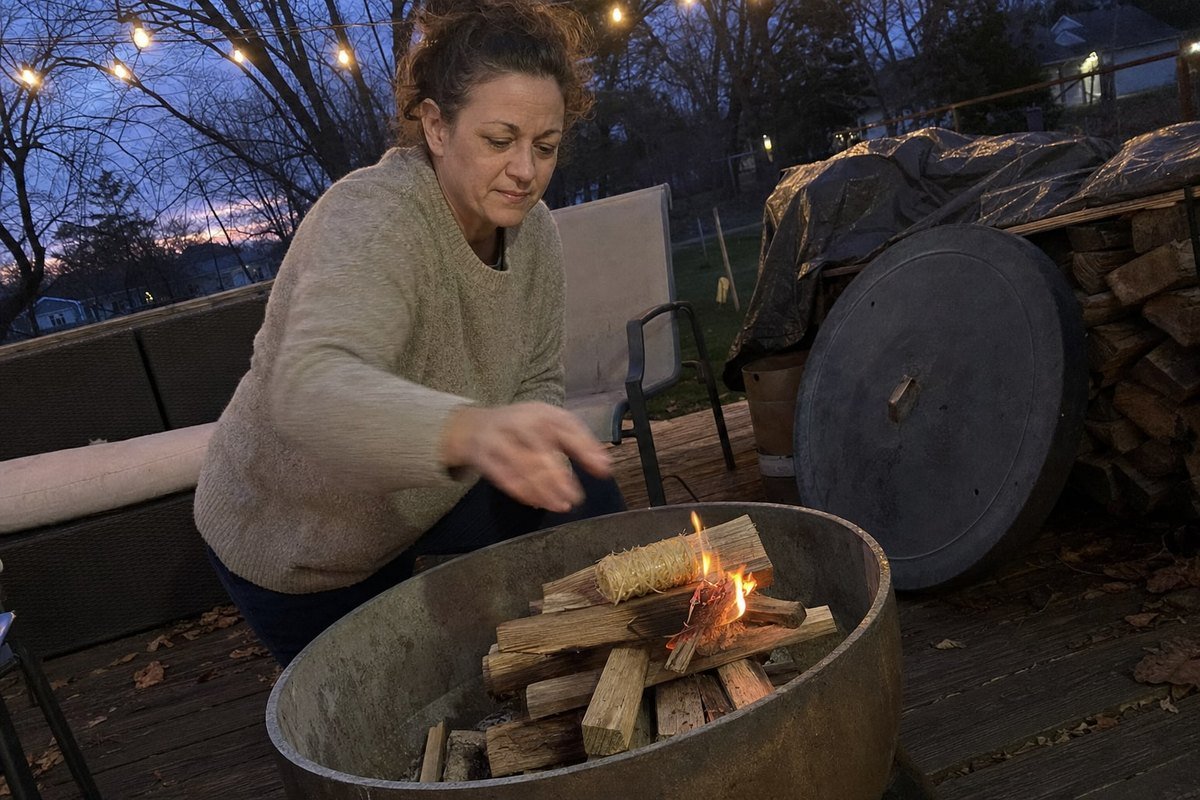
Here is the practical logic I walk buyers through. Burn time comes from three variables we control on the production line: the size of the wood roll, the density of the wood wool winding, and the wax loading. A heavier wax dip extends burn time but raises unit cost and weight per carton. A lighter dip cuts cost but risks failed ignitions in wet weather. Your target market decides where that balance sits.
A simple ordering framework
- Define the primary use case. Fireplace brands in Germany need different specs than camping brands in Canada.
- Set the target burn time. Longer burn time means fewer starters per fire, which supports a premium price position.
- Choose the piece count per pack. If most fires need one starter, a 100-piece box promises roughly 100 fires. That is a strong shelf claim.
- Confirm compliance needs. Our buyers in the US and EU require SGS or Intertek test reports 5, and we ship with CE documentation 6 as standard.
- Lock the spec with a sealed golden sample before mass production.
| Market focus | Recommended burn time | Suggested pack size | Fires per pack (est.) |
|---|---|---|---|
| BBQ / grilling brands | 6–8 min | 24–50 pcs | 24–50 |
| Fireplace / indoor retail | 8–10 min | 50–100 pcs | 40–100 |
| Camping / outdoor brands | 8–10 min | 20–50 pcs | 15–40 |
| Wood stove / cold climates | 10–12 min | 50–100 pcs | 40–90 |
Why batch consistency matters here
A burn-time spec is only useful if every batch hits it. Our QC team burns samples from each production run and logs the results, because a starter that burns six minutes in one batch and ten in the next destroys the usage math your packaging promises. After 17 years running these lines, I can tell you consistency is a process discipline, not luck.
Should I request samples to test usage-per-fire before committing to a private-label order?
Early in my export career, a UK buyer skipped sampling to save two weeks. His first container arrived in a wet British autumn, and the spec he chose from a datasheet underperformed. We reworked the wax ratio, but he lost a season.
Yes, always request samples first. Burn them in the same conditions your customers face — damp kindling, wind, cold stoves — and count starters per successful fire. Real-world testing validates burn time, ignition reliability, and pack-count claims before you commit capital to a private-label order.
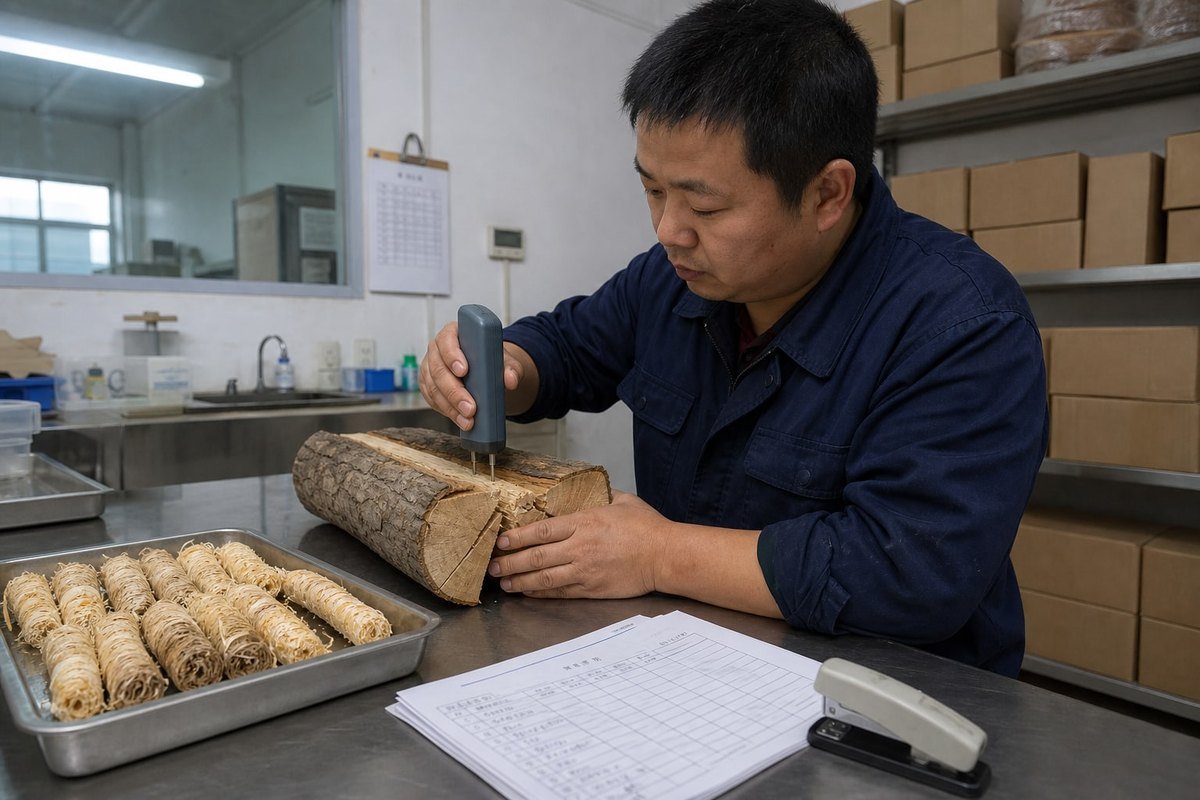
A datasheet tells you what a starter does in a lab. It does not tell you what happens when your customer stacks oversized logs over three pieces of kindling in a January wind. Sampling closes that gap, and it costs you almost nothing compared to a container of the wrong spec.
How to run a meaningful sample test
Test like your worst customer, not your best one. I recommend this protocol to every buyer we work with:
- Light one starter under dry, seasoned firewood with 6–10 pieces of kindling wood. This is your baseline. The fire should establish within 10–15 minutes.
- Repeat with slightly damp kindling. Note whether one starter still works or a second is needed.
- Test outdoors in wind, in the fire pit or grill setup your market actually uses.
- Try the top-down fire method if your buyers include fireplace and wood stove users, since starter placement differs.
- Time every burn. Compare actual burn time against the quoted spec.
- Check ignition speed. A good wax-dipped roll should take a match flame within seconds, with a one-to-two-inch air gap around it.
What sampling tells you about the supplier
The sample also tests us, not just the product. When our factory sends samples, we treat them as a contract: the mass-production batch must match what you burned. Ask any supplier whether their sample comes off the actual production line or from a hand-made showroom batch. With complete production lines in-house and batch-level QC records 7, we can guarantee the first sample reflects container quality. A trading company reselling from rotating workshops usually cannot. For a purchasing manager, that difference is worth far more than a marginally lower unit price.
Sampling also lets you validate packaging claims early. If testing shows your target market averages 1.5 starters per fire, you can honestly market a 100-piece box as "60+ fires" instead of an inflated number that generates complaints.
Conclusion
One quality wood fire starter handles a normal fire; two cover bad conditions. Test samples, match burn time to your market, and partner with a factory that keeps every batch consistent.
Footnotes
1. Explains creosote formation in chimneys, relevant to reducing flue buildup from clean fire starts. ↩︎
2. Background on wood fiber material used as the base component in wax-dipped fire starters. ↩︎
3. EPA Burn Wise explains why properly seasoned, low-moisture firewood ignites faster and cleaner. ↩︎
4. Background on how moisture content in materials affects combustion and ignition behavior. ↩︎
5. SGS is a leading testing and certification body cited for compliance verification in bulk orders. ↩︎
6. Official EU page defining CE marking compliance requirements referenced for export documentation. ↩︎
7. Authoritative Wikipedia entry for ISO 9001, the international standard that governs quality management systems and manufacturing record-keeping. ↩︎


 English
  Spanish
  German
  French
  Arabic
  Portuguese
Join the Conversation