






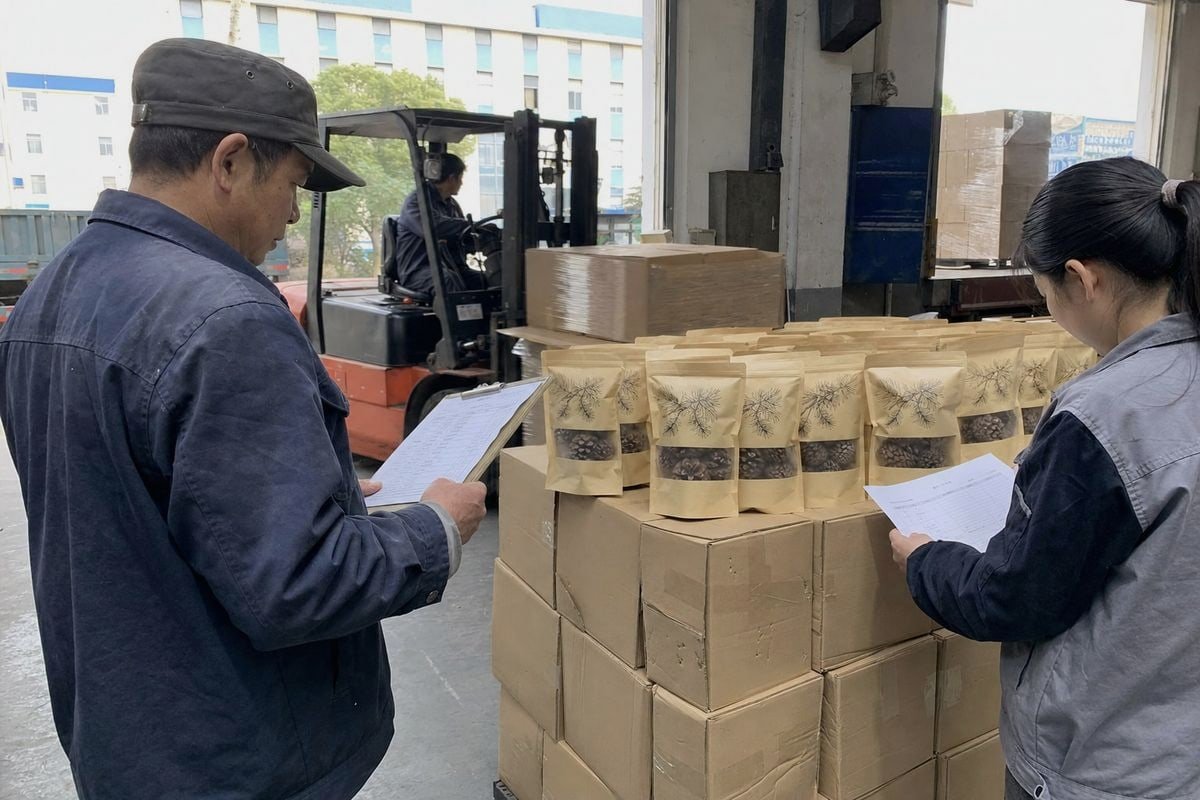
Knowing which export documents to request when sourcing fireplace colored pine cones from China can make or break your first shipment. I have watched buyers lose weeks at port over one missing certificate, and on our production line in Ningbo we prepare the full document set before a single carton leaves the factory — because a beautiful colored-flame product is worthless if customs will not release it.
Request the Commercial Invoice, Packing List, Bill of Lading, China customs export declaration, Certificate of Origin, Phytosanitary Certificate, Fumigation Certificate, and Material Safety Data Sheet. Add SGS or Intertek test reports, GHS-compliant labeling proof, and destination-specific documents such as a Lacey Act Declaration for the US.
That is the short answer. But fireplace pine cones sit in a tricky category. They are botanical, chemically treated, and made for burning. Each of those three traits triggers its own paperwork. Let me walk you through the full picture, section by section.
What certifications should I verify before importing colored pine cones from a Chinese manufacturer?
A German distributor once asked me for our audit reports before he even asked for pricing. In our 17 years of exporting fire products, that order of questions is usually the sign of a serious buyer.
Verify ISO 9001 for quality management, BSCI for social compliance, and third-party test reports from SGS or Intertek covering the flame colorants. Also confirm CE-related documentation for the EU, a valid Phytosanitary Certificate capability, and proof the factory — not a trading company — holds these certificates.

Certificates fall into two groups, and buyers often confuse them. The first group covers the factory itself. The second group covers the specific product you are buying. You need both, and you need to check that the names on the paperwork match the supplier you are paying.
Factory-level certifications
These tell you whether the supplier runs a real, audited operation. At our Ningbo facility, we hold ISO 9001 1 and BSCI, and large retail sourcing channels treat these as a hard gate. If a supplier cannot show a current audit report with their own company name on it, they are very likely a trading company reselling someone else's production. That matters for pine cones specifically, because plant health regulations and treatment records must trace back to the actual processing site.
Product-level certifications and reports
Colored pine cones produce their flame effect from mineral colorants applied to a botanical base. So you should verify test reports on the finished product, not just the raw cone.
| Certification / Report | What it proves | Who issues it |
|---|---|---|
| ISO 9001 | Consistent quality management system | Accredited audit body |
| BSCI 2 | Ethical and social compliance at the factory | Amfori audit program |
| SGS / Intertek test report | Colorant composition, heavy-metal screening, burn behavior | Third-party lab |
| CE documentation | EU market conformity where applicable | Manufacturer + notified process |
| Phytosanitary Certificate 3 | Cones are free from quarantine pests | GACC (China Customs) |
Ask for the actual PDF reports, check the issue dates, and confirm the tested product matches your specification. A two-year-old report on a different colorant formula protects nobody. We re-test our color-flame pinecones whenever a formula or supplier of raw material changes, and I would expect any competent factory to do the same.
Which safety and compliance test reports do I need for customs clearance in my country?
Destination rules differ more than most buyers expect. When we ship the same color-flame pinecones to the US, Germany, and Australia, we prepare three noticeably different document packs — same product, three regulatory lenses.
For customs clearance you typically need a Material Safety Data Sheet, a Phytosanitary Certificate, a Fumigation Certificate where bark is present, correct HS Code classification on the Commercial Invoice, plus destination-specific items: a Lacey Act Declaration for the US, EN 1860-3 evidence for the EU, and GHS labels.

The customs clearance process treats colored pine cones through three lenses at once: as a plant product, as a treated chemical consumer good, and as a fire-related product. Each lens demands its own evidence.
The plant-product lens
Because the base material is a real pine cone, quarantine authorities care about pests. The Phytosanitary Certificate issued by the General Administration of Customs of China certifies the goods are free from quarantine pests. If cones retain bark, many destinations also want a Fumigation Certificate 4 or heat-treatment record proving wood-boring insects were eliminated. Do not confuse this with ISPM 15 marks on wooden pallets — that covers the packaging, and you may need both.
The chemical and fire-product lens
The Material Safety Data Sheet 5 must list the actual colorants used. Our formulas use eco-friendly mineral salts with no harmful chemicals, but the SDS still exists and still travels with every shipment, because your forwarder and your customs broker need it to confirm the goods are not classified as dangerous goods under IMDG or IATA rules.
Destination-specific documents
| Market | Key extra documents | Why it matters |
|---|---|---|
| United States | Lacey Act Declaration (PPQ Form 505) with genus and species; Prop 65 review for California | Proves legal plant harvesting; avoids labeling penalties |
| European Union | EN 1860-3 evidence if sold as a firelighter; CE-related files; GHS labels | Fire-starter safety standard and chemical labeling |
| Australia / Canada | Strict biosecurity screening of the Phytosanitary Certificate | Botanical imports face intense quarantine review |
Also confirm the HS Code classification early — treated decorative botanicals typically fall under 0604.90, and the description on the Commercial Invoice must say "dyed" or "treated," because import duties and taxes flow directly from that classification.
How can I confirm my supplier's export documents match the actual production batch?
The trade-off I weigh most often is speed versus traceability. It is faster to reuse last season's paperwork, but we assign every batch of colored pine cones its own lot number precisely so buyers never have to trust recycled documents.
Match batch numbers across the documents: the lot code on cartons should appear on the Packing List, quality control inspection report, and treatment records. Cross-check quantities against the Commercial Invoice and Bill of Lading, and use a pre-shipment inspection to verify the physical goods against the paperwork.
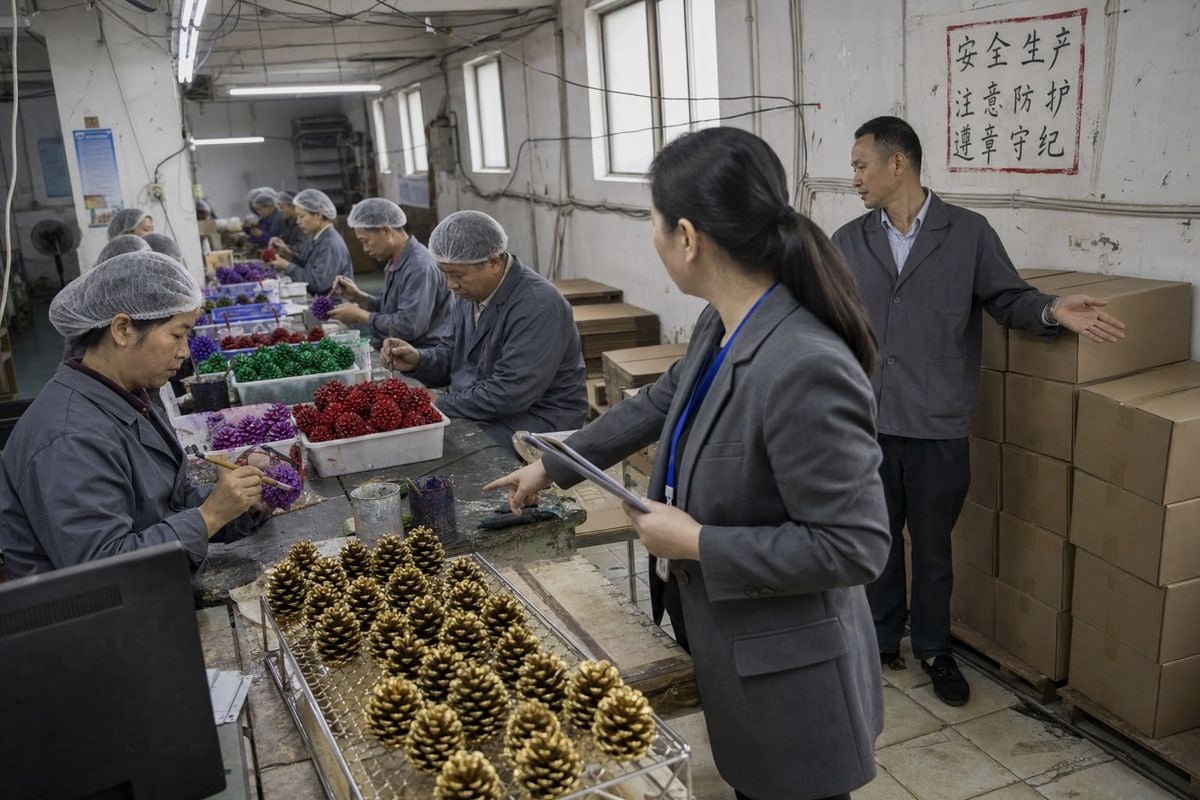
Document fraud is rarely dramatic. More often it is lazy: a supplier attaches a genuine but outdated Fumigation Certificate from a previous shipment, or a test report from a sample batch that used a different colorant recipe. The fix is a simple cross-referencing routine you can run before you release final payment.
A five-step verification routine
- Request the batch or lot number first. Before any documents arrive, ask which production lot your order comes from. In our factory, this code is printed on every export carton and logged against raw-material intake.
- Check dates for logical sequence. The fumigation or heat-treatment date must fall after production and before the Bill of Lading 6 date. Certificates dated months before production are red flags.
- Cross-check quantities. The Packing List carton count, the Commercial Invoice quantity, and the Bill of Lading weight should reconcile. A mismatch of even a few cartons deserves a question.
- Tie the quality control inspection to the lot. A pre-shipment inspection report from a third party should photograph carton markings, so you can see the lot number with your own eyes.
- Verify certificate authenticity at the source. Phytosanitary Certificates carry reference numbers that GACC channels can confirm, and SGS or Intertek reports can be validated directly with the lab.
This routine takes perhaps an hour per shipment. Compared with a container held in quarantine for three weeks, it is the cheapest insurance in this business. When a Dutch buyer of ours started running this check, he told me it also improved his conversations with every other supplier he used — because suppliers behave differently once they know you actually read the paperwork.
What documentation should I request to protect my private-label branding and packaging rights?
A lesson we learned early in our OEM work: a buyer's brand is only as safe as the paper trail behind it. One client came to us after a previous supplier quietly sold his branded kraft pouches to a competitor.
Request a written OEM/ODM agreement covering exclusivity, a brand authorization letter confirming your right to the trademark on export declarations, packaging artwork approval records, tooling and design ownership clauses, and an NDA. Also keep records of warning labels, barcodes, and GHS artwork you approved.
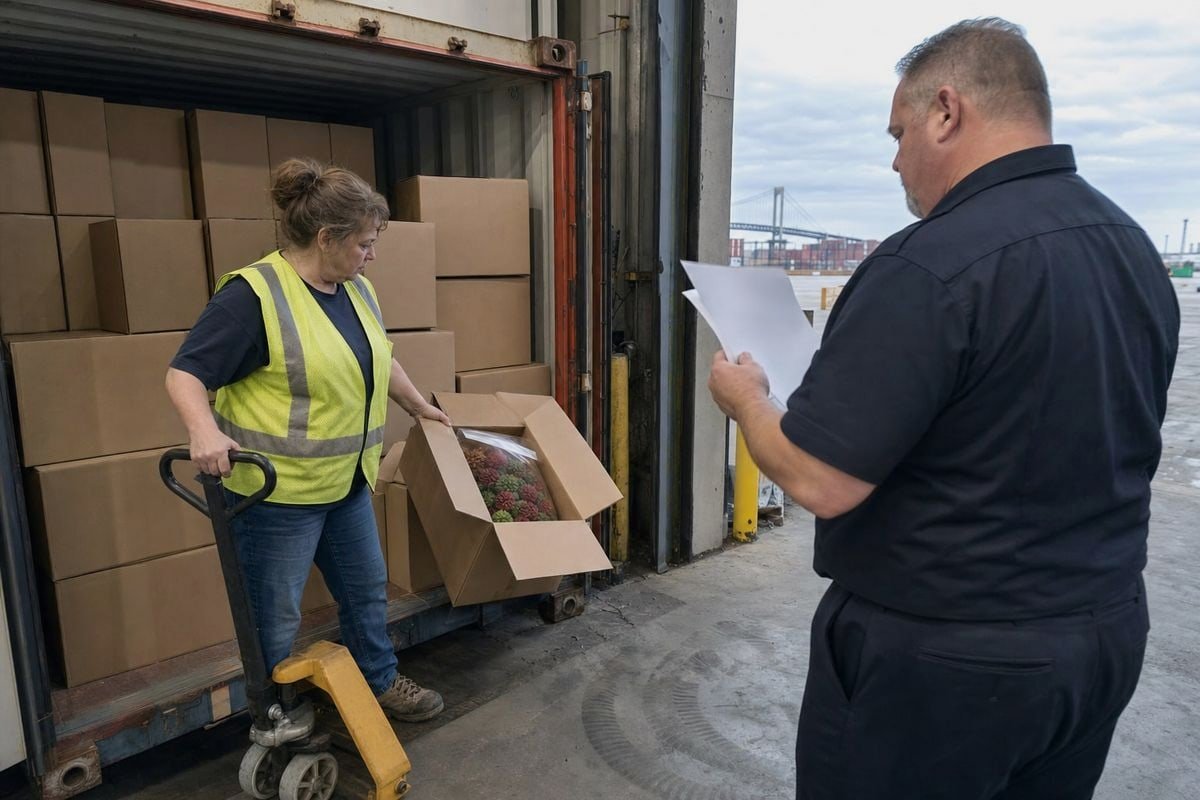
Private-label protection is not one document. It is a small stack of agreements that together answer three questions: who owns the design, who may produce it, and who may export it under your name.
The core private-label paper stack
| Document | What it protects | When to sign it |
|---|---|---|
| OEM/ODM manufacturing agreement | Exclusivity, specifications, tolerances, remedies | Before tooling or artwork begins |
| Brand authorization letter | Your trademark's legal use on China export filings | Before the first branded shipment |
| Artwork approval records | Exact packaging, warning labels, barcodes, GHS pictograms | At every artwork revision |
| NDA | Formulas, packaging designs, market plans | At the sampling stage |
| Design/tooling ownership clause | Custom pouch dies, display boxes, printed sacks | Inside the OEM agreement |
Why the export side matters too
Here is a detail many buyers miss. When branded goods leave China, the export declaration can be checked against trademark records 7. If your supplier cannot show authorization to export your brand, shipments can be questioned at origin — before they ever reach your market. We keep signed brand authorization letters on file for every private-label client, from custom drawstring burlap sacks to stand-up resealable pouches with clear windows, so the customs broker never has to guess.
Also archive your approved artwork versions with dates. Warning labels, Prop 65 text, barcodes, and burn instructions change over time. If a dispute ever arises about which label version shipped, your dated approval email plus the pre-shipment inspection photos settle it in minutes. On our side, we lock artwork files per purchase order, which means batch three looks identical to batch one — and your retail buyers notice that consistency on the shelf.
Conclusion
Missing paperwork turns a colorful product into a costly delay. Request the core shipping set, the botanical and chemical certificates, batch-matched reports, and branding agreements — before you pay, not after.
Footnotes
1. Authoritative Wikipedia entry for the quality management standard, avoiding 403 errors on the official site. ↩︎
2. Official website for the Business Social Compliance Initiative (amfori BSCI). ↩︎
3. Explains this botanical export document required to certify freedom from quarantine pests. ↩︎
4. USDA APHIS plant health resource relevant to fumigation and wood-boring insect treatment records. ↩︎
5


 English
  Spanish
  German
  French
  Arabic
  Portuguese
Join the Conversation