






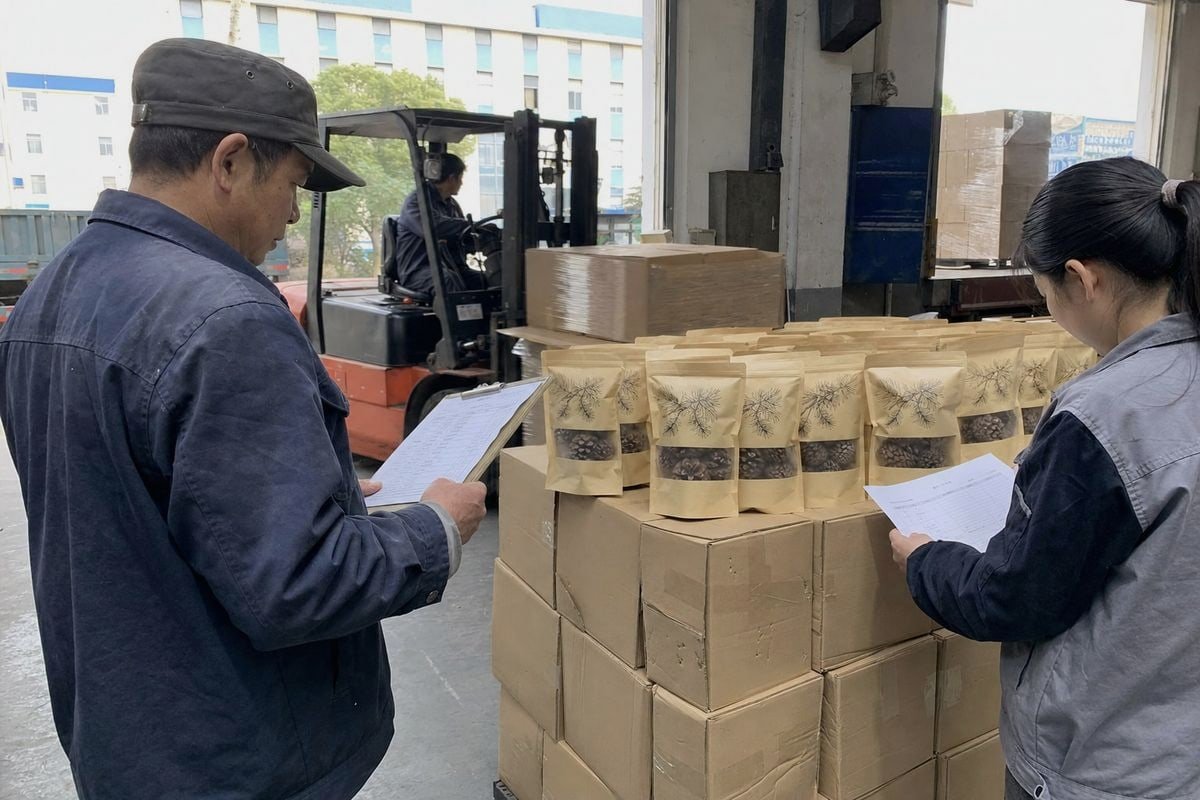
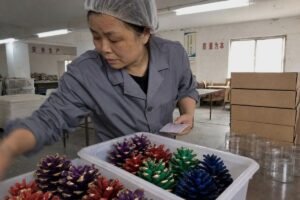
Saber qué documentos de exportación solicitar al obtener piñas de pino de color para chimenea de China puede hacer o deshacer su primer envío. He visto a compradores perder semanas en el puerto por un certificado faltante, y en nuestra línea de producción en Ningbo preparamos el conjunto completo de documentos antes de que salga la primera caja de la fábrica, porque un hermoso producto de llama de color no vale nada si la aduana no lo libera.
Solicitar la factura comercial, la lista de empaque, el conocimiento de embarque, la declaración de exportación aduanera de China, el certificado de origen, el certificado fitosanitario, el certificado de fumigación y la hoja de datos de seguridad del material. Agregar informes de prueba SGS o Intertek, prueba de etiquetado conforme a GHS y documentos específicos del destino, como una Declaración Lacey Act para los EE. UU.
Esa es la respuesta corta. Pero las piñas de pino para chimenea se encuentran en una categoría complicada. Son botánicas, tratadas químicamente y hechas para arder. Cada uno de esos tres rasgos desencadena su propia documentación. Permítanme guiarlos a través del panorama completo, sección por sección.
¿Qué certificaciones debo verificar antes de importar piñas de pino de colores de un fabricante chino?
Un distribuidor alemán me pidió una vez nuestros informes de auditoría antes incluso de pedir precios. En nuestros 17 años de exportación de productos para chimeneas, ese orden de preguntas suele ser el signo de un comprador serio.
Verifique ISO 9001 para gestión de calidad, BSCI para cumplimiento social e informes de pruebas de terceros de SGS o Intertek que cubran los colorantes inflamables. Confirme también la documentación relacionada con CE para la UE, una capacidad válida de Certificado Fitosanitario y prueba de que la fábrica — no una empresa comercial — posee estos certificados.

Los certificados se dividen en dos grupos, y los compradores a menudo los confunden. El primer grupo cubre la fábrica en sí. El segundo grupo cubre el producto específico que está comprando. Necesita ambos, y necesita verificar que los nombres en la documentación coincidan con el proveedor al que está pagando.
Certificaciones a nivel de fábrica
Estos le indican si el proveedor opera una operación real y auditada. En nuestras instalaciones de Ningbo, tenemos ISO 9001 1 y BSCI, y los grandes canales de abastecimiento minorista los consideran una puerta de entrada dura. Si un proveedor no puede mostrar un informe de auditoría actual con su propio nombre de empresa, es muy probable que sea una empresa comercial que revende la producción de otra persona. Eso es importante específicamente para las piñas de pino, porque las regulaciones de salud vegetal y los registros de tratamiento deben rastrearse hasta el sitio de procesamiento real.
Certificaciones e informes a nivel de producto
Las piñas de pino de color producen su efecto de llama a partir de colorantes minerales aplicados a una base botánica. Por lo tanto, debe verificar los informes de prueba sobre el producto terminado, no solo la piña cruda.
| Certificación / Informe | Lo que prueba | Quién lo emite |
|---|---|---|
| ISO 9001 | Sistema de gestión de calidad consistente | Organismo de auditoría acreditado |
| BSCI 2 | Cumplimiento ético y social en la fábrica | Programa de auditoría Amfori |
| Informe de prueba SGS / Intertek | Composición del colorante, cribado de metales pesados, comportamiento de combustión | Laboratorio de terceros |
| Documentación CE | Conformidad del mercado de la UE cuando corresponda. | Fabricante + proceso notificado |
| Certificado Fitosanitario 3 | Las piñas están libres de plagas de cuarentena | Aduanas de China (GACC) |
Solicite los informes PDF reales, verifique las fechas de emisión y confirme que el producto probado coincide con su especificación. Un informe de dos años sobre una fórmula de colorante diferente no protege a nadie. Volvemos a probar nuestras piñas de pino de llama de color cada vez que cambia una fórmula o un proveedor de materia prima, y esperaría que cualquier fábrica competente hiciera lo mismo.
¿Qué informes de pruebas de seguridad y cumplimiento necesito para el despacho de aduanas en mi país?
Las reglas de destino difieren más de lo que la mayoría de los compradores esperan. Cuando enviamos las mismas piñas de pino de llama de color a EE. UU., Alemania y Australia, preparamos tres paquetes de documentos notablemente diferentes: el mismo producto, tres lentes regulatorias.
Para el despacho de aduanas, normalmente se necesita una Hoja de Datos de Seguridad de Materiales, un Certificado Fitosanitario, un Certificado de Fumigación donde haya corteza, la clasificación correcta del Código HS en la Factura Comercial, además de artículos específicos del destino: una Declaración Lacey Act para los EE. UU., evidencia EN 1860-3 para la UE y etiquetas GHS.
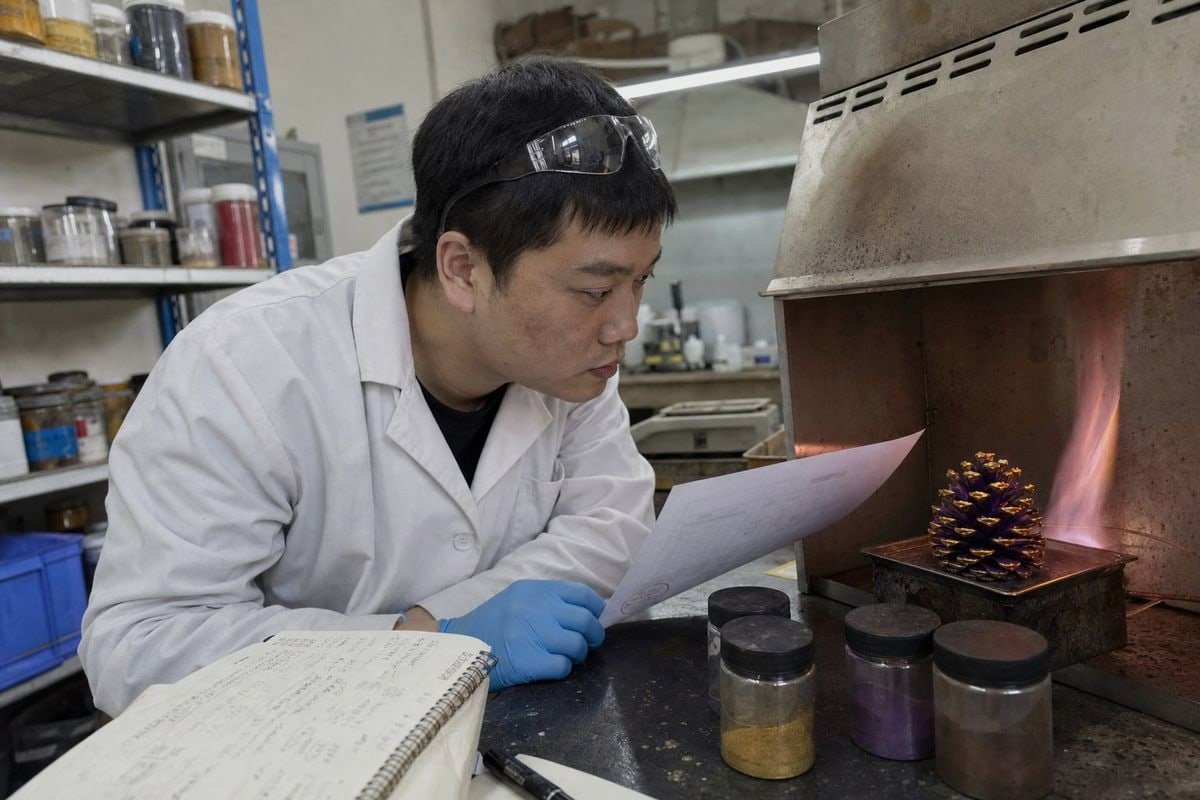
La proceso de despacho de aduanas trata las piñas de pino de color a través de tres lentes a la vez: como producto vegetal, como bien de consumo químico tratado y como producto relacionado con el fuego. Cada lente exige su propia evidencia.
La lente de producto vegetal
Debido a que el material base es una piña de pino real, las autoridades de cuarentena se preocupan por las plagas. El Certificado Fitosanitario emitido por la Administración General de Aduanas de China certifica que las mercancías están libres de plagas de cuarentena. Si las piñas conservan corteza, muchos destinos también quieren un Certificado de Fumigación 4 o registro de tratamiento térmico que demuestre que se eliminaron los insectos barrenadores de la madera. No confunda esto con las marcas ISPM 15 en paletas de madera: eso cubre el embalaje, y es posible que necesite ambos.
La lente de producto químico y de chimenea
La Hoja de Datos de Seguridad del Material 5 debe enumerar los colorantes reales utilizados. Nuestras fórmulas utilizan sales minerales ecológicas sin productos químicos nocivos, pero la SDS aún existe y aún viaja con cada envío, porque su transitario y su agente de aduanas la necesitan para confirmar que las mercancías no están clasificadas como mercancías peligrosas según las normas IMDG o IATA.
Documentos específicos del destino
| Mercado | Documentos adicionales clave | Por qué importa |
|---|---|---|
| Estados Unidos | Declaración Lacey Act (Formulario PPQ 505) con género y especie; Revisión Prop 65 para California | Demuestra la recolección legal de plantas; evita sanciones por etiquetado |
| Unión Europea | Evidencia EN 1860-3 si se vende como encendedor de fuego; archivos relacionados con CE; etiquetas GHS | Estándar de seguridad para encendedores de fuego y etiquetado químico |
| Australia / Canadá | Estricta revisión de bioseguridad del Certificado Fitosanitario | Las importaciones botánicas enfrentan una intensa revisión de cuarentena |
Confirme también la clasificación del Código HS con anticipación: las plantas tratadas teñidas suelen caer bajo 0604.90, y la descripción en la Factura Comercial debe decir "teñido" o "tratado", porque los aranceles e impuestos de importación fluyen directamente de esa clasificación.
¿Cómo puedo confirmar que los documentos de exportación de mi proveedor coinciden con el lote de producción real?
El compromiso que más peso con frecuencia es la velocidad frente a la trazabilidad. Es más rápido reutilizar la documentación de la temporada pasada, pero asignamos a cada lote de piñas de pino de color su propio número de lote precisamente para que los compradores nunca tengan que confiar en documentos reciclados.
Haga coincidir los números de lote en los documentos: el código de lote en las cajas debe aparecer en la lista de empaque, el informe de inspección de control de calidad y los registros de tratamiento. Verifique las cantidades con la factura comercial y el conocimiento de embarque, y utilice una inspección previa al envío para verificar los productos físicos con la documentación.
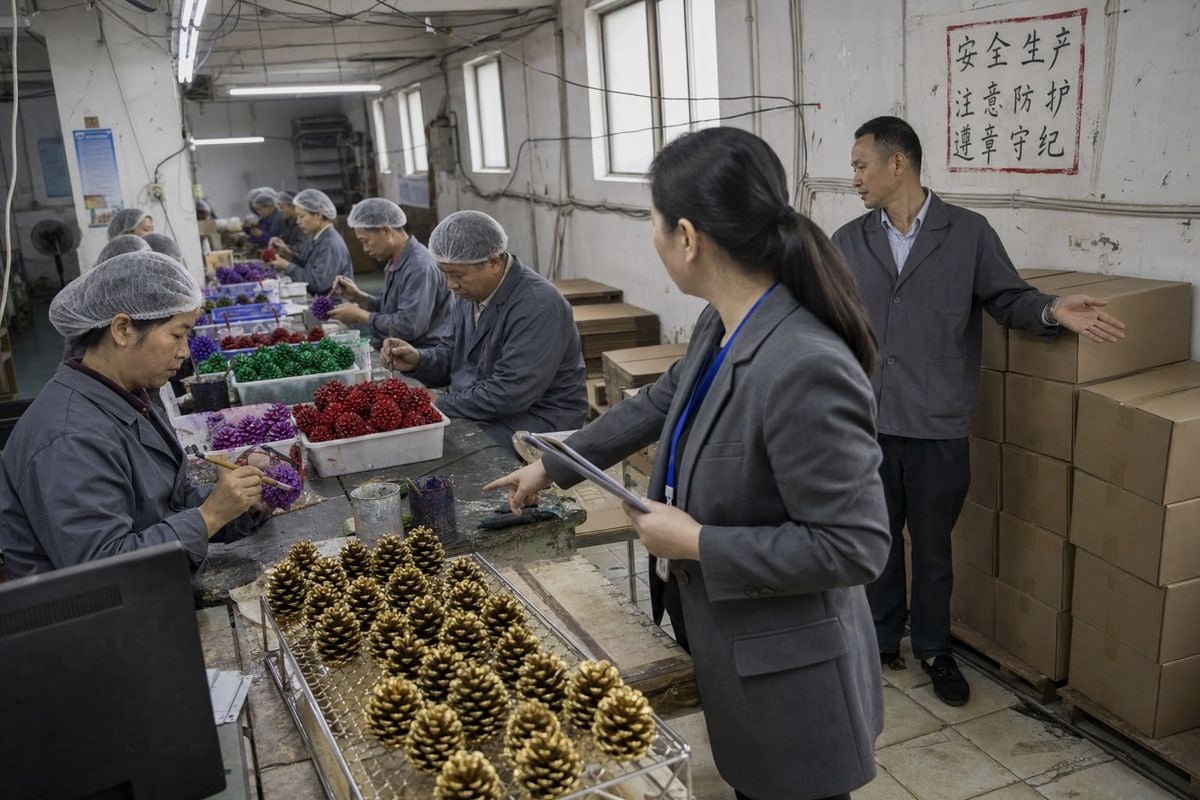
El fraude documental rara vez es dramático. Más a menudo es perezoso: un proveedor adjunta un Certificado de Fumigación genuino pero desactualizado de un envío anterior, o un informe de prueba de un lote de muestra que utilizó una receta de colorante diferente. La solución es una simple rutina de referencia cruzada que puede ejecutar antes de liberar el pago final.
Una rutina de verificación de cinco pasos
- Solicite primero el número de lote o partida. Antes de que lleguen los documentos, pregunte de qué lote de producción proviene su pedido. En nuestra fábrica, este código está impreso en cada caja de exportación y se registra contra la entrada de materias primas.
- Verifique las fechas en busca de una secuencia lógica. La fecha de fumigación o tratamiento térmico debe ser posterior a la producción y anterior a la Conocimiento de embarque 6 fecha. Los certificados fechados meses antes de la producción son señales de alerta.
- Verifique las cantidades. El recuento de cajas de la Lista de Empaque, la cantidad de la Factura Comercial y el peso del Conocimiento de Embarque deben conciliarse. Una discrepancia de incluso unas pocas cajas merece una pregunta.
- Tie the quality control inspection to the lot. A pre-shipment inspection report from a third party should photograph carton markings, so you can see the lot number with your own eyes.
- Verify certificate authenticity at the source. Phytosanitary Certificates carry reference numbers that GACC channels can confirm, and SGS or Intertek reports can be validated directly with the lab.
This routine takes perhaps an hour per shipment. Compared with a container held in quarantine for three weeks, it is the cheapest insurance in this business. When a Dutch buyer of ours started running this check, he told me it also improved his conversations with every other supplier he used — because suppliers behave differently once they know you actually read the paperwork.
¿Qué documentación debo solicitar para proteger mis derechos de marca privada y de embalaje?
A lesson we learned early in our OEM work: a buyer's brand is only as safe as the paper trail behind it. One client came to us after a previous supplier quietly sold his branded kraft pouches to a competitor.
Solicite un acuerdo escrito OEM/ODM que cubra la exclusividad, una carta de autorización de marca que confirme su derecho a la marca comercial en las declaraciones de exportación, registros de aprobación de arte de embalaje, cláusulas de propiedad de herramientas y diseño, y un NDA. También mantenga registros de etiquetas de advertencia, códigos de barras y arte GHS que aprobó.
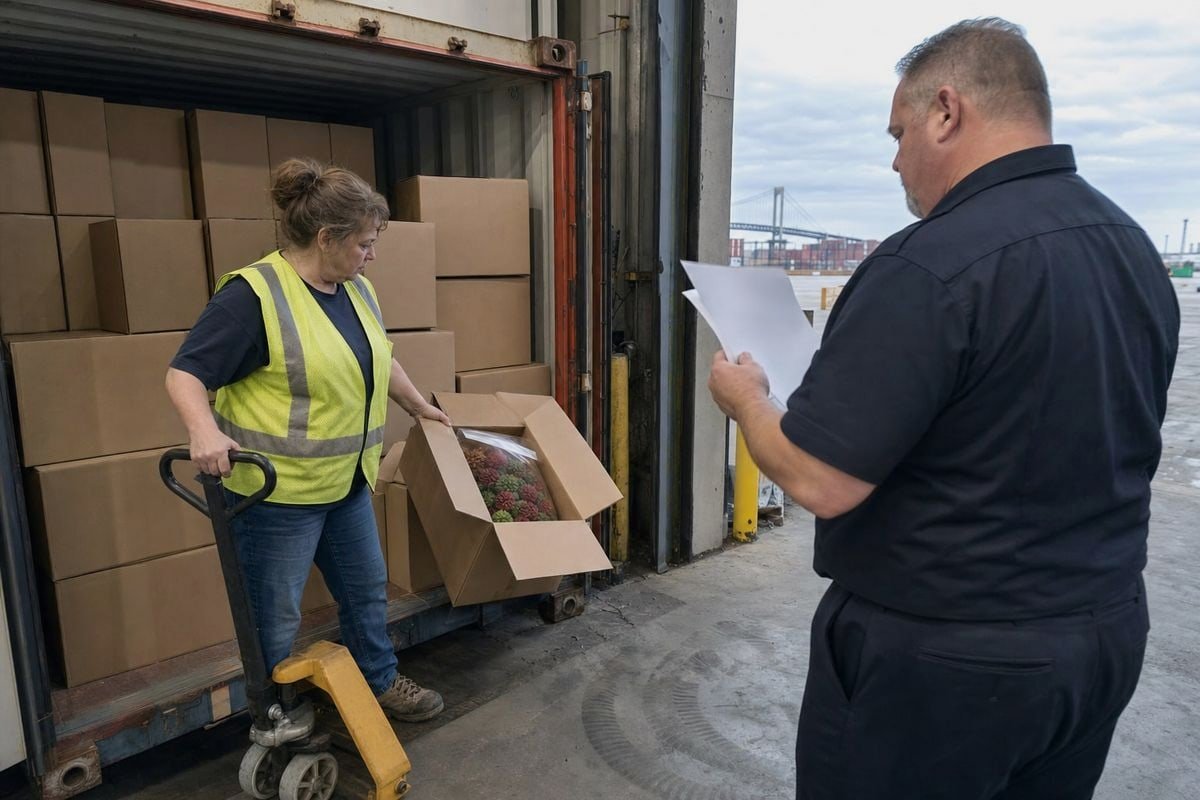
Private-label protection is not one document. It is a small stack of agreements that together answer three questions: who owns the design, who may produce it, and who may export it under your name.
The core private-label paper stack
| Documento | What it protects | When to sign it |
|---|---|---|
| OEM/ODM manufacturing agreement | Exclusivity, specifications, tolerances, remedies | Before tooling or artwork begins |
| Brand authorization letter | Your trademark's legal use on China export filings | Before the first branded shipment |
| Artwork approval records | Exact packaging, warning labels, barcodes, GHS pictograms | At every artwork revision |
| Disparadores de salida de rendimiento | Formulas, packaging designs, market plans | At the sampling stage |
| Design/tooling ownership clause | Custom pouch dies, display boxes, printed sacks | Inside the OEM agreement |
Why the export side matters too
Here is a detail many buyers miss. When branded goods leave China, the export declaration can be checked against trademark records 7. If your supplier cannot show authorization to export your brand, shipments can be questioned at origin — before they ever reach your market. We keep signed brand authorization letters on file for every private-label client, from custom drawstring burlap sacks to stand-up resealable pouches with clear windows, so the customs broker never has to guess.
Also archive your approved artwork versions with dates. Warning labels, Prop 65 text, barcodes, and burn instructions change over time. If a dispute ever arises about which label version shipped, your dated approval email plus the pre-shipment inspection photos settle it in minutes. On our side, we lock artwork files per purchase order, which means batch three looks identical to batch one — and your retail buyers notice that consistency on the shelf.
Conclusión
Missing paperwork turns a colorful product into a costly delay. Request the core shipping set, the botanical and chemical certificates, batch-matched reports, and branding agreements — before you pay, not after.
Notas al pie
1. Authoritative Wikipedia entry for the quality management standard, avoiding 403 errors on the official site. ↩︎
2. Official website for the Business Social Compliance Initiative (amfori BSCI). ↩︎
3. Explains this botanical export document required to certify freedom from quarantine pests. ↩︎
4. USDA APHIS plant health resource relevant to fumigation and wood-boring insect treatment records. ↩︎
5
 English
  Spanish
  German
  French
  Arabic
  Portuguese
Únete a la conversación