






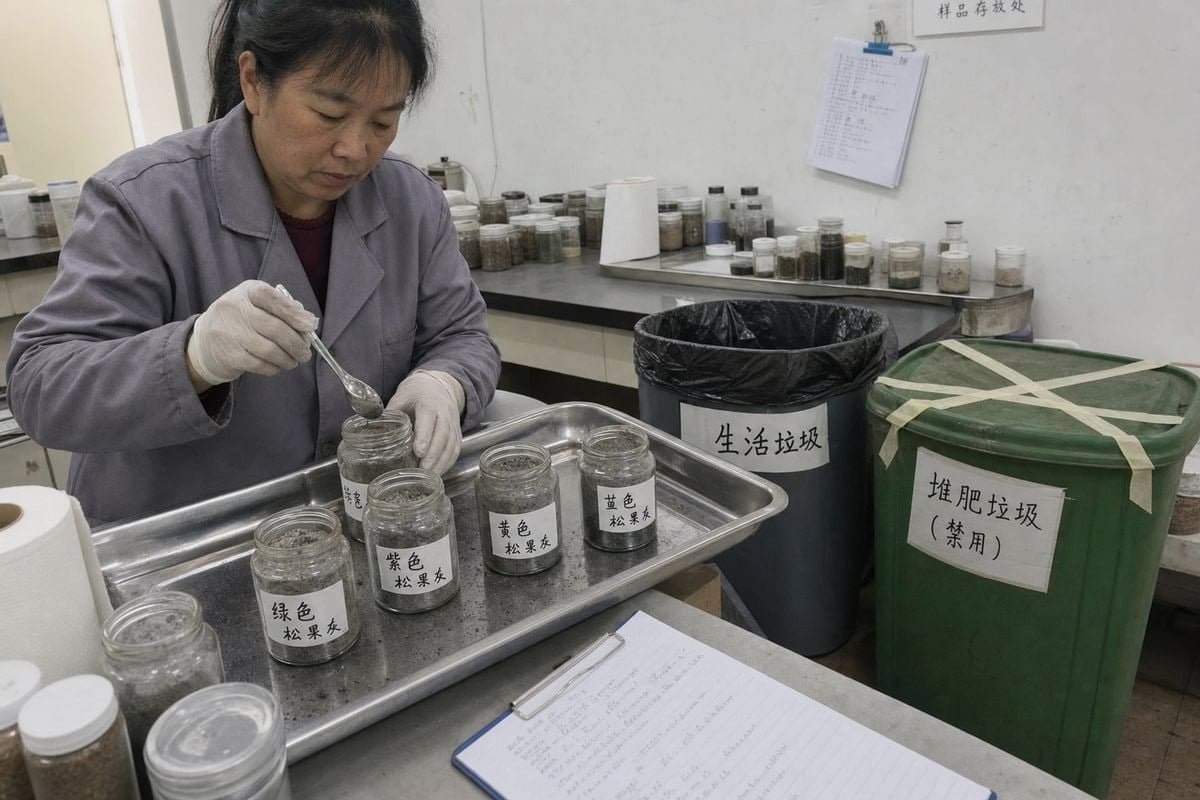
Buyers keep asking me whether ashes from fireplace-colored pine cones can go into garden soil. Guess wrong, and your brand faces returns, complaints, or worse. Our factory answers this daily.
Ashes from fireplace-colored pine cones should not be treated like ordinary wood ash. Unless the manufacturer confirms the colorant formula and provides third-party test reports, keep this ash out of compost and edible gardens and dispose of it as household waste.
That is the short answer. The longer answer depends on chemistry, compliance, and honest labeling. Let me walk you through all four, from the factory floor up.
What chemicals are used in your color-flame pinecones that could affect ash safety?
Last winter, a German distributor sent our QC team a one-line email: "What exactly is in the ash?" It was the right question, and we opened our formulation files to answer it.
Color-flame pinecones create colors using metal salts, such as copper compounds for blue-green and strontium or lithium compounds for red. These salts do not burn away; they remain concentrated in the ash. That leftover mineral residue is the core reason colored-cone ash differs from plain wood ash.
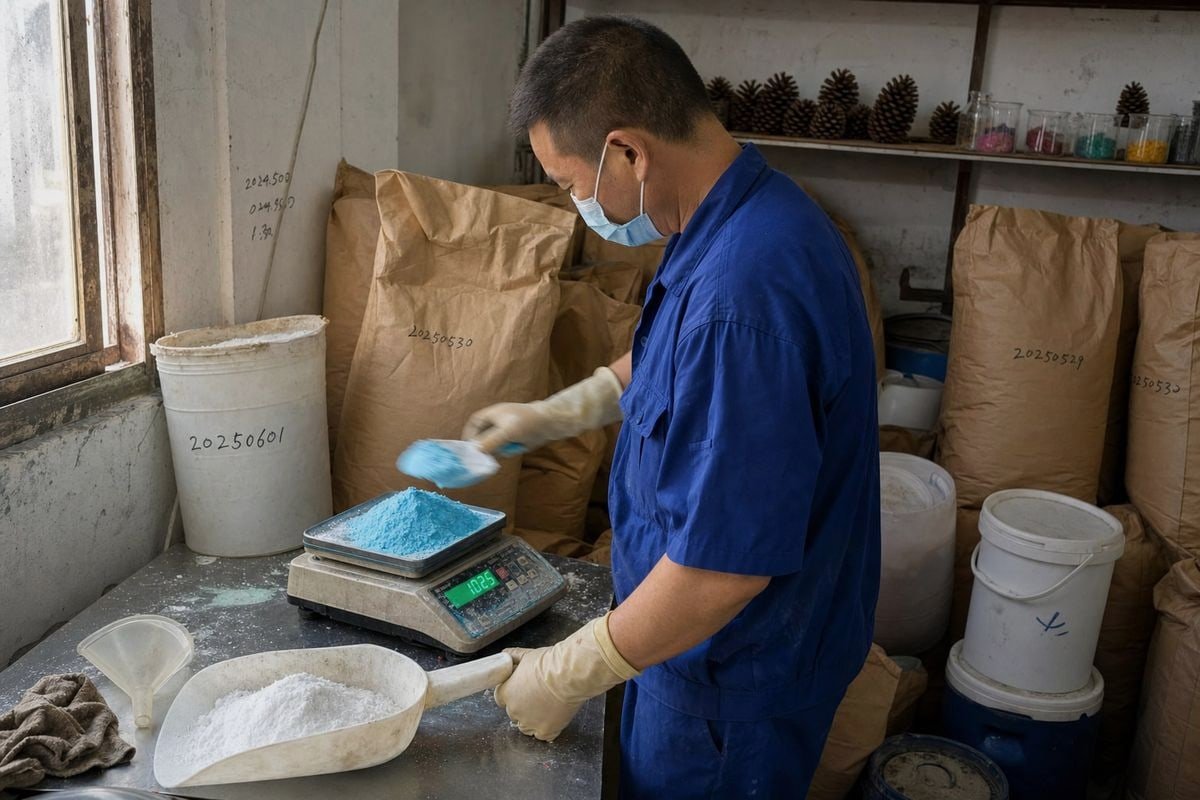
Fire does not make chemistry disappear. It only transforms it. When a natural pine cone burns, you get mostly carbon, calcium, and potassium. When a color-flame product burns, the colorant metal salts stay behind in mineral form. So the ash is no longer just biomass residue. It is biomass residue plus a concentrated dose of whatever created the color.
The typical colorant palette
Across the industry, flame colors come from a fairly standard set of compounds. Here is what buyers should know about each.
| Flame Color | Common Colorant | Ash Concern |
|---|---|---|
| Blue / Green | Copper salts (e.g., copper sulfate) | Copper sulfate toxicity 1 to earthworms and soil fungi |
| Red | Strontium or lithium salts | Bioavailable metal salts in alkaline ash |
| Yellow-Green | Borax / boric acid | Boron is toxic to plants at low doses |
| Purple | Potassium-based mixes | High soluble salt load, osmotic root stress |
Our own Magic Fire formulations avoid the harshest legacy chemicals, and every batch is screened under SGS or Intertek protocols. But I still tell buyers the honest truth: even a cleaner formula leaves mineral residue. Copper-based colorants 2, in particular, act as fungicides in soil. Boron residues can stunt seedlings at surprisingly small amounts. And some cheap chemical fire starters on the market also use paraffin binders that leave clinkers or sooty fragments in the ash.
That is why the label matters more than the fact that it came from a fire. Ash safety starts with formulation transparency, not with hope.
How can I verify these products meet compliance standards for garden or compost use?
There is a trade-off we weigh on every new SKU: a brighter flame formula versus a cleaner residue profile. Verifying that balance is exactly what compliance documentation exists to do.
Verify compliance by requesting third-party test reports from labs like SGS or Intertek, confirming the exact colorant list against your market's regulations, and checking for heavy metal screening. Note that fire-product certifications cover burning safety, not soil use, so ash-to-garden claims need separate evidence.
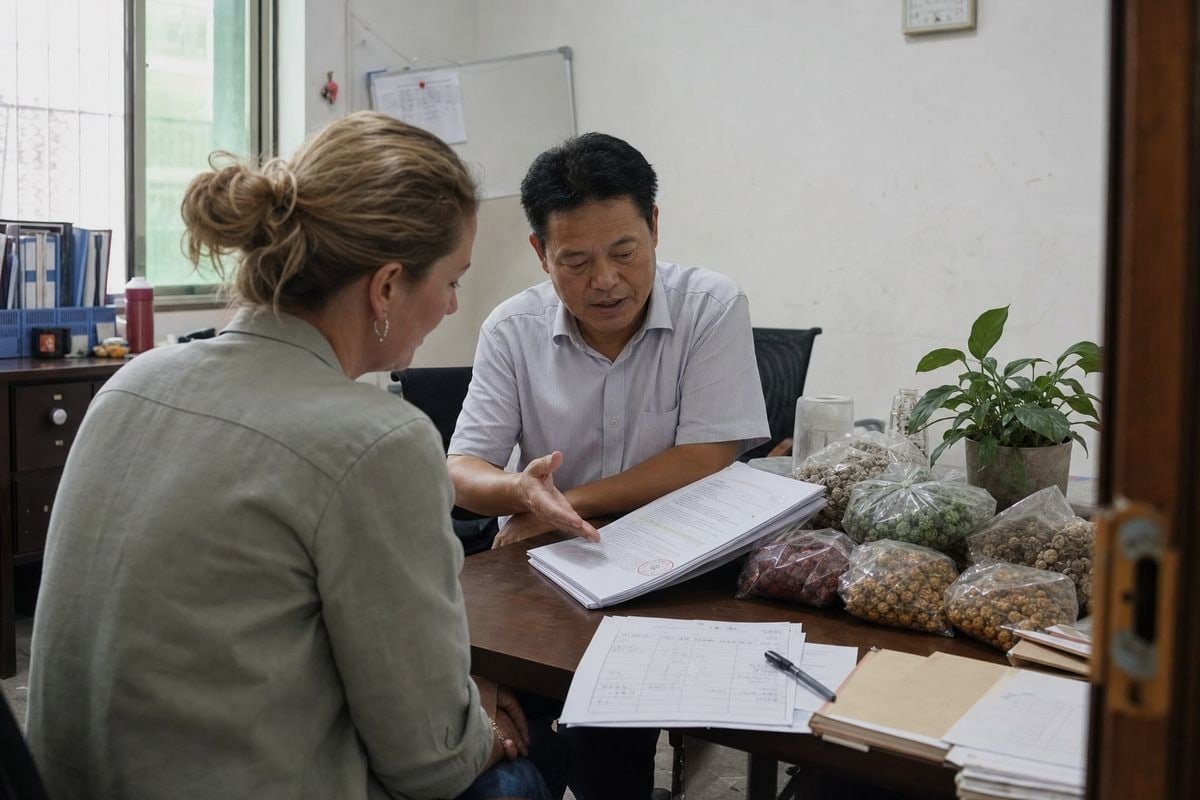
Here is the nuance most importers miss. A CE mark 3 or an SGS report tells you the product is safe to sell and burn. It does not tell you the ash is safe to spread on lettuce beds. Those are two different regulatory questions, and no mainstream standard currently certifies "flame-color ash for compost."
A practical verification checklist
When our purchasing-manager clients audit us, this is the sequence we recommend:
- Request the full ingredient declaration, not just an MSDS summary.
- Ask for recent third-party reports covering heavy metal contamination screening.
- Confirm the factory holds ISO 9001 and BSCI, so batch-to-batch consistency is audited, not promised.
- Cross-check colorants against restricted-substance lists in your destination market.
- Ask directly, in writing, whether the maker endorses ash use in soil. Most will not, and that answer belongs in your product documentation.
What each document actually proves
| Document | What It Verifies | What It Does NOT Verify |
|---|---|---|
| SGS / Intertek test report | Chemical composition, heavy metal screening | Long-term soil behavior of ash |
| CE certification | Product safety for the EU market | Compost or garden suitability |
| ISO 9001 / BSCI | Consistent production and ethical factory audits | Formulation toxicity |
| Organic input listing | Acceptance under organic gardening standards 4 | Almost no flame-color product holds this |
In our 17-plus years exporting to the US, Germany, and the UK, no buyer has ever regretted asking for one document too many. Several have regretted asking for one too few, usually after a retailer's compliance desk froze a shipment. Under organic gardening standards, treated wood residue and colored-fire ash are excluded inputs, so any garden-use claim without lab backing is a liability, plain and simple.
Should I warn my customers before using this ash in compost or soil?
A Canadian fireplace brand once pushed back on our warning-label suggestion. They worried it made the product look dangerous. Six months later, they thanked us, because informed customers complain less.
Yes. You should clearly warn customers not to use colored pine cone ash in compost, vegetable beds, or soil. A short label statement protects consumers from toxic residue in compost, protects your brand from liability, and costs almost nothing to print.
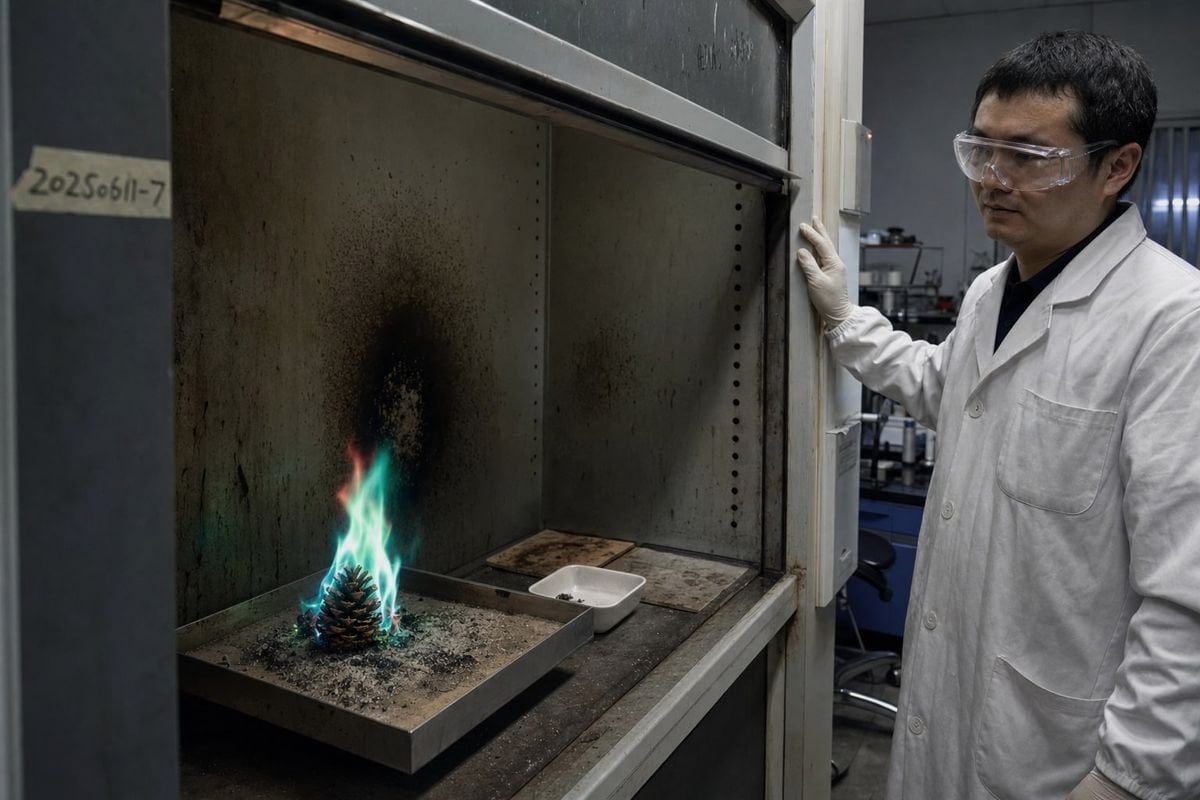
Compost is not a detox system. Many homeowners believe a compost pile will neutralize mystery chemicals, but microbes cannot break down metal salts. Copper stays copper. Boron stays boron. If anything, compost concentrates these elements and then delivers them straight to plant roots, where alkaline conditions can make metals more bioavailable and interfere with plant nutrient uptake.
There is also the pH problem, which applies even to clean wood ash. Ash typically sits at pH 10 to 12. Dumping it into a garden spikes soil pH levels fast, locking out iron and phosphorus and punishing acid-loving plants like blueberries and rhododendrons. Add colorant salts on top of that, and you risk salt burn on roots plus harm to earthworms and nitrogen-fixing bacteria 5. Rain then carries the residue further through environmental leaching into groundwater or nearby beds.
What the warning should say
Keep the label wording simple and non-alarming. We help our private-label clients print variations of this on retail packaging:
- Do not use ash in compost, gardens, or potted plants.
- Let ash cool completely for 48 hours in a metal container.
- Dispose of cooled ash with regular household waste.
- Wear gloves when handling; ash is caustic to skin and eyes.
One honest sentence on a bag prevents a hundred awkward customer-service emails. That is a trade every brand should make.
What certifications or test reports can you provide to support ash safety claims?
Early in our export history, we learned a hard lesson: a beautiful sample without paperwork does not clear customs desks or retail compliance reviews. Documentation is the product, as far as buyers are concerned.
A credible supplier should provide ISO 9001 and BSCI factory certifications, CE marking for the EU, and current SGS or Intertek test reports covering composition and heavy metal screening. No standard certification exists for ash-in-garden use, so honest suppliers will say so directly.
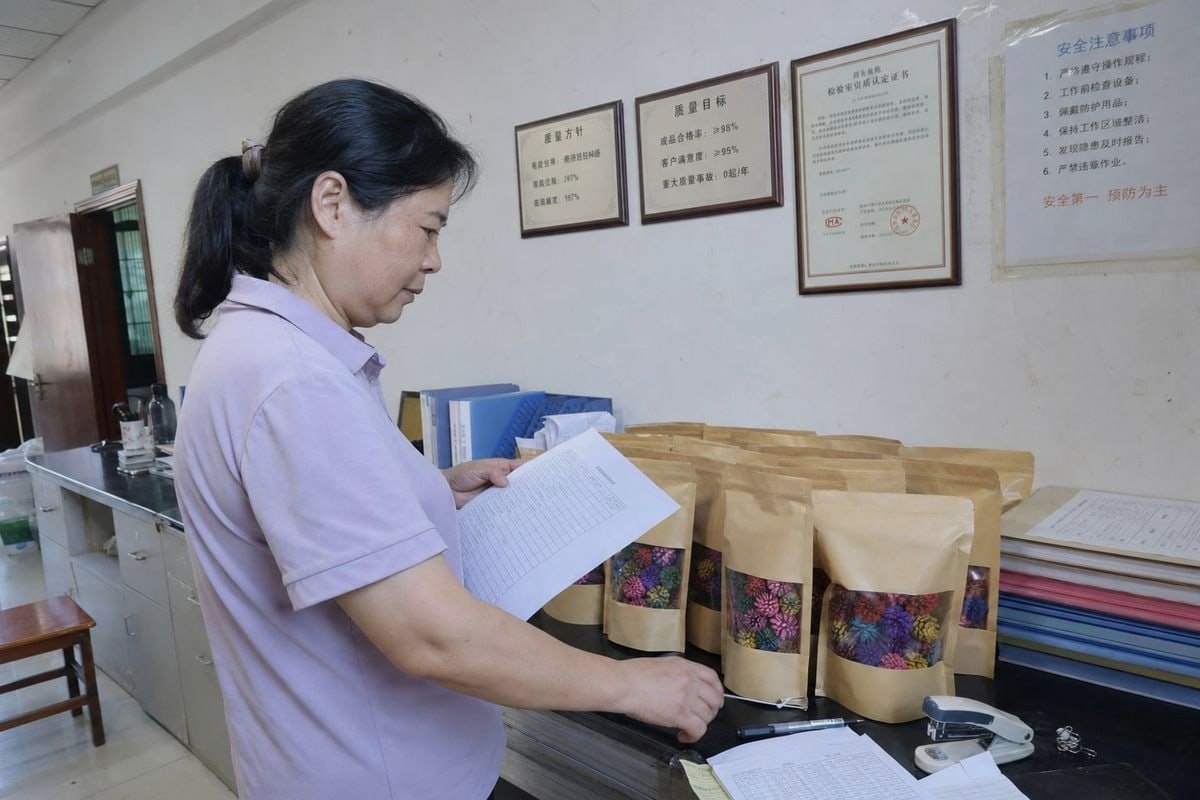
Let me be specific about what we hand over, because vague promises are exactly what you should distrust in this category. Our factory in Ningbo runs complete production lines under ISO 9001 quality management, audited under BSCI for social compliance. Every color-flame pinecone batch is produced to a documented formulation, and we commission SGS or Intertek testing so buyers hold reports from labs their own retailers already recognize.
What we can and cannot certify
Honesty here is a differentiator, not a weakness. Here is how we frame it for purchasing managers:
| Claim | Can We Support It? | Supporting Evidence |
|---|---|---|
| Product is safe to burn as directed | Yes | CE marking 6, SGS/Intertek reports |
| Formula avoids restricted harmful chemicals | Yes | Ingredient declaration, lab screening |
| Batch quality matches the approved sample | Yes | ISO 9001 QC records, 17+ years of production data |
| Ash is certified safe for compost or gardens | No | No international standard certifies this claim |
That last row matters most. Any supplier who promises "garden-safe ash" without a recognized standard behind it is selling you future liability. Our position, refined across 30-plus export markets, is conservative on purpose: we certify the burn, we document the chemistry, and we recommend household-waste disposal for the ash. For OEM and private-label clients, we go one step further, printing compliant warning text, barcodes, and disposal icons directly on custom packaging so the product arrives shelf-ready. When your compliance desk asks for proof, you forward a real lab report, not a marketing sentence. That is the standard this product category deserves.
Conclusion
Colored pine cone ash is not ordinary wood ash. Keep it out of compost and soil, demand real test reports, warn your customers, and partner with suppliers who document everything.
Footnotes
1. Explains copper sulfate's environmental toxicity, supporting the ash contamination claim. ↩︎
2. Explains why copper compounds act as fungicides and persist as soil-toxic residue. ↩︎
3. Clarifies what CE marking certifies versus soil-safety claims discussed in the text. ↩︎
4. Wikipedia background on organic standards clarifies excluded inputs referenced in article. ↩︎
5. Authoritative health science source relevant to soil microbiology harm claim. ↩︎
6. Official EU source verifies CE marking requirements mentioned for compliance. ↩︎
 English
  Spanish
  German
  French
  Arabic
  Portuguese
Join the Conversation