






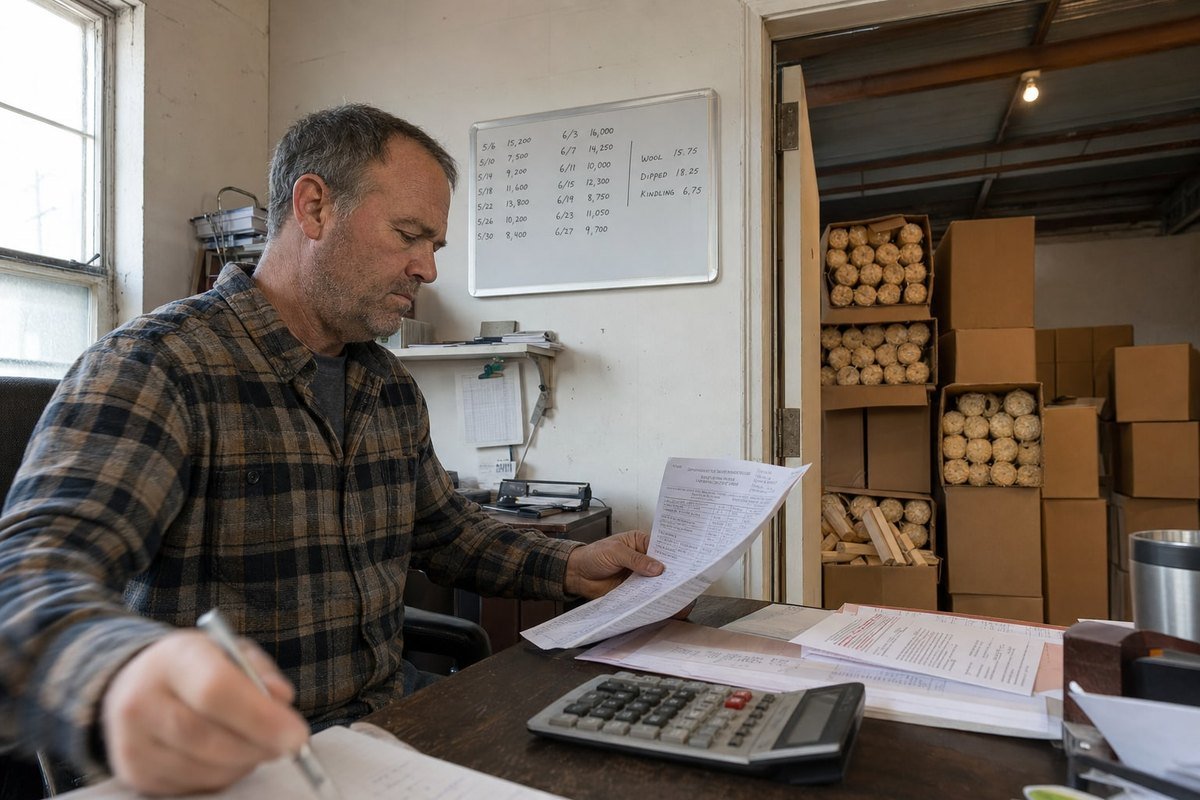
Financing tools for wholesale buying wood fire starters are a topic I hear about weekly, because our factory ships wax-dipped wood rolls to importers who all face the same squeeze.
The best financing tools for wholesale buying wood fire starters are purchase order financing before shipment, inventory financing and a working capital line of credit while stock sits, invoice factoring after delivery, plus negotiated trade credit and smaller trial orders to reduce upfront cash needs.
Each tool fits a different stage of the buying cycle. Below, I break down where the cash gets trapped and which option releases it, based on what I see across our 30+ export markets.
What financing options can I use to cover MOQ costs on my first wood fire starter order?
A first-time buyer from Poland once told me his bank approved his loan two weeks after our production slot closed. That timing problem is exactly why financing choice matters on a first order.
To cover MOQ costs on a first wood fire starter order, buyers typically use purchase order financing, a short-term working capital loan, B2B buy-now-pay-later platforms, or a business line of credit. PO financing fits best when you already hold a confirmed customer order awaiting fulfillment.
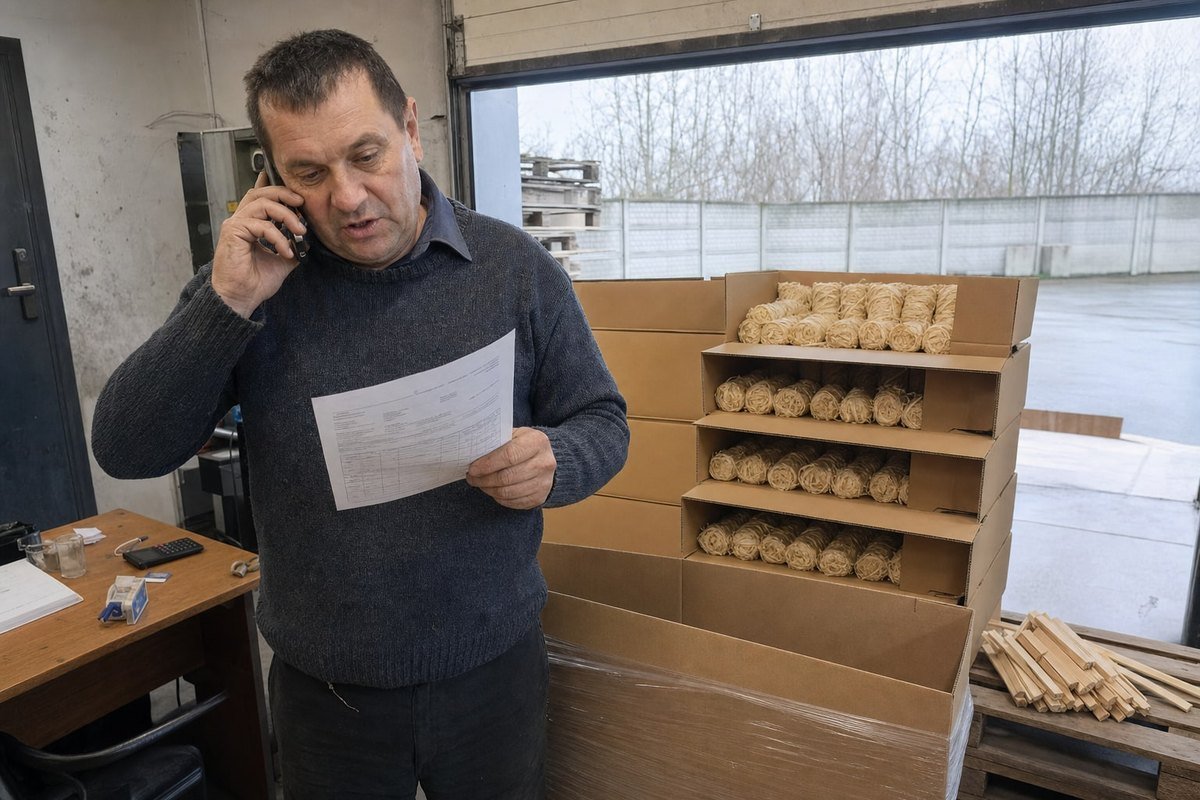
Your first order is the hardest one to finance. You have no track record with the supplier, no receivables from this product line, and often a deposit due before production even starts. In our export work, most first orders follow a 30% deposit and 70% before-shipment structure. That means your cash leaves your account weeks before a single carton lands in your warehouse.
So which tool fits? It depends on what you already have in hand.
Match the tool to what you can show a lender
| Financing Tool | What You Need to Qualify | Best For |
|---|---|---|
| Purchase order financing 1 | A confirmed order from a creditworthy customer | Fulfilling a retailer PO you cannot self-fund |
| Working capital loan 2 | Operating history and revenue | A defined lump sum for deposit plus freight |
| Business line of credit | Steady financials, decent credit | Flexible draws for deposit, balance, and duty |
| B2B BNPL platforms | Basic business verification | Splitting a mid-size order into installments |
Purchase order financing is the strongest fit when a retailer has already committed to buying your fire starters. The lender pays the supplier, and repayment comes when your customer pays you. It essentially lets demand fund itself.
If you have no confirmed downstream order yet, a working capital loan or line of credit is more realistic. Just be careful with sizing. Your true landed cost includes the goods, ocean freight, insurance, duties, and inland delivery. I have watched buyers finance only the FOB value and then scramble to cover freight when rates spiked mid-season. Budget the full landed cost, then add a buffer of roughly 10–15% for surprises.
One more angle: ask your supplier about MOQ flexibility 3 before borrowing at all. We regularly adjust MOQs for serious first-time buyers, because a smaller compliant first order beats a large financed order that strains the relationship.
How can flexible payment terms with my manufacturer help me manage seasonal cash flow gaps?
Every August, our Ningbo production lines run at full tilt because European and North American distributors are stocking for the October-to-February burn season. Payment terms decide who can actually place those pre-season orders.
Flexible manufacturer payment terms — such as staged deposits, net-60 payment terms, or vendor financing — shift cash outflow closer to your selling season. This shortens your cash conversion cycle, reduces borrowing needs, and lets you order peak-season inventory before revenue arrives.
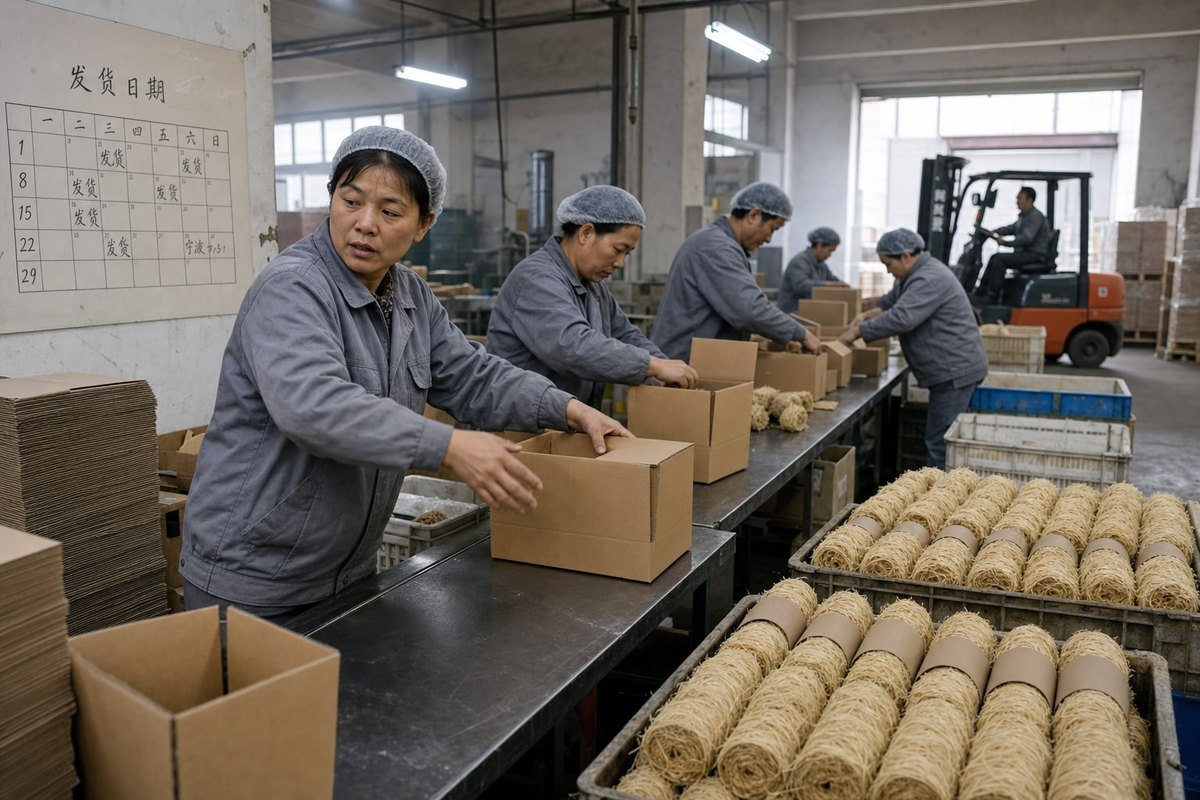
Wood fire starters are brutally seasonal in most markets. You buy in summer, sell hard from autumn through late winter, and coast through spring. The cash gap is widest exactly when you place your biggest order. Supplier payment terms are the cheapest financing you will ever get, because trade credit 4 from a manufacturer usually carries no interest at all.
Here is how the timeline typically works, and where terms change the picture.
The seasonal cash timeline
- June–July: You place the bulk order and pay a deposit.
- August–September: Production, balance payment, and ocean shipping.
- October–December: Peak sell-through to retailers and marketplaces.
- January–March: Retailers pay on their net terms; you finally collect.
Without flexible terms, steps one and two drain your account four to six months before step four refills it. With staged payments or vendor financing, the outflow moves closer to the inflow. Some suppliers advance the goods and give buyers 30 to 90 days to repay, which can carry you almost into your selling window.
In our own practice, terms are earned, not given. First orders run on standard deposits. After two or three clean cycles — payments on time, no disputes — we discuss staged structures or partial credit for repeat buyers. This is normal across serious factories. A supplier who offers generous terms to a stranger is often pricing that risk into the goods.
Two negotiation tips from the factory side. First, order early. Off-peak production slots give the supplier scheduling value, and that value can be traded for better terms or bulk purchase discounts 5. Second, be transparent about your sell-through plan. When a buyer shows us their retail commitments, extending terms feels like shared planning rather than one-sided risk. Larger buyers can also explore reverse factoring, where a bank pays the supplier early based on the buyer's stronger credit rating — a supply chain finance structure that helps both sides.
Should I consider trade credit or letters of credit when importing wood firestarters in bulk?
A German distributor once insisted on a letter of credit 6 for his first container with us, then switched to open-account terms by his third order. That progression tells you almost everything about how these two tools relate.
Use a letter of credit for early bulk imports when trust is unproven — it protects both sides through bank guarantees. Shift to trade credit once the relationship matures, because net terms are cheaper, faster, and free up working capital better than LC fees and collateral.
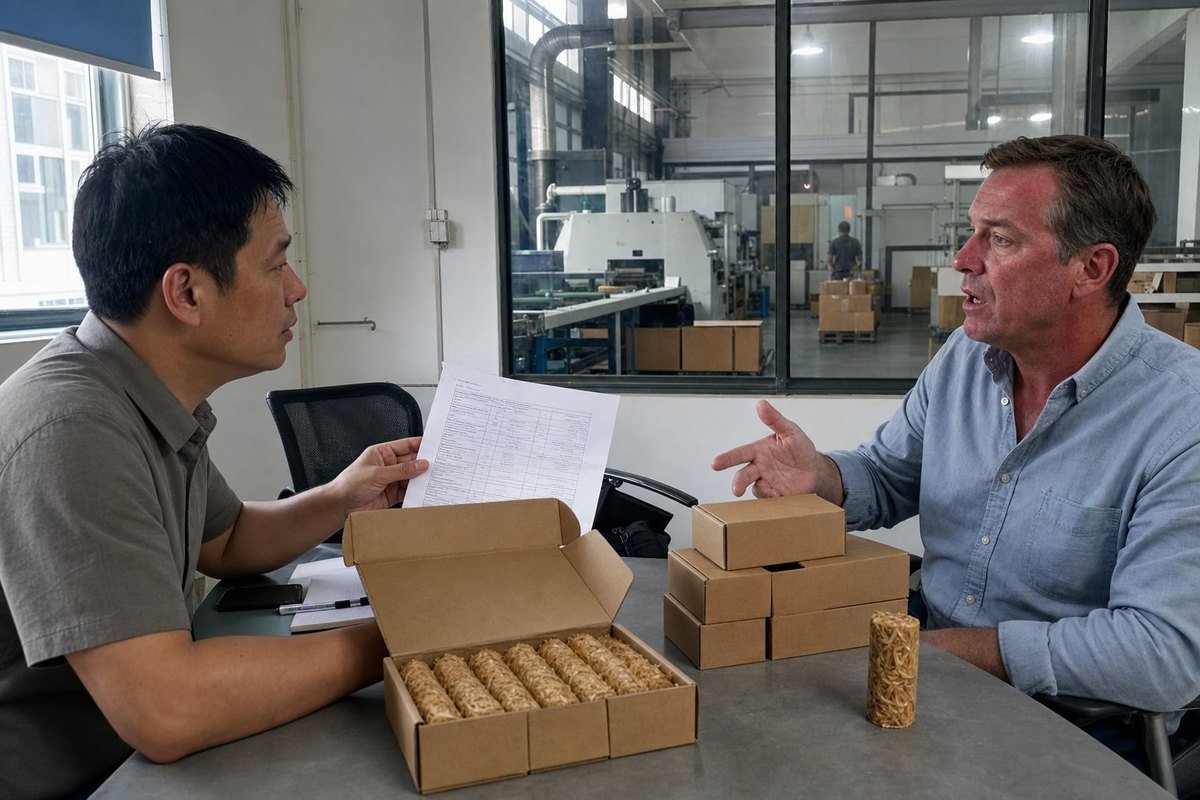
These two instruments solve different problems, so comparing them directly helps.
Trade credit vs. letter of credit at a glance
| Factor | Trade Credit (Net Terms) | Letter of Credit |
|---|---|---|
| Cost to buyer | Usually free | Bank fees, often 0.5–2% plus charges |
| Cash flow impact | Excellent — pay after shipment or later | Cash or credit line often tied up as collateral |
| Risk protection | Low — relies on supplier trust | High — bank pays only against compliant documents |
| Speed and admin | Simple | Document-heavy, strict compliance needed |
| Best stage | Established relationships | First large orders, new supplier relationships |
A letter of credit is essentially rented trust. Your bank promises payment; the supplier ships knowing funds are secured; you know payment releases only when shipping documents match the agreed terms. For a first 40-foot container of fire starters from a new overseas supplier, that protection can be worth the fees. From our side of the table, we accept LCs for larger new accounts — the documentation discipline is routine for a factory that already manages SGS and Intertek test reports, CE marking, and export paperwork daily.
But LCs age poorly. The fees repeat on every order. Discrepancy charges bite when a document has a typo. And your bank may freeze part of your credit line as collateral, which quietly shrinks the working capital line of credit you wanted for other inventory.
Trade credit is where mature relationships land. Open-account net-60 payment terms 7 cost you nothing and let you sell part of the shipment before paying for it. The practical path most of our long-term buyers follow: LC or documentary terms for the first one or two bulk orders, then a negotiated shift to partial open account, then full net terms. Meanwhile, on the receivables side, invoice factoring can convert your outstanding retailer invoices — often at 85–95% of face value — into immediate cash for the next bulk purchase, and asset-based lending can combine inventory and receivables to secure larger limits as you scale.
Can smaller trial orders help me test demand before committing to larger wholesale financing?
The healthiest accounts on our books almost all started small. One US camping brand began with a single pallet of our wax-dipped wood rolls three years ago; they now book container volumes every autumn — and finance them with confidence, because they have real sell-through data.
Yes. Smaller trial orders validate demand, pricing, and sell-through velocity with minimal capital at risk. The resulting sales data then strengthens applications for inventory financing, credit lines, or PO financing, and often unlocks better supplier terms for the larger follow-up order.
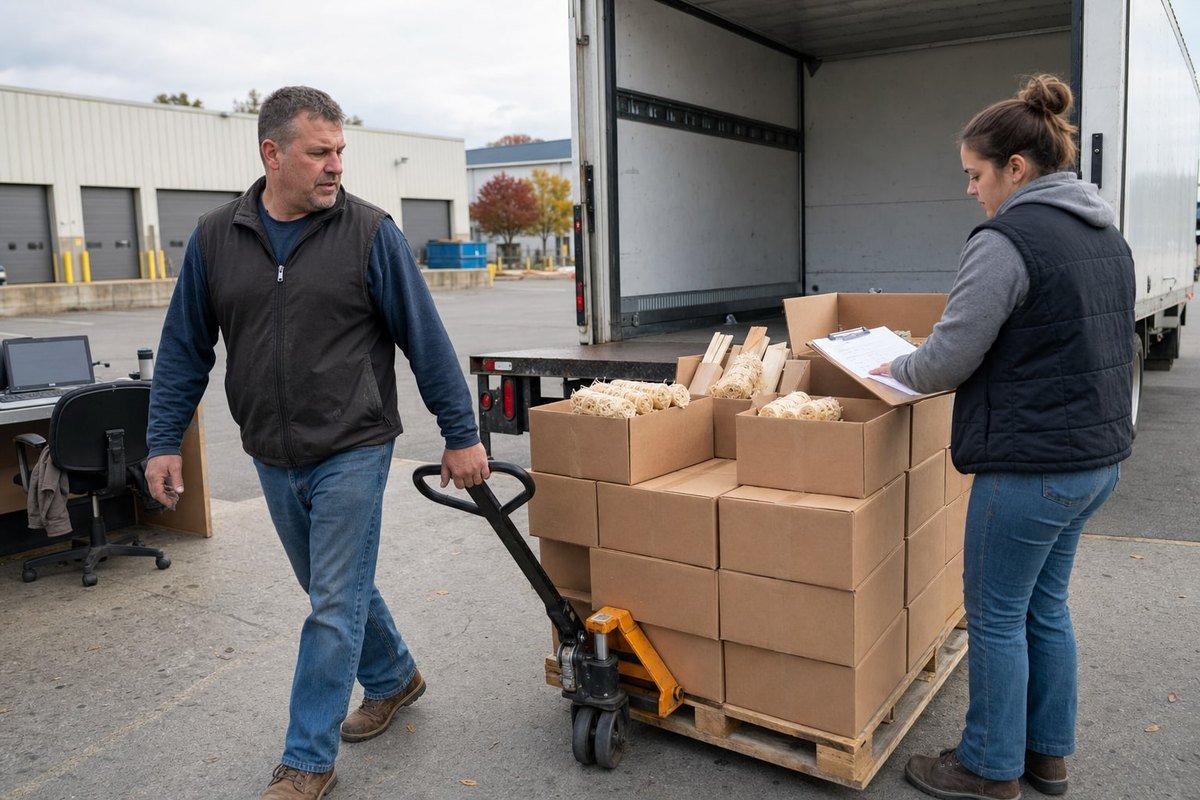
Financing amplifies whatever decision you make. If the product sells, financing scales your win. If it stalls, financing scales your loss and adds interest on top. A trial order is how you find out which scenario you are in before the leverage kicks in.
What a trial order actually tests
- Sell-through speed: How many units move per week per retail door or listing.
- Price tolerance: Whether your target margin survives real shelf conditions.
- Compliance fit: Whether labeling, warning text, and certifications satisfy your retail channel.
- Logistics reality: True landed cost per unit at small volume, so you can model bulk savings accurately.
That last point matters for financing. Lenders offering seasonal inventory financing 8 or a credit line want evidence, not enthusiasm. Eight weeks of verified trial sales is far more persuasive than a projection built on hope. Several of our distributors have told me their banks approved larger facilities specifically because trial-order data proved the product turned quickly.
The trial-to-bulk financing ladder
| Stage | Order Size | Typical Financing | Goal |
|---|---|---|---|
| Trial | Small MOQ or single pallet | Own cash or BNPL | Validate demand and compliance |
| Repeat | Half to full container | Line of credit or vendor terms | Confirm reorder velocity |
| Scale | Full containers, pre-season | Inventory financing, PO financing, ABL | Capture bulk pricing and peak season |
There is a trade-off to acknowledge honestly. Small orders carry higher per-unit costs — you lose bulk purchase discounts and freight efficiency. Treat that premium as market research spend, not margin loss. From the factory side, we keep trial MOQs deliberately flexible and make sure the first sample and small run match mass-production quality exactly, because a trial that misrepresents the product tests nothing. Once your trial proves demand, you negotiate the bulk order, the private-label packaging, and the payment terms from a position of evidence rather than guesswork.
Conclusion
Cash gaps in wholesale fire starter buying are timing problems, not demand problems. Match the tool to the trapped-cash stage, earn supplier terms, and let trial data justify bigger financing.
Footnotes
1. Explains the underlying purchase order concept that this financing structure is built around. ↩︎
2. SBA is an authoritative government source detailing working capital loan programs for small importers. ↩︎
3. Alibaba.com is a leading wholesale sourcing platform where MOQ negotiation practices are common. ↩︎
4. WTO trade finance resource explains open-account trade credit within global commerce. ↩︎
5. Economies of scale concept explains why larger orders unlock bulk purchase discounts. ↩︎
6. Provides background on how letters of credit function as bank-guaranteed trade instruments. ↩︎
7. International Chamber of Commerce governs standard trade payment terms used in global business. ↩︎
8. International Trade Centre covers trade and inventory financing tools relevant to importers. ↩︎



Join the Conversation