






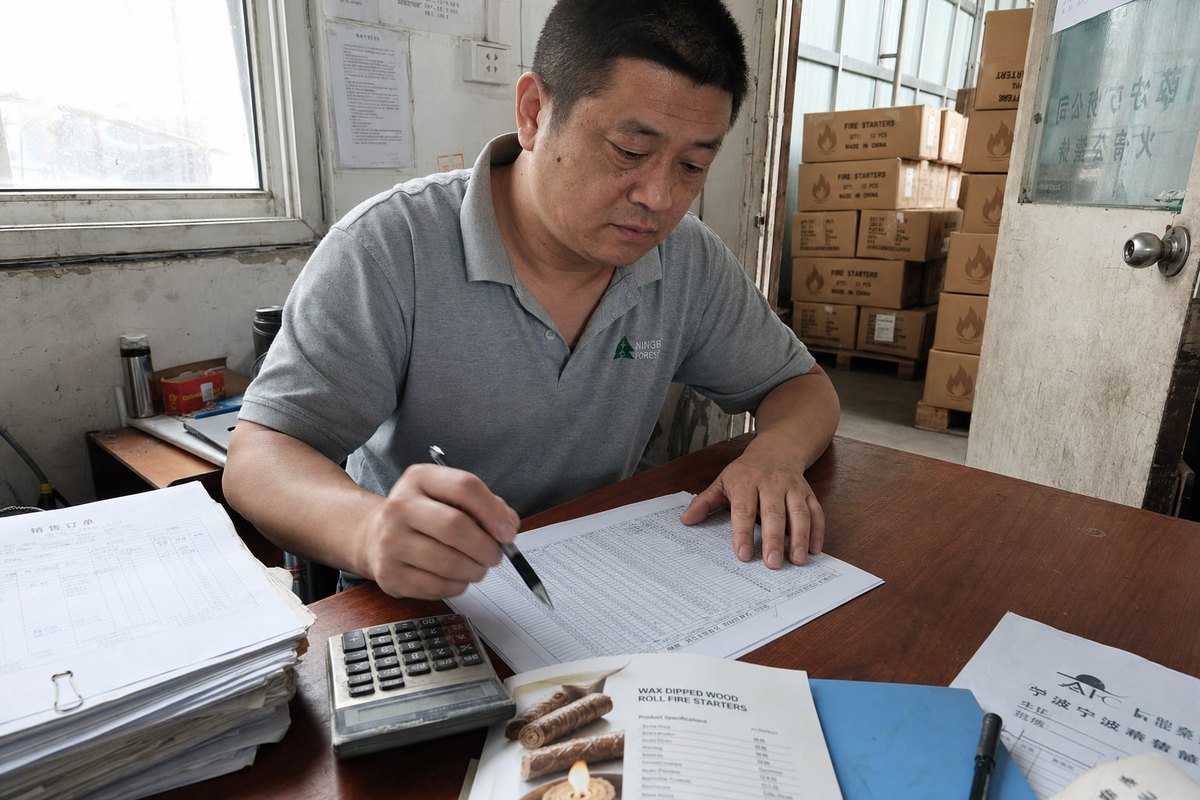
A supplier's MOQ requirement for wood fire starters can stall a promising deal fast. On our production line in Ningbo, I see buyers hit this wall every single month.
To handle a supplier's MOQ requirement for wood fire starters, first ask what drives the minimum, then negotiate levers such as a higher unit price, mixed SKUs, staggered deliveries, or standard packaging. Compare the MOQ against your demand forecast before accepting, renegotiating, or switching suppliers.
That short answer hides a lot of detail. Below, I break down what MOQs actually look like, how to negotiate them, and how to protect your margins along the way.
What MOQ Can I Expect When Sourcing Wood Fire Starters from a Certified Manufacturer?
Last spring, a German fireplace distributor emailed our team asking why our wood wool firelighters carried a carton-based minimum. The answer taught him more about MOQ logic than any price list.
Certified manufacturers of wood fire starters typically set MOQs by carton or pallet, often ranging from a few hundred boxes to one full container for private-label runs. Standard stock items carry lower minimums, while custom packaging, scents, or branding push the MOQ higher due to setup costs.
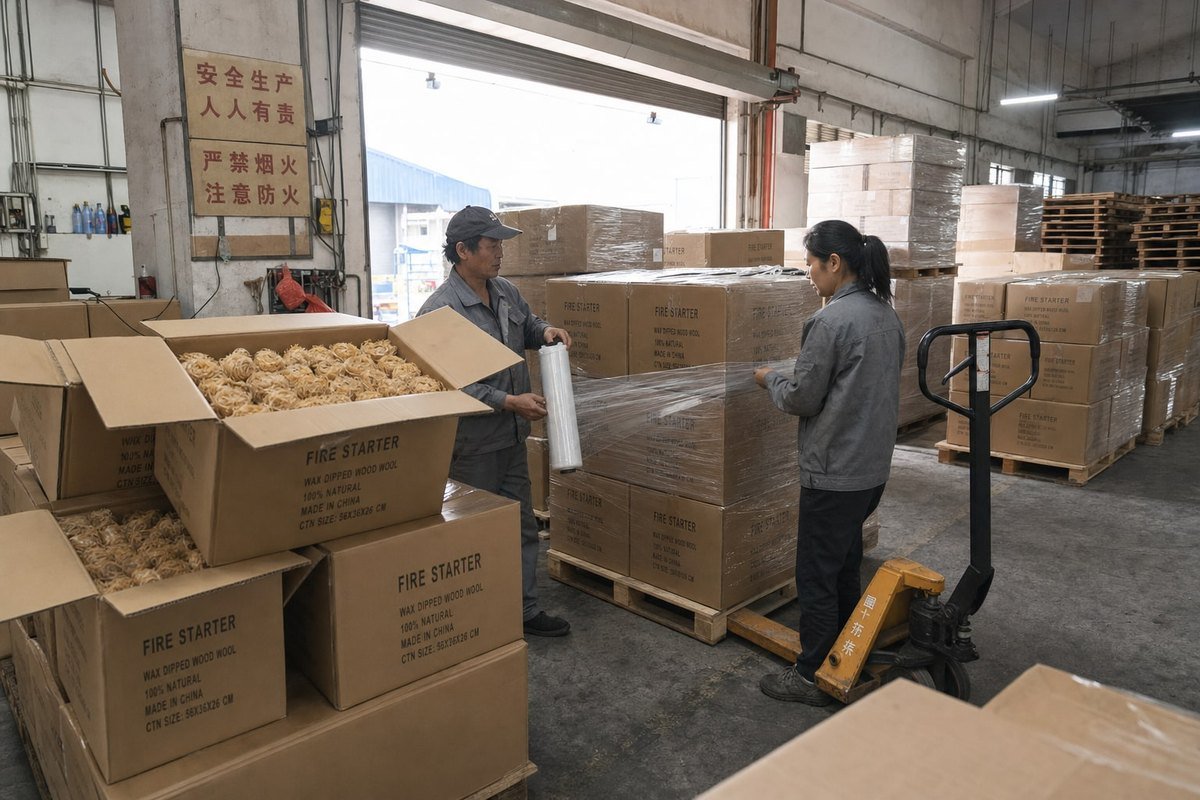
MOQ is simply the fewest units a supplier will accept in one order. It is not a punishment. It exists because production, raw materials, and packaging all have cost thresholds. In our factory, wax-dipped wood rolls 1 run in batches. The wax bath, the wood wool feed, and the dipping line all need a minimum run length to stay efficient. Below that, every unit costs us more to make than we can sell it for.
For a compliance-focused buyer, MOQ also connects to certification. Our ISO 9001 2 and BSCI processes require batch-level quality records. Small, fragmented runs make batch traceability harder and more expensive. So a certified factory often quotes a slightly higher minimum than an uncertified workshop. That is not greed. That is the cost of test reports, consistent inputs, and audit-ready documentation.
Typical MOQ Drivers for Wood Fire Starters
| MOQ Driver | Why It Creates a Minimum | Typical Impact |
|---|---|---|
| Wood wool and wax procurement | Raw materials are bought in bulk lots | Moderate |
| Printed retail boxes | Printers impose their own print-run minimums | High |
| Production batch size | Dipping lines need a minimum run to stay efficient | Moderate |
| Pallet and carton configuration | Freight forwarding logistics favor full pallets | Low to moderate |
| Custom labels and barcodes | Setup and plate costs per design | High |
Notice that packaging appears twice. In my experience, the printed box is the single most common hidden driver behind a high MOQ for sustainable biomass products 3 like fire starters and fatwood kindling. The wood roll itself rarely forces the minimum. The box printer does.
How Can I Negotiate a Lower MOQ for My First Trial Order?
The trade-off I weigh most often is simple: do we protect line efficiency, or do we invest in a new buyer's growth? For serious first-time buyers, we usually choose the second.
To negotiate a lower MOQ on a trial order, offer a slightly higher unit price, accept the supplier's stock packaging, consolidate multiple SKUs into one shipment, and present a credible reorder plan. Suppliers lower minimums for buyers who show a clear growth path.
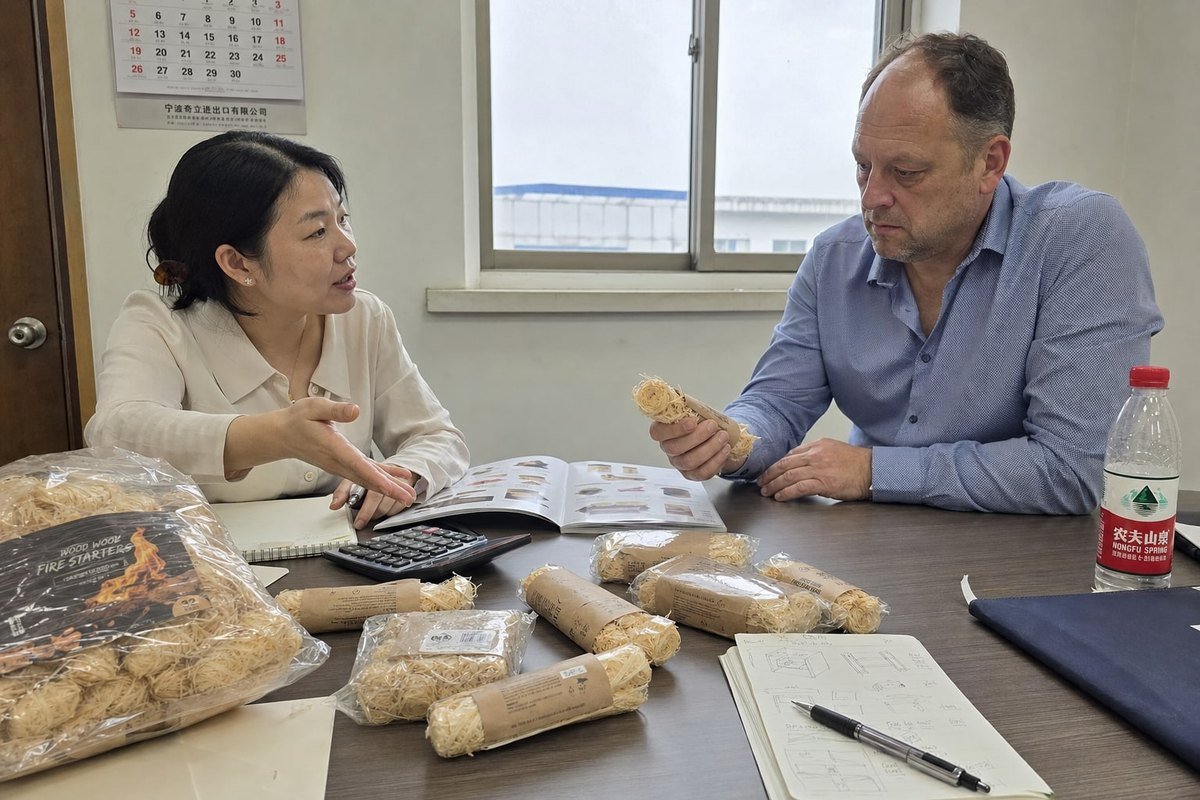
Negotiation works best when you understand what the supplier is protecting. They are protecting fixed costs. So every tactic below either covers those costs differently or removes them entirely.
Seven Practical Levers That Actually Work
- Pay more per unit on the first order. A small premium on a trial run compensates the factory for a short, inefficient batch. Most factories accept this trade.
- Use stock specifications. Our standard wax-dipped wood rolls in plain bulk cartons carry a much lower minimum than a private-label version. Skip custom sizes and scents at the trial stage.
- Combine SKUs. Mix wood fire starters with color-flame packets or pinecones to hit a total order value instead of a per-product quantity.
- Propose a blanket purchase order. Commit to an annual volume, then draw it down in smaller shipments. You get lower per-shipment quantities; the factory gets planning certainty.
- Ask for staged delivery. Pay for the full MOQ but receive it in batches. This cuts your warehouse pressure without hurting the supplier's batch economics.
- Time your order for the off-season. Fire starters peak in autumn. Order in late winter or spring, when lines have idle capacity, and minimums soften.
- Start with sample order evaluation. A structured sample stage builds trust. Buyers who test our samples properly and give feedback almost always get more flexible terms on the first production run.
One more point. Present yourself well. A purchasing manager who shares a demand forecast 4, target retail channels, and a reorder timeline gets treated as a partner, not a one-off inquiry. In seventeen-plus years of exporting, I have rarely seen a factory refuse a reasonable pilot run when the growth story was credible.
What Should I Look for in a Supplier Offering Flexible MOQ Terms?
A UK camping brand once told me they chose a supplier purely because of a rock-bottom minimum. Six months later, the batches stopped matching the sample. They came back to us.
Look for a supplier that explains what drives its MOQ, holds certifications like ISO 9001 and BSCI, offers tiered volume discounts, supports staged deliveries, and maintains consistent batch quality. Flexibility without documented quality control is a warning sign, not a benefit.
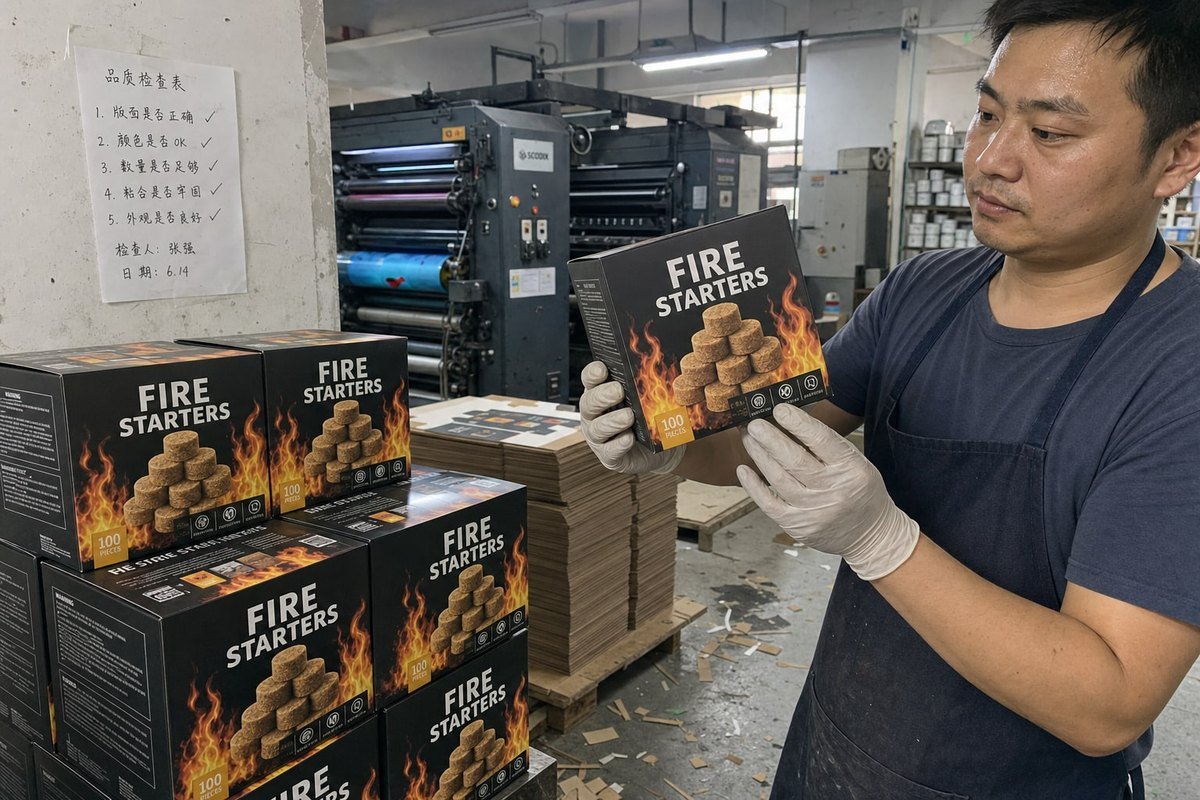
Flexibility is only valuable when it comes from a real factory with real capacity. A trading company can promise any MOQ because it is reselling someone else's stock. That flexibility disappears the moment the underlying factory changes its terms. In supply chain procurement, you want flexibility that is structural, not borrowed.
Green Flags vs. Red Flags
| Signal | Green Flag | Red Flag |
|---|---|---|
| MOQ explanation | Names the specific driver (print run, wax lot, batch size) | Says "company policy" with no detail |
| Certifications | ISO 9001, BSCI, CE, third-party test reports available | No documents, or documents that cannot be verified |
| Pricing structure | Clear tiered volume discounts published upfront | Vague pricing that shifts after commitment |
| Delivery options | Staged shipments and blanket POs offered | Full quantity only, one shipment, no exceptions |
| Sample consistency | First sample reflects mass-production quality | Sample quality that later batches never match |
Ask three diagnostic questions before signing anything. First: what specifically drives this MOQ? A good supplier answers in one sentence. Second: what happens to the unit price at two, five, and ten times the minimum? The answer reveals whether bulk wholesale pricing is genuine or cosmetic. Third: can you ship the MOQ in two or three batches? A factory with real warehouse capacity will usually say yes.
Also check how the supplier handles freight forwarding logistics. A partner who optimizes carton dimensions and pallet loading can cut your landed cost 6 more than a small MOQ reduction ever would. We redesigned one client's outer cartons and fit fourteen percent more product into the same container. That saving outlasted every MOQ debate.
How Do I Balance MOQ Requirements with Private-Label and Custom Packaging Needs?
When we developed our retail flame-graphic box for the wax-dipped rolls, the print minimum was triple the product minimum. That gap is exactly what most private-label buyers underestimate.
Balance MOQ and private-label needs by launching with stock packaging plus a custom label, buying packaging components in bulk while ordering product in smaller batches, and phasing customization as sales grow. Full custom boxes should come after demand is proven, not before.
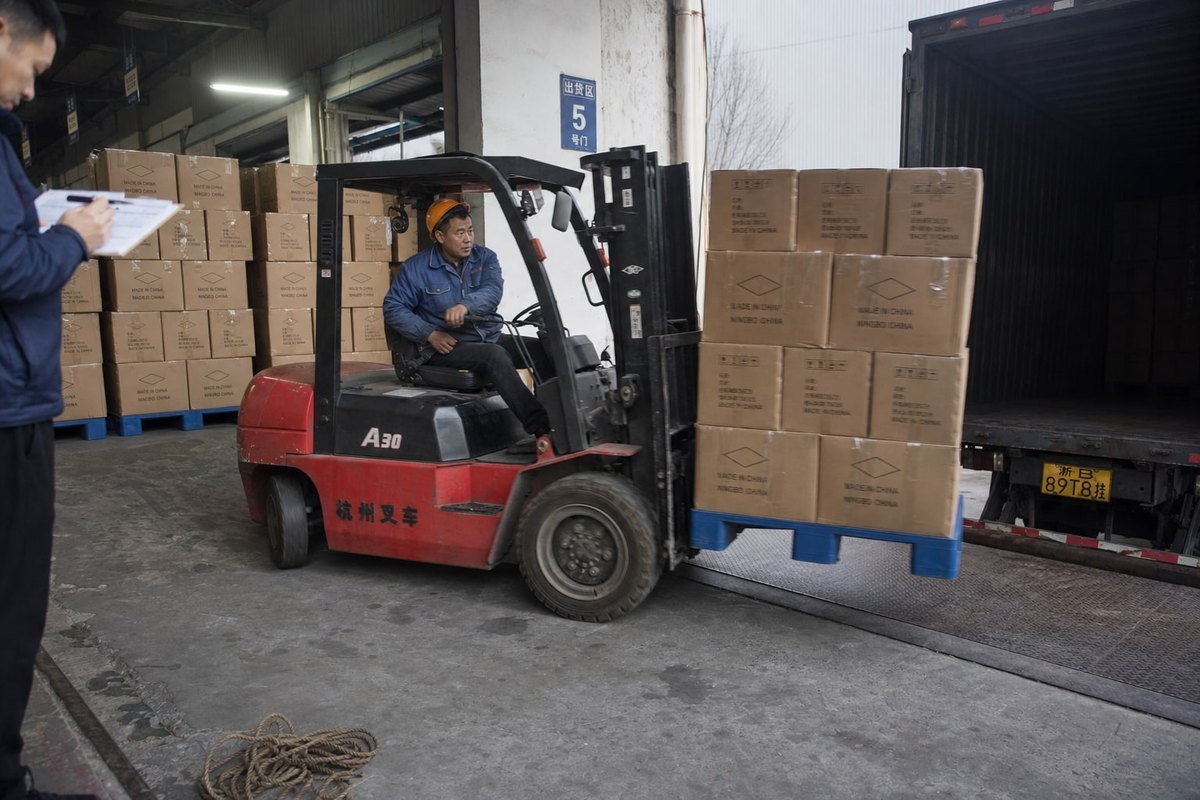
Private label manufacturing multiplies MOQ pressure because every custom element carries its own minimum. The printed box has one. The barcode label has another. The warning label, the insert card, and the display carton each add their own. Stack them together and the finished-product MOQ climbs fast.
The fix is to phase your customization. Treat branding as a ladder, not a single leap.
A Phased Path from Trial to Full Private Label
| Phase | Packaging Approach | Relative MOQ | Best For |
|---|---|---|---|
| 1. Trial | Bulk cartons, no retail packaging | Lowest | Sample order evaluation and market testing |
| 2. Soft launch | Stock box with your printed sticker label | Low | First retail placements |
| 3. Growth | Semi-custom box using shared print templates | Medium | Repeat orders with proven sell-through |
| 4. Full brand | Fully custom box, insert, display carton, barcodes | Highest | Established SKUs with stable reorders |
There is one more workaround worth knowing. If a single component forces the minimum, buy that component in bulk and let the product flow in smaller batches. One Canadian buyer ordered a year's worth of printed boxes from us in one print run, then pulled finished fire starters against that stock every quarter. His inventory carrying costs 7 stayed low because boxes are cheap to store; wax-dipped wood rolls are not.
Finally, watch total cost of ownership, not just the quoted minimum. A lower MOQ at a higher unit price often wins for seasonal goods. Fire starters sell hard from October to February and slow down afterward. Cash tied up in slow-moving summer stock costs more than a few cents saved per unit. Run the numbers across a full season before you decide.
Conclusion
MOQ feels like a barrier, but it is really a signal. Diagnose what drives it, negotiate with the right levers, phase your branding, and choose a certified partner built for the long term.
Footnotes
1. Wikipedia provides a technical overview of firelighters made from wood and wax components. ↩︎
2. ISO 9001 is the official international standard for quality management systems in manufacturing. ↩︎
3. The Department of Energy defines biomass and its role in sustainable product manufacturing. ↩︎
4. Demand forecasting is a standard supply chain process used to estimate future customer requirements. ↩︎
5. Investopedia defines unit price as a fundamental metric in wholesale and retail trade. ↩︎
6. Comprehensive Wikipedia overview of total landed cost components. ↩︎
7. Authoritative definition of inventory carrying costs and financial implications. ↩︎


 English
  Spanish
  German
  French
  Arabic
  Portuguese
Join the Conversation