







CCPSA incident reporting and traceability rules 1 caught one of our Canadian buyers off guard mid-season. One vague complaint, a two-day legal clock, and no lot records — a compliance nightmare our factory now helps every importer avoid.
To meet CCPSA rules for fireplace colored pine cones in Canada, report any safety incident to Health Canada within 2 days, file a detailed report within 10 days if you manufacture or import, keep six years of lot-level traceability records, and source from certified, test-documented suppliers.
That is the short version. Below, I break down each obligation step by step, based on what we have learned [shipping color-flame pinecones to Canadian distributors](https://sunrichfire.com/how-meet-canada-plant-protection-act-rules-fireplace-colored-pine-cones/) for years.
What CCPSA Traceability Records Do I Need to Keep for Colored Pine Cone Shipments to Canada?
A Canadian wholesaler once asked us to reconstruct a full batch history for a shipment from eight months earlier. Because our Ningbo plant lot-codes everything, it took us two hours, not two weeks.
Under CCPSA Section 13, you must keep records showing who supplied each lot of colored pine cones and who you sold it to — the one-up, one-down chain — plus purchase dates and locations. Retain sales, testing, and supplier documentation for six years at a Canadian business address.
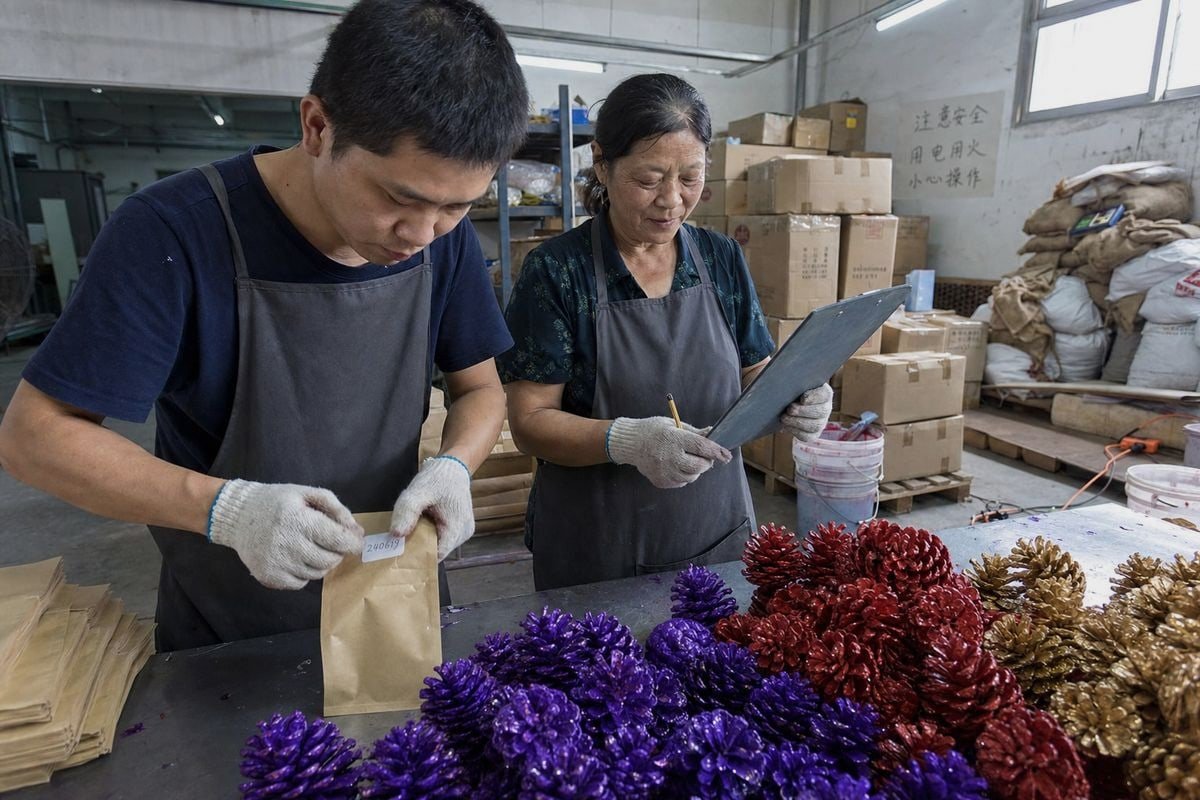
Traceability is not one form you file. It is the operational backbone that makes every other CCPSA duty possible. If Health Canada asks where a defective lot 2 came from and where it went, you need answers fast. The two-day incident clock does not pause while you dig through emails.
The One-Up, One-Down Principle
The CCPSA expects every supplier in the chain to identify the party they bought from and the party they sold to. For an importer of fireplace colored pine cones, that means documenting your overseas factory on one side and your Canadian retailers or distributors on the other. Retailers only need to record their source, not individual consumers.
What a Complete Record Set Looks Like
In our experience supporting Canadian importers, the strongest files include far more than invoices. Here is what we recommend keeping, and what our factory supplies with each shipment:
| Record Type | Why It Matters | Who Provides It |
|---|---|---|
| Batch production logs | Isolates a defective run without recalling everything | Manufacturer |
| Bill of materials and colorant formula reference | Identifies the chemical treatment involved in a hazard | Manufacturer |
| Certificates of analysis 3 for colorants | Proves what metallic salts were actually used | Manufacturer / lab |
| SGS or Intertek test reports | Supports Health Canada's hazard evaluation | Manufacturer |
| Incoming shipment records with lot codes | Anchors the one-up trace | Importer |
| Distribution lists by lot | Anchors the one-down trace; needed for recalls | Importer / distributor |
| Complaint logs linked to lot numbers | Detects patterns before they become incidents | Importer / retailer |
| Product and packaging photographs by version | Confirms which labeling was on the affected units | Both |
One caution I share with every buyer: SKU-level tracking is not enough. Colored pine cones are seasonal, and factories run multiple batches per season. Batch-level lot coding 4 lets you recall one production run instead of your entire holiday inventory. We print lot codes on our kraft pouches and burlap sacks for exactly this reason. It costs almost nothing at the printing stage and can save a customer six figures during a corrective action.
How Do I Report a Safety Incident Under CCPSA for Fireplace Colored Pine Cones?
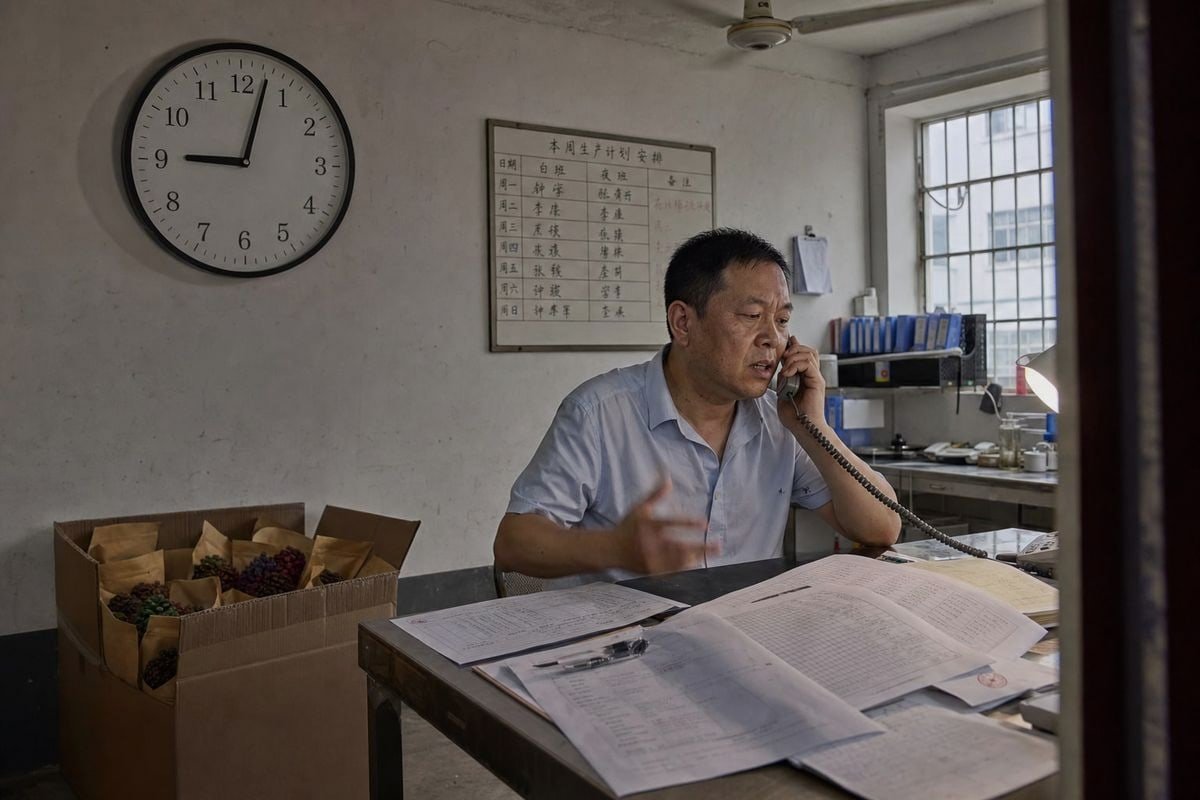
Early in our export history, a European client's slow complaint triage taught us a lasting lesson: the legal clock starts when you learn of an event, not when you finish investigating it.
Report to Health Canada and your product source within 2 days of becoming aware of an incident, using Health Canada's online Incident Report Form. Manufacturers and importers must then file a detailed written report within 10 days, covering the hazard, affected lots, and corrective measures.
The word "incident" is defined broadly, and that breadth is the whole trigger. It covers occurrences that resulted in — or could reasonably have been expected to result in — death or serious adverse health effects, plus defects or characteristics that may cause such harm. For a product designed to be burned, the threshold examples are concrete: uncontrolled flare-ups, flame jetting, burns from sparks or embers, respiratory irritation from fumes, or a fire that escapes the fireplace.
A Practical Seven-Step Workflow
- Train customer-service, warehouse, and sales teams to spot potential incidents and escalate the same day.
- Log every complaint immediately: who reported it, what happened, which product, which lot.
- Assess within 48 hours whether the event may meet the incident threshold. Health Canada says to err on the side of caution.
- Submit the initial two-day report to Health Canada and notify the party you bought the product from — for our Canadian clients, that means notifying us.
- If you are the importer, file the ten-day detailed report with product details, other potentially affected products, and proposed corrective measures.
- Preserve all evidence: the product, packaging, photos, and the complaint record.
- Submit updates under the original case number if new facts emerge.
The Over-Reporting Objection
Buyers often push back here: "Won't reporting every complaint bury me in regulatory work?" I understand the worry, but Health Canada's guidance resolves it clearly. When in doubt, report. An early report on an event that turns out minor costs you an afternoon. A missed report on a real incident risks penalties, mandatory recalls 5, or prohibition orders. The initial report does not require certainty — it requires the information you have at that moment. Completeness comes with the ten-day report and later updates.
Which Certifications Should My Supplier Provide to Prove CCPSA Compliance?
Whenever a new Canadian distributor audits us, the document request list arrives before the price discussion does. That ordering tells you everything about how serious buyers now operate.
Ask your supplier for ISO 9001 quality-system certification, BSCI social audit results, third-party SGS or Intertek test reports on the finished product, certificates of analysis for flame colorants, and Safety Data Sheets for chemical additives that may fall under WHMIS 2015.
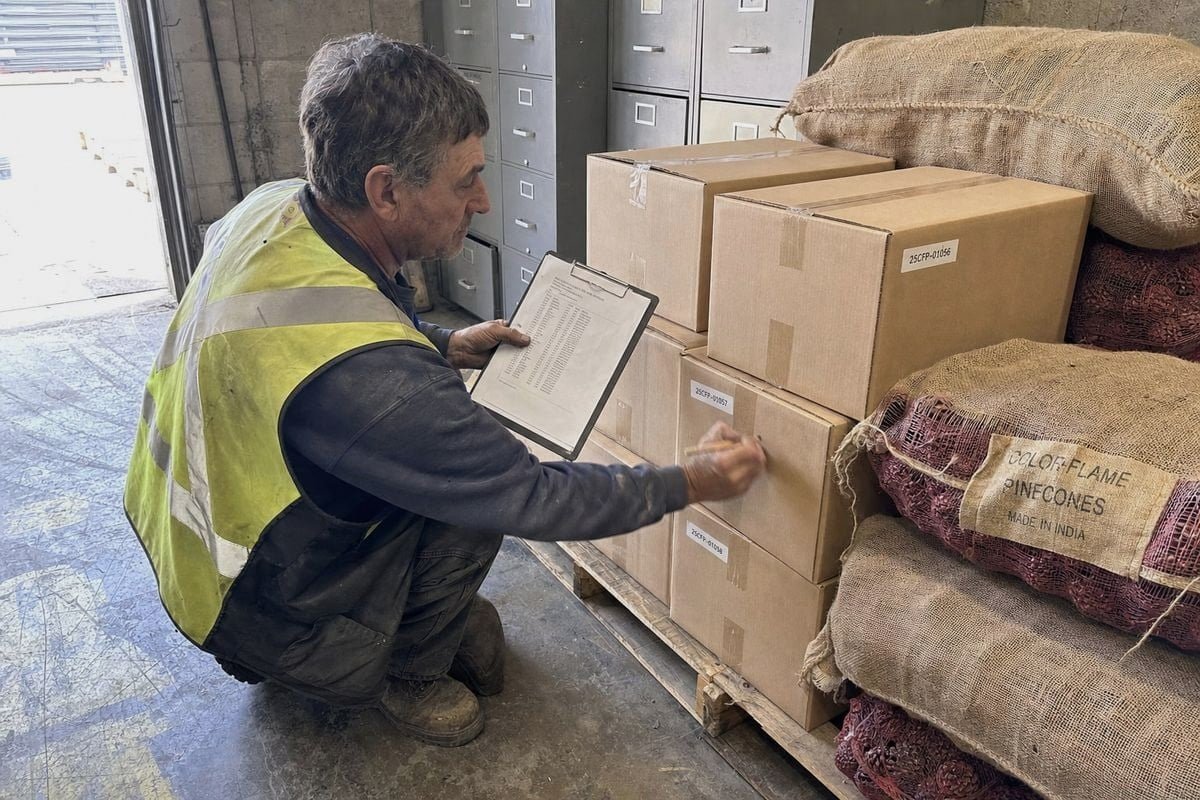
Here is the nuance many buyers miss: the CCPSA does not issue a "CCPSA certificate." No such document exists. Compliance is demonstrated through your systems, your records, and your evidence trail. Certifications matter because they are the evidence Health Canada will want to see attached to any incident report, and because they prove your supplier can actually support your two-day and ten-day obligations.
Mapping Documents to CCPSA Duties
| Supplier Document | CCPSA Duty It Supports |
|---|---|
| ISO 9001 certification | Shows batch-to-batch consistency, reducing defect-driven incidents |
| SGS / Intertek test reports | Attach to incident reports; supports Health Canada hazard evaluation |
| Certificates of analysis (copper, strontium, boron colorants) | Identifies the exact chemistry involved in fume or flare complaints |
| Safety Data Sheets (WHMIS 2015) | Covers workplace and chemical-classification duties beyond CCPSA |
| Batch production records with lot codes | Enables targeted trace and recall within the two-day window |
| BSCI audit reports | Supports retail-channel onboarding and supplier credibility |
The Trade-Secret Tension
Suppliers sometimes resist sharing formulas, citing trade secrets 7. We faced this trade-off ourselves years ago and landed on a workable middle ground: we provide certificates of analysis and SDS documents that identify the hazard-relevant chemistry, while detailed process parameters stay protected. Health Canada needs enough detail to identify the hazard and the affected lots — not your entire recipe. Any supplier who refuses to disclose even colorant chemistry cannot support your reporting duties, and that is a red flag worth walking away from. Our factory's position is simple: if a buyer cannot answer Health Canada's questions because of our secrecy, we have failed them.
How Can I Choose a Manufacturer That Already Meets CCPSA Reporting Requirements?
Comparing two supplier quotes last year, a Canadian importer told me the cheaper factory could not name its colorant supplier. That single answer ended the comparison — and started our partnership.
Choose a manufacturer with lot-coded production, retained batch samples, current third-party test reports, documented colorant sourcing, and a named contact who responds within 24 hours. These capabilities let you meet CCPSA two-day reporting and six-year traceability duties without building the system alone.
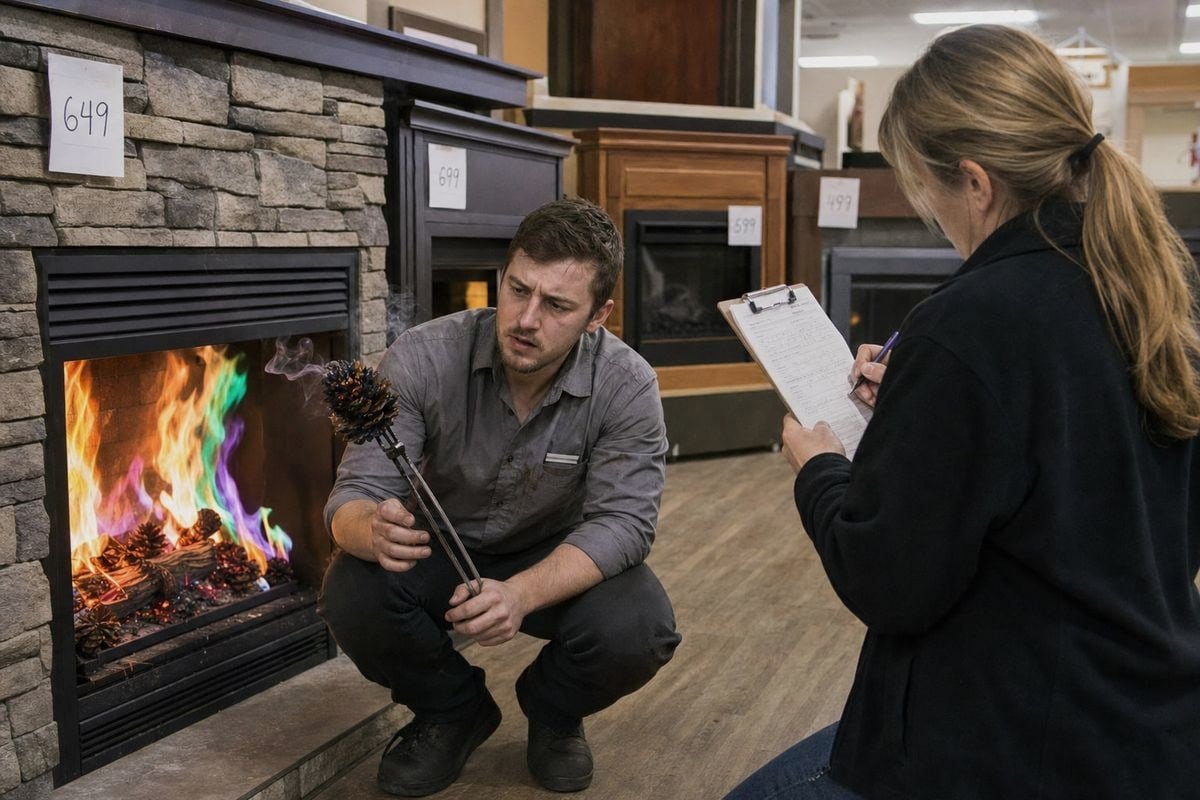
Your manufacturer is legally your one-up trace partner. When you file an incident report, you must notify them, and you will need their production data fast. A factory that cannot deliver that data within hours turns your two-day deadline into a gamble. So evaluate suppliers on their compliance infrastructure, not just their unit price.
A Supplier Evaluation Scorecard
| Capability | Weak Supplier | CCPSA-Ready Supplier |
|---|---|---|
| Lot coding | SKU-level only, or none | Batch-level codes printed on every pouch and carton |
| Test reports | Old, generic, or borrowed | Current SGS/Intertek reports for your exact product |
| Colorant traceability | Cannot name chemical source | Certificates of analysis on file per batch |
| Incident support | No process, slow replies | Named English-speaking contact, 24-hour response |
| Retained samples | None | Reference samples kept from each production run |
| Labeling support | Standard packaging only | Custom warning labels, bilingual text, barcodes |
Questions to Ask Before You Order
Ask any candidate factory these five questions. First, can you trace a specific bag back to a production date and raw-material lot? Second, how fast can you send a distribution-relevant batch record if I face a two-day deadline? Third, will you provide certificates of analysis for the metallic salts? Fourth, can you print my lot codes and Canadian-compliant warning labels? Fifth, who answers my email at 2 a.m. my time?
At our Liuyang headquarters and Ningbo production site, we built these answers into standard operating procedure because our Canadian and European buyers demanded them. Seventeen years of exports taught us that compliance readiness is what keeps a distributor's product on the shelf — and what keeps our partnership renewed season after season. We also help buyers align their Canadian traceability data with U.S. CPSC requirements, so cross-border sellers run one record system instead of two.
Conclusion
CCPSA compliance for fireplace colored pine cones comes down to preparation: two-day reporting readiness, ten-day detail, six-year lot-level records, and a certified factory partner built for it.
Footnotes
<span id="footnote-


 English
  Spanish
  German
  French
  Arabic
  Portuguese
Join the Conversation