






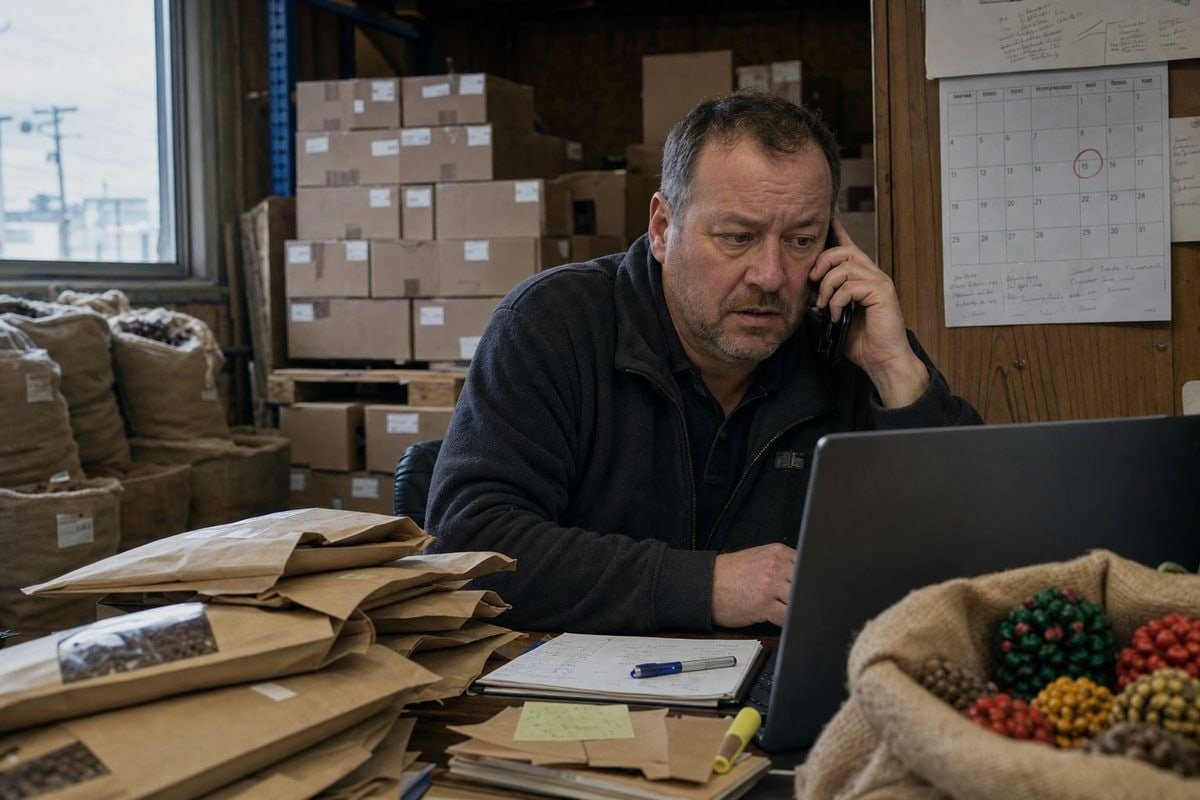
Regras de comunicação e rastreabilidade de incidentes da CCPSA 1 pegou um de nossos compradores canadenses de surpresa no meio da temporada. Uma reclamação vaga, um prazo legal de dois dias e nenhum registro de lote — um pesadelo de conformidade que nossa fábrica agora ajuda todos os importadores a evitar.
Para atender às regras da CCPSA para pinhas coloridas de lareira no Canadá, relate qualquer incidente de segurança ao Health Canada em até 2 dias, apresente um relatório detalhado em até 10 dias se você fabricar ou importar, mantenha seis anos de registros de rastreabilidade em nível de lote e adquira de fornecedores certificados e com documentação de teste.
Essa é a versão curta. Abaixo, detalho cada obrigação passo a passo, com base no que aprendemos [enviando pinhas coloridas para distribuidores canadenses](https://sunrichfire.com/how-meet-canada-plant-protection-act-rules-fireplace-colored-pine-cones/) por anos.
Que Registros de Rastreabilidade da CCPSA Devo Manter para Remessas de Pinhas Coloridas para o Canadá?
Um atacadista canadense uma vez nos pediu para reconstruir o histórico completo de um lote de um envio de oito meses antes. Como nossa fábrica em Ningbo codifica tudo por lote, levamos duas horas, não duas semanas.
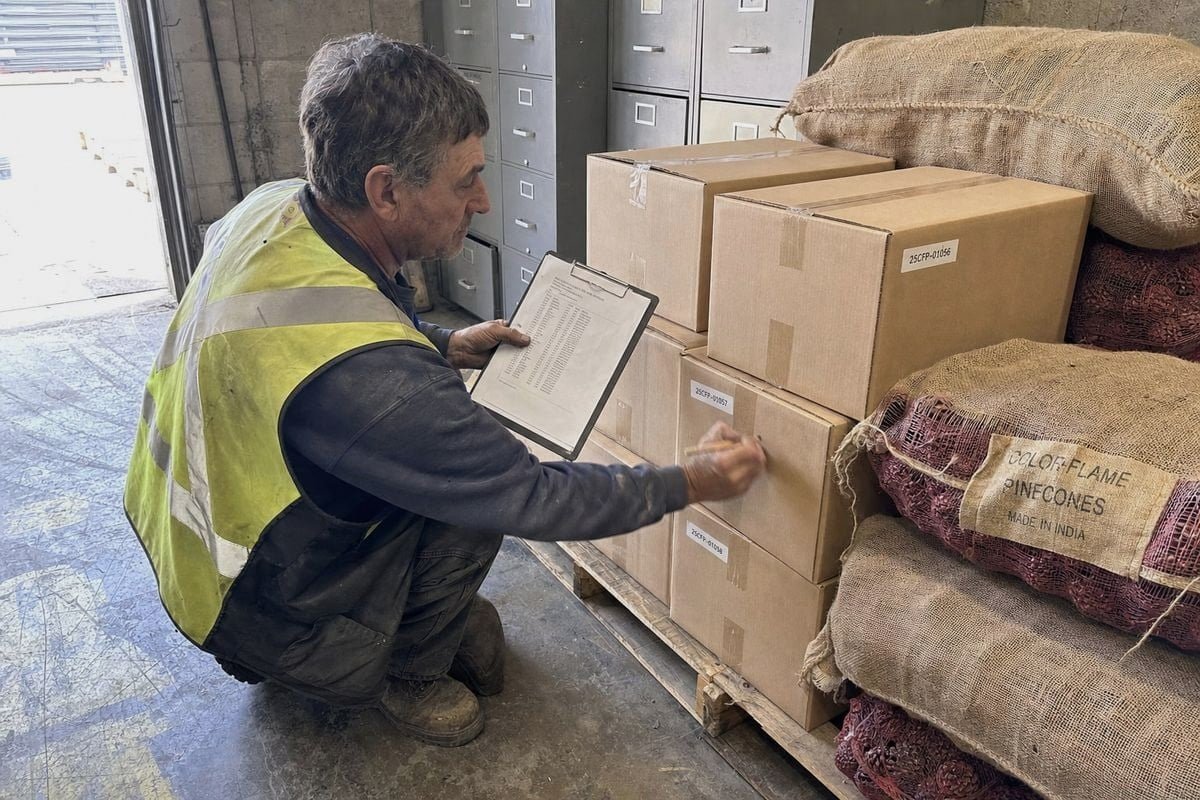
Sob a Seção 13 da CCPSA, você deve manter registros mostrando quem forneceu cada lote de pinhas coloridas e a quem você o vendeu — a cadeia de um para cima, um para baixo — mais datas e locais de compra. Retenha a documentação de vendas, testes e fornecedores por seis anos em um endereço comercial canadense.
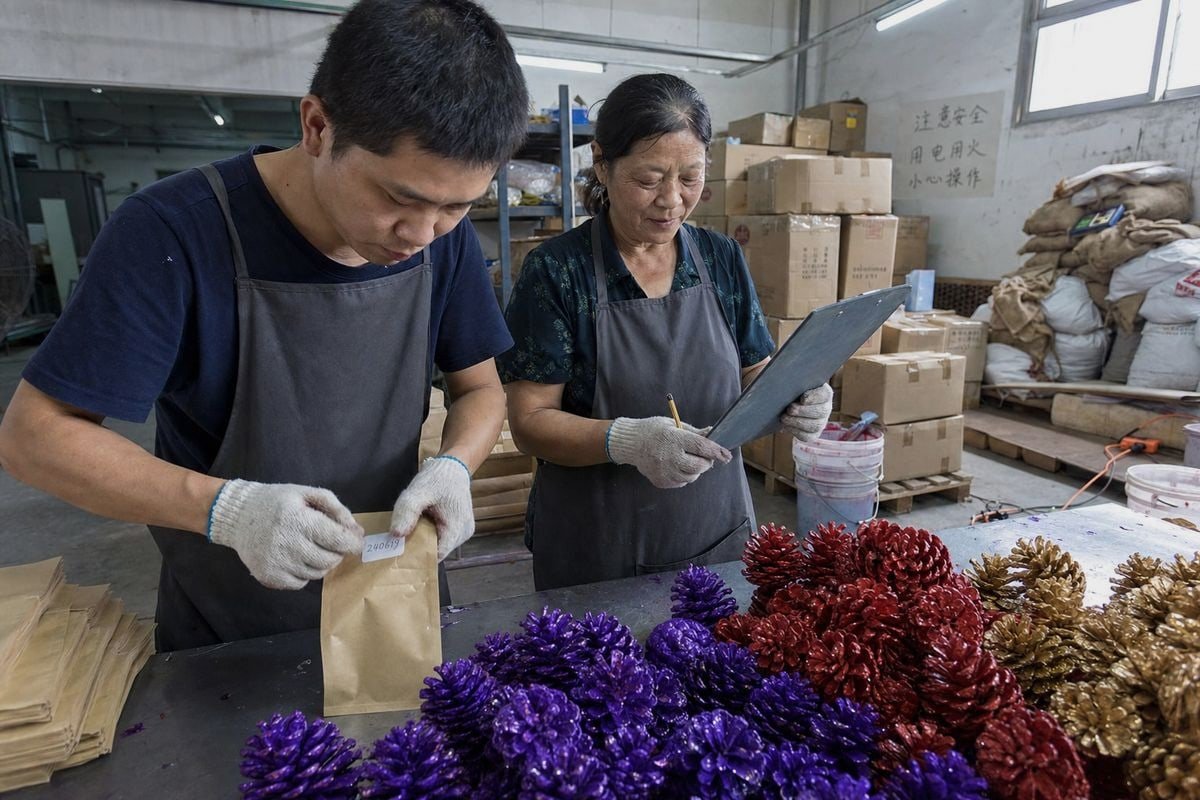
A rastreabilidade não é um formulário que você preenche. É a espinha dorsal operacional que torna todos os outros deveres da CCPSA possíveis. Se o Health Canada perguntar de onde veio um lote defeituoso 2 e para onde foi, você precisa de respostas rápidas. O prazo de dois dias para incidentes não pausa enquanto você vasculha e-mails.
O Princípio Um Acima, Um Abaixo
A CCPSA espera que cada fornecedor na cadeia identifique a parte de quem comprou e a parte para quem vendeu. Para um importador de pinhas coloridas de lareira, isso significa documentar sua fábrica no exterior de um lado e seus varejistas ou distribuidores canadenses do outro. Os varejistas precisam apenas registrar sua origem, não consumidores individuais.
Como é um Conjunto Completo de Registros
Em nossa experiência apoiando importadores canadenses, os arquivos mais robustos incluem muito mais do que faturas. Aqui está o que recomendamos manter e o que nossa fábrica fornece com cada remessa:
| Tipo de Registro | Por que é importante | Quem o Fornece |
|---|---|---|
| Registros de produção de lote | Isola um lote defeituoso sem precisar recolher tudo | Fabricante |
| Lista de materiais e referência de fórmula de corante | Identifica o tratamento químico envolvido em um perigo | Fabricante |
| Certificados de análise 3 para corantes | Comprova quais sais metálicos foram realmente usados | Fabricante / laboratório |
| relatórios de teste SGS ou Intertek | Apoia a avaliação de perigos do Health Canada | Fabricante |
| Registros de remessa de entrada com códigos de lote | Ancoragem do rastreamento "um acima" | Importador |
| Listas de distribuição por lote | Ancoragem do rastreamento "um abaixo"; necessário para recalls | Importador / distribuidor |
| Registros de reclamações vinculados a números de lote | Detecta padrões antes que se tornem incidentes | Importador / varejista |
| Fotografias do produto e embalagem por versão | Confirma qual rotulagem estava nas unidades afetadas | Ambos |
Uma cautela que compartilho com cada comprador: o rastreamento em nível de SKU não é suficiente. As pinhas coloridas são sazonais e as fábricas produzem vários lotes por temporada. A codificação de lote em nível de lote permite que você recolha uma corrida de produção em vez de todo o seu inventário de feriado. Imprimimos códigos de lote em nossas bolsas de papel kraft e sacos de juta exatamente por esse motivo. Custa quase nada na fase de impressão e pode economizar seis dígitos para um cliente durante uma ação corretiva. codificação de lote 4 permite que você recolha uma corrida de produção em vez de todo o seu inventário de feriado. Imprimimos códigos de lote em nossas bolsas de papel kraft e sacos de juta exatamente por esse motivo. Custa quase nada na fase de impressão e pode economizar seis dígitos para um cliente durante uma ação corretiva.
Como Denuncio um Incidente de Segurança Sob a CCPSA para Pinhas Coloridas para Lareira?
No início de nossa história de exportação, a lenta triagem de reclamações de um cliente europeu nos ensinou uma lição duradoura: o prazo legal começa quando você toma conhecimento de um evento, não quando termina de investigá-lo.
Relatar ao Health Canada e à sua fonte do produto no prazo de 2 dias após ter conhecimento de um incidente, utilizando o Formulário de Relato de Incidentes online do Health Canada. Os fabricantes e importadores devem então apresentar um relatório escrito detalhado no prazo de 10 dias, cobrindo o perigo, os lotes afetados e as medidas corretivas.
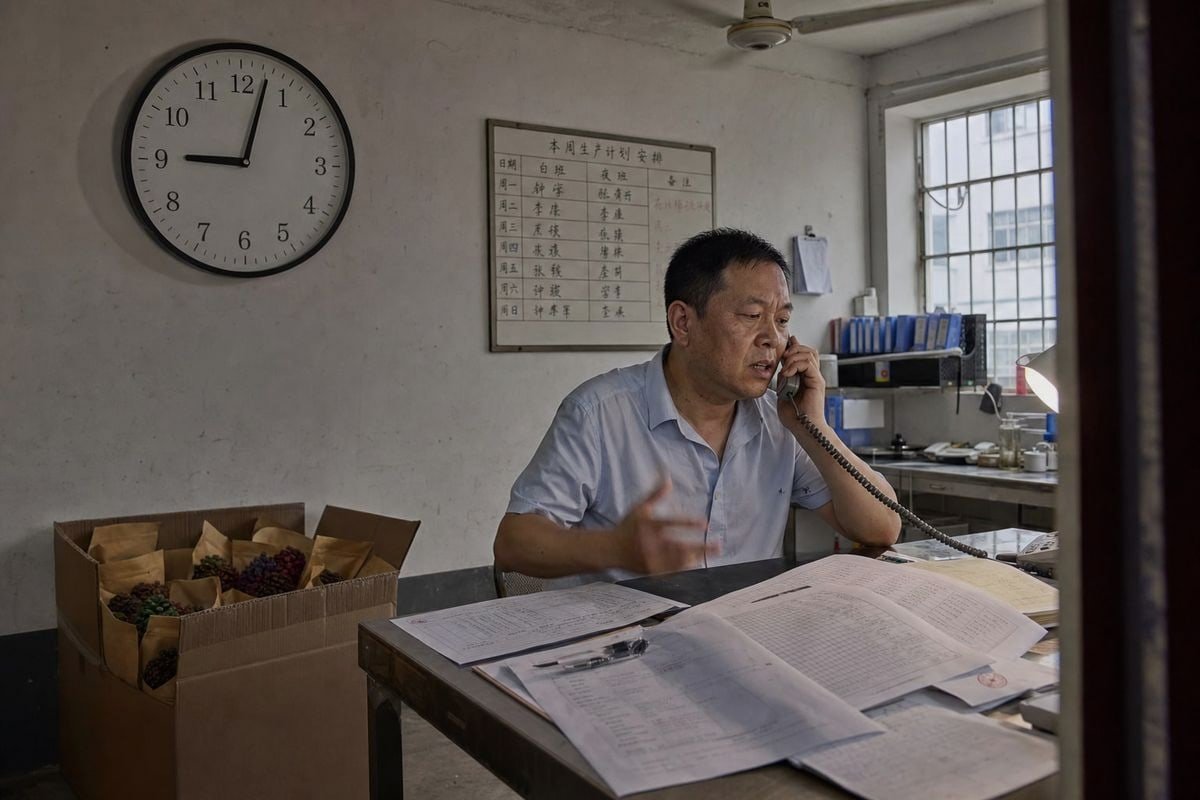
A palavra "incidente" é definida amplamente, e essa amplitude é o gatilho. Abrange ocorrências que resultaram — ou poderiam razoavelmente ter sido esperadas resultar — em morte ou efeitos adversos graves à saúde, além de defeitos ou características que podem causar tais danos. Para um produto projetado para ser queimado, os exemplos de limite são concretos: labaredas descontroladas, jatos de chama, queimaduras por faíscas ou brasas, irritação respiratória por vapores ou um incêndio que escapa da lareira.
Um Fluxo de Trabalho Prático de Sete Passos
- Treine as equipes de atendimento ao cliente, armazém e vendas para identificar incidentes potenciais e escalá-los no mesmo dia.
- Registre cada reclamação imediatamente: quem relatou, o que aconteceu, qual produto, qual lote.
- Avalie em 48 horas se o evento pode atender ao limite de incidente. O Health Canada diz para errar pelo lado da cautela.
- Envie o relatório inicial de dois dias para o Health Canada e notifique a parte de quem você comprou o produto — para nossos clientes canadenses, isso significa nos notificar.
- Se você for o importador, envie o relatório detalhado de dez dias com detalhes do produto, outros produtos potencialmente afetados e medidas corretivas propostas.
- Preserve todas as evidências: o produto, a embalagem, fotos e o registro da reclamação.
- Envie atualizações sob o número de caso original se novos fatos surgirem.
A Objeção de Excesso de Relatórios
Os compradores muitas vezes resistem aqui: "Não me enterrará o relato de cada reclamação em trabalho regulatório?" Entendo a preocupação, mas a orientação da Health Canada a resolve claramente. Em caso de dúvida, relate. Um relatório inicial sobre um evento que se mostra menor custa-lhe uma tarde. Um relatório perdido sobre um incidente real arrisca penalidades, recalls obrigatórios 5, ou ordens de proibição. O relatório inicial não requer certeza — requer a informação que você tem naquele momento. A completude vem com o relatório de dez dias e atualizações posteriores.
Quais Certificações Meu Fornecedor Deve Fornecer para Comprovar a Conformidade com a CCPSA?
Sempre que um novo distribuidor canadense nos audita, a lista de solicitação de documentos chega antes da discussão de preços. Essa ordem diz tudo sobre o quão sérios os compradores operam agora.
Peça ao seu fornecedor a certificação do sistema de qualidade ISO 9001, resultados de auditoria social BSCI, relatórios de teste de terceiros SGS ou Intertek sobre o produto acabado, certificados de análise para corantes inflamáveis e Fichas de Dados de Segurança para aditivos químicos que possam estar sujeitos ao WHMIS 2015.
Aqui está a nuance que muitos compradores perdem: a CCPSA não emite um "certificado CCPSA". Nenhum documento desse tipo existe. A conformidade é demonstrada através de seus sistemas, seus registros e sua trilha de evidências. As certificações importam porque são a evidência que a Health Canada vai querer ver anexada a qualquer relatório de incidente, e porque provam que seu fornecedor pode realmente apoiar suas obrigações de dois e dez dias.
Mapeamento de Documentos para Deveres da CCPSA
| Documento do Fornecedor | Dever da CCPSA que Ele Suporta |
|---|---|
| Certificação ISO 9001 | Mostra consistência lote a lote, reduzindo incidentes causados por defeitos |
| Relatórios de teste SGS / Intertek | Anexar a relatórios de incidentes; apoia a avaliação de perigos da Health Canada |
| Certificados de análise (corantes de cobre, estrôncio, boro) | Identifica a química exata envolvida em reclamações de fumaça ou explosão |
| Fichas de Dados de Segurança (WHMIS 2015) | Cobre deveres de local de trabalho e classificação química além da CCPSA |
| Registros de produção em lote com códigos de lote | Permite rastreamento e recall direcionados dentro da janela de dois dias |
| Relatórios de auditoria BSCI | Apoia o embarque no canal de varejo e a credibilidade do fornecedor |
A Tensão do Segredo Comercial
Fornecedores às vezes resistem em compartilhar fórmulas, citando segredos comerciais 7. Nós enfrentamos essa troca há anos e chegamos a um meio-termo viável: fornecemos certificados de análise e documentos SDS que identificam a química relevante para o perigo, enquanto os parâmetros detalhados do processo permanecem protegidos. A Health Canada precisa de detalhes suficientes para identificar o perigo e os lotes afetados — não sua receita inteira. Qualquer fornecedor que se recuse a divulgar até mesmo a química do corante não pode apoiar seus deveres de relatório, e isso é um sinal de alerta do qual vale a pena se afastar. A posição de nossa fábrica é simples: se um comprador não puder responder às perguntas da Health Canada por causa de nosso sigilo, nós falhamos com eles.
Como Posso Escolher um Fabricante Que Já Atende aos Requisitos de Relatório da CCPSA?
Comparando duas cotações de fornecedores no ano passado, um importador canadense me disse que a fábrica mais barata não conseguia nomear seu fornecedor de corantes. Essa única resposta encerrou a comparação — e iniciou nossa parceria.
Escolha um fabricante com produção codificada por lote, amostras de lote retidas, relatórios de teste atuais de terceiros, fornecimento de corantes documentado e um contato nomeado que responda em 24 horas. Esses recursos permitem que você cumpra os deveres de relatórios de dois dias e rastreabilidade de seis anos da CCPSA sem construir o sistema sozinho.
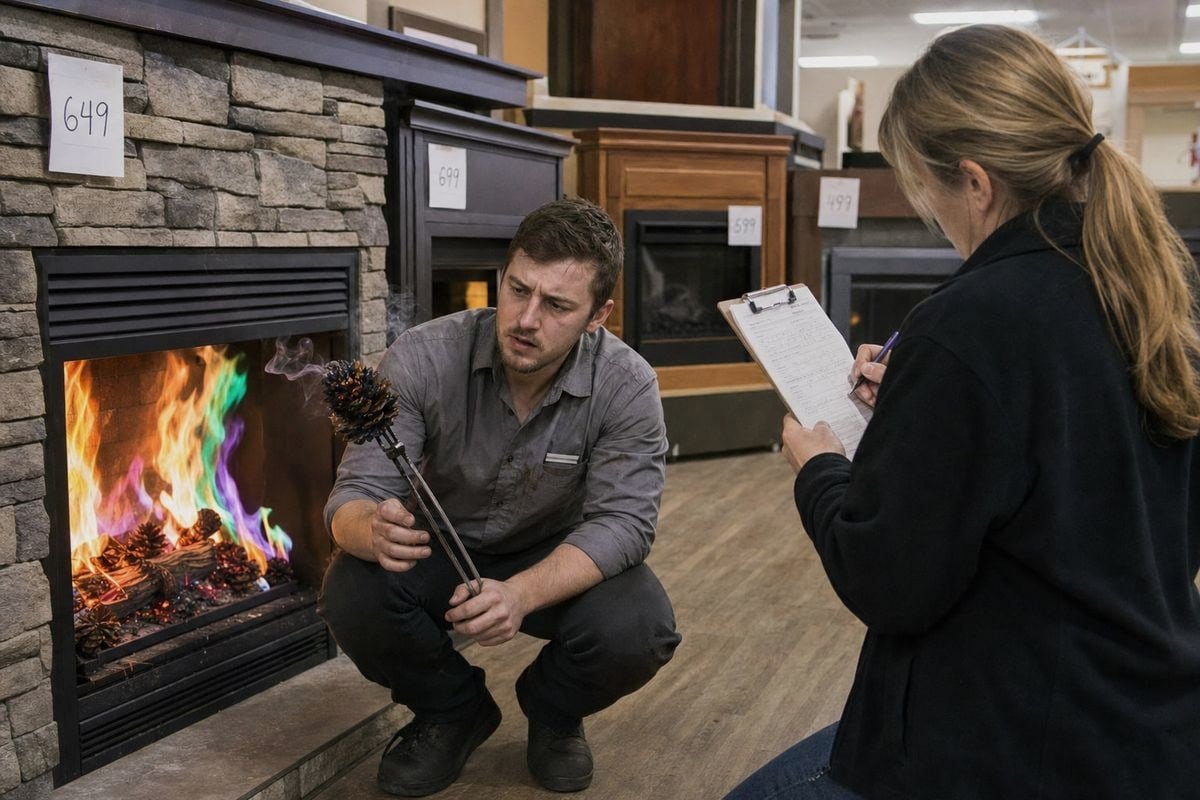
Seu fabricante é legalmente seu parceiro de rastreamento um nível acima. Ao registrar um relatório de incidente, você deve notificá-los, e precisará de seus dados de produção rapidamente. Uma fábrica que não consegue entregar esses dados em horas transforma seu prazo de dois dias em um jogo de azar. Portanto, avalie os fornecedores por sua infraestrutura de conformidade, não apenas por seu preço unitário.
Um Quadro de Pontuação de Avaliação de Fornecedores
| Capacidade | Fornecedor Fraco | Fornecedor Pronto para a CCPSA |
|---|---|---|
| Codificação de lote | Apenas em nível de SKU, ou nenhum | Códigos de lote de produção impressos em cada bolsa e caixa |
| Relatórios de teste | Antigos, genéricos ou emprestados | Relatórios SGS/Intertek atuais para seu produto exato |
| Rastreabilidade de corantes | Não consegue nomear a fonte química | Certificados de análise em arquivo por lote |
| Suporte a incidentes | Sem processo, respostas lentas | Contato nomeado que fala inglês, resposta em 24 horas |
| Amostras retidas | Nenhum | Amostras de referência mantidas de cada corrida de produção |
| Suporte de rotulagem | Apenas embalagem padrão | Rótulos de aviso personalizados, texto bilíngue, códigos de barras |
Perguntas a fazer antes de encomendar
Faça a qualquer fábrica candidata estas cinco perguntas. Primeiro, você consegue rastrear uma bolsa específica até uma data de produção e lote de matéria-prima? Segundo, quão rápido você pode enviar um registro de lote relevante para distribuição se eu enfrentar um prazo de dois dias? Terceiro, você fornecerá certificados de análise para os sais metálicos? Quarto, você pode imprimir meus códigos de lote e rótulos de aviso compatíveis com o Canadá? Quinto, quem responde meu e-mail às 2 da manhã no meu fuso horário?
Em nossa sede em Liuyang e local de produção em Ningbo, construímos essas respostas em procedimentos operacionais padrão porque nossos compradores canadenses e europeus as exigiram. Dezessete anos de exportações nos ensinaram que a prontidão de conformidade é o que mantém o produto de um distribuidor na prateleira — e o que mantém nossa parceria renovada temporada após temporada. Também ajudamos os compradores a alinhar seus dados de rastreabilidade canadenses com os requisitos da CPSC dos EUA, para que os vendedores transfronteiriços operem um sistema de registro em vez de dois.
Conclusão
CCPSA compliance for fireplace colored pine cones comes down to preparation: two-day reporting readiness, ten-day detail, six-year lot-level records, and a certified factory partner built for it.
Notas de rodapé
<span id="footnote-
 English
  Spanish
  German
  French
  Arabic
  Portuguese
Participe da conversa