






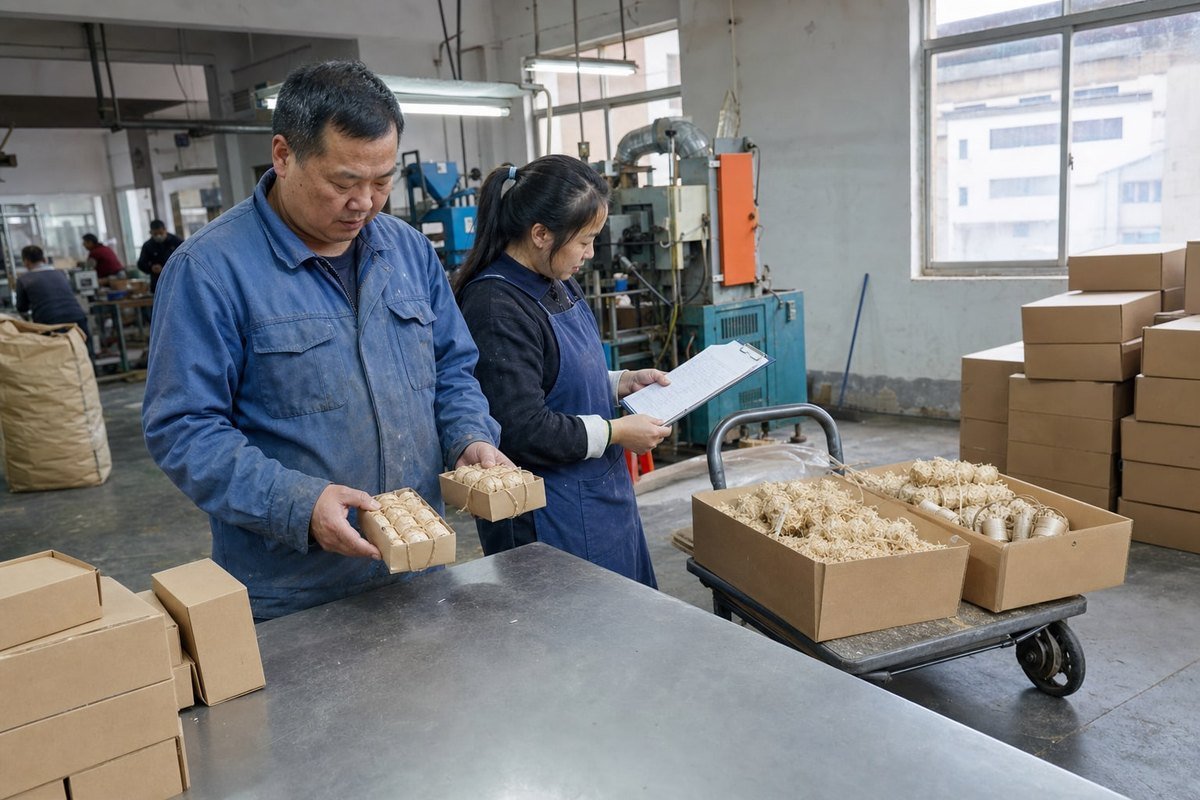
Every October, buyers ask our factory the same thing: how do we design a holiday gift-with-purchase program for wood fire starters that actually lifts sales? Most get it wrong. They pick a random gift, set a random spend rule, and watch margins bleed while customers shrug. After 17+ years producing wax-dipped wood rolls 1 for brands across 30+ countries, I can tell you the fix is planning, not luck.
Design a holiday gift-with-purchase program for wood fire starters by setting a spend threshold 15–40% above average order value, choosing a compliant, festively packaged fire starter gift costing 5–15% of the qualifying purchase, ordering early against seasonal lead times, and enforcing batch-level quality control.
That answer covers the framework. But each piece deserves a closer look. Below, I walk through compliance, packaging, MOQs, lead times, and quality control — the four questions our B2B buyers raise most often before a holiday launch.
What certifications and compliance documents do I need before launching a wood fire starter gift-with-purchase promotion?
A few years back, a European distributor came to us in a panic. Their previous supplier's fire starters were held at customs — no test reports. Their holiday marketing campaign missed the season entirely.
Before launching a wood fire starter gift-with-purchase promotion, you need third-party lab test reports (SGS or Intertek), CE marking for the EU, proper safety and warning labels, MSDS documentation for shipping, and a supplier holding ISO 9001 and BSCI certifications.

Compliance is not paperwork for its own sake. A gift-with-purchase item carries the same legal liability 2 as a paid product. If your free fire starter injures a customer or fails a customs inspection 3, the fact that it was "free" will not protect your brand. In our experience exporting to the US, Germany, the UK, and France, retailers treat the gift SKU exactly like any other SKU on the shelf.
The core document checklist
Here is what we prepare for every buyer before a seasonal promotion ships:
| Document | Purpose | Who Requires It |
|---|---|---|
| SGS / Intertek test report | Proves the product is free of harmful chemicals | Retailers, customs, insurers |
| CE marking documentation | Confirms EU market conformity | EU importers and distributors |
| MSDS (Safety Data Sheet) | Covers wax and wood fiber content for freight | Ocean carriers, air freight, warehouses |
| ISO 9001 certificate | Verifies the factory's quality management system | Large retail sourcing channels |
| BSCI audit report | Confirms ethical and social compliance | US and EU retail chains |
| Warning label artwork approval | Meets local consumer safety labeling rules | Your legal or compliance team |
Why the gift SKU needs its own paper trail
Some buyers assume that because the fire starter rides along with a fireplace accessory order, it inherits the main product's documents. It does not. Customs classifies each item separately. We issue test reports tied to the exact composition — for example, a 50% wood fiber, 50% paraffin blend — so the paperwork matches what inspectors see in the carton.
Timing matters
Lab testing takes two to four weeks. If your limited-time offer launches in November, your compliance file should be closed by late summer. We keep standing reports on our core wood firestarter lines, which lets repeat buyers skip most of that wait. First-time private-label buyers should budget the full testing window.
One trade-off we weigh constantly on our packaging line: festive presentation versus unit cost. A kraft box with twine costs pennies more than a poly bag, yet it changes how customers perceive the entire promotion.
Make wood fire starters feel premium by using kraft boxes or tins with twine and seasonal tags, adding holiday scents like fir or spiced orange, printing your private-label branding, and including an educational fire-building insert. Gift-ready seasonal packaging removes the customer's need to wrap.
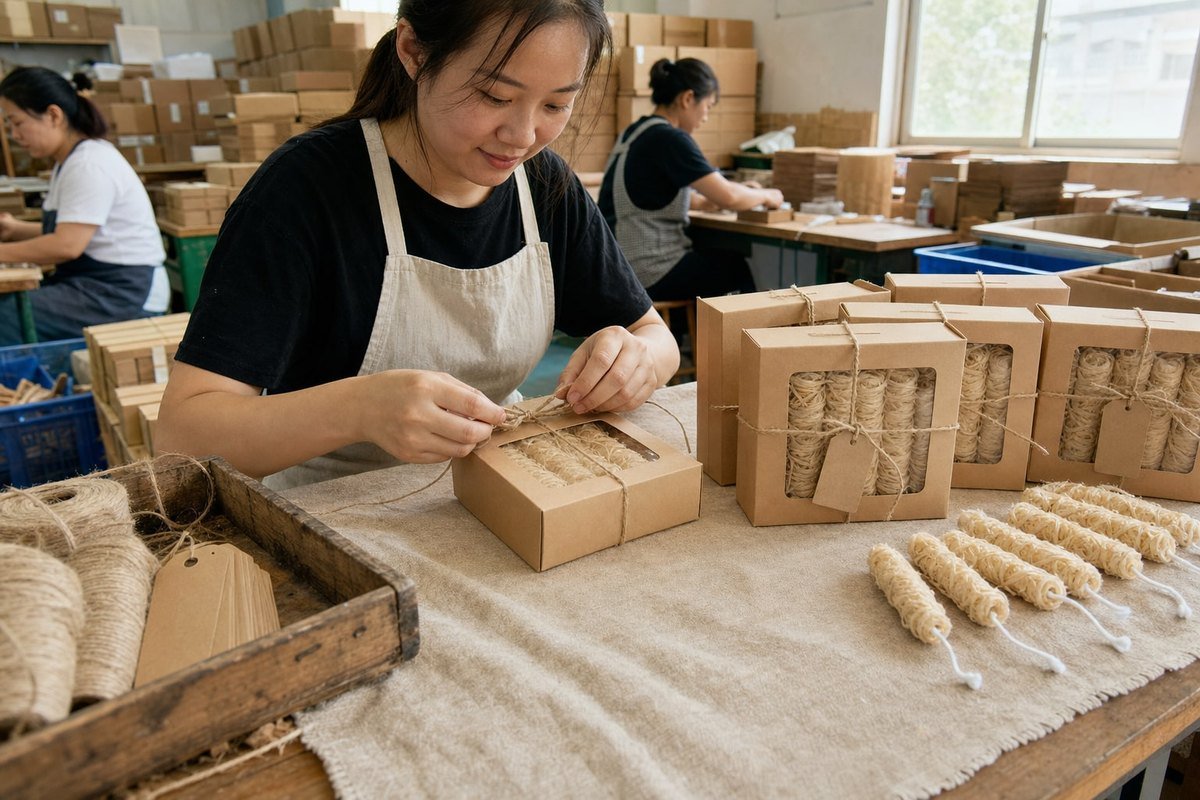
The gift in a gift-with-purchase program must look valuable, or it fails at its one job: making customers stretch their basket. Our OEM/ODM work has taught us that perceived value comes from three layers — the product itself, the packaging, and the story printed on it.
Layer one: the product
Natural wood-wool rolls 4 already photograph beautifully. Their fibrous, straw-blonde texture reads as handmade and eco-friendly. For holiday versions, we can add seasonal touches during production:
- Scented variants using essential oils 5 — think fir, cinnamon, or mulled spice profiles that suit "cozy winter evening" messaging.
- Decorative natural add-ins such as pinecone pairings, which we also produce as color-flame pinecones for buyers wanting a colored-flame effect in the fireplace.
- Custom burn times, so the gift performs exactly as your marketing promises.
Layer two: the packaging
This is where premium feel is won or lost. Options we build for buyers, roughly ordered by cost:
- Kraft window box with twine and a hang tag — rustic, low cost, gift-ready.
- Printed gift tin — reusable, feels substantial, ideal for tiered offers.
- Muslin or burlap pouch with a branded label — great as a stocking-stuffer format.
- Full-color retail display box — best when the gift doubles as shelf stock after the promotion ends.
Sustainable materials 6 matter here. Eco-friendly fire starters wrapped in plastic clamshells send a mixed message. Kraft paper, twine, and recyclable tins keep the story consistent for environmentally conscious home-goods shoppers.
Layer three: the story
A small insert card raises perceived value at almost no cost. We print buyers' instructions for the top-down fire-building method, positioning their brand as an expert rather than a commodity seller. Some buyers add a QR code linking to a yule log video or holiday playlist — a clever touch for customers gifting to apartment dwellers. Warning labels, barcodes, and multilingual text all fit within our standard private-label process, so the gift arrives shelf-ready and checkout-ready.
What MOQ and lead time should I expect when ordering wood fire starters for a seasonal promotion?
Last season, a US buyer contacted us in mid-September wanting 50,000 custom-branded units by Black Friday 7. We made it work — barely — but the story usually ends differently for buyers who wait that long.
Expect MOQs of roughly 5,000–10,000 units for custom-branded wood fire starters, with lower trial quantities often negotiable. Standard production lead time runs 25–40 days, plus 30–40 days for ocean freight. Place holiday promotion orders by July or August to hit November launches safely.
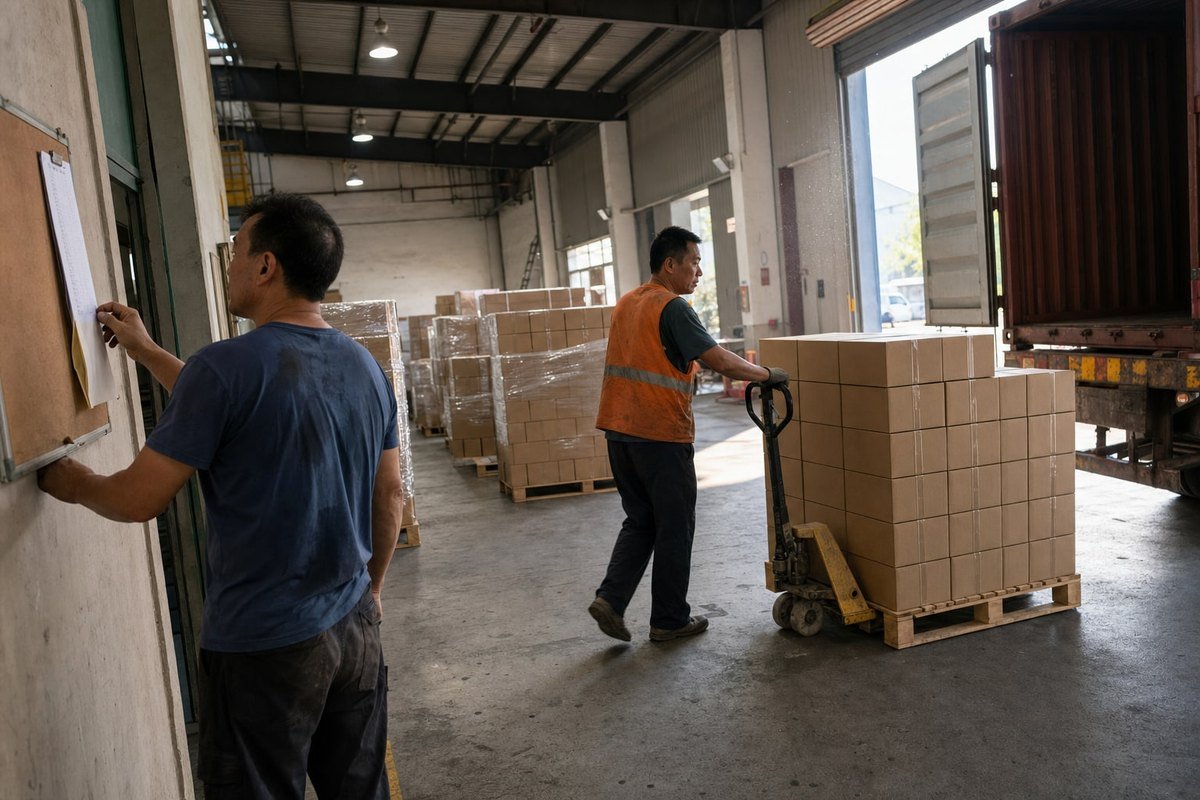
Timing is the silent killer of holiday marketing campaigns. The math is simple but unforgiving. Let me break down a realistic timeline working backward from a November 15 launch.
Working backward from launch day
| Milestone | Time Required | Deadline for Nov 15 Launch |
|---|---|---|
| Promotion goes live | — | November 15 |
| Domestic distribution to stores/warehouse | 1–2 weeks | Early November |
| Customs clearance and port handling | 1–2 weeks | Late October |
| Ocean freight (China to US/EU) | 30–40 days | Mid-September departure |
| Mass production | 25–40 days | Early August start |
| Sampling and artwork approval | 2–3 weeks | Mid-July |
| Initial inquiry and quotation | 1–2 weeks | Early July |
Notice what this means: a November promotion is really a July decision. Buyers who start in September either pay for air freight — which can erase the entire margin of a gift-with-purchase program — or miss the season.
How MOQ interacts with your promotion math
Your promotional threshold drives your gift volume forecast. If you set the spend rule at 1.4x to 1.6x your average order value, estimate how many orders will qualify, then add an inventory buffer of 15–20%. Nothing damages a limited-time offer faster than "gift sold out" messaging in week one. Running out mid-promotion frustrates customers and undercuts any customer loyalty program you hoped to feed with the campaign.
On MOQs, we stay flexible for trial orders. Established importers testing a new holiday concept can often start below our standard minimum, then scale in the second season. What we do not compromise is production sequence — peak-season slots fill up, and buyers who confirm early get priority on the line.
One more variable: packaging complexity
Custom tins and printed display boxes add one to two weeks versus standard kraft packaging, because packaging suppliers face their own seasonal crunch. Lock your artwork early.
How do I ensure consistent quality across a large holiday gift-with-purchase order of wood fire starters?
The lesson that shaped our QC system came early in our factory's history: a buyer once told us the sample was perfect, but carton twelve of the mass shipment burned two minutes shorter. That gap — sample versus production — is the whole game.
Ensure consistent quality by requiring batch-to-batch QC testing on burn time, wax-to-fiber ratio, and moisture content; approving a golden sample before mass production; requesting mid-production and pre-shipment inspection reports; and working with an ISO 9001-certified factory whose sample reliably reflects bulk output.

A gift-with-purchase order is unforgiving in one specific way: thousands of customers receive the product in the same two-week window. If quality drifts, complaints arrive in a wave, right at your busiest retail moment. Consistency is therefore not a nice-to-have — it is the promotion's foundation.
The variables that actually drift
Wood fire starters look simple. They are not. Three variables determine whether unit 1 and unit 50,000 perform identically:
| Quality Variable | What Drifts | How We Control It |
|---|---|---|
| Wax-to-fiber ratio | Wax bath temperature and dip time vary | Calibrated dipping stations, ratio checks per batch |
| Burn time | Roll density and wax coverage | Timed burn tests sampled from every production batch |
| Moisture content | Wood wool absorbs humidity in storage | Controlled drying, sealed inner packaging |
| Ignition reliability | Loose winding or thin wax coating | Random ignition tests before cartons are sealed |
A practical QC protocol for buyers
You do not need to visit the factory to protect yourself, though we welcome visits. Follow this sequence:
- Approve a golden sample and keep a sealed duplicate. This becomes the contractual reference for the entire order.
- Request batch records. Our production in Ningbo logs each batch's wax temperature, ratio, and burn-test results.
- Schedule a mid-production check. Catching drift at 30% completion is cheap; catching it at the port is not.
- Commission a pre-shipment inspection. Third-party inspectors can verify burn time, packaging, labels, and barcodes against your golden sample.
- Spot-test on arrival. Burn five units from random cartons before the goods enter your fulfillment flow.
Why factory depth matters here
Trading companies pool product from multiple workshops, which multiplies variation. Because we run our own complete production lines, one wax formula ISO 9001 quality management 8 and one process govern the entire order. That is why our first sample reliably predicts mass-production quality — and why buyers pairing fire starters with fireplace accessories or complementary products in a bundle can trust every unit to perform. Consistent quality also protects your upselling and cross-selling strategy: a customer who loves the free gift becomes your easiest repeat sale in January.
Conclusion
A weak holiday gift-with-purchase program wastes margin and shelf space. A well-planned one — compliant documents, premium seasonal packaging, early ordering, and strict batch QC — turns wood fire starters into a high-converting winter incentive.
Footnotes
1. Alibaba.com is a major B2B sourcing platform relevant to manufacturing and trade context. ↩︎
2. Background concept explaining why free gift items still carry product liability exposure. ↩︎
3. Explains customs requirements that free promotional items must also satisfy before entry. ↩︎
4. Corrected Wikipedia entry for wood wool



Join the Conversation