






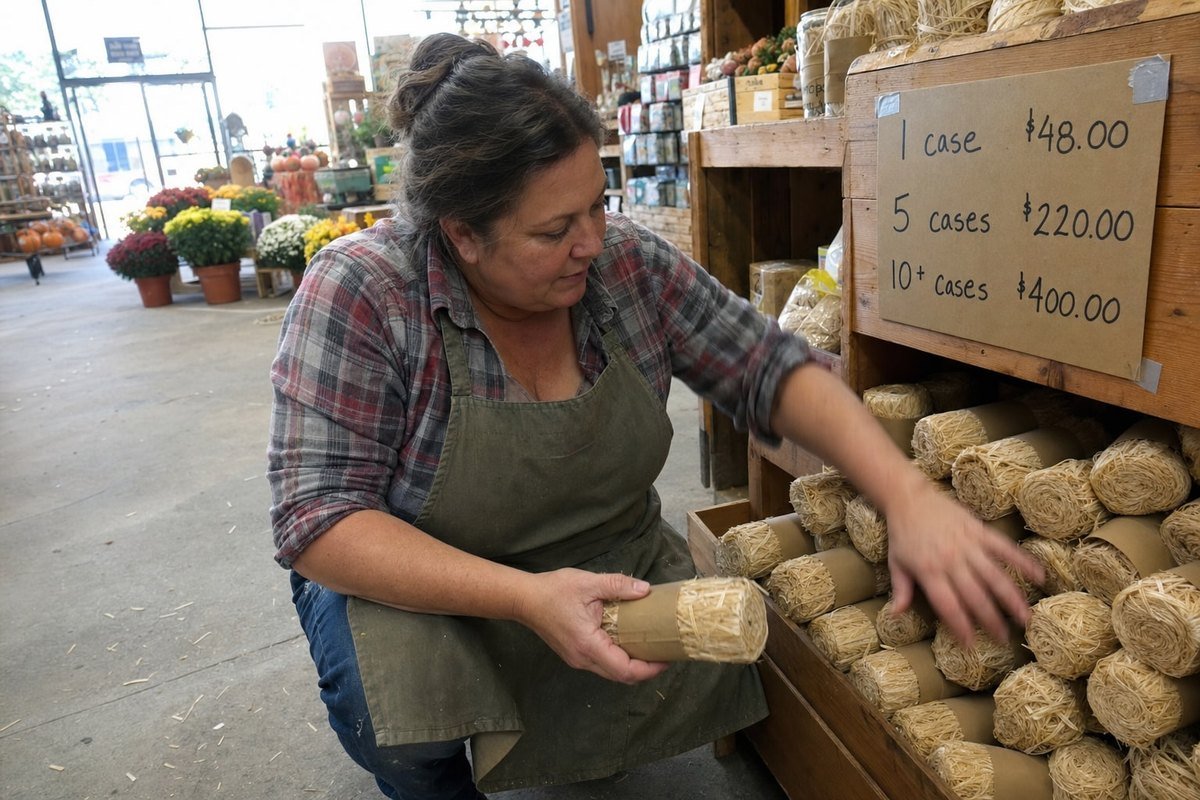
Fair tiered pricing for wood fire starters is where many of our garden-retail buyers stumble first BSCI 1. Get it wrong, and shelves stall while margins quietly bleed away.
Fair tiered pricing for wood fire starters means building three to four volume brackets anchored to landed cost, giving garden retailers a 45–55% margin at entry level, deeper per-unit discounts at higher MOQs, and clear cost-per-fire value that shoppers can verify on the shelf.
Below, I break down the exact order volumes, MOQ structures, cost inputs, and communication tactics we use with distributors across the US and Europe. Let's start with volumes.
What Order Volumes Should I Use to Set Fair Price Tiers for Garden Retailers?
A German fireplace distributor once asked us for a single flat price on wax-dipped wood rolls. After 17 years of exporting fire-starting goods, I convinced him tiers work better — for both of us.
Use three to four volume brackets: a trial tier of 1,000–5,000 units, a core tier of 10,000–30,000 units, a volume tier of 50,000–100,000 units, and a container tier beyond that. Each step should cut per-unit cost by roughly 8–15% to reward genuine commitment.
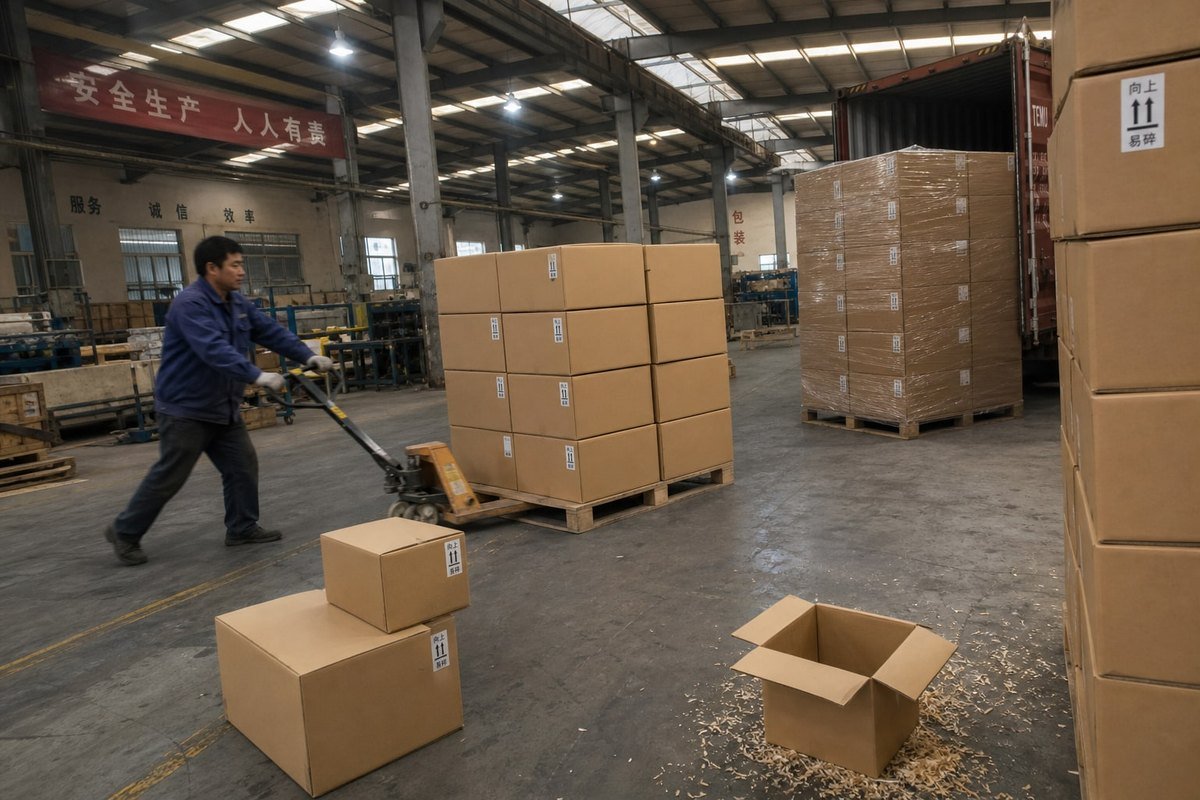
Order volumes are the backbone of any fair tier structure. In our experience shipping wood firestarters to 30+ countries, the biggest mistake buyers make is copying another category's brackets. Fire starters are seasonal, lightweight, and dense — so the volumes that make freight efficient look different from, say, garden tools.
Match Tiers to How Garden Retailers Actually Buy
A small independent garden center might test 1,000–2,000 units per season. A regional chain with 20 stores needs 20,000–50,000. A national distributor fills containers. Your tiers should mirror these real buying patterns, not arbitrary round numbers.
Here is the bracket structure we recommend to our wholesale partners:
| Tier | Order Volume | Typical Buyer | Per-Unit Discount vs. Entry |
|---|---|---|---|
| Trial | 1,000–5,000 pcs | Independent garden center | Baseline price |
| Core | 10,000–30,000 pcs | Multi-store retailer | 8–12% off |
| Volume | 50,000–100,000 pcs | Regional distributor | 15–20% off |
| Container | 100,000+ pcs | National importer | 22–30% off |
Why the Trial Tier Matters Most
I always tell buyers: your lowest tier is your recruitment tool. If the trial MOQ is too high, you lock out the independent garden centers who often become your most loyal repeat accounts. We keep flexible minimum order quantity 2 options precisely because a 2,000-unit trial order this year frequently becomes a 40,000-unit core order next autumn. Seasonal inventory turnover also matters — garden retailers want to sell through before spring, so oversized first orders create dead stock and damage the relationship. Fair volumes are volumes a retailer can actually clear in one heating season.
How Can I Structure MOQs and Discounts Without Undercutting My Margins?
Balancing a discount ladder against factory economics is a trade-off I weigh on nearly every quotation. Give too much away at the top tier, and the whole ladder collapses underneath it.
Protect margins by capping total tier-to-tier discounts at 25–30% off the entry price, tying each discount to a real cost saving such as freight consolidation or production-run efficiency, and never discounting below a floor of landed cost plus your minimum acceptable gross margin.

Volume discounts should never be gifts. They should reflect real savings you capture at higher quantities — longer production runs, fuller cartons, consolidated shipments. When we run large batches of wax-dipped wood rolls at our Ningbo facility, our per-unit setup and QC costs genuinely fall. That saving is what we pass along. If a discount is not backed by a real cost reduction, it is margin erosion dressed up as generosity.
Build the Ladder From the Floor Up
Start with your absolute price floor: landed cost plus minimum gross margin. Then work upward.
- Set your entry-tier price to hit your target margin at low volume.
- Calculate genuine cost savings at each higher volume (freight, packaging, run length).
- Pass along 60–80% of those savings as the tier discount; keep the rest.
- Check that even your container-tier price still clears your margin floor.
- Stress-test against price elasticity of demand 3 — will a 10% deeper discount actually pull enough extra volume to pay for itself?
Avoid the Two Classic Ladder Mistakes
First, avoid tiny gaps between tiers. A 2% step gives buyers no reason to commit to more. Second, avoid one giant cliff — a 25% jump between two adjacent tiers makes the lower tier look exploitative. In our wholesale price brackets, we aim for steady 8–15% steps. That progression feels logical, supports profit margin optimization on both sides, and keeps every tier defensible when a buyer benchmarks you against cheaper alternatives. Remember: the cheapest quote is rarely the best value if quality varies batch to batch — which is exactly why we invest in strict batch-to-batch quality control.
What Costs Should I Factor in When Pricing Wood Fire Starters for Retail Buyers?
Early in our export history, a UK buyer taught me a hard lesson: he compared our FOB quote 4 against a competitor's landed price and nearly walked. Costs must be counted completely, or comparisons mean nothing.
Price wood fire starters on total landed cost: raw materials and wax, labor, retail packaging, compliance testing and certification, inland and ocean freight, import duties, warehousing, and shrink. Then add retailer margin needs of 45–55% and check the result against realistic MSRP guidelines.
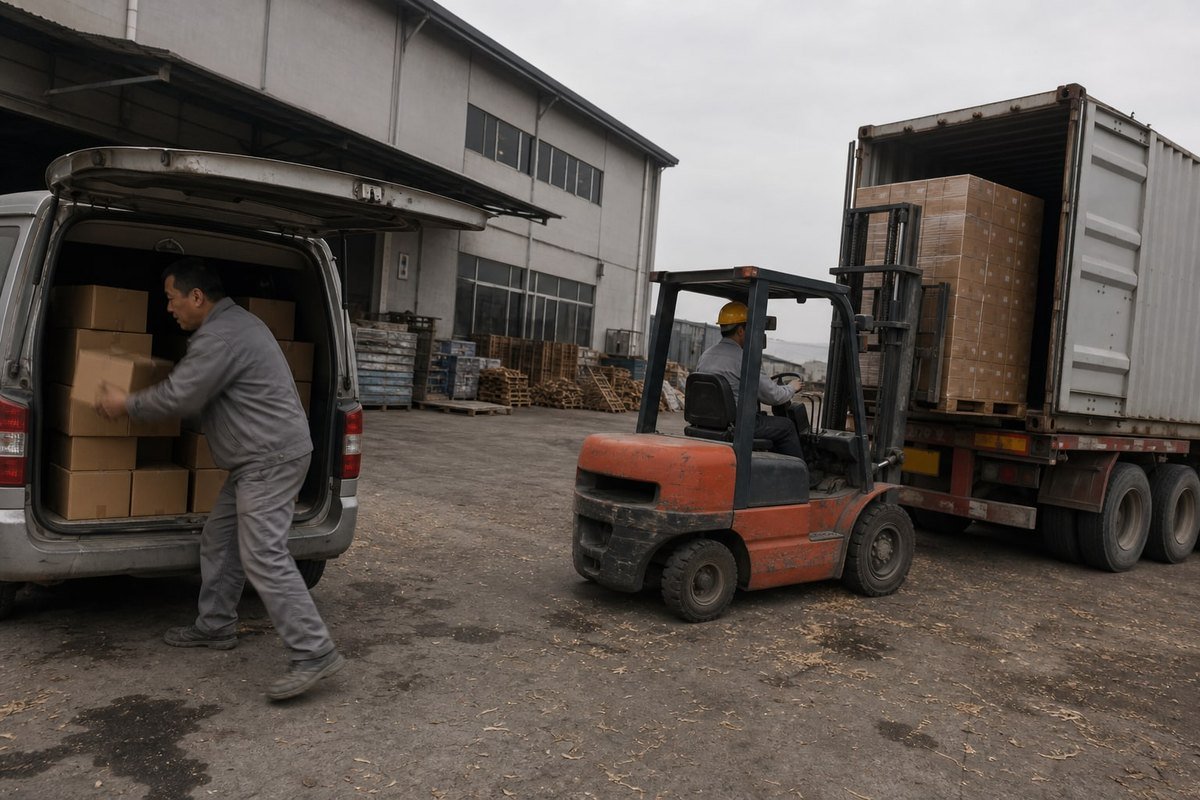
Factory cost is only the starting line. What matters to a purchasing manager is landed cost — what the product actually costs when it reaches the warehouse, ready to sell. We have found that packaging and compliance are the two inputs buyers most often underestimate for eco-friendly firelighters.
The Full Cost Stack
| Cost Component | Typical Share of Landed Cost | Often Overlooked? |
|---|---|---|
| Raw materials (wood wool 5, wax) | 30–40% | No |
| Labor and production | 15–20% | No |
| Retail packaging and display boxes | 10–15% | Yes |
| Compliance testing (SGS/Intertek 6, CE) | 3–6% | Yes |
| Ocean freight and inland transport | 12–20% | Sometimes |
| Duties, customs, insurance | 5–10% | Yes |
| Warehousing and shrink | 3–5% | Yes |
Compliance Is a Cost — and a Value
Certification is a hard requirement for serious retail channels, not a nice-to-have. Our ISO 9001 7, BSCI, CE, and SGS/Intertek documentation adds a few points of cost, but it is what gets fire-starting goods onto major retail shelves in the US and EU at all. A cheaper uncertified product carries hidden costs: rejected shipments, liability exposure, and delisting risk.
Translate Cost Into Shelf Price
Once landed cost is fixed, work backward from the shelf. Small packs of natural kindling alternatives typically retail around $3–$5, core multi-packs at $8–$15, and premium formats higher. Your wholesale price must leave the garden retailer a 45–55% margin inside those bands. If the math does not work, adjust pack count or format — not quality.
How Do I Communicate Tiered Pricing Clearly to Garden Retail Distributors?
One habit we built after years of quoting distributors in ten-plus markets: never send a price list without context. A bare number invites the wrong comparison; a framed number wins the order.
Communicate tiers with a single one-page price grid showing volumes, per-unit prices, cost-per-fire math, and MSRP guidance side by side. Explain what funds each discount, state MOQs plainly, and give retailers ready-made shelf language like starts per pack and best value.
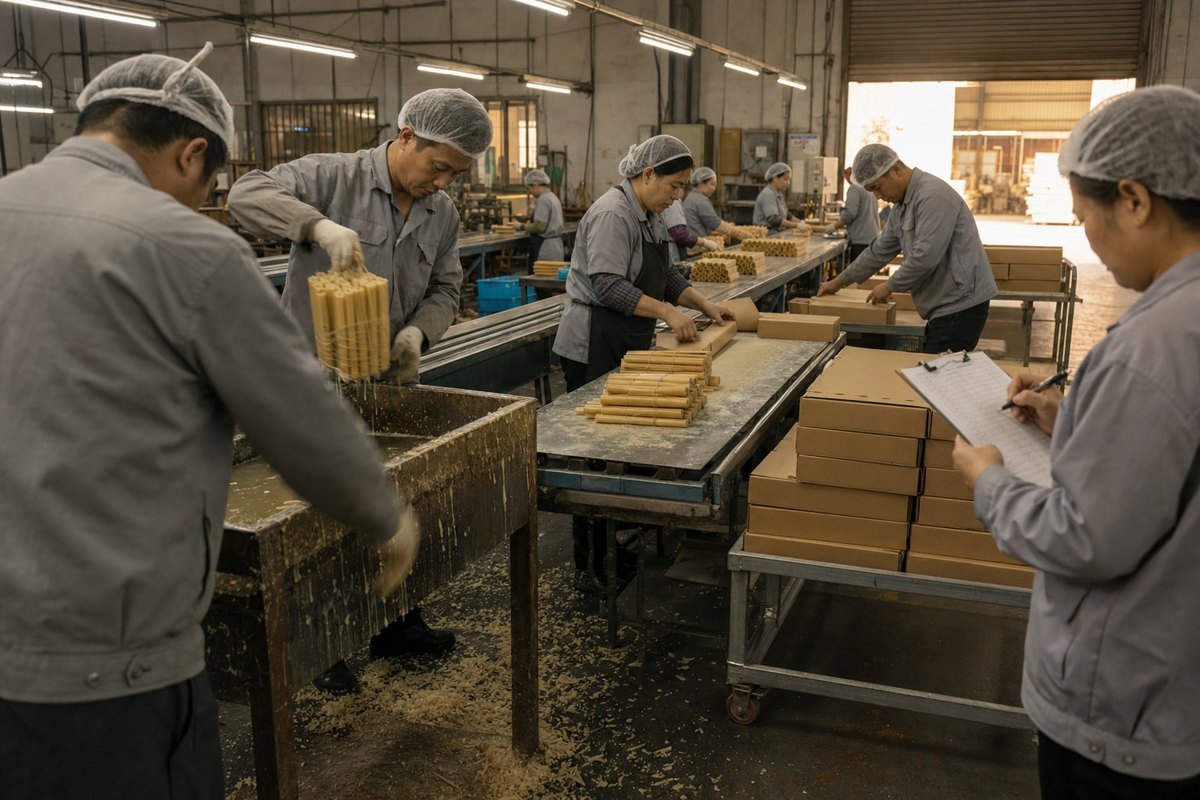
Clarity is fairness made visible. When a distributor can see exactly why the 50,000-unit tier costs less per unit than the 5,000-unit tier, the structure feels earned rather than arbitrary. In our OEM/ODM work, we go one step further: because we control packaging, barcodes, and warning labels in-house, we help buyers carry the same clear logic all the way to the shelf edge.
Lead With Cost Per Fire, Not Unit Price
The most persuasive metric in this category is cost per fire. A wood-wool starter that lights reliably in damp conditions may cost more per unit yet less per successful fire than a budget cube that needs two or three attempts. Put that math on your price sheet. It reframes the conversation away from a race to the bottom.
| What You Show | Why It Works |
|---|---|
| Cost per fire at each tier | Shifts focus from sticker price to real value |
| MSRP guidance and retailer margin at MSRP | Proves the tier protects their profit |
| Starts per pack on shelf labels | Gives shoppers instant value logic |
| Discount rationale (freight, run size) | Makes tiers feel earned, not arbitrary |
Equip the Retailer to Resell the Logic
Give distributors point-of-sale merchandising support: shelf strips reading best value per fire, signage explaining natural materials and clean burn, and suggested placements near firewood racks and checkouts. We routinely supply custom display packaging and private-label boxes for exactly this purpose. When the retailer can explain the premium tier in ten seconds, trade-up happens naturally — and your entire pricing ladder holds together from container to checkout.
Conclusion
Fair tiered pricing rewards volume with real savings, protects margins on both sides, and communicates value clearly — from container quote to garden-center shelf label.
Get the volumes right, anchor every discount to genuine cost savings, count the full landed cost, and hand your retailers the words to sell each tier. Do that, and your wood fire starters stop competing on price alone — they compete on trust, performance, and a pricing structure everyone can defend. If you want a partner who builds compliant, shelf-ready fire products with flexible MOQs and full private-label support, we are ready when you are.
Footnotes
1. Amfori's official BSCI program page explains the social compliance certification mentioned for retail sourcing. ↩︎
2. Alibaba is a leading B2B trade platform illustrating standard MOQ practices in global wholesale sourcing. ↩︎
3. Explains the economic concept used to test whether deeper discounts justify their cost to margin. ↩︎
4. Background on Free On Board Incoterms clarifies the pricing comparison discussed with the UK buyer. ↩︎
5. Current Wikipedia page for wood wool; the previous excelsior link is broken. ↩︎
6. SGS is a leading third-party testing and certification body referenced for compliance verification. ↩︎
7. Authoritative Wikipedia entry for the ISO 9001 quality management standard. ↩︎



 English
  Spanish
  German
  French
  Arabic
  Portuguese
Join the Conversation