






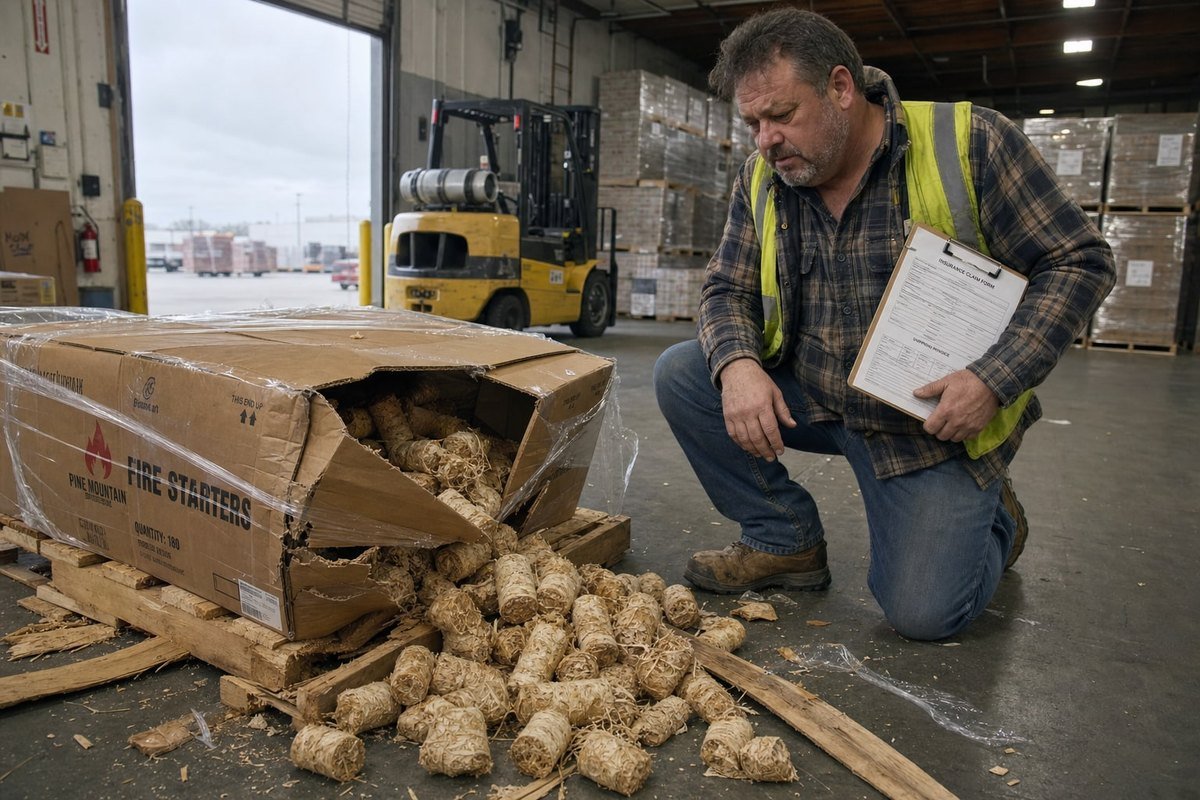
Shipping insurance for wood fire starters saved one of our buyers a five-figure loss last year. Without it, a crushed pallet becomes your problem alone — and margins vanish overnight.
To buy shipping insurance for wood fire starters, calculate your declared value, choose carrier insurance for small parcels or third-party cargo insurance for pallets, declare the product correctly under flammable solids classification rules, add coverage at label purchase or via an online form, and keep all invoices for claims.
The right coverage depends on your shipment size, your carrier, and your product classification. Below, I walk through each decision step by step, based on what actually happens in transit.
What Types of Shipping Insurance Coverage Should I Consider for Wood Fire Starters?
During our 17+ years exporting wax-dipped wood rolls to 30+ countries, we have seen every failure mode: lost cartons, crushed pallets, and moisture-ruined excelsior bundles.
Consider three coverage types: carrier-provided insurance for small parcel shipments, third-party package insurance for lower premiums and multi-carrier flexibility, and freight or cargo insurance for palletized wholesale loads. Match the coverage type to shipment value, volume, and how your fire starters are classified for transport.
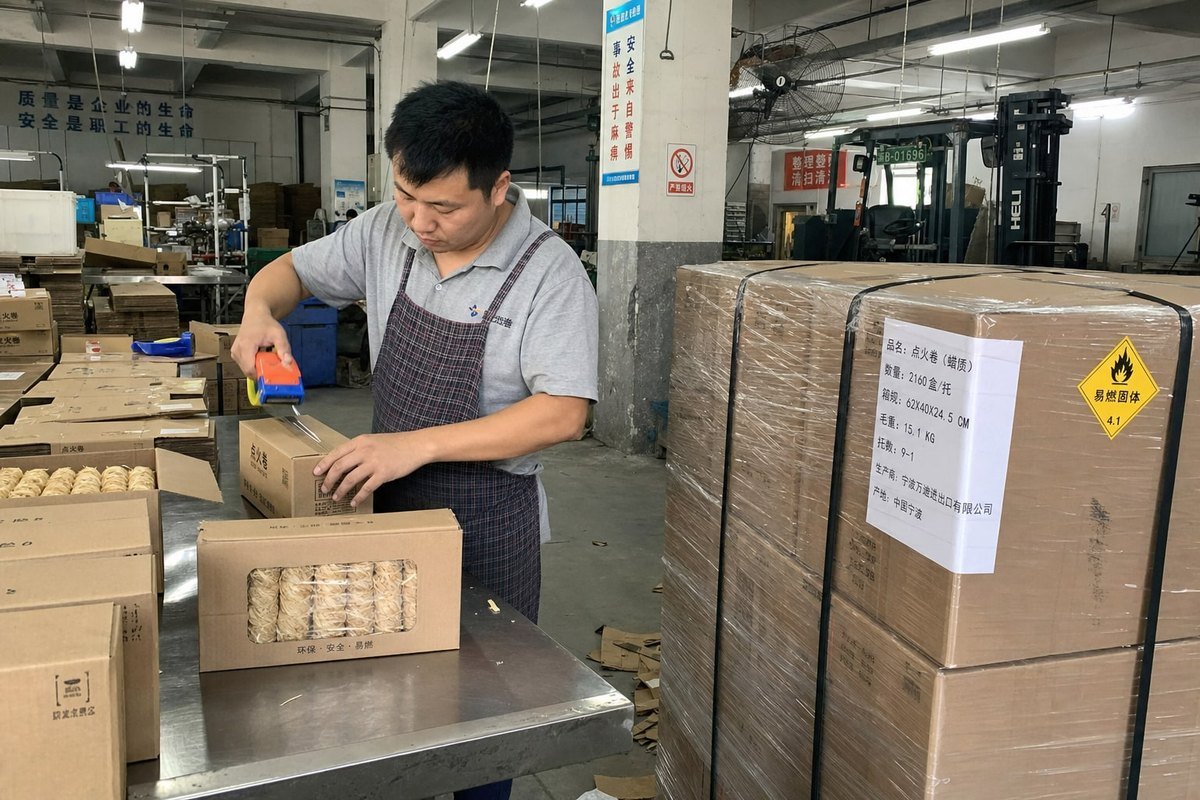
Your choice depends less on the product itself and more on how you ship it. Here is a quick comparison to frame the decision.
| Coverage Type | Best For | Typical Cost | Key Limitation |
|---|---|---|---|
| Carrier insurance (USPS 1, UPS, FedEx) | Single boxes, low volume | Flat fee or % of value; USPS from about $2.70 | Carrier liability limits often cap at $100 unless you buy more |
| Third-party parcel insurance (Shippo, Shipsurance, Secursus) | E-commerce sellers, multi-carrier shipping | As low as 1.25% of order value | Requires another vendor and strict claims documentation |
| Freight / cargo insurance | Pallets, LTL, container loads | Percentage of cargo value; deductibles from $500 | Deductibles and longer claim payment windows of 30–45 days |
Carrier Insurance
Carrier insurance is the simplest route. You add it at checkout when buying the label. USPS offers up to $5,000 in indemnity coverage, and some services include $100 automatically. But standard carrier liability limits are low. A case of 100-piece retail boxes can easily exceed that $100 default.
Third-Party Parcel Insurance
Third-party providers usually cost less and process claims faster. Some also reimburse label costs and return shipping, not just item value. If you ship through multiple carriers, one policy that covers all of them simplifies your workflow. Shipping protection software can even automate coverage on every order.
Freight and Cargo Insurance
For our wholesale buyers ordering pallets of fire starters, parcel insurance is the wrong tool. Freight insurance providers cover general commodities up to $100,000 or more, with deductibles and structured claims filing processes. If you import container loads, marine cargo insurance 2 belongs in your purchasing plan from day one.
One more point matters for this product category. Some wax-coated fire starters may fall under flammable solids classification 3 depending on formulation and destination rules. If you misdeclare them, insurers can void coverage entirely. Always confirm the classification with your supplier before buying a policy.
How Do I Calculate the Right Insurance Value for My Fire Starter Shipments?
A German distributor once asked us why his claim payout felt too small. He had insured wholesale cost only — not freight, duties, or replacement lead time.
Calculate insurance value by adding product cost, shipping charges, customs duties, and packaging costs, then decide whether to insure at wholesale or replacement value. For seasonal fire starter inventory, insure at replacement value, since a lost autumn shipment cannot be restocked before peak demand ends.

Getting the declared value coverage right is the single most important step. Insure too little, and a claim will not make you whole. Insure too much, and you overpay premiums while insurers only reimburse documented value anyway.
Build the Value Stack
Work through these components for each shipment:
- Product cost — your invoice price from the factory or your wholesale cost.
- Freight and label cost — some third-party policies reimburse this; carrier policies often do not.
- Duties and import fees — relevant for international B2B shipments.
- Packaging and labeling cost — custom retail boxes and warning labels are real money.
- Replacement urgency — seasonal goods carry hidden costs when reorders take weeks.
Weigh Premium Against Expected Loss
Insurance typically costs 0.5% to 4% of declared value. Here is how that plays out at different shipment sizes.
| Shipment | Declared Value | Premium at 1.5% | Premium at 4% | Worth Insuring? |
|---|---|---|---|---|
| Single retail box | $30 | $0.45 | $1.20 | Usually self-insure |
| Case of 12 retail packs | $300 | $4.50 | $12.00 | Yes, if margin is tight |
| Mixed carton order | $2,500 | $37.50 | $100.00 | Yes |
| Full pallet, wholesale | $15,000 | $225.00 | $600.00 | Always, via cargo policy |
For low-value single parcels, many sellers self-insure and absorb rare losses. That is a rational call. But once a shipment represents meaningful inventory or seasonal revenue, transit loss and damage risks justify the premium. In our experience shipping to the US and Europe, October and November shipments deserve replacement-value coverage every time, because a lost pallet in peak fireplace season cannot be replaced before the window closes. Also note that dynamic risk pricing is emerging — some insurers adjust premiums for flammable products based on seasonal or regional hazard data, so quote early rather than at the last minute.
Which Documents Do I Need to File a Successful Insurance Claim for Damaged Goods?
We photograph every export carton before it leaves our Ningbo production line. That habit started after a buyer's claim was denied purely for missing pre-shipment evidence.
A successful claim requires proof of insurance purchase, the commercial invoice showing item value, complete tracking records, high-resolution photos of the damaged goods and original packaging, and timely filing within the insurer's window — often 14 to 60 days depending on the provider.
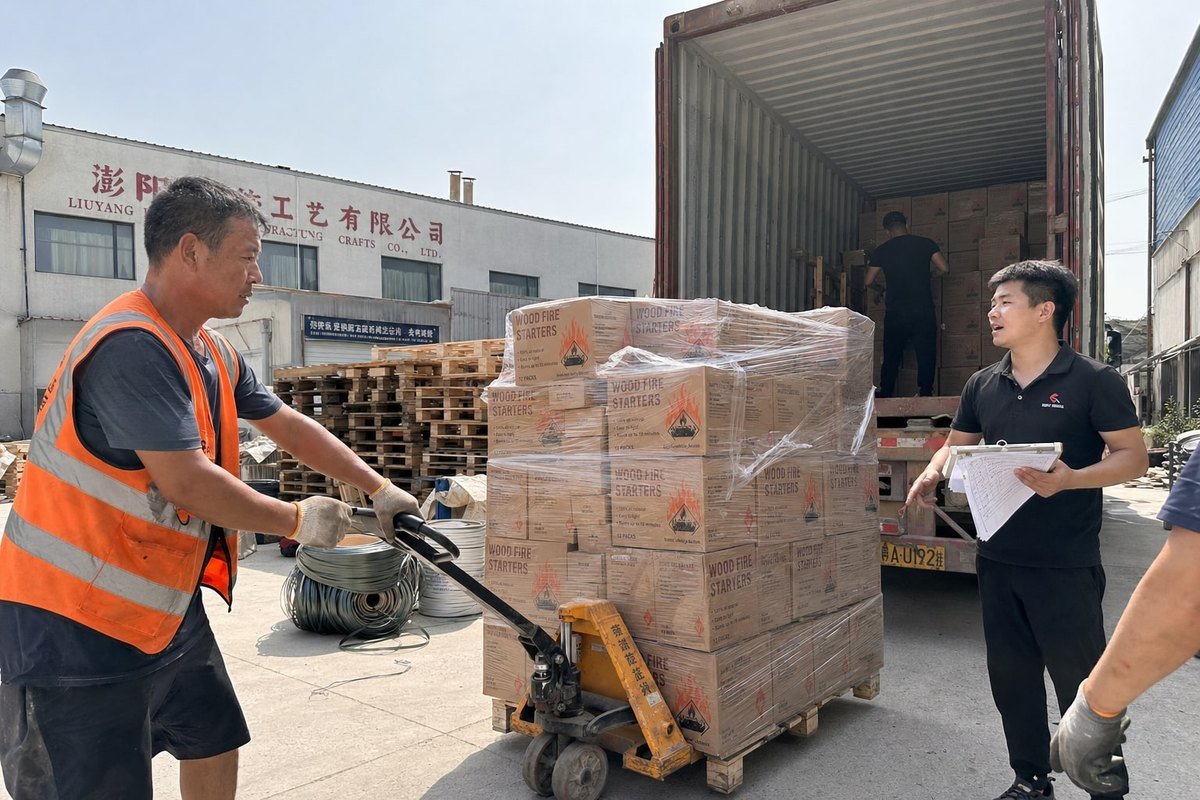
The claims filing process rewards preparation and punishes improvisation. Most denied claims fail on documentation, not on the merits of the damage itself.
The Core Document Checklist
| Document | Why Insurers Require It | Common Mistake |
|---|---|---|
| Insurance confirmation / policy number | Proves coverage was active for that shipment | Buying coverage after damage is discovered |
| Commercial invoice or receipt | Establishes declared value coverage basis | Declaring retail value but only proving wholesale cost |
| Tracking and delivery records | Confirms carrier custody and timeline | Discarding tracking data after delivery |
| Photos of damage and packaging | Shows damage occurred in transit, not before | Throwing away the crushed carton |
| Damage report or inspection notes | Supports concealed damage claims | Reporting concealed damage too late |
Preserve Everything
Do not discard the damaged fire starters or the outer carton. Insurers may request physical inspection. If wax rolls arrive crushed or moisture-damaged, photograph them inside the original packaging before touching anything. Shoot the shipping label, the box condition from all sides, and close-ups of the product damage.
Watch the Clock
Filing windows vary sharply. Some providers allow 60 days; others require concealed damage reports within days of delivery. Freight claims can take 30–45 days to pay out even when approved. Build a simple internal rule: inspect every inbound shipment within 48 hours and document immediately. For hazmat-adjacent products, also keep your Safety Data Sheet 5 and classification paperwork on file — insurers screening for misdeclared dangerous goods shipping will ask for it, and clean paperwork accelerates approval.
Can My Wood Fire Starter Manufacturer Help Me Reduce Shipping Risks Before Insurance Is Needed?
Here is a trade-off we weigh on every OEM order: thicker cartons add pennies per unit, yet they prevent the crushing damage that triggers most claims in the first place.
Yes. A capable manufacturer reduces shipping risk through crush-resistant export cartons, moisture barriers around wax-dipped rolls, correct hazmat shipping regulations paperwork, compliant warning labels, palletization standards, and pre-shipment inspection photos — cutting the odds you ever need to file a claim.
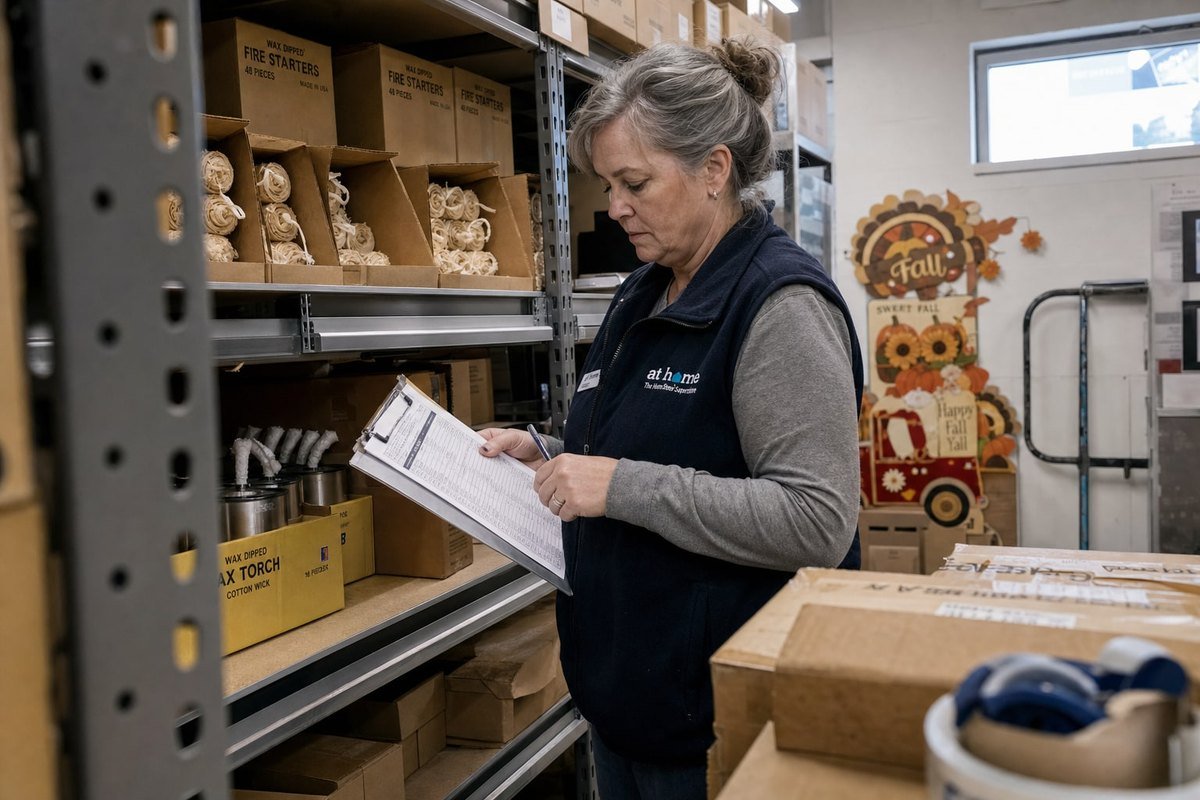
Insurance is the last line of defense, not the first. In our Liuyang and Ningbo operations, we treat packaging engineering as risk management, because a denied claim due to "unsuitable packaging" is a real exclusion in many policies. Insurers can reject claims if the goods were not packed to a reasonable transit standard.
Packaging That Protects Coverage
Wood wool fire starters face three transit threats: crushing, moisture, and abrasion. We address each at the factory level. Inner trays keep the wax-coated rolls from grinding against each other. Poly liners block humidity during ocean transit. Double-wall export cartons handle stacking loads. When we developed our retail display boxes, we ran drop and compression checks before approving them for private-label buyers, because the first shipment sets the tone for the whole partnership.
Compliance Paperwork That Keeps Insurance Valid
Documentation matters as much as cardboard. Our ISO 9001 6, BSCI, CE, and SGS/Intertek certifications come with test reports we share with buyers. Those reports help you declare the product accurately. If your fire starters need limited quantity markings or specific classifications under hazmat shipping regulations 7 for certain routes, mislabeling can void your policy. Some routes restrict air transport for flammable goods, so ground or sea shipping keeps coverage intact and premiums lower. Leveraging limited quantity exemptions, where applicable, also avoids full-scale hazmat surcharges.
What to Ask Your Supplier
Request pre-shipment photos of every packed carton. Ask for the carton compression specs. Confirm the wax formulation and its transport classification. Confirm pallet wrapping and corner protection standards. A factory partner who answers these questions quickly is actively lowering your insurance risk — and your claim frequency — before goods ever leave the dock.
Conclusion
Uninsured fire starter shipments risk real losses. Match coverage to shipment type, insure full replacement value, document everything, and partner with a factory that packs and classifies goods correctly.
Footnotes
1. Current official USPS page for domestic shipping insurance and extra services. ↩︎
2. Background on cargo insurance for container and pallet loads mentioned in article. ↩︎
3. Explains transport classification rules referenced for wood fire starter shipments. ↩︎
4. Wikipedia background on declared value and cargo insurance concepts used throughout. ↩︎
5. Official OSHA Hazard Communication page covering SDS and GHS standards. ↩︎
6. Official ISO standard page relevant to certifications cited in the article. ↩︎
7. Government source detailing hazardous materials transport rules mentioned twice. ↩︎



 English
  Spanish
  German
  French
  Arabic
  Portuguese
Join the Conversation