






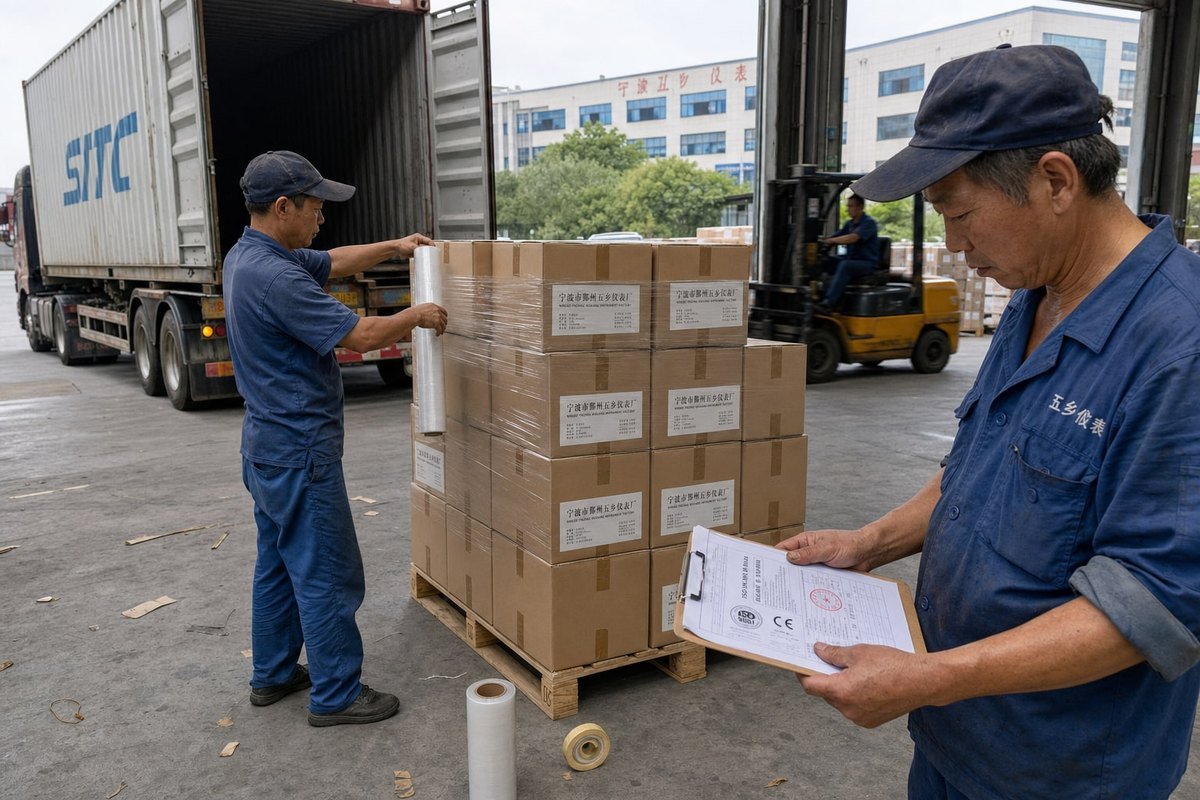
Wood fire starter packaging fails more often than buyers expect ISTA drop testing 1. On our production line in Ningbo, we have seen perfect wax-dipped rolls ruined by one damp container ride. That loss is avoidable.
Wood fire starter packaging survives long-distance shipping when you combine sealed moisture-resistant inner wraps, double-wall corrugated cartons, full void fill, H-taped closures, and stable palletization. Verify the system with drop, compression, and humidity testing, and confirm compliance documents before loading a full container.
That is the short answer. Now let me walk you through each layer, the tests that matter, the certifications to request, and how to keep costs sane.
What packaging materials keep my wood fire starters safe during ocean freight?
A few years back, one of our German distributors reported crushed cartons on arrival. The cause was not the sea. It was empty space inside each box. We redesigned the whole stack.
Ocean freight demands layered protection: a water-resistant inner wrap or poly bag around each unit, double-wall corrugated boxes with a strong edge-crush rating, dense void fill to stop shifting, desiccant packs for humidity control, and reinforced tape sealing every carton seam.
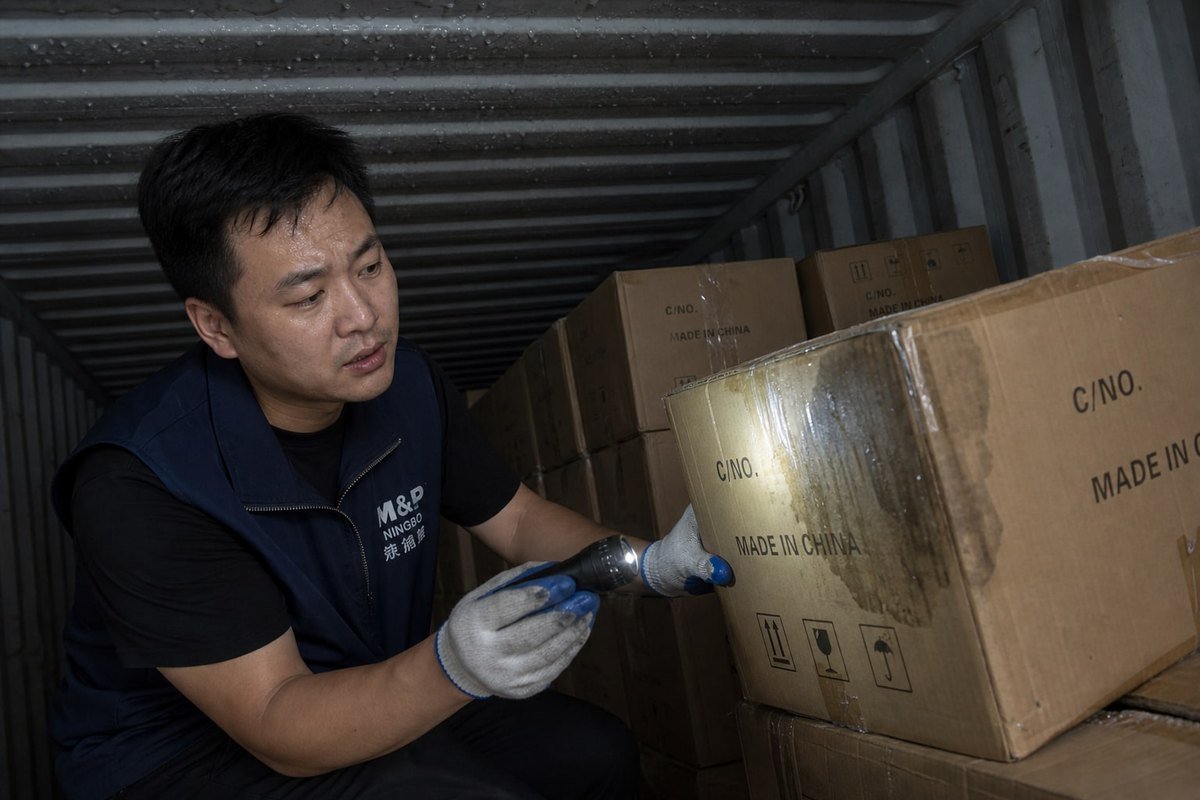
Ocean transit is the harshest environment your product will ever face. A container can spend four to six weeks at sea. During that time, temperatures swing, humidity climbs, and shipping container condensation — often called "container rain 2" — drips onto the top layer of cargo. For wax-dipped wood wool rolls like ours, moisture is the number one enemy. A fire starter that absorbs humidity may still look fine, but it will not ignite well. Your customer only cares about performance on arrival.
The four failure modes to design against
Export packing guidance points to four core risks: breakage, moisture, pilferage, and excess weight. For wood fire starters, I would rank moisture first, crushing second.
| Failure Mode | What Happens | Primary Defense |
|---|---|---|
| Moisture damage | Wood fiber absorbs humidity, ignition suffers | Sealed poly bags, barrier liners, desiccants |
| Crushing | Cartons collapse under container stacking | Double-wall corrugated, high ECT rating |
| Shifting | Units collide, frayed ends abrade, boxes tear | Void fill, dividers, snug inner packs |
| Heat softening | Wax coating deforms in hot containers | Heat-tolerant wax blend, ventilated stowage |
Build the packaging stack layer by layer
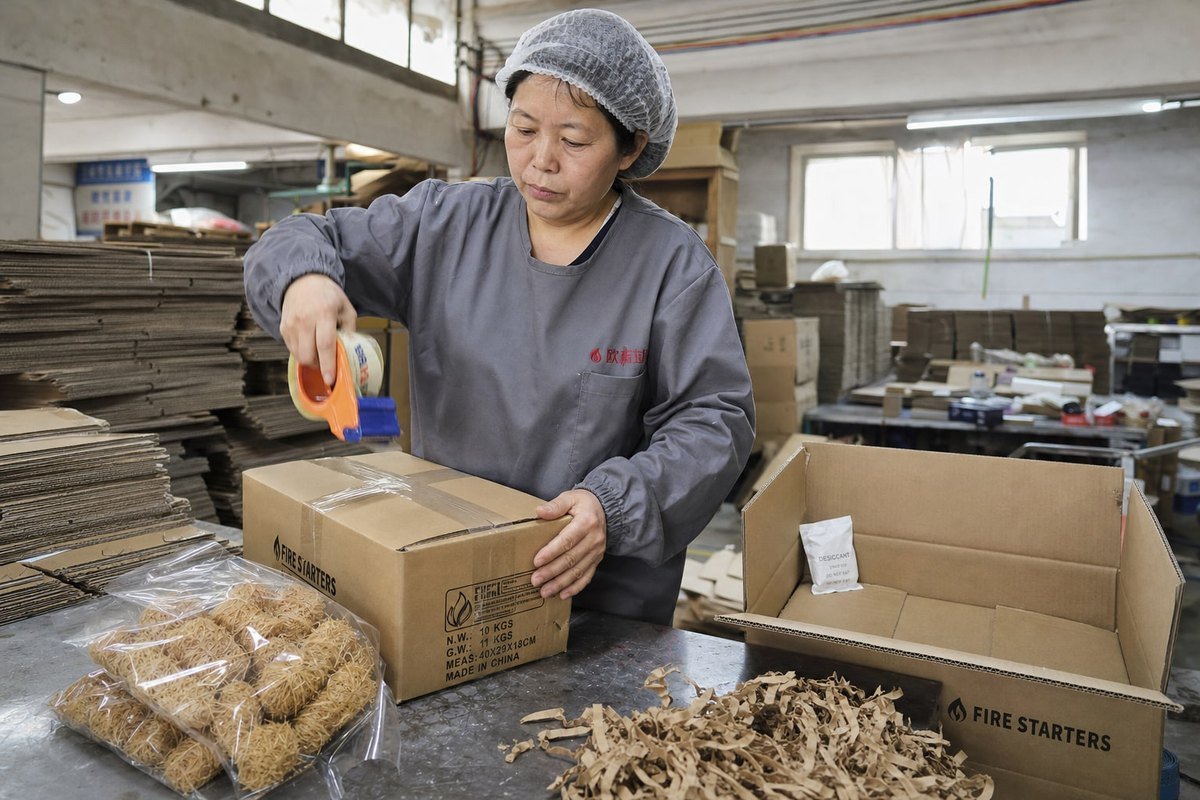
Start with primary packaging. Each fire starter, or each inner bundle, should sit inside a water-resistant wrapper or sealed sachet. This is your first line of defense, not your only one. Next comes the secondary carton. We recommend double-wall corrugated board for any route longer than a domestic truck run. Check corrugated box strength through burst-test and edge-crush test 3 values rather than trusting how thick the board feels.
Then eliminate every void. Loose contents are the leading cause of internal damage. Protective dunnage — paper fill, molded pulp inserts 4, or honeycomb dividers — locks the product in place. Finally, seal with pressure-sensitive tape at least 48 mm wide, applied in an H-pattern across every seam. On humid routes, we add desiccant packs inside each master carton. It is a small cost that protects the one thing the product must do: light a fire.
One more nuance from our factory floor: do not over-tighten the cushioning. Wax-coated rolls can deform if inserts press too hard. The box should close without force.
How can I test my supplier's packaging before committing to a full container order?
Before one of our US buyers placed their first 40-foot order, they asked us to ship a trial carton by regular courier — the roughest handling test money can buy. Smart move.
Test supplier packaging by requesting ISTA drop testing or an equivalent transit simulation, ordering trial cartons shipped via standard courier, running a humidity exposure check on samples, and reviewing box compression data. Approve full container orders only after samples survive these staged trials intact.
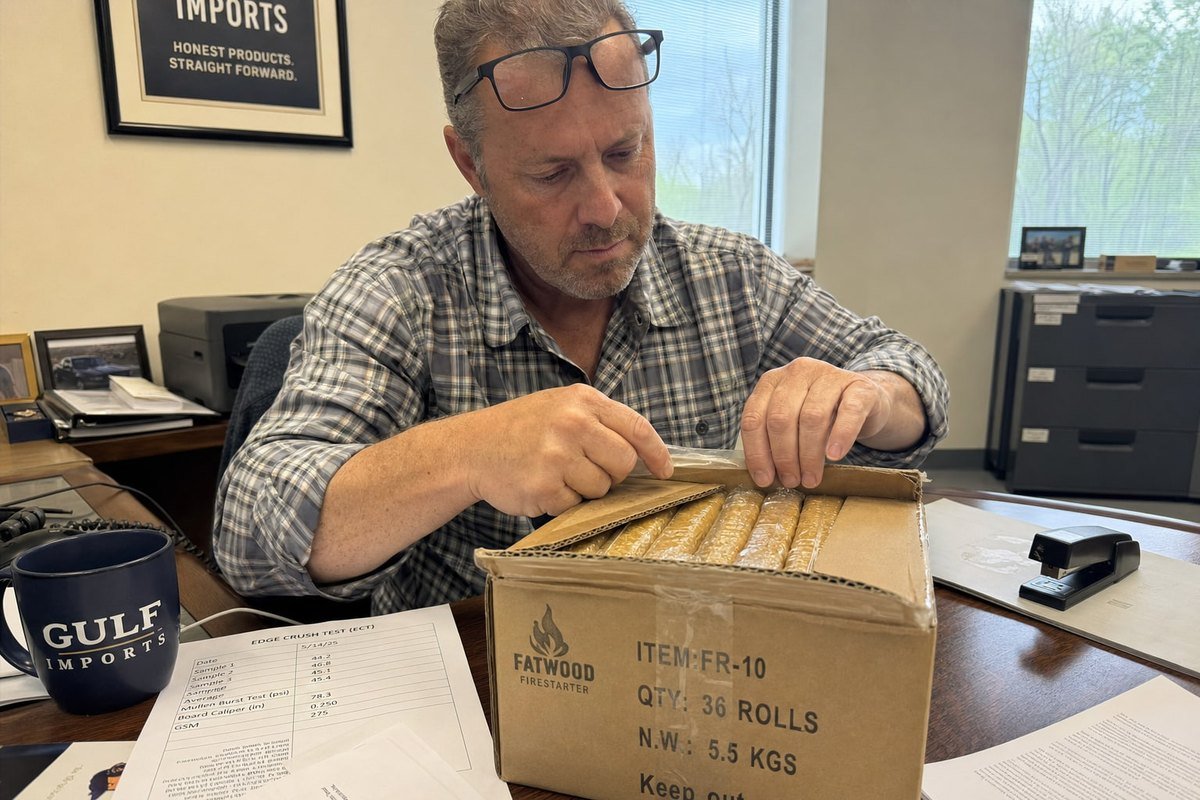
You should never let a full container be your first real-world test. Transit damage prevention starts with structured trials, and most of them are cheap. Here is the sequence we recommend to buyers, based on how we validate our own export cartons.
A five-step pre-order testing process
- Request lab data first. Ask your supplier for burst-test and edge-crush test 5 values on the master carton. If they cannot produce these numbers, that tells you something.
- Ask about ISTA drop testing. ISTA transit simulation protocols model drops, vibration, and compression. Even if the supplier tests to an internal standard rather than a certified lab, ask to see the procedure and results.
- Ship a trial carton by courier. A parcel that crosses the ocean through DHL or FedEx endures more handling points than a palletized container load. If your packaging survives courier abuse, it will likely survive freight.
- Run a humidity check. Leave a sealed sample in a humid room, or a garage, for two weeks. Then try to light the fire starter. Wood fiber and wax should still catch quickly. This simple test exposed a weak inner bag for one of our early designs, and we upgraded the seal.
- Do your own drop test on arrival. Drop the received carton from waist height onto each corner and face. Open it. Count damaged units.
What good results look like
| Test | Pass Criteria |
|---|---|
| Courier trial shipment | Carton intact, less than 2% units with cosmetic damage |
| Corner drop test | No burst seams, no crushed corners exposing product |
| Humidity exposure | Sample ignites within normal time after two weeks |
| Stacking check | Bottom carton shows no bulging under a full pallet-height load |
Document everything with photos. When we onboard a new private-label client, we send them this exact evidence pack with the pre-production sample. It saves both sides from expensive surprises.
What certifications should I request to confirm my fire starter packaging meets international shipping standards?
Compliance questions come up in almost every first call we take from European buyers. In our experience exporting to 30+ countries, the paperwork conversation should happen before the price conversation.
Request the supplier's product safety test reports from labs like SGS or Intertek, transport classification confirming the item's status under flammable solids regulations, ISPM 15 heat-treatment marks for any wood pallets, and factory-level certifications such as ISO 9001 and BSCI for quality assurance.
Certification splits into three layers: the product, the transport classification, and the factory. Buyers often check only one layer and get caught on another. Let me break down all three.
Product and packaging documentation
First, ask for third-party test reports. At our factory, SGS and Intertek reports are standard deliverables, because for our US and EU buyers this is a hard requirement, not a nice-to-have. Reports should confirm the product contains no harmful chemicals and performs as labeled. For the packaging itself, ask for the corrugated board grade specification 6 and, if wooden pallets or crates are used, the ISPM 15 heat-treatment stamp 7. Customs in most countries will reject untreated wood packaging, and that means your whole container sits in a bonded warehouse while you scramble.
Transport classification matters more than people assume
Many wax-and-wood fire starters are not classified as dangerous goods for transport. But this varies by formulation and region. Some products with accelerants fall under flammable solids regulations and require UN-certified packaging and hazard labels. Ask your supplier for a transport classification statement or safety data sheet 8 that states the product's status clearly. Never assume. We provide this document with every quotation, because a wrong classification can void your cargo insurance.
The document checklist
| Document | What It Proves | Who Issues It |
|---|---|---|
| SGS / Intertek test report | Product safety and composition | Third-party lab |
| Transport classification / SDS | Dangerous goods status | Supplier, based on formulation |
| ISPM 15 stamp | Pest-treated wood packaging | Certified treatment facility |
| ISO 9001 certificate | Consistent quality management | Accredited certification body |
| BSCI audit report | Ethical factory conditions | Audit organization |
| CE marking (where applicable) | EU market conformity | Supplier declaration + testing |
Also request correct warning labels and barcodes on retail packaging. We handle these as part of one-stop OEM work, but whoever your supplier is, confirm labels match your destination market's language and legal requirements before mass production.
How do I balance sturdy protective packaging with cost-effective shipping for my import business?
There is a trade-off we weigh on every OEM quotation: a stronger carton adds cents per unit, while one damaged shipment can erase the margin on thousands of units. The math usually favors protection — but not blindly.
Balance protection and cost by matching packaging strength to route risk, standardizing carton sizes for efficient palletization, using sealed inner bags instead of over-built outer boxes, and cutting dead space rather than material quality. Spend on moisture barriers first; they protect the product's core function.

Over-engineering wastes money. Under-engineering destroys product. The goal is right-sizing, and the biggest levers are not where most buyers look.
Cut cube, not quality
Freight is billed on volume as much as weight. Wood fire starters are light, so your real cost driver is cubic space. A carton designed 15% smaller — with dividers that use the product's own rigidity as internal structure — ships more units per pallet without any loss of protection. When we redesigned one client's 100-piece retail box, tightening the internal honeycomb layout let us fit more master cartons per pallet layer. The protective performance actually improved because nothing could shift.
Match protection to the route
A short truck route to a domestic warehouse does not need the same armor as a multi-leg journey through a humid port, an ocean crossing, and a cross-dock. Grade your packaging accordingly:
| Route Type | Recommended Level | Key Additions |
|---|---|---|
| Domestic ground | Single-wall carton, basic void fill | Standard tape sealing |
| Air freight export | Double-wall carton, sealed inner bags | Pressure-tolerant inner packaging |
| Ocean freight (temperate) | Double-wall, H-taped, palletized | Desiccants in master cartons |
| Ocean freight (tropical/humid) | Double-wall plus barrier liner | Heavy desiccant loading, humidity indicators |
Small spends with big returns
Prioritize in this order. First, moisture-resistant packaging at the unit level — it protects ignition performance, which is the product. Second, void elimination, because shifting causes more damage than impacts do. Third, a sound palletization strategy: uniform carton sizes, even weight distribution, no overhang, and stretch wrap with corner boards. Fourth, wax formulation — we specify a wax melting point suited to summer container temperatures for shipments heading to the Middle East or Brazil, so pucks arrive firm, not fused together. Each of these costs little. Skipping any of them costs a claim.
Conclusion
Strong wood fire starter packaging is a system, not a box. Layer moisture barriers, sturdy cartons, void fill, testing, and compliance documents — and your container arrives sale-ready.
Footnotes
1. ISTA is the authoritative body defining transit simulation and drop-test protocols referenced here. ↩︎
2. IMO explains cargo condensation risks in ocean containers, supporting the moisture-damage claim. ↩︎
3. Defines the standard for measuring the compressive strength of corrugated board. ↩︎
4. Explains the use of recycled paper materials for protective packaging inserts. ↩︎
5. TAPPI publishes standard methods for edge-crush and burst testing of corrugated board. ↩︎
6. FEFCO defines corrugated board grading standards relevant to packaging strength specifications. ↩︎
7. IPPC governs ISPM 15 wood packaging treatment standards required for international customs clearance. ↩︎
8. Official government guidelines for standardized safety data sheets in workplace safety. ↩︎



 English
  Spanish
  German
  French
  Arabic
  Portuguese
Join the Conversation