






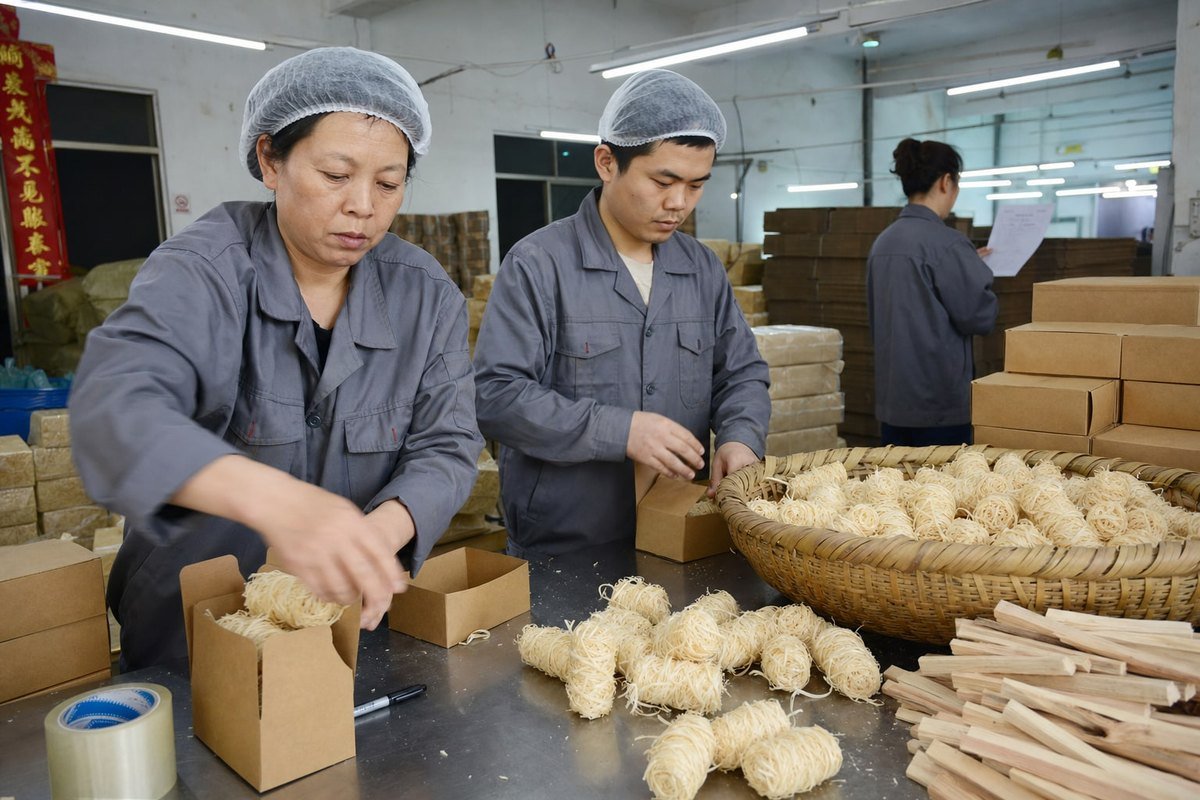
Wood fire starters look cheap on paper, and that scares many brand managers flammable-goods shipping documentation 1. On our production line, I have watched buyers hesitate, worried a low-cost giveaway will cheapen a big grill launch. The truth is more nuanced.
Wood fire starters are a cost-effective giveaway for grill product launches. Unit costs often stay under a dollar, they solve the customer's first real problem—lighting the fire—and with branded packaging they deliver stronger promotional ROI than generic swag like pens, magnets, or apparel.
But cost per unit is only half the story. The real question is fit, compliance, branding, and logistics. Let me walk you through each one, based on what we see from real buyers every season.
How do wood fire starters compare to other giveaway options for grill product launches?
Last spring, a German BBQ distributor asked me to price wood wool firelighters 2 against branded spatulas for the same launch budget. The math surprised even him, and it changed his whole campaign plan.
Wood fire starters beat most giveaway alternatives on cost, relevance, and repeat use. At pennies per unit, they undercut spatulas, aprons, and metal tools, while a multi-pack delivers brand exposure across several grilling sessions instead of a single impression.
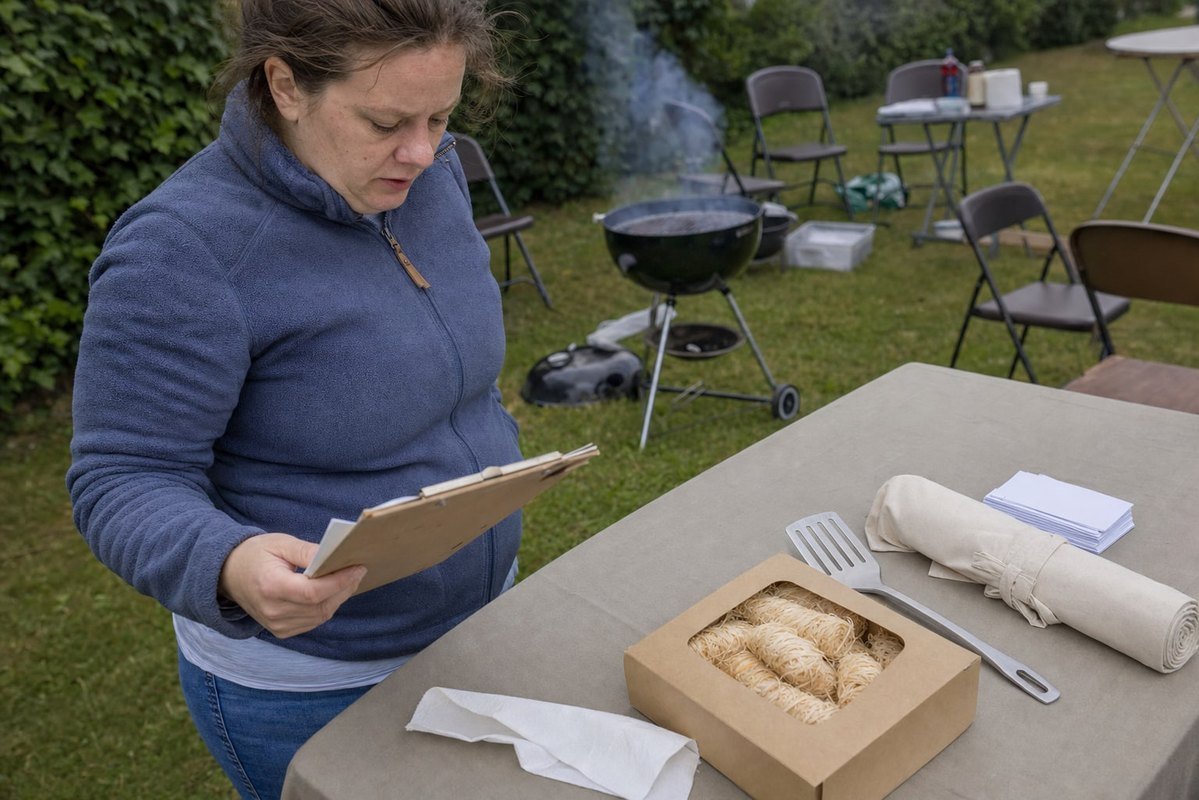
Here is a quick side-by-side view of the most common options we see buyers weigh:
| Giveaway Option | Typical Unit Cost | Relevance to Grilling | Repeat Brand Exposure | Shipping Weight |
|---|---|---|---|---|
| Wood fire starters (multi-pack) | Very low | Direct — used at first light | High (one impression per session) | Light |
| Branded spatula or tongs | Medium–high | Direct | Medium | Heavy |
| BBQ rub or sauce sample | Medium | Direct | Low (single use) | Medium |
| Branded apparel (cap, apron) | High | Indirect | Medium | Medium |
| Fridge magnet or lighter | Very low | Weak | Low | Light |
| Discount coupon | Near zero | Indirect | Low | None |
Why utility wins over prestige
A giveaway only works if the customer keeps it and uses it. In my experience shipping fire products to 30+ countries, the items that get reordered are the ones end users actually burn. A fire starter is used on day one. A magnet is ignored on day one. That difference drives promotional ROI far more than the sticker price does.
There is also a psychological angle. A reliable starter acts as a "success anchor." The customer's very first cookout goes smoothly, with no lighter fluid smell and no frustration. Fewer bad first experiences mean fewer returns and better reviews for the grill itself. That is value no cap or coupon can deliver.
Where fire starters lose
I will be honest about the weak spots. For a premium smart-grill launch, a bare fire starter can feel off-brand unless the packaging is elevated. And for pure awareness campaigns focused on reach, a coupon or digital promo may travel further. Fire starters are a conversion and trial tool, not a prestige gift. Match the tool to the goal.
The universal compatibility point matters too. Wood wool firelighters work with charcoal, wood, and pellet platforms alike, so you never guess wrong about what your audience owns.
What certifications should I verify before ordering wood fire starters as promotional giveaways?
A UK importer once told me his previous supplier's shipment was held at customs for missing test documentation. That single delay cost him his entire spring launch window. Compliance is not paperwork—it is your timeline insurance.
Before ordering, verify the factory holds ISO 9001 for quality management, BSCI for social compliance, CE marking where applicable, and third-party test reports from labs like SGS or Intertek. Also confirm correct warning labels and flammable-goods shipping documentation for your market.

Certification is the first thing serious buyers ask us about, and it should be the first thing you check. Here is the checklist I recommend to every purchasing manager who contacts our factory:
| Certification / Document | What It Proves | Why It Matters for Giveaways |
|---|---|---|
| ISO 9001 3 | Quality management system | Batch-to-batch consistency, so mass production matches your approved sample |
| BSCI audit | Ethical, socially compliant production | Required by many US and EU retail chains before listing |
| CE marking 4 | EU conformity where applicable | Smooth customs clearance into European markets |
| SGS / Intertek test reports | Independent lab verification | Proof of chemical-free ignition claims and safe composition |
| Warning labels & barcodes | Retail and consumer safety compliance | Shelf-ready packaging that retailers will accept |
Why chemical-free composition needs proof
Many suppliers claim eco-friendly fire starters. Fewer can prove it. At our facility in Ningbo, we run our wax-dipped wood rolls through third-party testing precisely because "natural" is a marketing word until a lab report backs it up. Grill purists actively avoid petroleum odors that taint food. If your giveaway claims chemical-free ignition, your buyer—and their retailer—will eventually ask for the report. Have it ready before they ask.
Shipping compliance is part of certification too
Fire starters contain paraffin or wax. Depending on the composition and destination, you may need specific shipping classifications and documentation. In our 17+ years exporting to the US, Germany, France, and beyond, we have learned that a factory experienced with international freight paperwork saves you weeks. Ask your supplier directly: which markets have you shipped this exact product to, and can you show the documents?
A quick rule of thumb: if a supplier hesitates on any of the five items in the table above, treat it as a red flag, not a negotiation point.
Can wood fire starters be custom-branded to match my grill product launch campaign?
Packaging design is where I spend surprisingly many of my working hours. Our OEM team recently built a full private-label program 5 for a Dutch outdoor brand—custom box, launch-themed sleeve, QR code, and all—around a plain wood wool starter.
Yes, wood fire starters support full custom branding. Options include private-label boxes, printed sleeves, custom pack counts, logo-printed display packaging, QR codes linking to launch campaigns, tailored burn times, and coordinated colors that match your grill brand's visual identity.
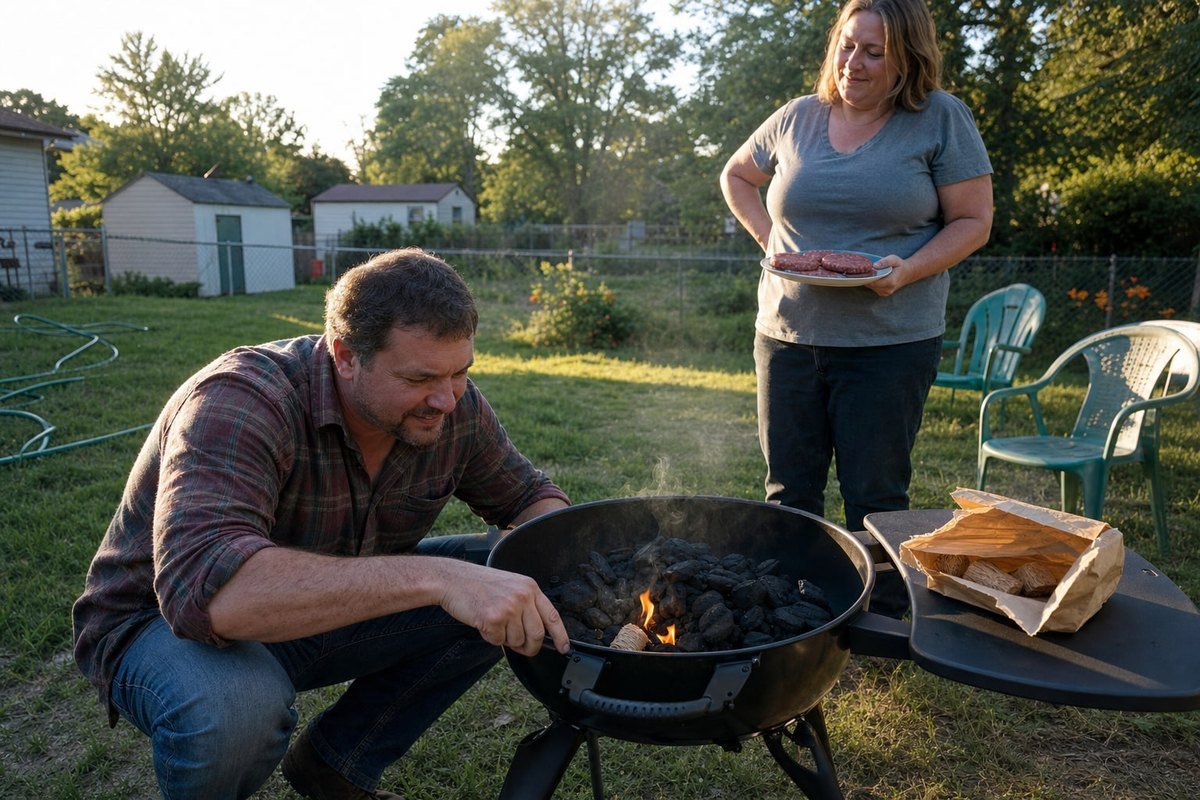
The starter itself is a natural, fibrous wood roll—rustic and honest-looking, but unbranded. The packaging carries your campaign. That separation is actually an advantage: the product signals authenticity while the box signals your brand.
What you can customize
From our one-stop OEM/ODM production, here is what a typical branding project covers:
- Retail box or pouch design — full-color printing, your logo, launch messaging, and campaign taglines.
- Pack count — small 4–6 piece giveaway packs for trade show giveaways, or 24–100 piece retail packs for purchase-with-purchase bundles.
- Product specs — size and burn time tuned to your grill; a large kamado 6 benefits from a longer-burning roll than a portable kettle.
- Compliance elements — warning labels, barcodes, and composition statements formatted for your target market.
- Display packaging — counter displays and shelf-ready cartons for retail placement.
Turning a physical item into a digital lead
The smartest move we see is adding a QR code to the box. It can link to warranty registration, a "first light" tutorial video, or an exclusive recipe series. Suddenly a sub-dollar item becomes a lead-capture tool, and you can measure redemption instead of guessing at brand visibility. One of our European clients tracks post-launch conversion through exactly this mechanism, which turned their giveaway budget from a cost line into a measurable marketing channel.
There is also a story angle worth considering. If your grill brand emphasizes sustainability, packaging that highlights recycled wood wool and natural wax positions the giveaway as part of an eco-friendly product family, not a throwaway promo. Custom branded BBQ accessories work hardest when the story on the box matches the story of the launch.
What MOQ and lead time can I expect when sourcing wood fire starters for a launch event?
Timing is the trade-off I discuss most with new buyers. A launch date is fixed; production, sea freight 7, and customs are not. I have seen well-planned campaigns succeed and rushed ones scramble, and the difference is almost always when the order was placed.
Expect MOQs from roughly 1,000–5,000 packs for custom-branded fire starters, with lower thresholds for stock packaging on trial orders. Standard production takes 15–30 days, plus 25–40 days sea freight, so order 2.5–3 months before your launch event.
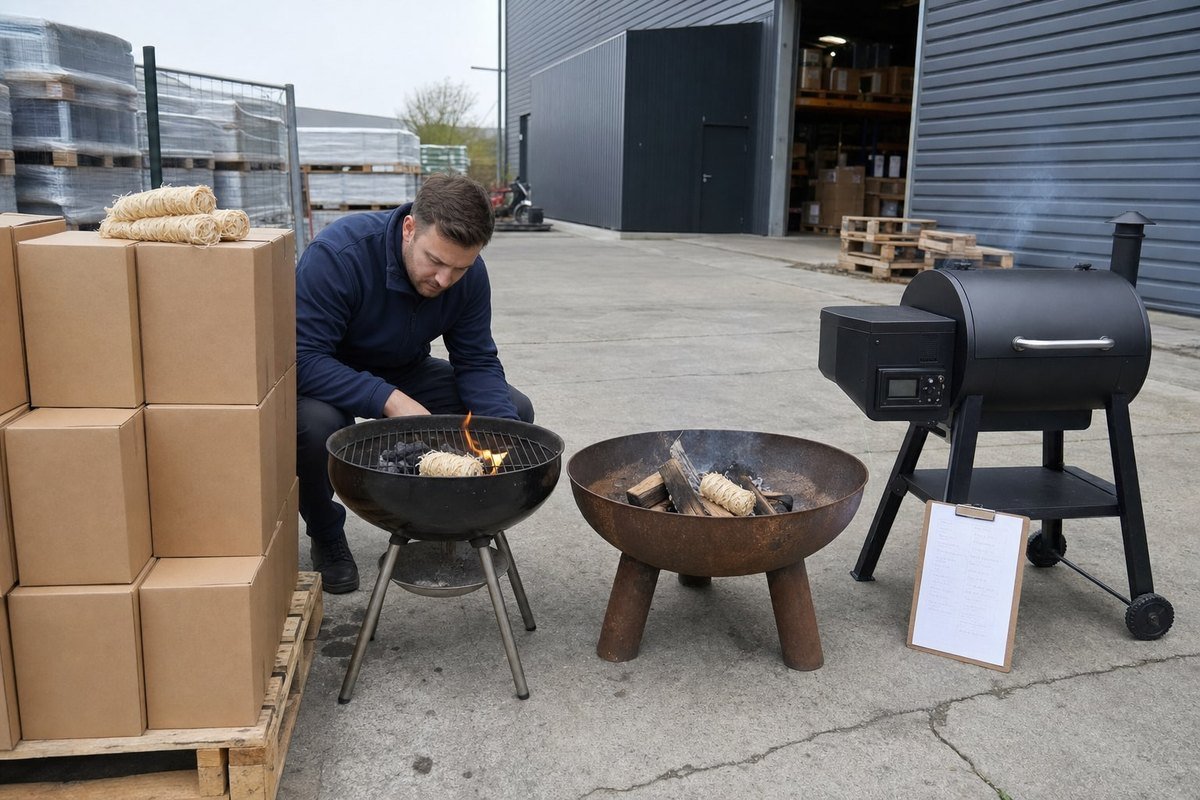
Here is the realistic timeline breakdown we walk buyers through:
| Stage | Typical Duration | Notes |
|---|---|---|
| Sample approval | 7–14 days | Includes packaging proof and burn testing |
| Mass production | 15–30 days | Depends on pack count and packaging complexity |
| Quality inspection | 2–5 days | Third-party inspection available on request |
| Sea freight (to US/EU) | 25–40 days | Air freight possible but rarely economical for wax goods |
| Customs & inland delivery | 5–10 days | Faster with complete compliance documents |
Trial orders and flexible MOQs
Not every launch needs a full container. In our experience working with importers testing a new market, a sensible path is a smaller trial order with stock or semi-custom packaging first, then a full private-label run once the concept proves itself. Ask your supplier whether they offer flexible MOQs for trial orders—a real factory with its own lines usually can, while a trading company often cannot.
Seasonality changes everything
Grill season demand peaks in spring. That means factory schedules fill up from January onward for Northern Hemisphere launches. If you are targeting the shoulder seasons—early spring or late fall, when damp conditions make fire starters most valuable to end users—plan your order in the preceding quarter. Fatwood fire starters and wax-coated wood rolls store well, so ordering early carries little risk. Ordering late carries the risk of missing the event entirely, no matter how good the outdoor cooking equipment you are launching is.
One more practical tip: consolidate your fire starters with other launch materials in one shipment where possible. Fire starters are light for their value, which keeps freight costs per unit low, but a consolidated shipment simplifies customs and cuts handling fees.
Conclusion
A weak giveaway wastes budget and can even dent a launch. A relevant one converts. Wood fire starters cost pennies, get used on day one, and carry your brand into every cookout—provided you verify certifications, invest in branded packaging, and order early. In our 17+ years supplying fire-starting goods to brands across 30+ countries, the buyers who treat the giveaway as part of the product experience, not an afterthought, are the ones who reorder. Choose utility, prove compliance, and let the first flame sell the grill.
Footnotes
1. IMO governs international dangerous goods shipping rules relevant to wax-based fire starter exports. ↩︎
2. Background reference explaining firelighter products discussed throughout the article. ↩︎
<span id="footnote-



 English
  Spanish
  German
  French
  Arabic
  Portuguese
Join the Conversation