






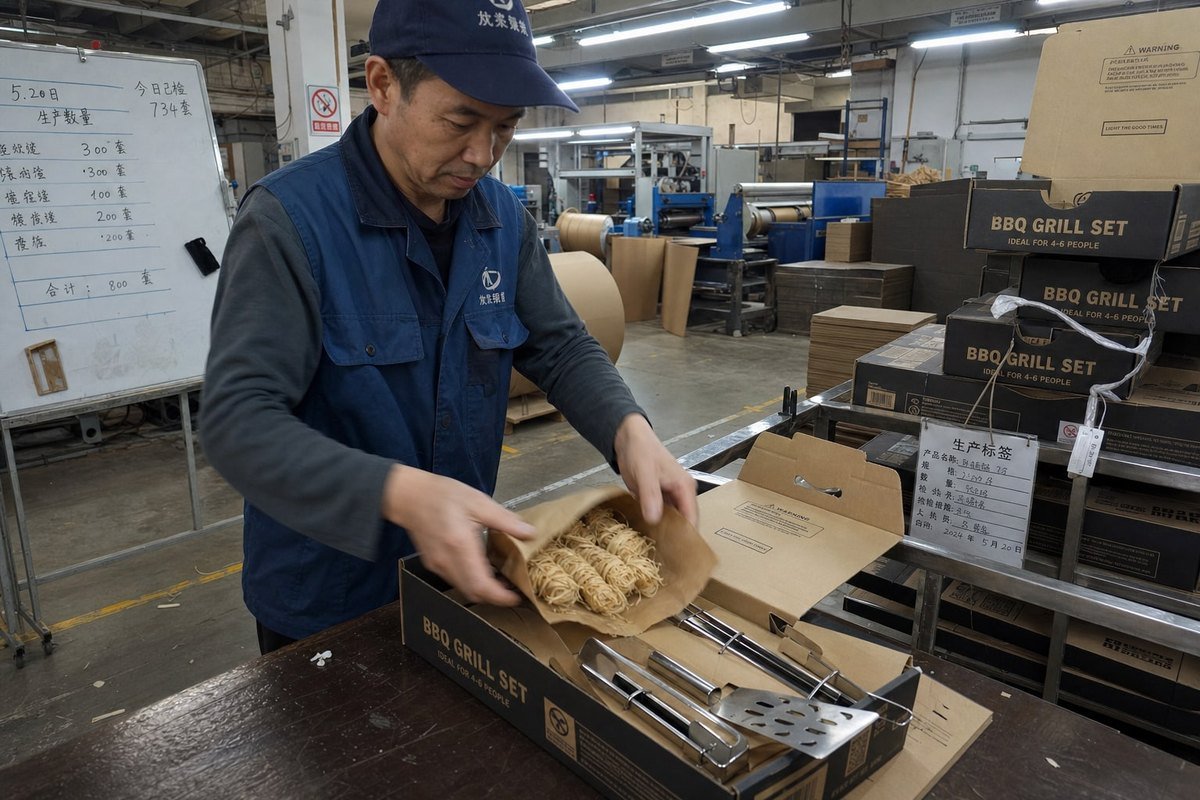
Wood fire starters in grill sets sound simple — until a bundle flops. On our production line in Ningbo, we have watched buyers guess wrong, lose margin, and stall a whole seasonal launch.
Yes, wood fire starters make an excellent bonus gift in grill sets aimed at charcoal, smoker, and fire-pit users. They add immediate out-of-the-box usefulness at low cost, raise perceived value, and strengthen the "ready-to-grill" feel — provided they are compliant, well-packaged, and matched to the fuel type.
The idea sounds easy. The execution is not. Below, I walk through the four questions our B2B buyers ask most often before they commit to a bundled program.
Will Adding Wood Fire Starters as a Bonus Gift Increase My Grill Set's Perceived Value?
A German fireplace distributor once told me his return rate dropped after he added our wax-dipped wood rolls to his BBQ starter gift sets. His words: "The gift now works on day one." That stuck with me.
Yes, in most cases. Wood fire starters increase perceived value because they guarantee first-use success, eliminate lighter fluid, and signal a complete, thoughtful bundle. The uplift is strongest for charcoal grills, smokers, and entry-to-mid-range grilling gift bundles targeting beginners and gift buyers.
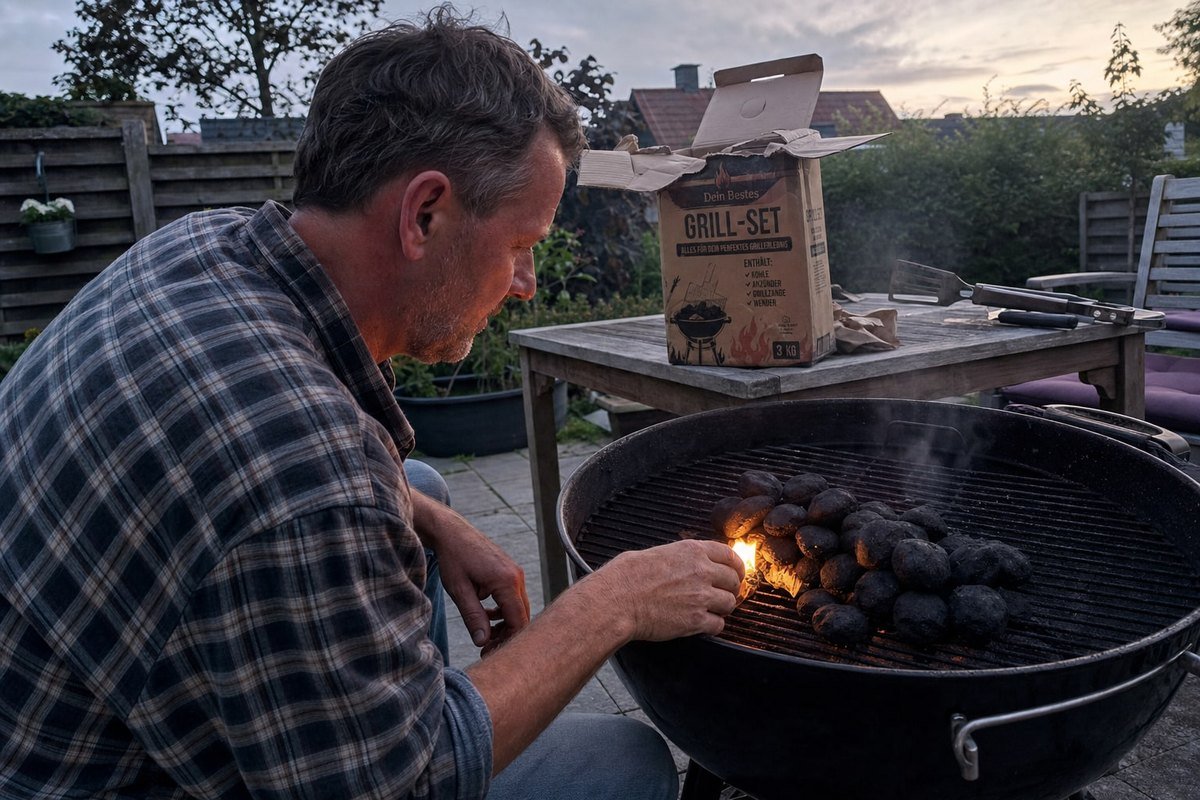
Perceived value is not about the cost of the item. It is about what the item does for the customer in the first ten minutes of ownership. A grill set without ignition is an incomplete promise. A grill set with natural tinder for grilling included is a complete experience. That difference is what buyers remember — and what they write about in reviews.
Why the Value Uplift Is Real
There are four practical drivers behind the uplift:
- Immediate functionality. The recipient can light charcoal the same day, with no store trip for lighter fluid or a charcoal chimney starter.
- Flavor protection. Wood wool 1 fire lighters made with food-grade wax 2 burn clean. Chemical lighter fluid can taint expensive cuts of meat. Gift buyers understand this instantly.
- Reciprocity effect. A useful bonus triggers goodwill. In our buyers' experience, bundles with a small consumable extra tend to earn earlier, warmer reviews.
- Repeat-purchase bridge. The fire starter is a consumable sample. When it runs out, the customer looks for your brand again — a natural entry into refill sales.
Where the Uplift Weakens
Honesty matters here. If your grill set is a premium gas-grill package 3, a fire starter can feel irrelevant. And if the bundle already includes a charcoal chimney starter or electric igniter, a basic starter puck may look redundant unless it is positioned as a camping or fire-pit extra.
| Grill Set Type | Fit for Fire Starters | Why |
|---|---|---|
| Charcoal grill bundle | Excellent | Directly solves ignition friction |
| Offset smoker kit | Excellent | Long, clean ignition matters for flavor |
| Fire pit / camping set | Very good | Multi-purpose outdoor use |
| Entry-level gift set | Very good | Beginners lack ignition supplies |
| Premium gas grill set | Weak | No charcoal to light; feels like filler |
The rule I give purchasing managers is simple: match the bonus to the fuel. If the end user burns charcoal or wood, the bonus lands. If they turn a knob for propane, choose a different value-added promotional item.
What Compliance Certifications Should I Require Before Bundling Fire Starters With My Grill Products?
Compliance is where I have seen the most expensive mistakes. In our 17+ years exporting fire-starting goods to 30+ countries, every shipment we send to the US or EU travels with test report 4s — because customs and retail buyers demand them, not because they are decorative.
Require ISO 9001 for quality management, BSCI for social compliance, CE marking for EU markets, and third-party test reports from labs like SGS or Intertek. Also confirm correct dangerous-goods classification, proper warning labels, and packaging compliance before bundling fire starters with grill products.
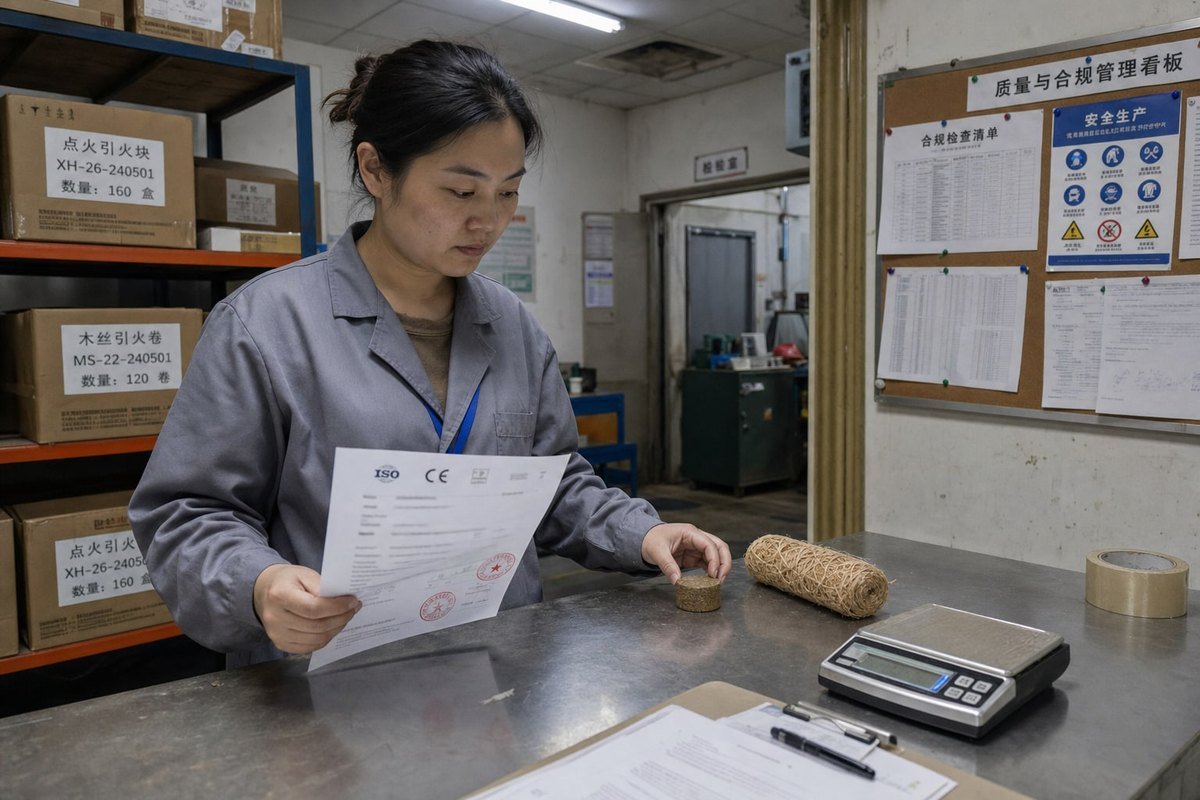
Fire starters look harmless. Regulators do not treat them that way. They are combustible consumer goods 5, and once you bundle them inside a grill set, the whole SKU inherits their compliance profile. If the starter fails a check, your entire grill bundle can be held at port or pulled from shelves.
The Core Checklist
Here is the checklist we walk buyers through before any bundled program:
| Requirement | What It Covers | Why It Matters for Bundling |
|---|---|---|
| ISO 9001 | Factory quality management system | Batch-to-batch consistency across large orders |
| BSCI | Social and ethical audit | Mandatory for many US/EU retail sourcing channels |
| CE | EU conformity where applicable | Needed to sell legally into European markets |
| SGS / Intertek reports | Burn behavior, material safety | Proof the product performs as claimed |
| Warning labels | Usage, storage, keep-away-from-children text | Retailer and legal requirement on retail packaging |
| Transport classification | Correct HS codes and shipping declarations | Prevents customs holds on the combined SKU |
Questions to Ask Your Supplier
Do not accept a certificate PDF at face value. Ask three things. First, is the certificate issued to the actual factory, or to a trading company reselling the goods? Second, does the test report cover the exact formulation — wax type, wood material, any additives — that will ship in your order? Third, can the supplier produce compliant warning labels, barcodes, and retail-ready packaging in your market's language?
Our Liuyang headquarters handles documentation while production runs in Ningbo, and we keep test reports current for exactly this reason. Buyers in Germany and the UK, in particular, will not move forward without them. Treat compliance as a gate, not a negotiation point.
Can I Get Wood Fire Starters Custom-Branded and Packaged to Match My Grill Set Line?
Private-label work is most of what we do. Last year, a US outdoor brand sent us their Pantone codes 6 and box dieline on a Monday; our packaging team returned a matched mockup for their wood fire starters by Friday. That speed is normal when the factory owns the whole process.
Yes. A capable OEM/ODM factory can customize the fire starter's size, burn time, wax coating, and quantity, plus deliver private-label boxes, display packaging, warning labels, and barcodes that match your grill set line — turning a generic add-on into a branded, shelf-ready component.
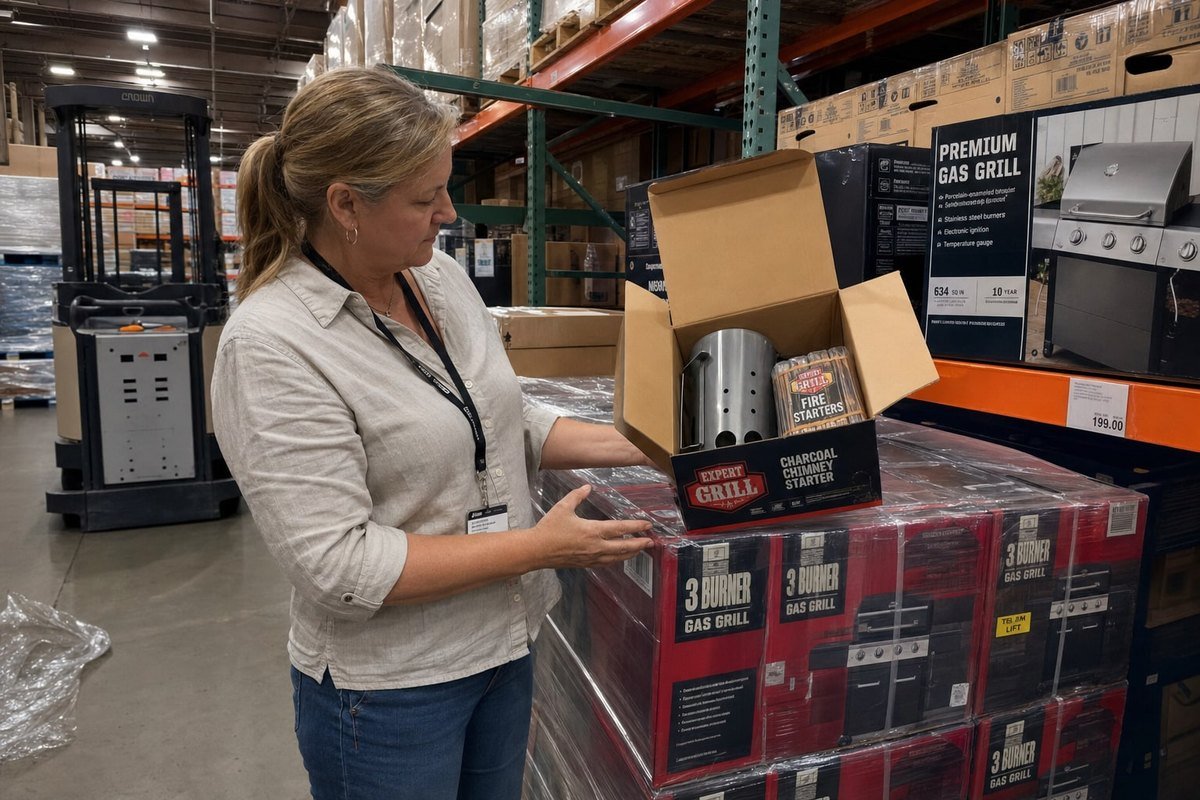
Customization is what separates a bonus that feels premium from one that feels cheap. A loose bag of wood wool tossed into a grill box says afterthought. A branded sleeve with your logo, matching colors, and a QR code linking to a "how to light your first charcoal fire" video says curated product line.
What Can Actually Be Customized
The product itself offers more levers than most buyers expect:
- Size and shape. Compact rolls, pucks, or nugget formats to fit your box footprint.
- Burn time. Adjusted by roll density and wax dip depth — typically tuned between roughly 8 and 12 minutes for charcoal ignition, longer for smoker use.
- Piece count. A 6-pack sample sleeve for a bonus insert, or a 100-piece retail box for upsell.
- Packaging format. Kraft sleeves for a rustic look, printed color boxes to match modern BBQ accessory kits, or display-ready counter packs.
- Labeling. Your barcodes, market-specific warning text, and multilingual instructions.
Making the Bonus Feel Premium
Design cues matter as much as the product. In our experience, three choices consistently elevate perceived quality. Match the color system of your main grill set exactly. Print a short usage guide on the packaging — beginners genuinely need it. And highlight the eco-friendly, chemical-free story on the front panel, because natural positioning is now the strongest trend in this category, ahead of fatwood fire starter sticks and petroleum-based cubes.
One more practical tip: request a physical pre-production sample of the packaged unit, not just the starter itself. You are approving a bundled experience, and the sleeve, insert fit, and unboxing feel all belong to that approval.
What MOQ and Lead Time Should I Expect When Sourcing Wood Fire Starters as a Bonus Item?
Timing trade-offs come up in nearly every negotiation I handle. A buyer wants a small trial order fast, but also wants full custom packaging — and those two goals pull against each other. Understanding why helps you plan a realistic program.
Expect MOQs from roughly 500–1,000 units for stock designs and 3,000–5,000 units for fully custom private-label runs. Lead times typically span 15–25 days for standard products and 30–45 days for custom orders, plus ocean freight. Order 60–90 days before your selling season.
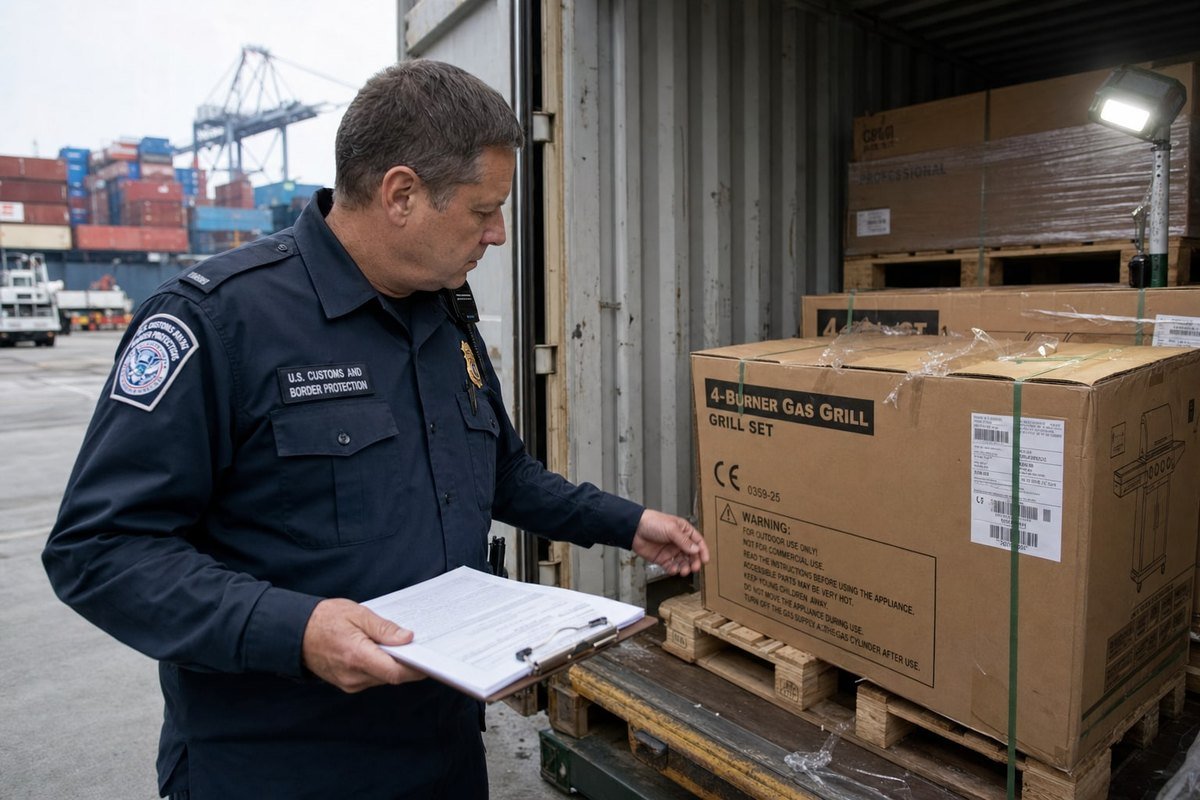
These ranges vary by factory, but the logic behind them does not. MOQ is driven mostly by packaging, not by the fire starters themselves. Wood wool rolls and wax dipping run efficiently at almost any volume on an established line. Custom printed boxes, however, have plate-making and print-run minimums. That is why a stock-design trial order can be small and fast, while a fully branded run needs scale.
A Realistic Planning Table
| Order Type | Typical MOQ | Production Lead Time | Best Use Case |
|---|---|---|---|
| Stock product, neutral packaging | 500–1,000 units | 15–20 days | Market testing, first trial |
| Stock product, your label applied | 1,000–2,000 units | 20–25 days | Soft launch of grilling gift bundles |
| Full custom size + private-label box | 3,000–5,000 units | 30–45 days | Seasonal retail program |
| Custom + retail display packaging | 5,000+ units | 35–50 days | Large retail sourcing channels |
How to Sequence a Bundled Program
I recommend a three-step path. Step one: order a small trial run with neutral or lightly labeled packaging 7, and test the bonus inside your grill set with a limited audience. Step two: use that feedback to lock the format — piece count, burn time, sleeve design. Step three: place the full custom order with enough buffer for ocean freight, which adds roughly four to six weeks to Europe or North America.
Two cautions from experience. First, holiday-season demand compresses everyone's schedule; a bundle intended for Q4 shelves should be ordered by late summer. Second, ask whether your supplier holds first-sample-to-mass-production consistency. On our lines, strict batch QC means the sample you approve is what arrives in the container — and for outdoor cooking accessories that ignite fires, that consistency is not optional.
Conclusion
An incomplete grill set risks a flat first impression. Wood fire starters fix that — when they match the fuel type, pass compliance, carry your branding, and ship on a realistic timeline.
Footnotes
1. Wikipedia definition of wood wool, the primary natural material used in eco-friendly fire starters. ↩︎
2. FDA regulation for petroleum wax used in food-contact applications like grill starters. ↩︎
3. Wikipedia entry for gas grills, explaining why fire starters are less relevant for these models. ↩︎
4. Intertek's consumer product testing services, essential for verifying material safety and performance. ↩︎
5. SGS overview of safety testing and compliance for outdoor hardware and barbecue accessories. ↩︎
6. Authoritative Wikipedia entry explaining the Pantone Matching System and its standardized color codes. ↩︎
7. Wikipedia entry for packaging and labeling, covering the requirements for retail-ready product presentation. ↩︎


 English
  Spanish
  German
  French
  Arabic
  Portuguese
Join the Conversation