






Buyers often ask me where wood fire starters should sit in their product taxonomy. Misplace them, and attach rates drop, baskets shrink, and a high-margin consumable quietly underperforms.
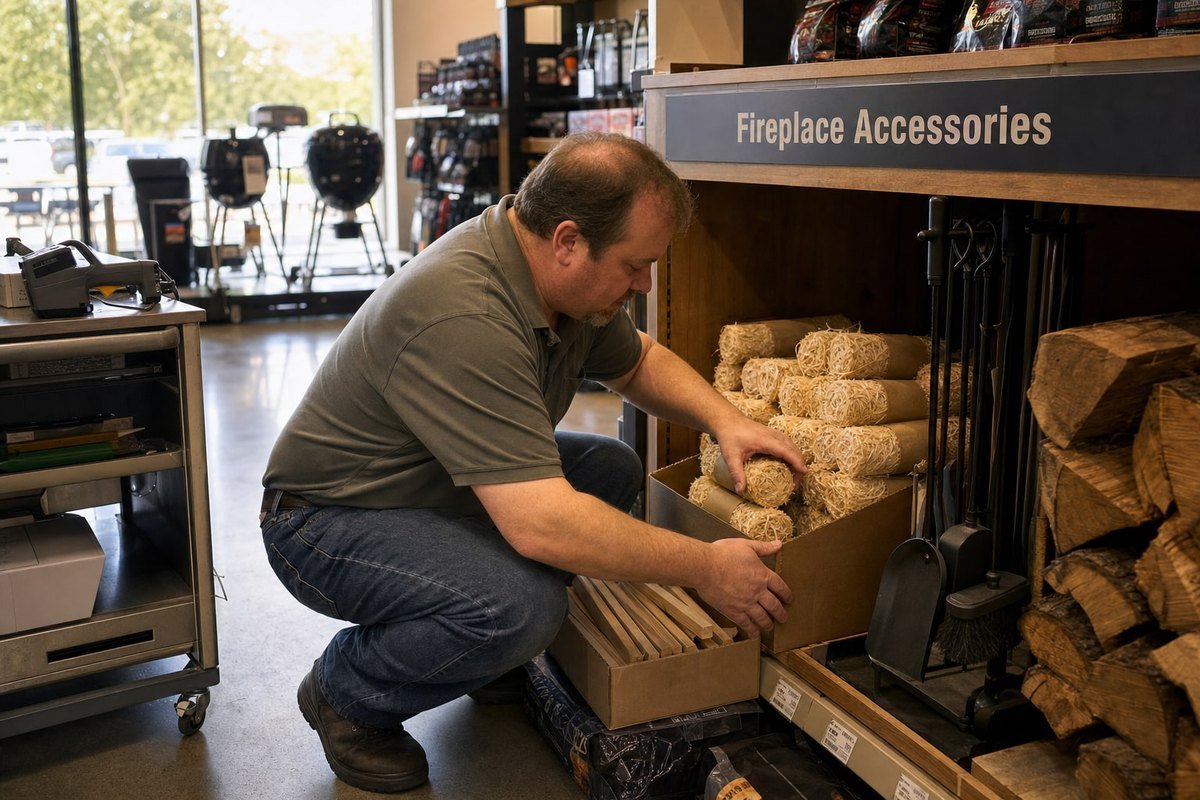
Wood fire starters should be placed under a Fireplace Accessories or Fire Starting Supplies subcategory, not a broad Outdoor Living bucket. This placement keeps them beside natural complements—kindling and firewood, lighters, hearth tools, and grills—which maximizes cross-selling, attach rates, and average order value.
That is the short answer. Below, I break down each placement option, compare the data, and show how successful retailers turn category structure into a cross-sell engine.
Which Product Category Placement Helps Me Sell Wood Fire Starters Alongside Fireplace and BBQ Accessories?
During a factory visit last winter, a German distributor told me his fire starters sold three times faster after he moved them out of a generic hardware node. Placement mattered more than price.
Place wood fire starters under Fireplace Accessories for hearth-focused stores, or under Grilling & Outdoor Cooking for BBQ-focused stores. Both subcategories sit shoppers next to firewood, hearth tool sets, charcoal, and grills—the exact complementary product recommendations that drive add-on purchases.

The core logic here is adjacency. Cross-selling works when the recommended item 1 is complementary, not a substitute. A shopper buying a log rack does not need a second log rack. But they almost certainly need eco-friendly firelighters. So your job is to put the fire starter where that shopper is already browsing.
In our 17+ years supplying wax-dipped wood rolls to distributors across the US, Germany, and the UK, we have watched the same pattern repeat. Retailers who nest fire starters inside a tight, fire-related subcategory see stronger attach rates than those who dump them into a broad catch-all node.
Comparing the Two Strongest Placements
| Placement | Best For | Natural Complements | Cross-Sell Strength |
|---|---|---|---|
| Fireplace Accessories | Hearth and patio 2 retailers, home heating stores | Firewood, hearth tools, log racks, matches | Very high — daily-use adjacency in winter |
| Grilling & Outdoor Cooking | BBQ distributors, outdoor cooking equipment sellers | Charcoal, smokers, grill tools, wood chips | High — food-safe ignition is a strong hook |
| Generic Home Improvement | Nobody, honestly | Paint, tools, unrelated hardware | Weak — intent mismatch kills discovery |
Why BBQ Shoppers Respond to Food-Safe Messaging
Our wood fire starters use 50% wood fiber 3 and 50% paraffin, with no harmful chemicals. That composition matters in the grilling context. Charcoal grillers actively avoid lighter fluid 4 because it taints food flavor. When your product page sits inside Grilling & Outdoor Cooking and highlights chemical-free ignition, the cross-sell to charcoal and grill tools becomes almost automatic.
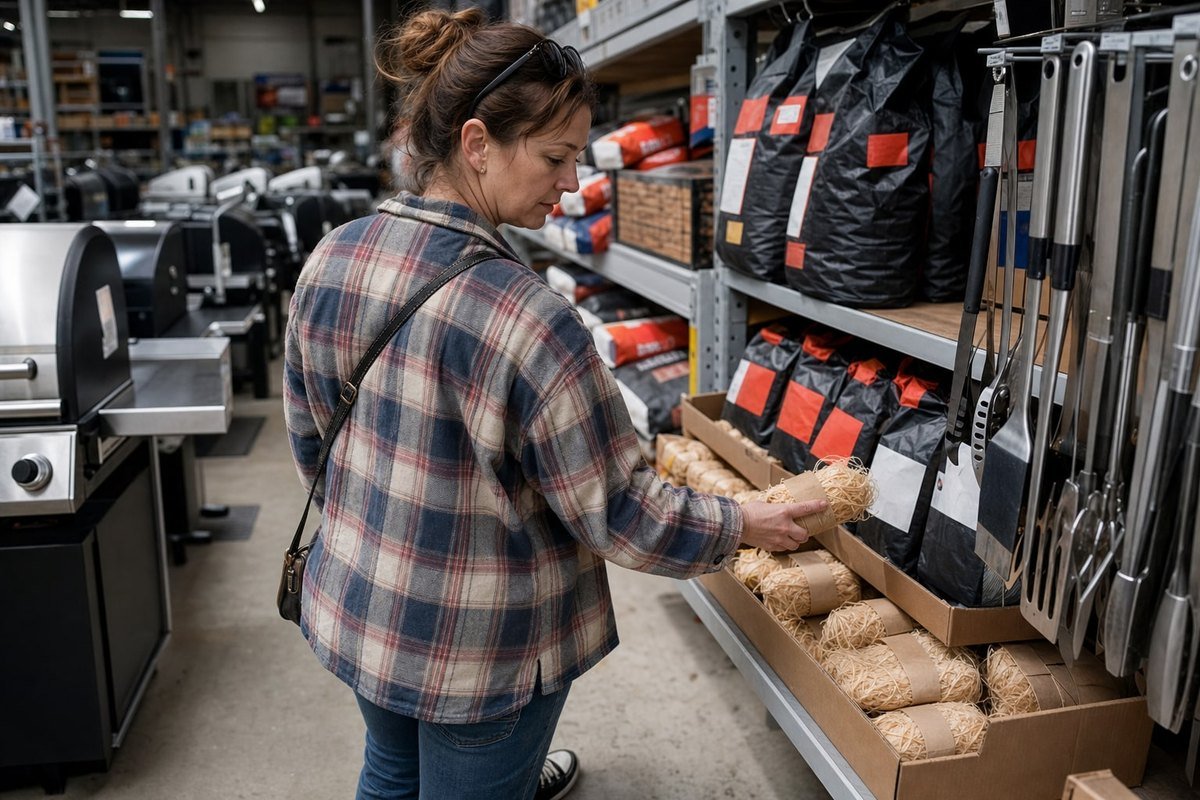
One practical tip from our OEM clients: mirror the placement in physical stores. A clip strip of fire starters hung beside charcoal bags converts far better than a dedicated shelf three aisles away.
Should I Position Wood Fire Starters Near Camping Gear or Home Heating Products for Better Cross-Selling Results?
A Canadian importer once split his trial order from us across two channels—one camping-focused, one hearth-focused. The same product performed completely differently in each, and that taught us both a lesson about audience segmentation.
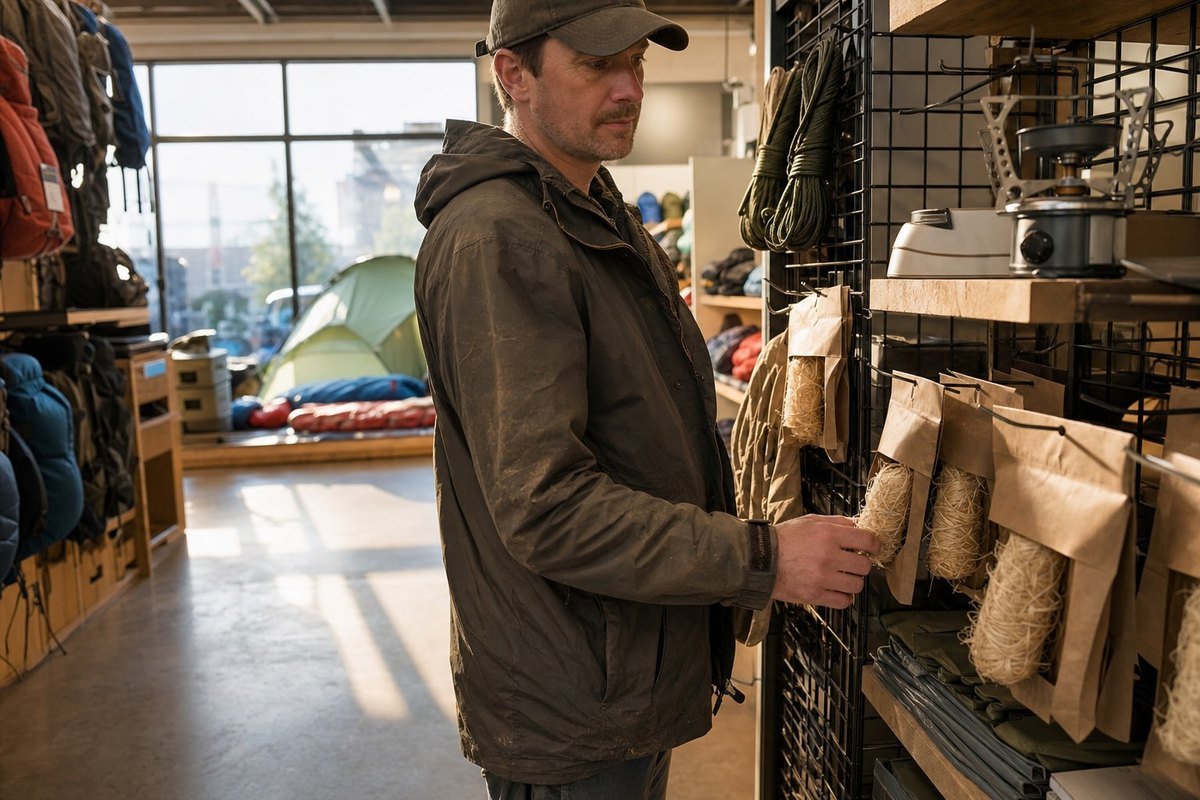
Position wood fire starters near home heating products if your customers are homeowners, and near camping survival gear if they are outdoor enthusiasts. Home heating placement wins on repeat winter purchases; camping placement wins on bundle potential. Hybrid stores should choose a primary node and merchandise into the other.
This is really a question about who your shopper is, not what your product is. The product is identical. The purchase context is not.
Home heating shoppers buy on a cycle. They stock firewood in autumn, burn through winter, and restock consumables like kindling and fire starters 5 repeatedly. Camping shoppers buy on a trip basis. They build kits, they value all-weather ignition, and they respond to bundles with portable stoves and emergency preparedness gear.
Match the Placement to the Buying Pattern
| Factor | Home Heating Placement | Camping Gear Placement |
|---|---|---|
| Purchase frequency | Seasonal, repeating all winter | Trip-based, spring through autumn |
| Key complements | Firewood, log racks, stove tools | Stoves, survival kits, waterproof matches |
| Buyer motivation | Convenience, cozy home ambiance | Reliability, all-weather ignition, pack weight |
| Bundle potential | Starter + kindling + firewood | Starter + stove + 72-hour emergency kit |
| Seasonality peak | Q4–Q1 | Q2–Q3 |
The Case for Dynamic Seasonal Re-Categorization
Some sophisticated retailers rotate the primary browse tree nodes seasonally. They anchor fire starters under Home Heating from October to March, then shift primary placement to Outdoor Recreation from April to September. Search algorithms weight category context, so this rotation aligns discovery with demand. In our experience exporting to markets with strong seasonal swings—Poland, Canada, the Netherlands—this approach smooths out the demand curve that would otherwise leave the product invisible for half the year.
If rotation feels too complex, pick one primary subcategory based on your dominant customer segment, then use secondary collections and cross-category recommendation widgets 6 to reach the other audience. Do not duplicate the listing everywhere. Scattered placement dilutes your discovery logic and confuses your own co-purchase data.
How Can I Use Bundling and Shelf Placement to Pair Wood Fire Starters With Color-Flame Products?
When we were developing our Magic Fire color-flame packets alongside our wood firestarters, we noticed something on our own production line: buyers who ordered one almost always sampled the other on the next purchase order.
Bundle wood fire starters with color-flame packets and color-flame pinecones as a fire experience kit. The starter handles ignition; the color-flame product handles entertainment. Place them on the same shelf or product page, and the pairing lifts average order value without discounting either item.
This pairing works because the two products solve sequential problems in the same fire session. First, you need the fire lit. Then, you want the fire to be memorable. A fire starter gets the flames going in minutes. A color-flame packet or pinecone turns those flames blue, green, and purple. Neither product competes with the other, which is the textbook definition of a strong cross-sell.
A Simple Bundle-Building Process
- Anchor the bundle with the fire starter, since it is the high-intent, need-based item.
- Add the color-flame packet as the experience upgrade—this is the emotional hook.
- Include kindling sticks or a color-flame pinecone as the third piece to justify a kit price.
- Package the bundle in display-ready retail boxes so it works on-shelf and online.
- Track attach rate monthly and adjust the mix based on what shoppers actually add.
Placement Tactics That Actually Convert
On product pages, show one relevant recommendation, not five. Cross-sell practitioners consistently find that a single, highly relevant suggestion outperforms a cluttered widget. On the fire starter page, that suggestion should be the color-flame product. In the cart, offer the pinecone as a low-friction add-on under an impulse price point.
In physical retail, our OEM clients get the best results with a hearth and patio endcap that stacks all three items vertically: firewood or kindling at the bottom, fire starters at eye level, and color-flame products at the top with a flame-color photo. We support this with custom display packaging, private-label branding, barcodes, and warning labels, so the bundle arrives shelf-ready. Well-executed cross-sell bundles like this are commonly credited with lifting average order value by 20–30% in ecommerce guidance, and the fire category is unusually well suited to it because every item is consumable.
What Category Strategy Do Successful Retailers Use to Merchandise Wood Fire Starters for Repeat Purchases?
The hardest trade-off I discuss with purchasing managers is this: chase browsing traffic with broad categories, or chase conversion with narrow ones. After 30+ export markets, I have a clear view on which wins.
Successful retailers assign wood fire starters one narrow primary subcategory—usually Fire Starting Supplies or Fireplace Accessories—then validate it with co-purchase data. They measure cross-sell rate, refine complementary product recommendations quarterly, and use post-purchase emails to convert one-time buyers into seasonal repeat customers.
The retailers who do this well treat product taxonomy as a testable system, not a filing cabinet. They do not guess which categories create the strongest complement path. They measure it.
The Data-Led Validation Loop
Cross-sell rate has a simple formula: orders containing products from different categories, divided by total orders. That makes category placement measurable. If you move fire starters from Outdoor Living into a fuel and firestarters node and the cross-sell rate rises, the data has answered the question for you.
| Step | Action | What It Tells You |
|---|---|---|
| 1 | Pull 6–12 months of order data | Which products actually co-occur with fire starters |
| 2 | Segment by customer type | Whether hearth buyers and campers behave differently |
| 3 | Test one primary node placement | Impact on attach rate and conversion |
| 4 | Review recommendation widgets | Which single suggestion converts best |
| 5 | Repeat quarterly | Seasonal shifts in complement behavior |
Building the Repeat-Purchase Engine
Fire starters are consumables. A household burning wood through winter will finish a 100-piece box and need another. Successful retailers exploit this in three ways. First, they time post-purchase emails to the expected depletion window. Second, they offer a subscribe-and-save option anchored in the same subcategory, surrounded by the same complements. Third, they keep quality consistent, because one bad batch breaks the reorder cycle permanently.
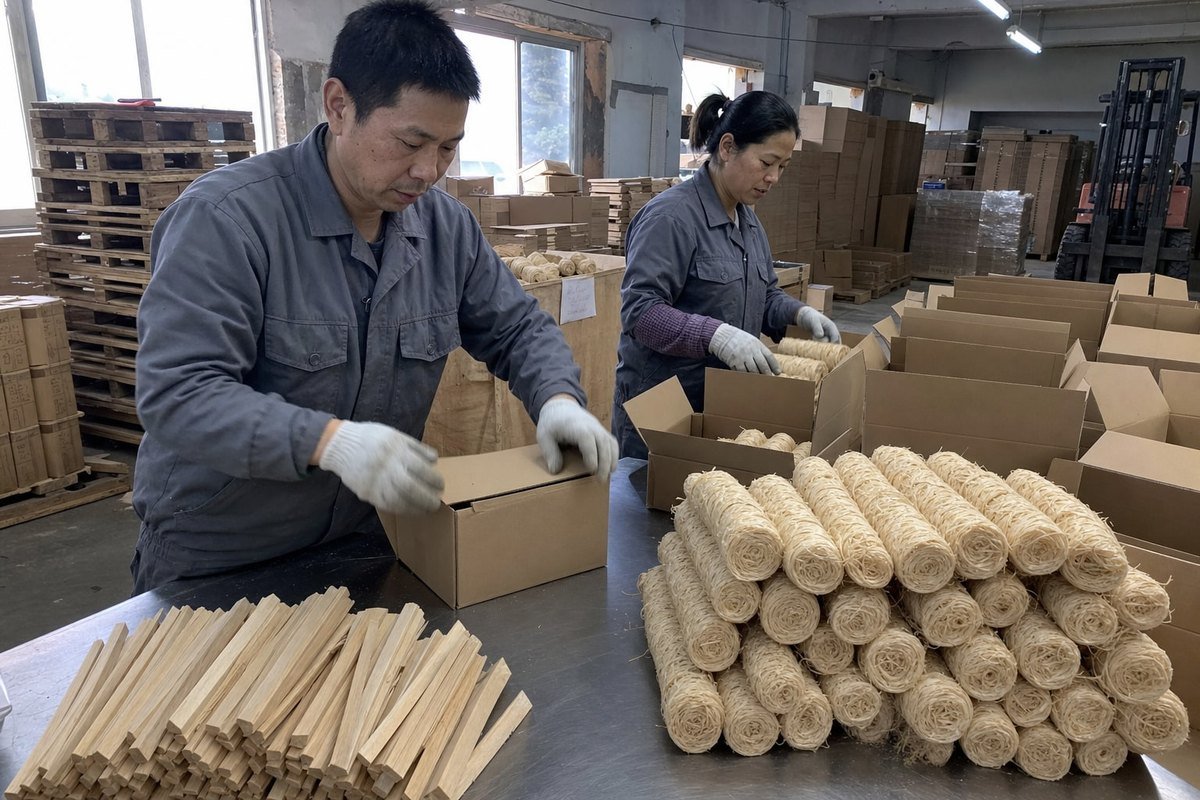
That last point is where we obsess internally. Our batch-to-batch quality control exists precisely so a retailer's first sample matches container number twenty. Our buyers also lean on our ISO 9001 7, BSCI, CE, and SGS/Intertek documentation, because compliance failures do not just delay shipments—they get products pulled from the very category shelf you worked to win. Repeat purchases are built on placement plus trust, and you need both.



 English
  Spanish
  German
  French
  Arabic
  Portuguese
Join the Conversation