







Buyers often ask me why commercial and retail wood fire starters carry different spec sheets. Order the wrong spec, and our production line hears about it fast — returned pallets hurt.
Commercial wood fire starters prioritize consistent burn duration (10–30 minutes), bulk wholesale packaging, and batch documentation, while retail versions emphasize 8–15 minute burns, shelf-ready consumer packs of 12–50 units, barcode labeling, safety warnings, and clean visual appearance. The core wax-and-wood-fiber composition often stays the same.
Let me break down each spec category so you can write a purchase order that actually matches your sales channel.
What Burn Time and Size Specs Should I Expect for Commercial vs Retail Wood Fire Starters?
A few years back, a German BBQ distributor sent us two spec sheets for the same wax-dipped wood roll — one for restaurant supply, one for garden centers. The burn targets were completely different.
Commercial wood fire starters typically specify 10–20 minute burn duration with tight batch tolerance, sometimes 15–30 minutes for demanding settings. Retail units commonly burn 8–15 minutes. Commercial specs also demand higher BTU heat output consistency to ignite dense hardwoods reliably in one strike.
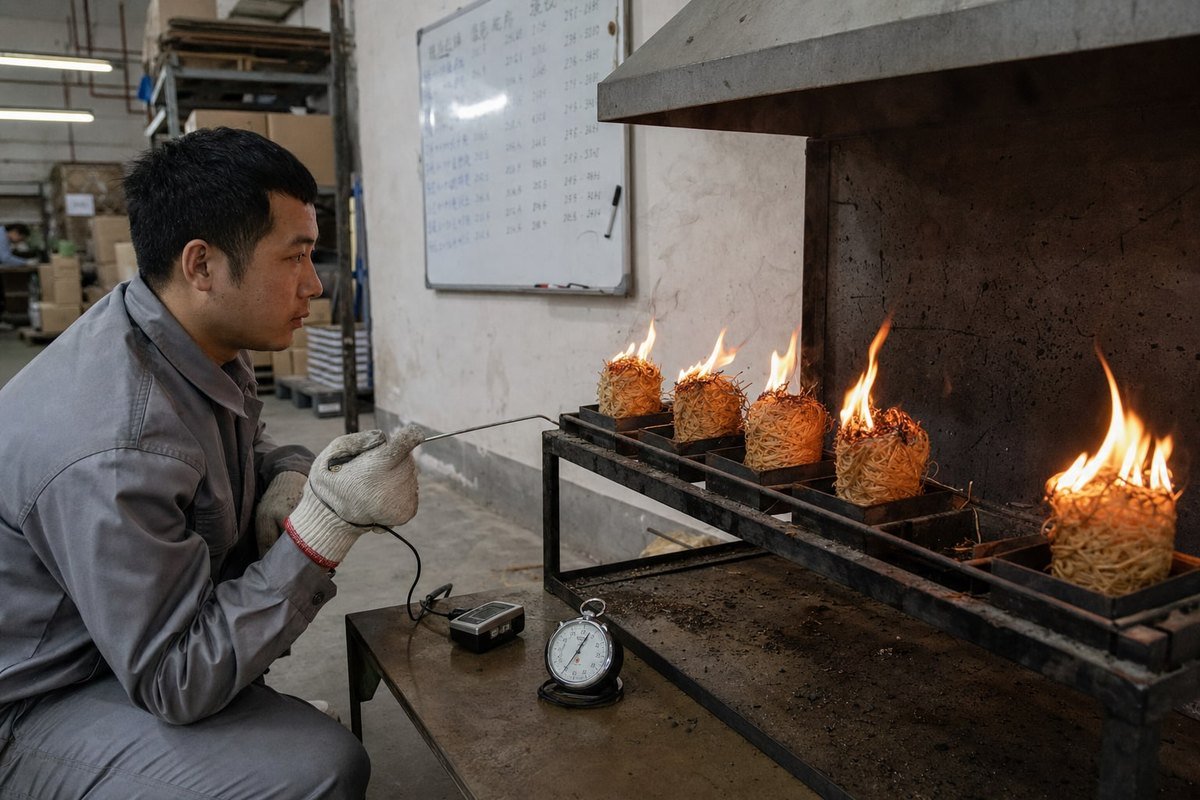
The difference is not chemistry. It is tolerance. A restaurant with a wood-fired oven lights fires ten times a day. If one starter burns 18 minutes and the next burns 9, the kitchen's temperature recovery time becomes unpredictable. That is why commercial buyers write burn duration into contracts, often with a plus-or-minus window.
Retail consumers light a fire once a weekend. They will forgive a two-minute variance. What they will not forgive is a starter that fails to ignite damp kindling on a camping trip. So retail specs lean toward fast, easy ignition and weather resistance rather than a locked burn window.
Typical Spec Ranges by Channel
| Spec | Commercial | Retail |
|---|---|---|
| Burn duration | 10–20 min (up to 30 min for strict jobs) | 8–15 min |
| Tolerance | Tight, contract-defined | Loose, marketing-defined |
| Heat priority | Steady BTU heat output for hardwood ignition | Fast flame, easy consumer lighting |
| Fuel target | Oak, hickory, dense rounds, charcoal beds | Kiln-dried firewood, camp kindling |
| Size | Uniform weight per unit for cost-per-fire math | Convenient finger-length rolls |
Why Wax Ratio Matters
In our factory, we control burn duration mainly through the wax-to-fiber ratio. Our standard wood rolls use roughly 50% wood fiber and 50% paraffin. More wax extends the burn and lowers the effective ignition temperature needed to catch. Less wax gives a faster, hotter initial flame. We also control moisture content 1 in the wood wool before dipping, because damp fiber shortens burn time and causes sputtering. Commercial orders get tighter moisture checks at incoming inspection, because a two-percent swing shows up in the burn test.
How Do Packaging and Labeling Requirements Differ Between Commercial and Retail Orders?
The trade-off we weigh most often on the packaging line is cost per unit versus shelf impact. A hotel chain wants a plain 500-piece carton. A big-box retailer wants a printed display box with flame graphics.
Retail orders require barcoded, shelf-ready consumer packs (typically 12–50 pieces) with printed warnings, usage instructions, and brand graphics. Commercial orders ship in bulk wholesale packaging — plain cases of 100 to 1,000+ units or palletized loads — optimized for warehouse handling, not display.
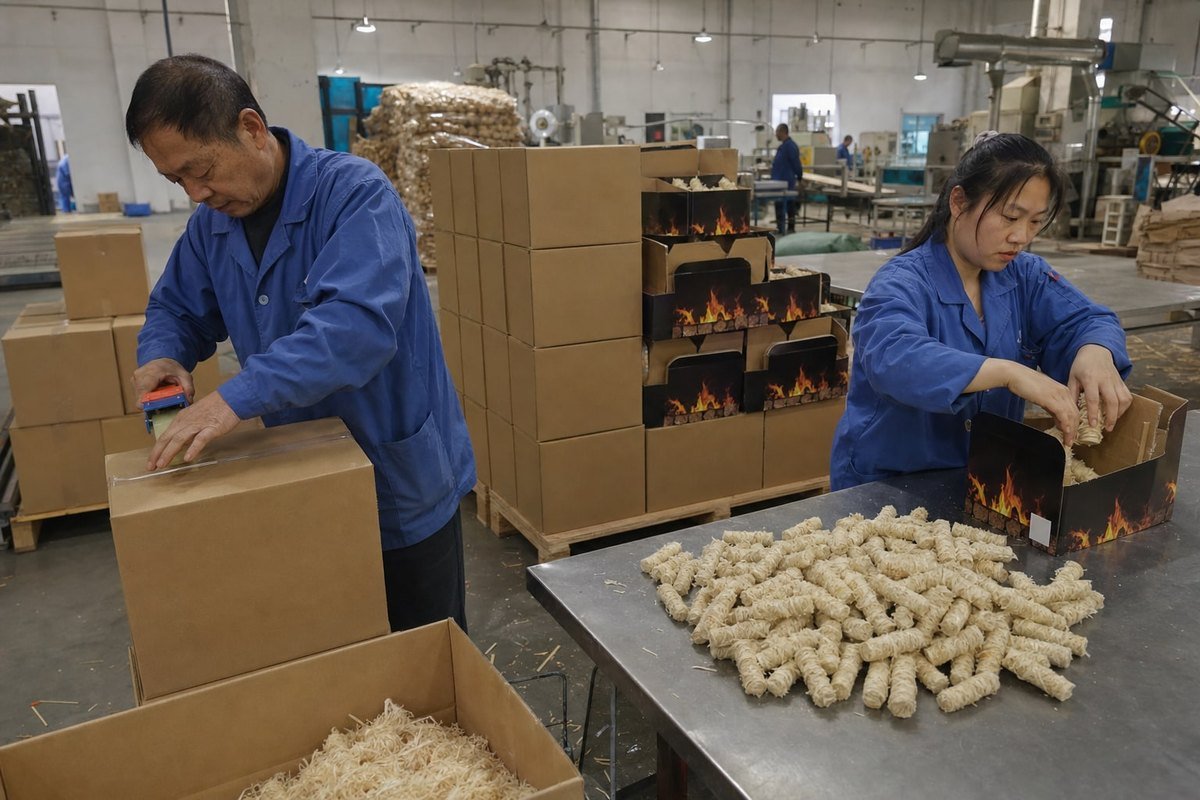
Packaging is where the two channels truly diverge, and it drives more cost than most first-time importers expect. When we quote a retail-ready order, the printed box, UPC/GTIN labeling 2, inner trays, and multilingual warning text can add meaningfully to the landed cost. When we quote a food-service distributor, we strip all of that out and pack dense.
What Retail Packaging Must Include
Retail chains in the US and EU have hard requirements. From our export experience, a shelf-ready pack usually needs:
- A scannable barcode (UPC for North America, EAN for Europe).
- Consumer safety warnings in the local language — often two or three languages for EU markets.
- Clear usage instructions and composition disclosure (for example, "50% wood fiber, 50% paraffin").
- Display-ready cartons or trays that stack cleanly on shelves.
- A uniform product appearance with minimal loose debris, because consumers judge quality visually before they ever light one.
What Commercial Packaging Prioritizes
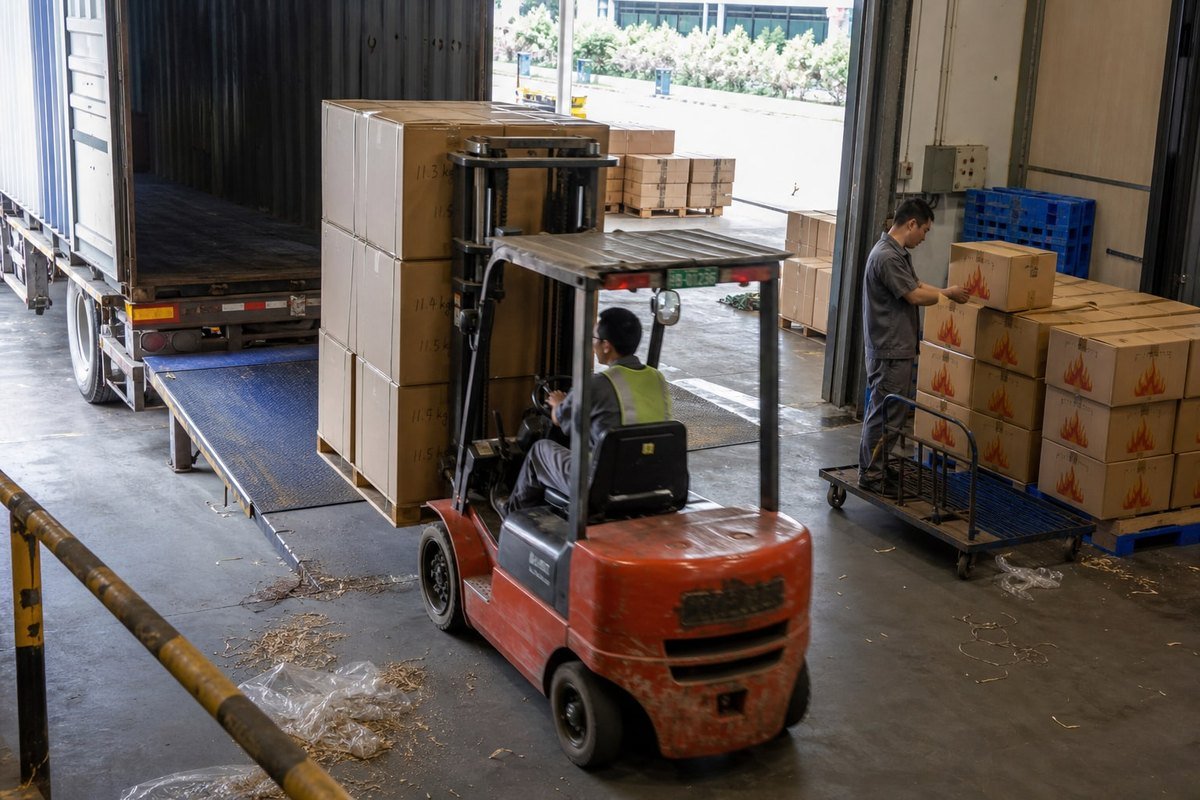
Commercial packs skip the graphics. They prioritize case counts that match kitchen restocking rhythms, cartons sized for back-of-house shelving, and clear lot numbers on the outer case for invoicing and traceability. One catering supplier we work with simply wants the batch number printed large on every case so staff can rotate stock without opening boxes.
| Packaging Element | Retail | Commercial |
|---|---|---|
| Pack size | 12–50 units | 100–1,000+ units or pallets |
| Barcode | Required per pack | Case-level only, if at all |
| Graphics | Full-color branded box | Plain kraft carton |
| Warning labels | Consumer-facing, multilingual | Basic handling and lot info |
| Cost driver | Print and display materials | Freight density |
Which Certifications Do I Need for Commercial Wood Fire Starters Sold to Retail Chains?
A UK purchasing manager once told me his previous supplier lost a national listing over one missing test report. That conversation shaped how we prepare compliance packs today — before the buyer even asks.
Retail chains typically require factory-level certifications like ISO 9001 and BSCI, product safety testing from labs such as SGS or Intertek, CE compliance where applicable, SDS documentation, and non-hazmat shipping classification. Food-service commercial buyers add odorless, non-toxic verification to prevent flavor transfer.
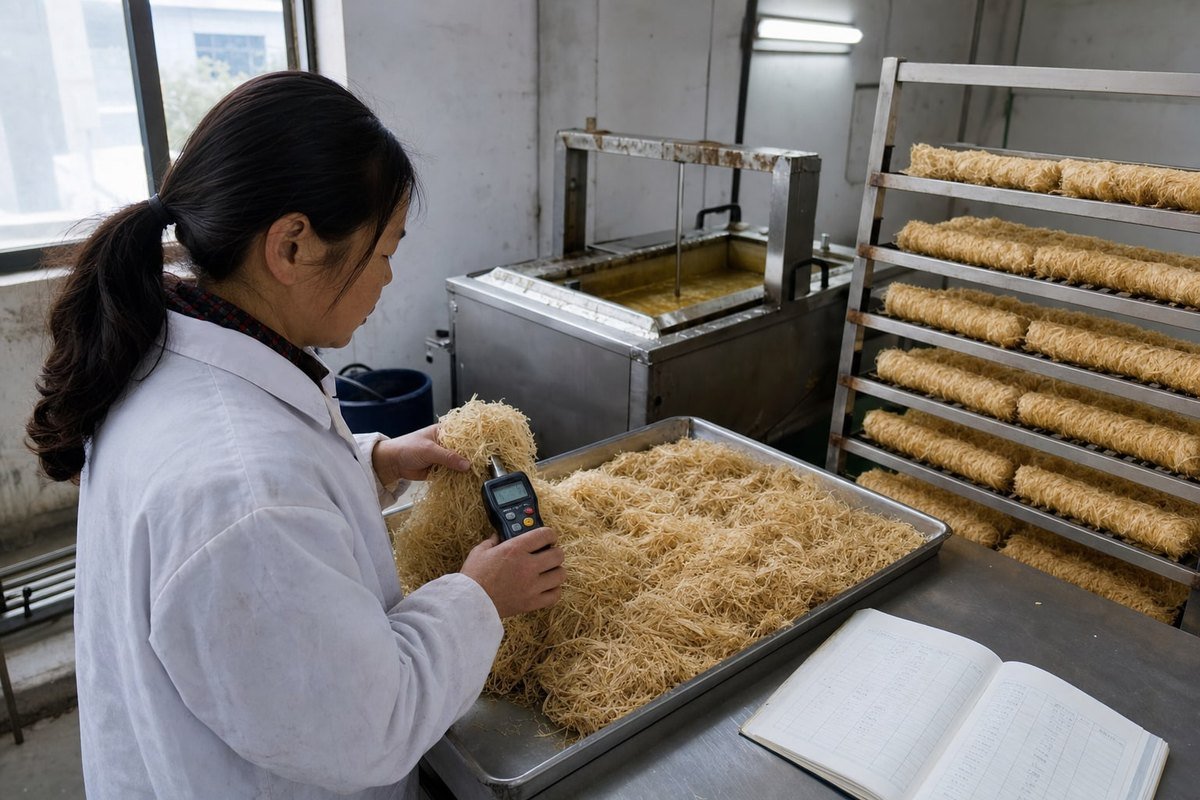
Certification is the single biggest gap between a factory that can make fire starters and a factory that can sell them into organized retail. Big-box sourcing teams audit the supply chain, not just the sample. In our 17-plus years exporting to 30-plus countries, we have never won a large retail program without a complete documentation pack ready on day one.
The Documentation Stack, Layer by Layer
Think of compliance as three layers. First, factory credentials: ISO 9001 3 proves a quality management system, and BSCI covers social compliance — both are standard checkboxes for US and European chains. Second, product testing: third-party reports from SGS 4 or Intertek verifying safe composition, no harmful chemical accelerants, and stable burn behavior. Third, logistics and consumer documents: Safety Data Sheets, non-hazmat classification for warehouse insurance, and correct warning labels.
Food-service commercial buyers add a fourth layer. Starters used near wood-fired pizza ovens or grills must be odorless and non-toxic so nothing transfers to food. This is not full food-grade certification of the starter itself, but buyers do expect lab evidence that the wax and fiber leave no chemical residue or taste. Natural materials — wood wool, compressed sawdust, paraffin or plant waxes — pass this bar far more easily than kerosene-soaked alternatives. Some corporate ESG programs also request FSC or PEFC sourcing documentation for the wood fiber, so ask your supplier early whether certified fiber is available for your program.
| Requirement | Retail Chains | Food-Service Commercial |
|---|---|---|
| ISO 9001 / BSCI 5 | Usually mandatory | Often requested |
| Third-party test report (SGS/Intertek 6) | Mandatory | Mandatory |
| SDS / non-hazmat classification | Required for warehousing | Required for warehousing |
| Odorless / non-toxic verification | Nice to have | Critical |
| FSC/PEFC fiber sourcing | Increasingly requested for ESG | Occasionally requested |
Can I Get Custom Specs and Private-Label Options for Both Commercial and Retail Wood Fire Starters?
Last year we developed a longer-burning roll for a Dutch fireplace brand and, in the same month, a plain-carton bulk version of the identical product for their restaurant-supply division. One formulation, two spec sheets, two labels.
Yes. Reputable OEM/ODM factories can customize burn duration, unit size, wax ratio, and materials, then package the same product two ways: branded, barcoded retail boxes with warning labels for consumer channels, and plain bulk cases for commercial buyers — usually with reasonable MOQs for trial orders.
Custom specs are where a real factory separates itself from a trading company. When you control the production line, you can adjust the physical product, not just the sticker on the box. Here is how a typical customization project runs on our side, and what you should expect from any serious supplier.
A Typical OEM Development Process
- Define the target spec — burn duration, unit weight, ignition behavior, and whether you need one-strike lighting under heavy logs or charcoal.
- Select materials — wood wool versus compressed sawdust cores, paraffin versus soy or beeswax coating. Fatwood resin sticks serve a different niche and rarely suit private-label wax rolls, but a good factory will tell you honestly when a material does not fit.
- Sample and burn-test — you should receive samples that genuinely reflect mass production. Our rule is simple: the first sample must match the ten-thousandth unit, or the QC system has failed.
- Design packaging — retail display boxes, barcodes, multilingual warnings, and inserts; or plain bulk cartons for commercial programs.
- Lock tolerances — agreed burn-time windows and moisture limits go into the QC checklist for every batch.
- Plan logistics — carton dimensions optimized for container loading, which matters more than most buyers realize on ocean freight cost.
For purchasing managers running both channels, the smartest move is often one core product with two packaging tracks. You get economies of scale on the formulation and flexibility at the pack-out stage. Ask your supplier about split-packaging MOQs before you commit — it is a fair question, and a capable factory will have a straight answer.
Conclusion
Commercial and retail wood fire starters share chemistry but not spec sheets. Match burn tolerance, packaging, and certifications to your channel — and partner with a factory that documents everything.
Footnotes
1. Background reference explaining moisture content, which affects burn consistency in wood products. ↩︎
2. GS1 defines UPC/GTIN barcode standards required for retail-ready product packaging. ↩︎
3. Authoritative and stable reference for the ISO 9001 quality management standard. ↩︎
4. Official SGS site, the third-party testing lab referenced for product safety verification. ↩︎
5. Official amfori site explaining the BSCI social compliance program cited for retail audits. ↩︎
6. Official Intertek site, the other named lab providing safety and composition test reports. ↩︎



 English
  Spanish
  German
  French
  Arabic
  Portuguese
Join the Conversation