






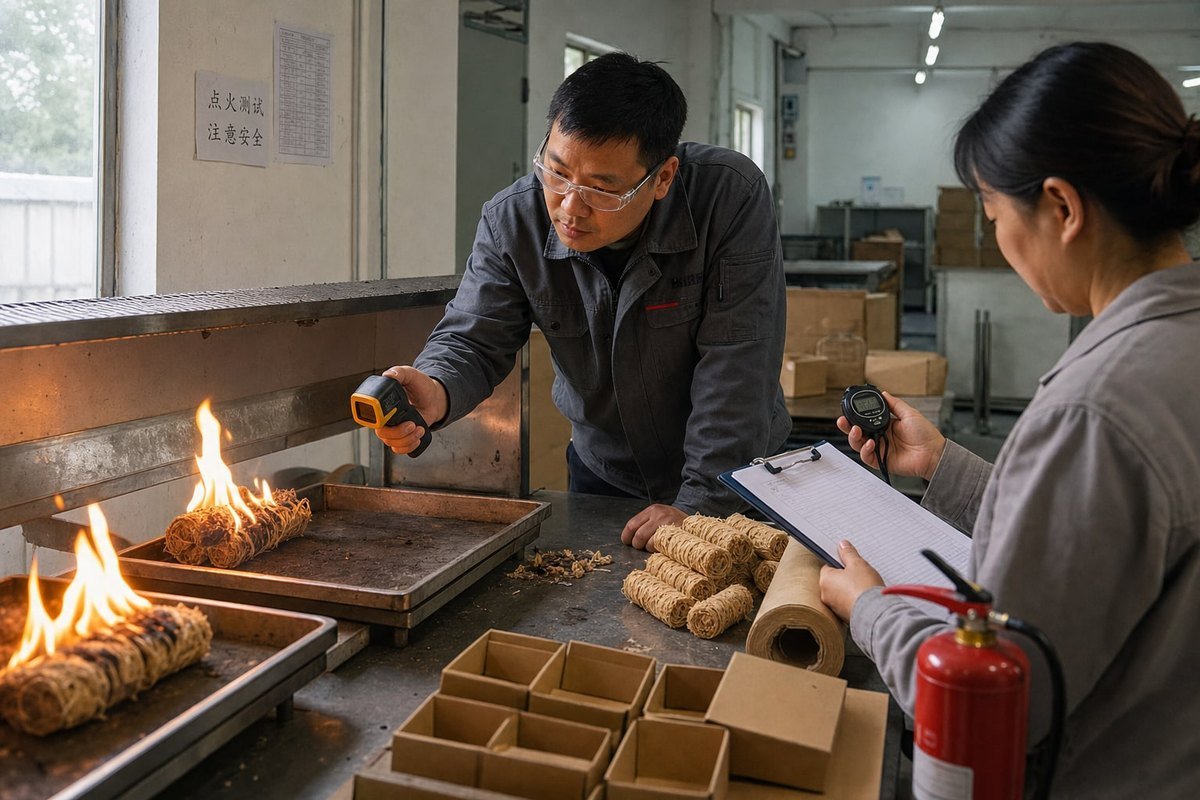
Buyers ask me about heat value and flame temperature for wood fire starters almost weekly. Confusing the two leads to wrong specs, weak products, and returns. Our factory data clears it up.
Heat value measures the total energy a wood fire starter releases, usually in BTU or MJ/kg. Flame temperature measures how hot the combustion zone burns. Heat value determines how long useful heat lasts; flame temperature affects how quickly kindling reaches its ignition point.
These two numbers answer different questions. One is about total energy. The other is about intensity. Let me walk you through what each means for your product line and your customers.
How do heat value and flame temperature affect the burn performance of my wood fire starters?
During a QC session at our Ningbo plant last year, we compared two starter batches with identical flame temperatures. One burned four minutes longer. That batch lit damp kindling. The other failed. Total heat value made the difference.
Heat value controls burn time and total energy delivered to kindling, while flame temperature controls how fast heat transfers to the wood surface. Good burn performance requires both: enough intensity to start pyrolysis, and enough total energy to sustain it until kindling ignites on its own.
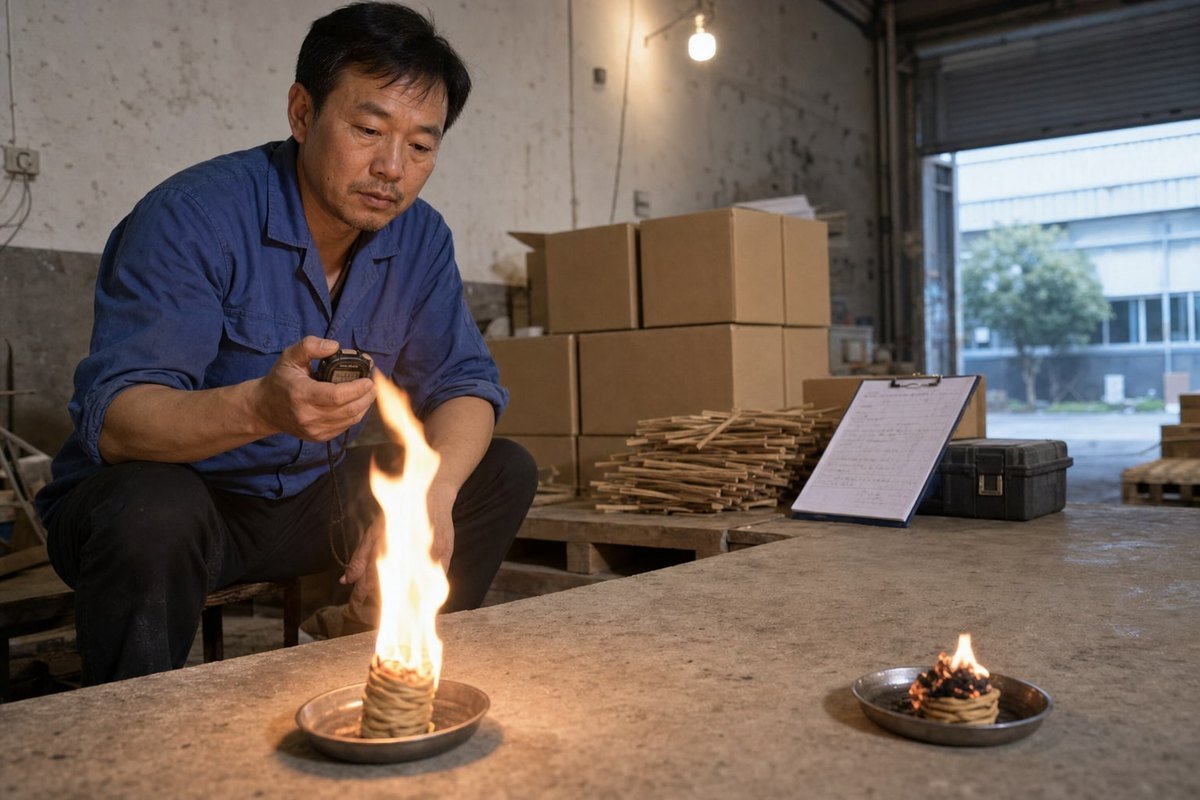
Think of it like this. Flame temperature is how hard the starter pushes heat into the kindling. Heat value is how long it can keep pushing. A starter with a very hot flame but a low calorific value burns out fast. It may scorch the wood surface without ever completing the pyrolysis 1 process — the stage where heat breaks wood down into flammable gases. A starter with moderate flame temperature but strong heat value keeps delivering energy. It dries the wood surface, warms it past roughly 250–300°C, and holds it there until ignition becomes self-sustaining.
Why ignition needs both heat and time
Wood does not catch fire just because a hot flame touches it. Fire science shows ignition depends on surface temperature and heat flux 2, not flame temperature alone. Reported piloted ignition values span roughly 210–497°C depending on species, size, and moisture content. Under radiant heating, researchers have cited a minimum heat flux near 4.3 kW/m² below which ignition simply does not happen. So the flame must heat the wood faster than the wood loses heat to air and moisture.
The numbers that matter
| Metric | What it tells you | Typical reference values |
|---|---|---|
| Heat value (BTU/lb) | Total energy released | 8,000–9,500 BTU/lb for oven-dry wood |
| Flame temperature | Intensity of combustion zone | Varies by fuel; wax raises peak intensity |
| Wood ignition temperature | Surface temp needed for ignition | About 250–300°C minimum conditions |
| Burn time | Duration of sustained heat delivery | 8–12 minutes for quality wax starters |
In our experience exporting to the US and Germany, buyers who spec only "flame temperature" on their purchase orders often end up disappointed. Buyers who spec burn time plus heat output get products that perform in real fireplaces.
What flame temperature should I expect from wax-dipped wood fire starters compared to other fire starters?
One trade-off we weigh constantly on our production line is wax ratio. More paraffin raises peak flame intensity and burn time, but too much creates smoke. Our standard 50% wood fiber, 50% paraffin blend balances both.
Wax-dipped wood fire starters typically produce flame temperatures in the 600–800°C range at the combustion zone, comparable to candle flames but sustained longer. This comfortably exceeds wood's ignition temperature of 250–300°C, while paper and loose shavings burn hotter briefly but fade within seconds.
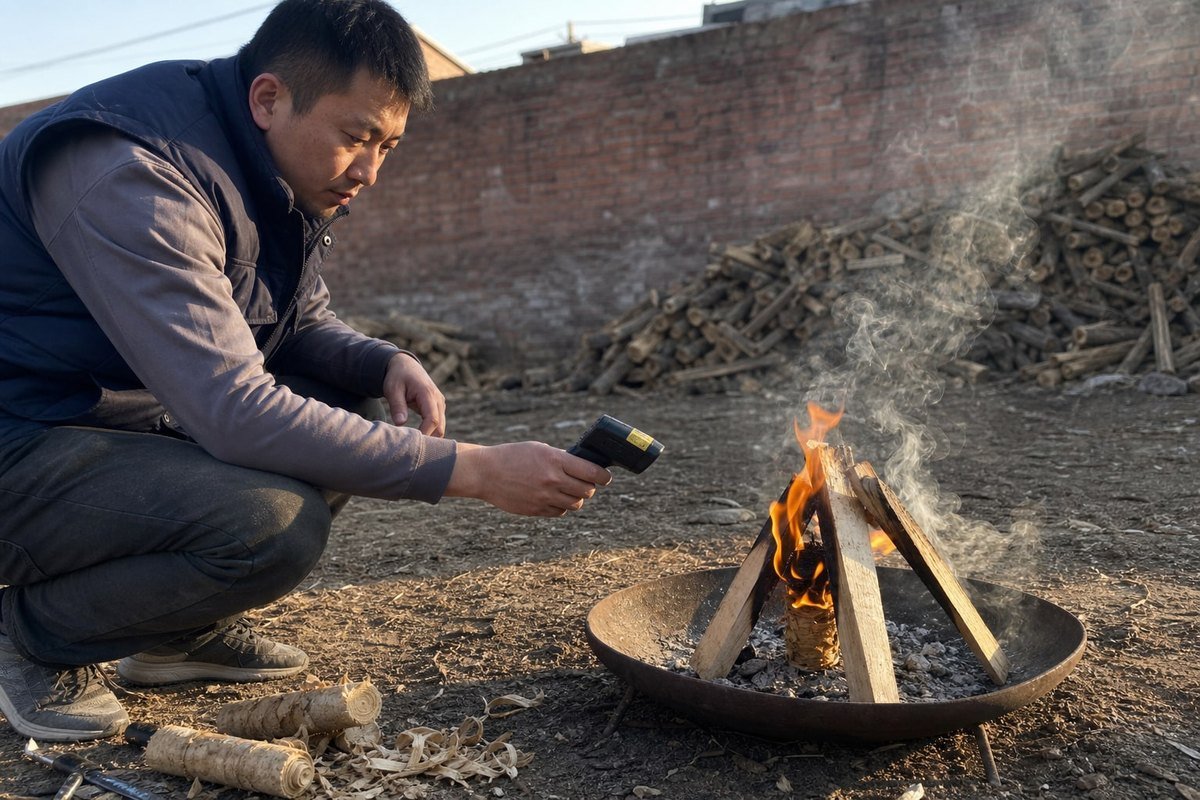
The comparison below reflects what we see in practical burn tests, not lab-perfect adiabatic flame temperature 3 figures, which assume zero heat loss and never match real-world use.
| Starter type | Relative flame intensity | Burn time | Practical ignition power |
|---|---|---|---|
| Wax-dipped wood rolls | High, stable | 8–12 min | Excellent, even with marginal fuel |
| Resinous fatwood | High | 3–6 min | Very good; natural resin content gasses off fast |
| Paper / newspaper | High but brief | Under 1 min | Poor; fades before kindling heats |
| Loose wood shavings | Moderate | 1–2 min | Poor alone; useful as tinder |
| Petroleum gel cubes | High | 5–10 min | Good, but odor and residue concerns |
Why the wax-and-fiber combination works
Wax is the energy reservoir. Wood fiber is the wick and the surface area. High volatile content — whether natural resin in softwoods or added paraffin in manufactured starters — lets the fuel gas off quickly and reach peak flame temperature fast. The shredded wood-wool structure gives a huge surface-to-mass ratio, so ignition from a single match is nearly instant. Then the wax melts, soaks the fibers, and feeds a steady flame.
What stability means for your customers
A stable flame temperature matters more than a high peak. Sharp spikes followed by rapid decline leave kindling half-heated. Our wax-dipped wood rolls hold a consistent flame across the full burn, which is why fireplace distributors in colder markets like Poland and Canada reorder them season after season. High, sustained flame temperature also supports secondary combustion in stoves, helping crack hydrocarbons in smoke and reducing creosote 4 buildup in flues.
How can I verify heat value and flame temperature data before placing a bulk order?
A purchasing manager from the Netherlands once told me his previous supplier's spec sheet claimed numbers no sample could reproduce. That conversation shaped how we document our own products. Verification should be simple, and honest factories make it simple.
Request third-party test reports from labs like SGS or Intertek, confirm calorific value in BTU or MJ/kg, run timed burn tests on physical samples, and compare sample performance against the spec sheet. A credible supplier provides certification documents and consistent batch data before you commit.
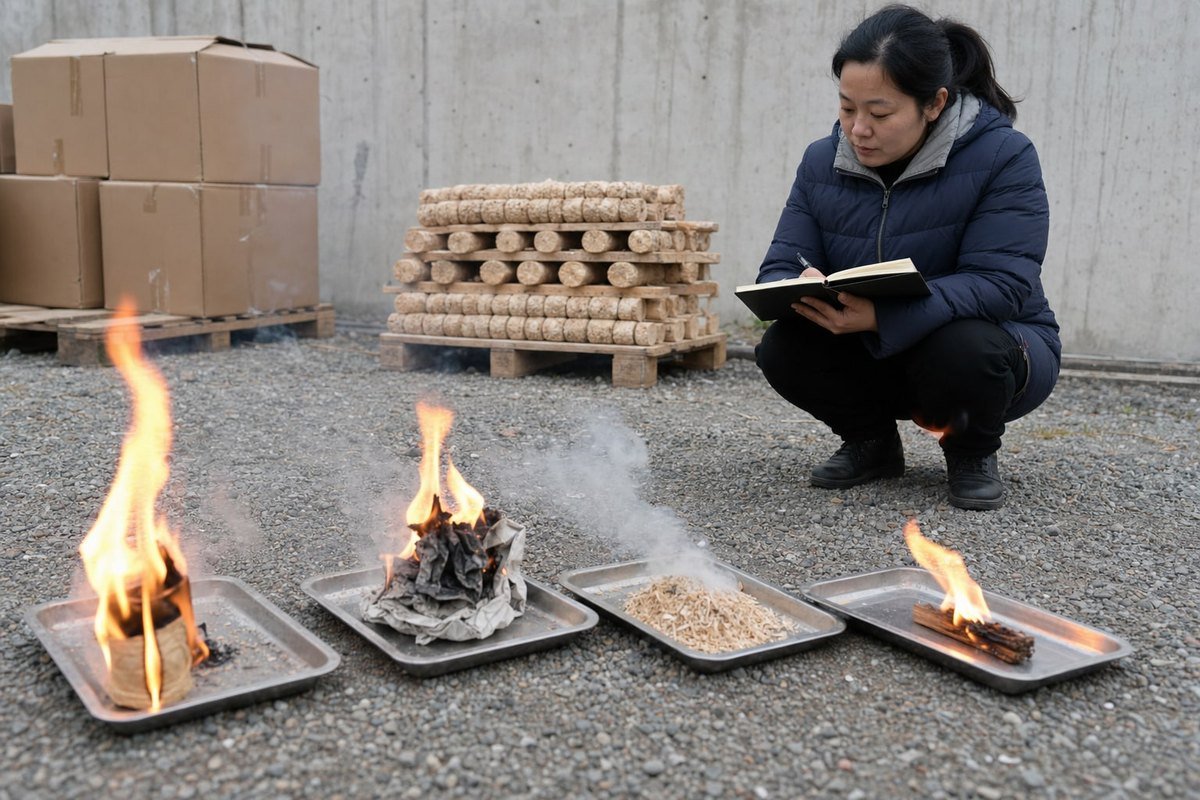
You do not need a combustion lab to verify the essentials. Follow a structured process.
A five-step verification process
- Ask for documentation first. Request SGS 5 or Intertek test reports, plus ISO 9001 6 and BSCI certification. If a factory hesitates, that tells you something. Our buyers in the US and EU treat these documents as a hard requirement, and so do we.
- Check the composition claim. A label reading "50% wood fiber, 50% paraffin" should match the test report. Composition drives calorific value, so mismatches signal quality drift.
- Run your own burn test. Light three samples. Time each burn from ignition to flame-out. Consistent burn time across samples indicates good batch-to-batch control.
- Test real ignition performance. Place a sample under kiln-dried wood kindling and under slightly damp kindling. A quality starter should ignite both. This tests combustion efficiency in conditions your end customers actually face.
- Compare sample to mass production. Order a trial quantity before the full container. After 17+ years running complete production lines, we know the first sample must reliably reflect mass-production quality — insist on that standard from any supplier.
Red flags worth noting
Watch for vague specs like "burns extremely hot" with no numbers, refusal to share lab reports, and burn times that vary wildly between pieces. Variation usually means inconsistent wax saturation, which means inconsistent heat value on your retail shelf.
Does higher heat value mean better quality when I'm sourcing wood fire starters for my market?
A lesson we learned early: one European client initially demanded the highest possible BTU rating. After field feedback, he switched to a balanced spec. His customers wanted reliable lighting and low smoke, not maximum energy on paper.
No. Higher heat value alone does not guarantee better quality. The best wood fire starter balances adequate heat value, easy ignition, stable burn time, low smoke, and consistency. A starter that delivers usable heat long enough to ignite kindling beats one with impressive but irrelevant BTU numbers.
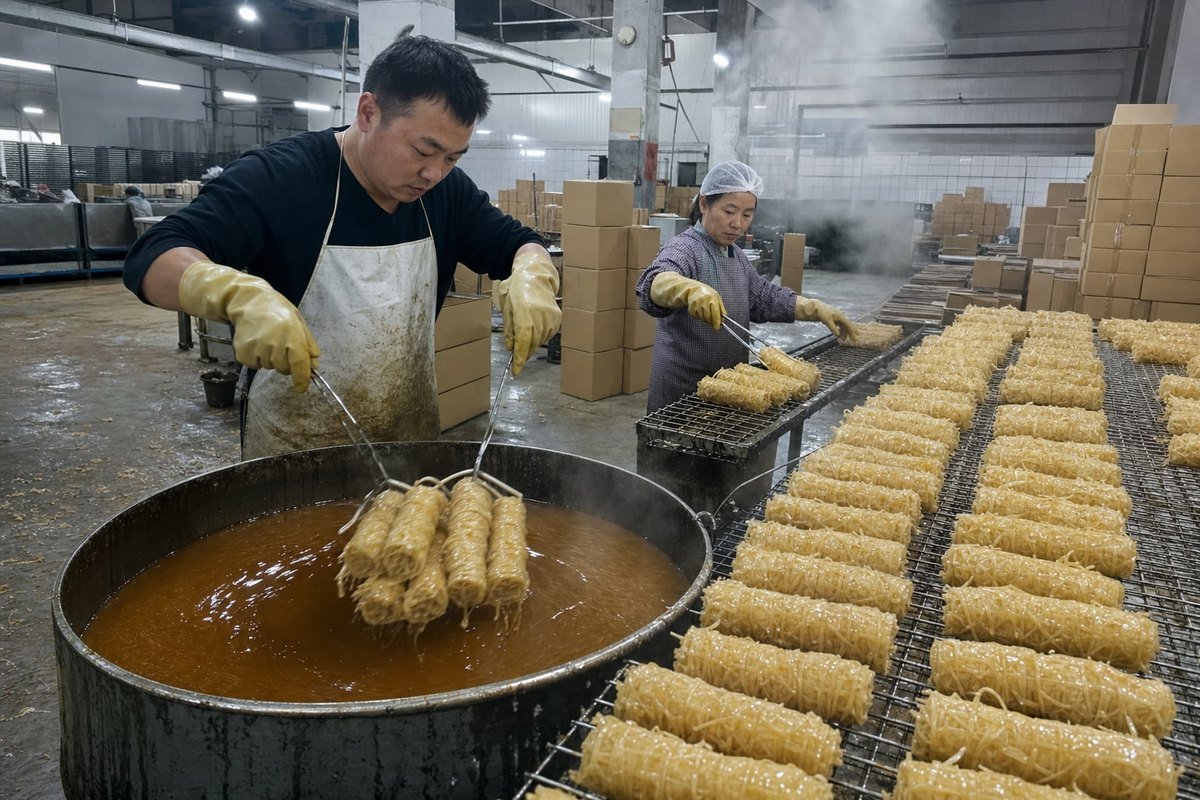
Heat value is one input, not the verdict. British Thermal Units (BTU) tell you total energy potential, but they say nothing about how that energy is released, how clean the smoke is, or whether piece number 5,000 performs like piece number one. For a purchasing manager, quality is a weighted scorecard.
A sourcing scorecard that reflects real markets
| Quality factor | Why it matters | What to spec |
|---|---|---|
| Heat value | Total energy for drying and preheating fuel | Adequate for 8+ min burn, not maximum |
| Ignition ease | End-user experience; one match should work | Lights within 3 seconds |
| Burn time | Bridges gap to self-sustaining fire | 8–12 minutes, consistent |
| Smoke and odor | Indoor fireplace acceptance, retail reviews | Low smoke, no chemical smell |
| Consistency | Brand reputation across thousands of units | Batch QC records |
| Compliance | Legal shelf access in US/EU | CE marking 7, SGS/Intertek reports |
Context decides the right spec
The hardwood vs softwood debate illustrates this well. Softwood fibers with higher resin content ignite faster; dense hardwood fibers hold energy longer. Neither is universally "better" — it depends on your market. Dry Mediterranean climates favor fast, hot starters. Damp UK and Dutch winters favor longer burns, because moisture content in stored firewood steals heat through evaporation before the wood surface can climb toward ignition temperature. Green wood offers only around 5,000 BTU/lb of usable energy versus roughly 7,700 for properly seasoned wood, so starters sold into wet climates must compensate with duration. This is exactly why we offer OEM customization of size, wax ratio, and burn time — a single spec rarely fits thirty countries. Match the starter to the fuel conditions your customers face, and heat value becomes a tool, not a trophy.
Conclusion
Confusing heat value with flame temperature costs buyers real money. Spec both, verify with certified reports and burn tests, and choose balanced performance over impressive numbers.
Footnotes
1. Defines the wood decomposition process central to ignition discussion. ↩︎
2. Explains the technical concept underlying ignition thresholds discussed. ↩︎
3. Clarifies the lab measurement concept contrasted with real-world burn tests. ↩︎
4. Background on the flue residue mentioned in the stability discussion. ↩︎
5. Official site of the third-party testing lab named for verification. ↩︎
6. Official standards body reference for the certification mentioned in verification steps. ↩︎
7. Official EU source explaining the compliance mark referenced in the scorecard. ↩︎



 English
  Spanish
  German
  French
  Arabic
  Portuguese
Join the Conversation