

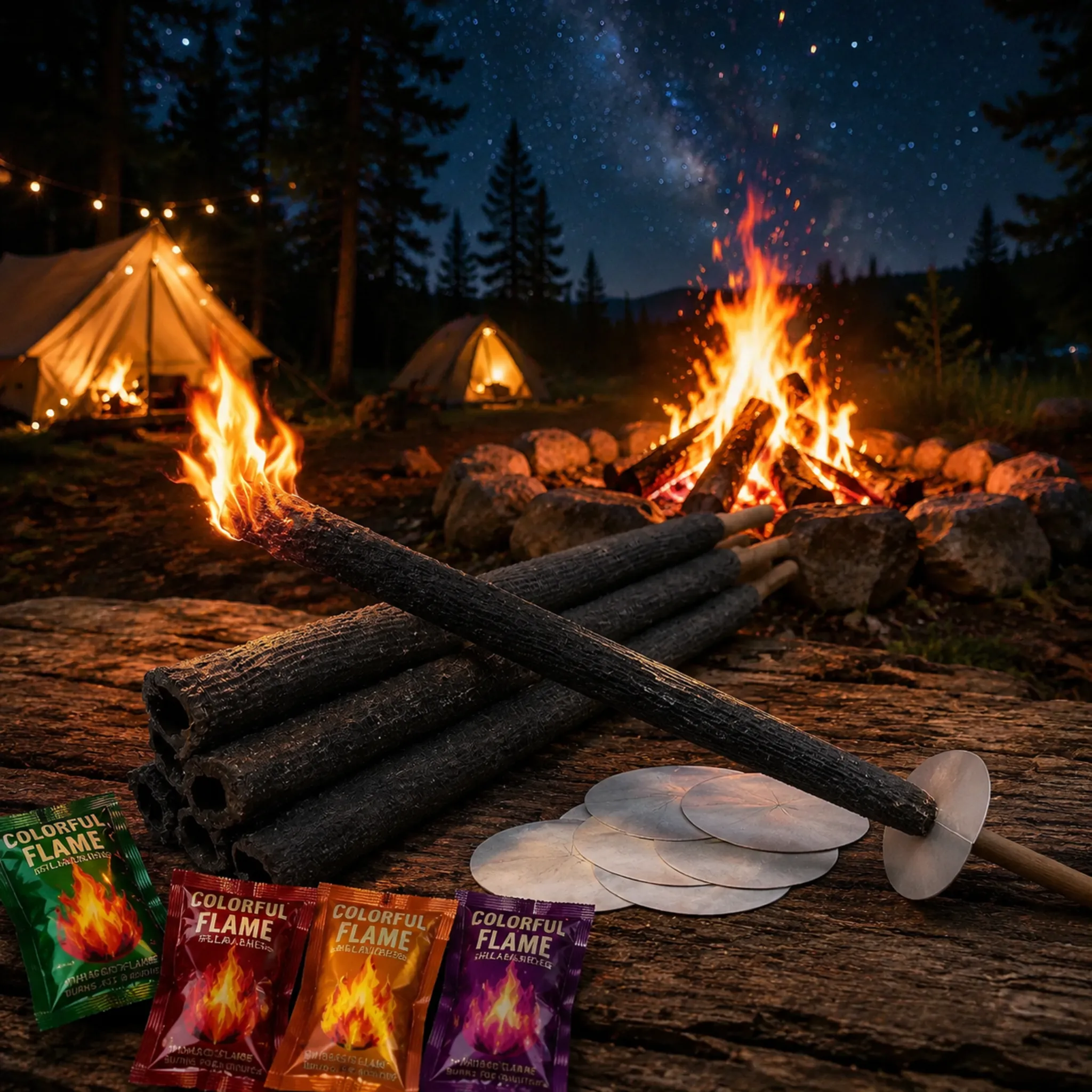
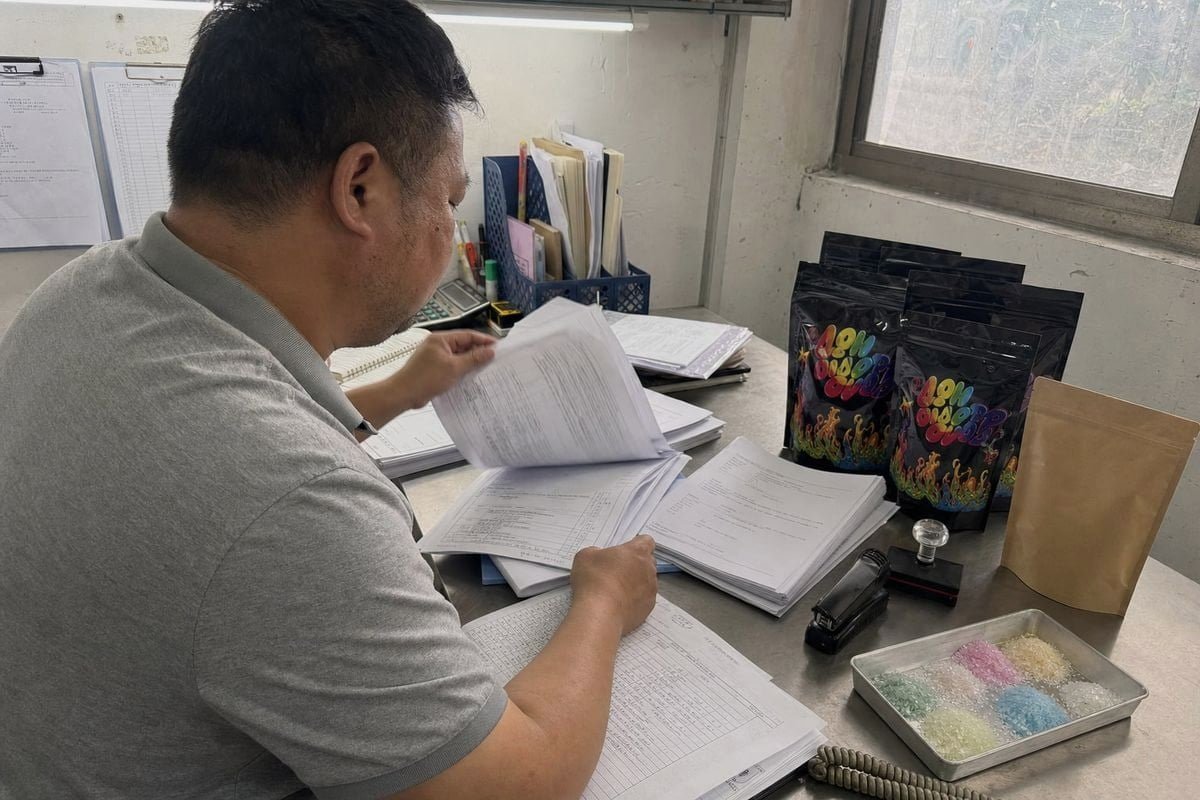
Buyers ask us weekly what factory test data supports a GCC for Magic Fire Powder. Miss one document, and customs can hold your entire container. Our Liuyang team has lived this.
To issue a GCC for Magic Fire Powder, you need a lab test report citing the applicable safety rule, chemical composition analysis, batch testing records, manufacturing dates and factory address, sample traceability, lab identity, and a Safety Data Sheet linking the tested sample to the shipped product.
That is the short answer. But each of those items has traps. Let me walk you through what your supplier must actually hand over, and how to check it.
What lab test reports does my supplier need for GCC certification of Magic Fire Powder?
Last year, a US importer sent me a one-page "pass" summary from another factory and asked if it was enough for a GCC. It was not even close.
Your supplier needs a full third-party laboratory testing report covering chemical composition analysis, heavy-metal and prohibited-substance screening, flammability behavior, and labeling review, plus batch testing records, raw test data, sample selection details, and the lab's accreditation — all matched to the exact product model shipped.

A GCC is only as good as the factory test data behind it. The certificate itself is a short legal declaration. The test report is the evidence. If the evidence is thin, the certificate is worthless in an audit. In our 17+ years supplying color-flame packets to the US, Europe, and the Middle East, we have learned to build every test file around traceability first.
The core reports for a color-flame powder
For a product like Magic Fire Powder, the test packet should cover three areas. First, chemistry. The lab must run a chemical composition analysis and screen against the Federal Hazardous Substances Act 1 framework, specifically 16 CFR Part 1500. That means checking for restricted heavy metals like arsenic and mercury salts, and confirming the product does not contain prohibited compositions such as certain chlorate mixtures. Second, physical behavior. The report should confirm the powder produces only a color effect — no unintended audible report, no explosive effect, no leakage from the sachet. Third, labeling. Precautionary labeling must carry the correct signal words and hazard statements under 16 CFR 1500.121.
What a complete test file contains
| Document | What it proves | Common gap we see |
|---|---|---|
| Test report with number and date | Compliance with the cited rule | Only a summary page, no methods |
| Chemical composition analysis | No prohibited substances present | Ingredients listed but not quantified |
| Batch testing records | Ongoing production consistency | One-time test, never repeated |
| Raw data worksheets | Results are real, not copied | Factory keeps nothing but the PDF |
| Sampling record | Tested sample matches production | No lot number linkage |
| Safety Data Sheet (SDS) | Full disclosure of coloring agents | Generic SDS from a different formula |
| Lab accreditation details | The lab is competent and recognized | Unaccredited in-house lab only |
We run SGS and Intertek testing 2 on our Magic Fire formulas precisely because our B2B buyers treat this packet as a hard requirement, not a nice-to-have. Ask your supplier for the full file, not the cover page.
Which GCC scheme applies to color-flame products exported from China to the Gulf market?
Here is a confusion I untangle for buyers constantly: two completely different certification systems share the acronym GCC, and choosing the wrong one wastes weeks.
Two schemes use the name GCC. The US General Certificate of Conformity applies to consumer products under CPSC rules for American imports. The Gulf Cooperation Council conformity system, based on GSO technical regulations, applies to Middle East shipments. Color-flame powder exporters must confirm which market — and which GCC — they mean.

Our export desk in Ningbo handles both markets, so we see this mix-up from both sides. A US purchasing manager searching "China GCC" usually means the CPSC document. A Dubai distributor means Gulf conformity. The paperwork, the certifier, and the test standards are different. Get this wrong and your freight forwarder will bounce the file back to you.
The two GCC systems side by side
| Feature | US General Certificate of Conformity | Gulf (GSO) Conformity |
|---|---|---|
| Issuing party | Importer of record 3 or domestic manufacturer | Manufacturer via a notified body |
| Legal basis | CPSC compliance standards, 16 CFR rules | GSO technical regulations |
| Testing basis | 16 CFR Part 1500, ASTM safety requirements where applicable | GSO/IEC/ISO standards per product category |
| Who holds records | The named recordkeeper on the certificate | The certificate holder and notified body |
| Third-party lab | Optional for a GCC, but must be listed if used | Typically required by the scheme |
An important classification warning
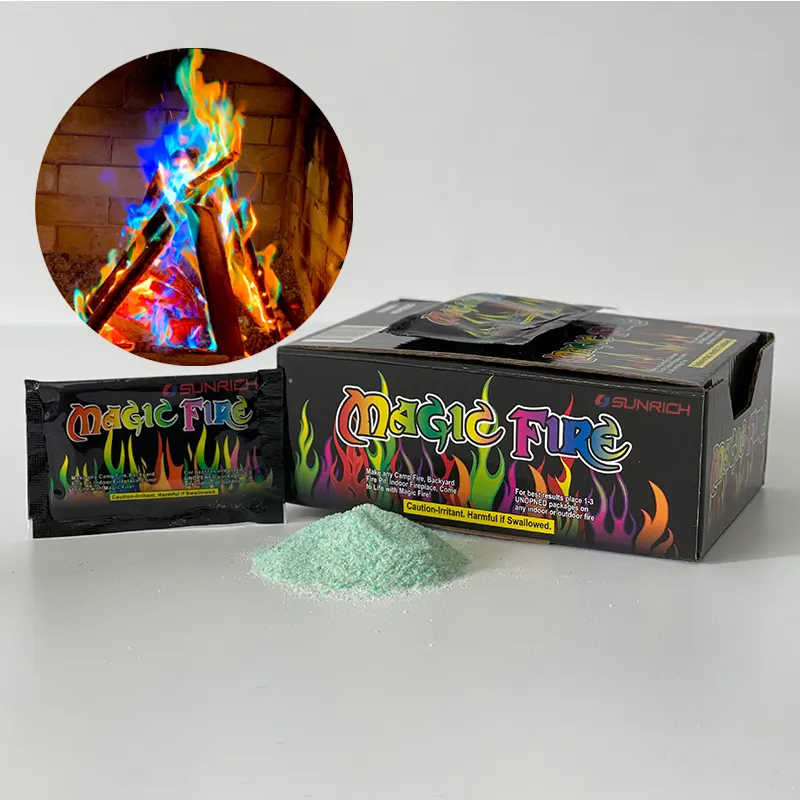
Before you commit to either path, verify the product's legal category. If a color-flame product were classified as a firework or explosive, a generic GCC would be the wrong document, or only part of the story. Our Magic Fire packets are formulated as non-explosive color additives — you toss the sachet into an existing campfire or fire pit — which keeps them in the consumer-product lane rather than the pyrotechnics lane. We confirmed this classification early, with test evidence showing no audible report and no self-propelling effect. Ask your supplier for the same proof. Also note that for US-bound goods, the certifier is the importer of record, not the Chinese factory. The factory generates the data; you issue the certificate. That division of responsibility surprises many first-time buyers, but it is the core of the US system.
How do I verify a factory's test data is accurate before applying for a GCC certificate?
A German distributor once challenged us during a factory audit: "Prove the sample you tested is the powder you will ship me." I loved the question, because most suppliers cannot answer it.
Verify test data by cross-checking the report number directly with the issuing lab, matching manufacturer name, model, and batch numbers across all documents, requesting raw data worksheets, confirming the lab's accreditation scope, and commissioning a spot re-test of a current production lot.
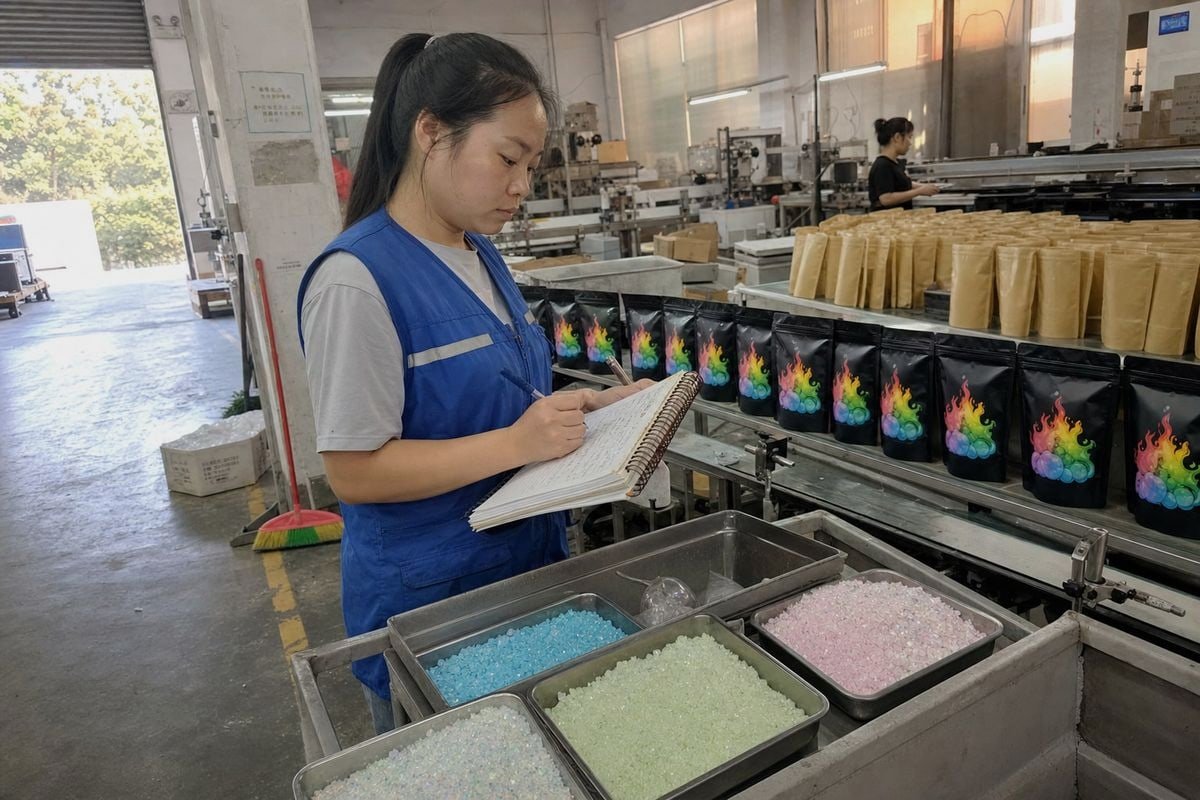
Fake or recycled test reports are a real problem in low-cost sourcing. The good news is that verification is a process, not a gamble. Here is the workflow we recommend to our buyers — and the one serious purchasing managers run on us before their first container.
A five-step verification workflow
- Authenticate the report at the source. Contact SGS, Intertek, or whichever lab issued it. Quote the report number and ask them to confirm the report exists, the date, and the applicant name. Reputable labs answer quickly.
- Cross-match every identifier. The manufacturer name and address on the test report must match the GCC draft and the shipping documents. The model or style number must match the product listing. One mismatch can invalidate the whole file.
- Demand the raw data. Ask for worksheets, measurements, and observations behind the pass/fail summary. A factory with genuine quality control 4 keeps these. We archive ours with each production batch so the paper trail never breaks.
- Check the lab's accreditation. Confirm the third-party laboratory testing 5 scope actually covers the methods cited. A lab accredited for textiles cannot credibly certify chemical flammability work.
- Spot-test a fresh lot. Chemical fingerprinting of a current batch against the certified sample catches formula drift. High-variance suppliers change ratios between lots; a re-test exposes that fast.
Some buyers ask whether factory in-house testing is acceptable instead. For speed and cost, in-house data helps daily batch testing records. But for defensibility with customs and retail customers, independent lab reports win every time. We do both: in-house checks on every batch, external reports on the certified formula. Also request the SDS, photos of labels and packaging 6, and a signed declaration that the tested sample matches shipment production. If your supplier resists any of these steps, treat that as your answer.
What happens if my Magic Fire Powder shipment lacks complete GCC test documentation?
The most expensive lesson in this business is usually learned at the port. One of our early US customers came to us after a previous supplier's undocumented shipment sat in a bonded warehouse for six weeks.
Shipments lacking complete GCC test documentation face customs detention, examination fees, storage charges, potential CPSC penalties, forced re-export or destruction, and refused delivery by retailers. The importer of record bears legal responsibility, and repeated violations can trigger increased inspection of all future shipments.

The consequences escalate in stages, and understanding those stages helps you price the risk honestly. A missing GCC is not a paperwork inconvenience. It is a legal gap that lands on you, not the factory, because US law puts certification duty on the importer.
The escalation ladder
| Stage | What happens | Typical cost impact |
|---|---|---|
| Entry review | Customs flags missing or inconsistent certificate data | Delay of days to weeks |
| Detention and exam | Container held, samples pulled for testing | Exam fees plus daily storage |
| Refusal | Goods denied entry, re-export or destruction ordered | Loss of full shipment value |
| Enforcement | Civil penalties for knowing violations | Fines far exceeding cargo value |
| Reputation | Retailers drop non-compliant vendors | Lost listings and contracts |
The rules are tightening, not loosening
Two trends make documentation gaps riskier over time. First, CPSC is moving to mandatory eFiling of certificate data through the Partner Government Agency Message Set 7, with full enforcement expected from July 2026. That means certificate elements will be checked electronically at entry, before the container even lands. Guesswork and after-the-fact paperwork will stop working. Second, enforcement attention on child-appeal hazards is growing. Colorful, candy-like crystalline powders in playful packaging draw scrutiny for accidental ingestion risk. Our own packaging carries clear caution labels and hazard statements for exactly this reason, and we design private-label artwork for buyers with those CPSIA certification requirements and labeling rules in mind. One more objection I hear: "My old test report still covers this shipment." Sometimes true, often not. If the formula, factory, packaging, or rule scope changed, the old report no longer supports the certificate. A reasonable testing program, with documented re-test frequency, is what keeps a certificate defensible shipment after shipment. Build that program with your supplier before you book the vessel, not after the hold notice arrives.
Conclusion
A GCC stands or falls on the factory test data behind it. Demand full reports, batch traceability, and verified labs — then choose a supplier who documents everything before you ship.
Footnotes
1. Authoritative Wikipedia overview of the US safety regulation cited for chemical screening. ↩︎
2. Official site of a leading global testing company providing consumer product compliance services. ↩︎
3. Official US Customs and Border Protection page defining the legal role responsible for compliance. ↩︎
4. Authoritative Wikipedia entry explaining the systems used to maintain standards in manufactured products. ↩︎
5. Official ISO page for the standard governing the competence of testing and calibration laboratories. ↩︎
6. Wikipedia overview of the requirements and functions of product packaging and labeling in commerce. ↩︎
7. Official CBP page explaining the eFiling system mentioned for future certificate enforcement. ↩︎



 English
 Spanish
 German
 French
 Arabic
 Portuguese
Join the Conversation