






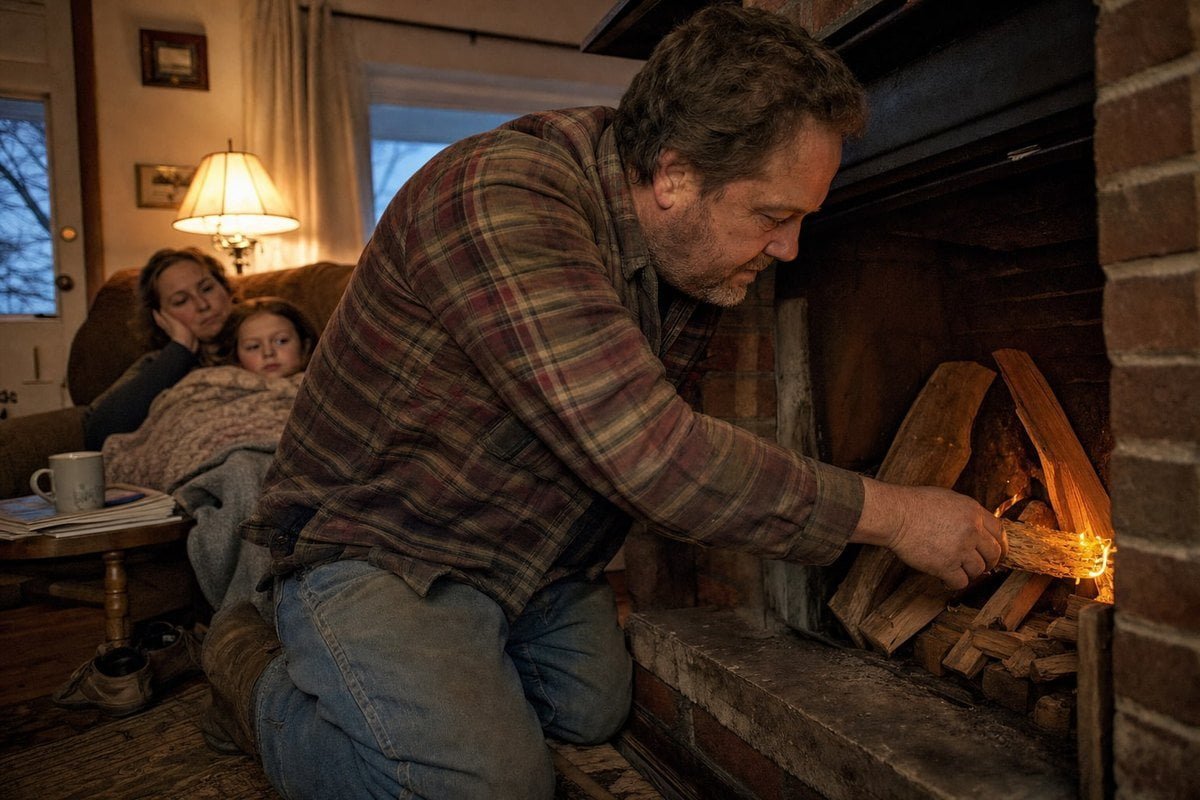
Repeat purchases of wood fire starters puzzle many buyers I meet. They pick cheap stock, watch reorders vanish, and blame the market. On our production line, we see the real reason: failed ignition kills loyalty faster than any price tag ever will.
Ignition success drives repeat purchases of wood fire starters more than price. Customers reorder products that light reliably on the first try, in real conditions. Price acts as a gatekeeper for the first purchase, but consistent ignition reliability is what earns the second, third, and tenth order.
Let me unpack this for you. I will show why performance beats sticker price, how to balance the two, and what quality standards protect your reorder rate.
What Makes My Customers Come Back: Low Prices or Reliable Ignition Every Time?
A German distributor once told me something I never forgot. He said his customers never emailed to praise a cheap price, but they always emailed when a fire starter failed. That conversation shaped how we run quality control at our factory today.
Reliable ignition brings customers back far more than low prices. A fire starter that lights every time builds trust and habit. A cheap one that fails even once creates frustration, and frustrated buyers switch brands permanently rather than give a failed product a second chance.

Think about how a consumer actually uses this product. It is cold. The fireplace is stacked. The family is waiting. The fire starter either works, or the whole evening stalls. In that moment, nobody remembers saving fifty cents per pack.
This is why I call ignition reliability 1 a form of frustration insurance. When a product works every single time, the buyer stops shopping around. They stop comparing prices. They just reorder. That is the behavior every distributor wants, and it is built on performance, not discounts.
The Loyalty Ladder for Fire Starter Buyers
Over 17 years of exporting to markets like the US, Germany, and the UK, we have watched buyers climb the same ladder:
| Stage | What the Buyer Cares About | What Drives the Next Step |
|---|---|---|
| First purchase | Price, packaging, shelf appeal | Low-risk trial price |
| Second purchase | Did it light on the first try? | Ignition success |
| Repeat purchase | Consistency across the whole pack | Batch-to-batch quality |
| Loyalty | Trust, habit, bulk purchase value | Zero failures over time |
Price only dominates the first rung. Every rung after that belongs to performance. Ease of lighting, burn time duration, and consistency across every piece in the box decide whether your customer retention metrics climb or collapse.
There is also a hidden multiplier. A satisfied user recommends the product around the fire pit or at the campsite. A failed ignition gets talked about too, just in the wrong direction. Word of mouth amplifies whichever experience you deliver.
How Do I Balance Competitive Pricing With Consistent Fire-Starting Performance?
Every quarter, our team weighs the same trade-off: could we cut wax content 2 to shave a few cents per unit? We always land on the same answer, because we know exactly what that cut would do to burn time duration in the field.
Balance pricing and performance by anchoring on cost-per-successful-fire, not cost-per-unit. Set a minimum performance floor first — reliable single-piece ignition and adequate burn time — then optimize costs through pack sizing, efficient materials, and bulk purchase value, never by cutting ignition reliability.

The cost-per-fire framework changes everything. Here is a simple comparison I share with purchasing managers who fixate on unit price:
| Metric | Budget Starter | Quality Wood Wool Starter |
|---|---|---|
| Price per piece | Lower | Moderately higher |
| Pieces needed per fire | 2–3 (retries, weak flame) | 1 |
| Burn time duration | Short, little margin for error | Long enough to catch kindling |
| Failed attempts | Occasional | Rare |
| Real cost per successful fire | Often higher | Often lower |
A cheap product that needs two or three pieces per fire is not cheap. It is expensive per fire and expensive in customer goodwill. Savvy repeat buyers figure this out fast, especially the camping and fireplace crowd who light fires weekly through the season.
Where You Can Save Without Hurting Performance
There are smart places to control cost. Wood shavings and wax are efficient raw materials 3 when sourced and processed well. Larger pack counts spread packaging cost 4 across more units. Optimized carton dimensions cut freight per piece. Private-label runs at sensible MOQs reduce per-order overhead. None of these touch the flame.
Where You Should Never Cut
Never reduce wax saturation 5, fiber density, or drying time. These directly control ease of lighting and how long the flame holds. When we develop OEM specs with a client, we lock the performance floor into the spec sheet first, and only then discuss price levers. That sequence protects both of us.
Pack strategy matters too. Offer a small trial pack to lower the entry barrier for first-time buyers, then a large-count box for converts who already trust the product. The trial pack competes on price. The bulk pack competes on proven reliability.
Can Poor Ignition Success Hurt My Brand's Repeat Purchase Rate More Than Higher Prices?
A few years back, a UK fireplace-accessories buyer came to us after a painful season. His previous supplier's batch worked in testing but failed in damp British winters. His reviews tanked. His reorder rate followed. That failure cost him far more than our slightly higher quote ever could.
Yes. Poor ignition success damages repeat purchase rates more than higher prices do. Buyers forgive a fair premium for a product that works, but they do not forgive failure. Negative reviews, returns, and silent brand switching compound the damage far beyond the initial sale.

Let me break down why failure is so costly. Price disappointment is mild and expected — the buyer knew the price before purchasing. Performance disappointment is a betrayal — the product promised fire and delivered smoke. Human psychology weighs losses heavier than gains, so a failed ignition hurts your brand more than a discount helps it.
E-commerce makes this brutal. Today's shoppers read reviews before reordering anything for their fireplace and stove accessories 6 shelf. One "would not light" review sits there permanently, filtering out future buyers you never even meet. Meanwhile, consistent five-star ignition stories become your best salespeople.
The Compounding Cost of Failure
Here is how one bad batch cascades through a brand:
- The customer's fire fails on a cold night.
- They use extra pieces or give up — wasted product, wasted evening.
- They leave a negative review or return the pack.
- They buy a competitor's product and never come back.
- Future shoppers read that review and choose the competitor too.
Notice that steps 4 and 5 are invisible in your sales data. You just see reorders slowing. Many brands misread this as a pricing problem and cut prices, which squeezes margin without fixing the real issue.
Real-world conditions decide ignition success. Wind, damp air, cold kindling, and unseasoned firewood 7 all raise the difficulty. A good fire starter acts as a fuel quality buffer — it burns hot and long enough to overcome imperfect wood. That is exactly why we test our wax-dipped wood rolls against damp kindling, not just dry lab tinder, before any container leaves Ningbo. Higher prices cap your addressable market at the edges. Poor ignition hollows out its core.
What Quality Standards Should I Look for to Ensure My Wood Fire Starters Ignite Reliably Batch After Batch?
Quality control is where I get genuinely opinionated, because this is our daily work. Our Ningbo facility runs batch ignition tests before shipment, and our lines hold ISO 9001, BSCI, CE, and SGS/Intertek certifications — because our US and European buyers treat compliance as a hard requirement, not a bonus.
Look for verified certifications (ISO 9001, CE, SGS/Intertek test reports), documented batch ignition testing, consistent wax saturation and fiber density, chemical-free natural materials, controlled burn time duration, and moisture-barrier packaging. Demand that mass production matches the approved sample exactly.

Batch-to-batch consistency is the whole game. Any factory can make one good sample. The question is whether piece number 80,000 in container three lights exactly like the sample you approved. That takes real manufacturing depth: stable raw material sourcing, calibrated wax dipping, controlled drying, and ignition testing on every production run.
A Practical QC Checklist for Buyers
Use this table when auditing a supplier of wood fire starters:
| Quality Standard | What to Verify | Why It Matters |
|---|---|---|
| Certifications | ISO 9001, BSCI, CE, SGS/Intertek reports | Compliance is mandatory for US/EU retail shelves |
| Material composition | Natural wood fiber and paraffin, chemical-free fire lighters | Safe for indoor fireplaces and BBQ cooking |
| Ignition testing | Documented per-batch first-strike test results | Confirms ignition reliability at scale |
| Burn time duration | Consistent minutes per piece, verified per batch | Gives users margin to catch kindling |
| Wax saturation | Uniform coating, no dry or brittle pieces | Prevents intermittent failures within one pack |
| Packaging | Moisture-barrier boxes or bags | Protects efficacy in humid garages and basements |
| Sample fidelity | Mass production matches approved sample | Protects your brand from batch drift |
Materials and Composition Matter
Eco-friendly fire starters made from wood wool and wax have become the standard for indoor and cooking use, because buyers reject chemical odors near food and family. The same logic applies to fatwood kindling and other natural options — clean, odorless combustion is now a loyalty factor, not a niche preference. When we formulate our wax-dipped wood rolls, we keep the composition simple and non-toxic precisely because BBQ distributors and fireplace brands demand it.
Insist on Documentation, Not Promises
Ask for test reports, not verbal assurances. Ask how the factory handles a failed batch test. A real factory will show you the process. A trading company will change the subject. That difference is exactly what protects your repeat purchase rate two seasons from now, when your customers reach for pack number five.
Conclusion
Price gets your wood fire starters into a buyer's cart once. Ignition success keeps them coming back. Build on verified quality, consistent batches, and cost-per-fire value — and reorders will follow.
Footnotes
1. Wikipedia overview of fire lighters, including technical aspects like ignition and burn time. ↩︎
2. Technical background on paraffin wax, the primary fuel component in wood fire starters. ↩︎
3. Authoritative Wikipedia entry defining raw materials and their role in manufacturing and production. ↩︎
4. Wikipedia entry for wood shavings, a key component in the manufacturing of fire starters. ↩︎
5. Provides technical context on firelighter composition, specifically the process of wood and wax saturation. ↩︎
6. Government safety resource for fireplace and stove products and related accessories. ↩︎
7. EPA guidance on wood burning practices and the challenges of using unseasoned wood. ↩︎


 English
  Spanish
  German
  French
  Arabic
  Portuguese
Join the Conversation