







Wood fire starters solve a problem I see constantly on our production floor: buyers sell great firewood, yet their customers still struggle to light it, return frustrated, and blame the fuel.
Wood fire starters complement firewood and kindling by supplying the reliable initial flame that ignites small dry fuel long enough to transfer heat to larger logs. They complete the fire-starting chain, reduce failed lighting attempts, raise basket size, and make a firewood line feel like a full system.
That is the short answer. Below, I will break down why this pairing works, how to verify compliance, what customization is possible, and which supplier questions protect your quality.
What Makes Wood Fire Starters a Natural Add-On to My Firewood and Kindling Range?
A German fireplace distributor once told me his kiln-dried logs 1 earned five-star reviews — except from customers who could not light them. That gap is exactly where our wax-dipped wood rolls fit.
Wood fire starters are a natural add-on because they bridge the hardest step in fire building: ignition. They light with one match, burn several minutes, and ignite kindling reliably, which makes dense seasoned hardwood fuel easier to use, easier to bundle, and easier to sell at premium prices.
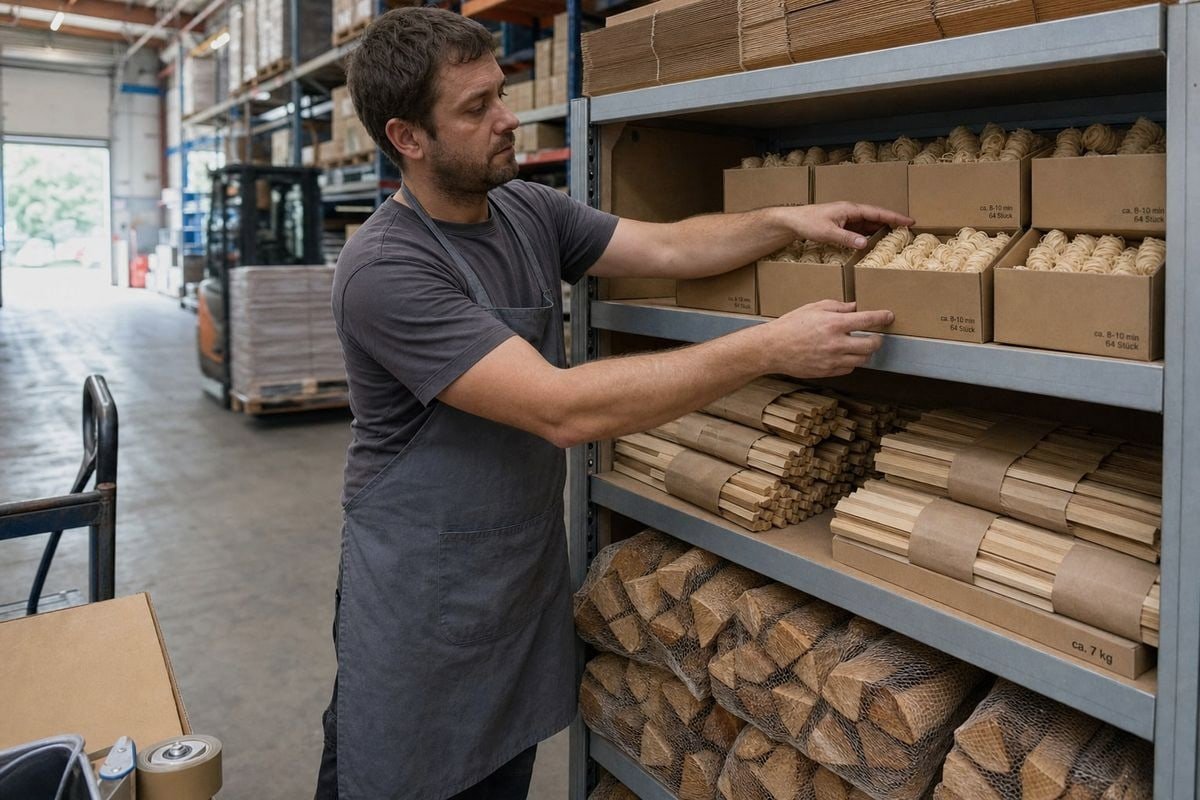
Every wood fire follows the same chain: starter → kindling → firewood. The starter creates the first flame. Kindling acts as the bridge, adding surface area and heat. The logs deliver the long, steady burn. Remove the first link, and customers fall back on newspaper, lighter fluid, or frustration. In our 17+ years supplying fire-starting goods, we have watched distributors in the US, UK, and Netherlands turn a plain firewood offer into a complete "fire kit" simply by adding a box of wood wool firelighters at checkout.
Why the Three Products Perform Better Together
Kiln-dried logs are premium fuel, but density works against fast ignition. A wax-and-wood-fiber starter burns hot for five to twelve minutes — long enough for hardwood kindling to catch fully. That aligned ignition method matters: wood-based starters match the burn characteristics of wood fuel far better than liquid accelerants do.
| Product | Role in the Chain | Typical Burn Focus |
|---|---|---|
| Wood fire starter | Creates the initial flame | 5–12 minutes of concentrated heat |
| Kindling / fatwood sticks 2 | Bridges heat to larger fuel | Fast catch, builds ember bed |
| Kiln-dried firewood | Sustains the fire | Long, clean burning performance |
The Business Case for Bundling
For sellers, the logic is just as strong. Fire starters carry a high profit-to-weight ratio, which helps offset the heavy, low-margin logistics of firewood delivery. They are shelf-stable year-round, so they hedge against seasonal firewood delays. And they open cross-selling opportunities across hearth and patio accessories, BBQ, and camping categories — not just the fireplace aisle.
How Can I Verify These Fire Starters Meet International Safety and Compliance Standards?
Compliance questions come first in nearly every inquiry we receive from European and North American buyers — usually before price. That ordering of priorities is correct, and we built our factory processes around it.
Verify compliance by requesting current ISO 9001 and BSCI certificates, CE documentation, and third-party test reports from labs like SGS or Intertek. Confirm the reports match the exact product formulation, check certificate validity dates, and ensure packaging carries required warning labels for your market.

Documentation is only useful if you know how to read it. Over the years, our team has prepared compliance packs for buyers in 30+ countries, and the same verification steps come up again and again. First, match the test report to the actual product. A report for a paraffin-and-sawdust puck does not cover a wax-dipped wood roll with a different composition, such as a 50% wood fiber and 50% paraffin blend. Second, check the issue date. Labs like SGS and Intertek 3 date their reports, and older reports may not reflect current formulations or updated regulations.
A Practical Verification Checklist
- Request the ISO 9001 certificate 4 to confirm a working quality management system.
- Ask for the BSCI audit 5 result to verify ethical production conditions.
- Review CE documentation 6 relevant to your destination market.
- Cross-check SGS or Intertek test reports against the product spec sheet.
- Confirm warning labels, composition statements, and barcodes meet retail requirements.
- For eco-friendly ignition products, ask what "no harmful chemicals" means in testing terms — get it in writing.
Why Retail Channels Demand This
Large retail sourcing channels will not shelve fire products without a complete compliance file. If your supplier hesitates on any document, that hesitation is the answer. A genuine factory maintains these files as a matter of routine, because fireplace and stove supplies face real scrutiny at customs and on the shelf.
Can I Get Custom Sizes, Burn Times, and Private-Label Packaging for My Product Line?
One of our longest OEM projects started with a Canadian camping brand that needed a starter puck small enough for a backpack pocket but hot enough for damp conditions. We adjusted the wax ratio and roll density across three sample rounds before locking the spec.
Yes. A capable factory can customize starter size, shape, wax-to-fiber ratio, and burn time, then supply private-label packaging including custom boxes, display packaging, warning labels, and barcodes. Full OEM/ODM programs let distributors launch shelf-ready fire starter lines matched to their firewood range.
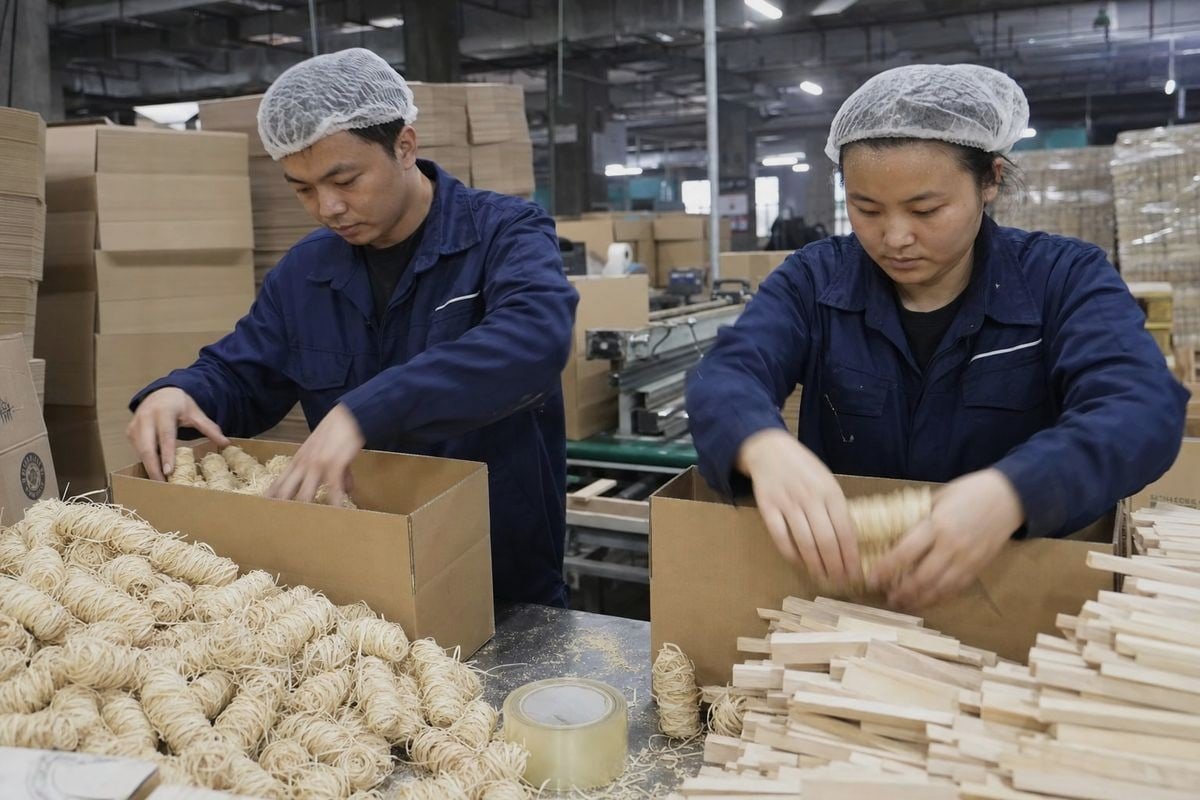
Customization is where a fire starter stops being a commodity and becomes part of your brand system. On our production lines in Ningbo, the main levers are physical: roll diameter, fiber density, and wax coverage. Together, these control burn time. A denser roll with heavier wax dipping burns longer and resists moisture better — useful for outdoor brands where firewood may sit at higher moisture content 7 levels after storage. A lighter roll ignites faster and suits indoor fireplace use with kiln-dried logs.
Common Customization Options
| Customization Lever | What It Controls | Typical Buyer Use Case |
|---|---|---|
| Roll size and shape | Handling, pack count, shelf presence | Retail multipacks vs. bulk camping packs |
| Wax-to-fiber ratio | Burn time and weather resistance | Outdoor kits vs. indoor hearth bundles |
| Burn time calibration | Match to fuel density | Pairing with dense seasoned hardwood fuel |
| Packaging format | Plastic bag, kraft bag, jar, or retail box | Eco branding vs. premium gift positioning |
| Labels and barcodes | Market compliance and scanning | US, EU, and Australian retail channels |
Private-Label Details That Matter
Packaging is more than a logo. We regularly produce kraft-bag formats for eco-positioned brands that pair starters with wood wool firelighters and fatwood sticks, and glossy retail boxes for hardware channels. Display-ready packaging, correct warning text per market, and optimized carton dimensions for sea freight all affect your landed cost and shelf performance. Ask for all of it up front, in one project scope.
What Should I Ask My Supplier to Ensure Consistent Quality Across Every Bulk Order?
The most expensive lesson I have watched buyers learn is this: a beautiful first sample means little if container three arrives with different burn times. Batch consistency is a process, not a promise.
Ask your supplier about batch-to-batch QC procedures, burn-time testing frequency, raw material sourcing controls, moisture specifications, sample retention policies, and whether the factory owns its production lines. Request a written spec sheet with tolerances, and confirm the first sample reflects mass-production output.
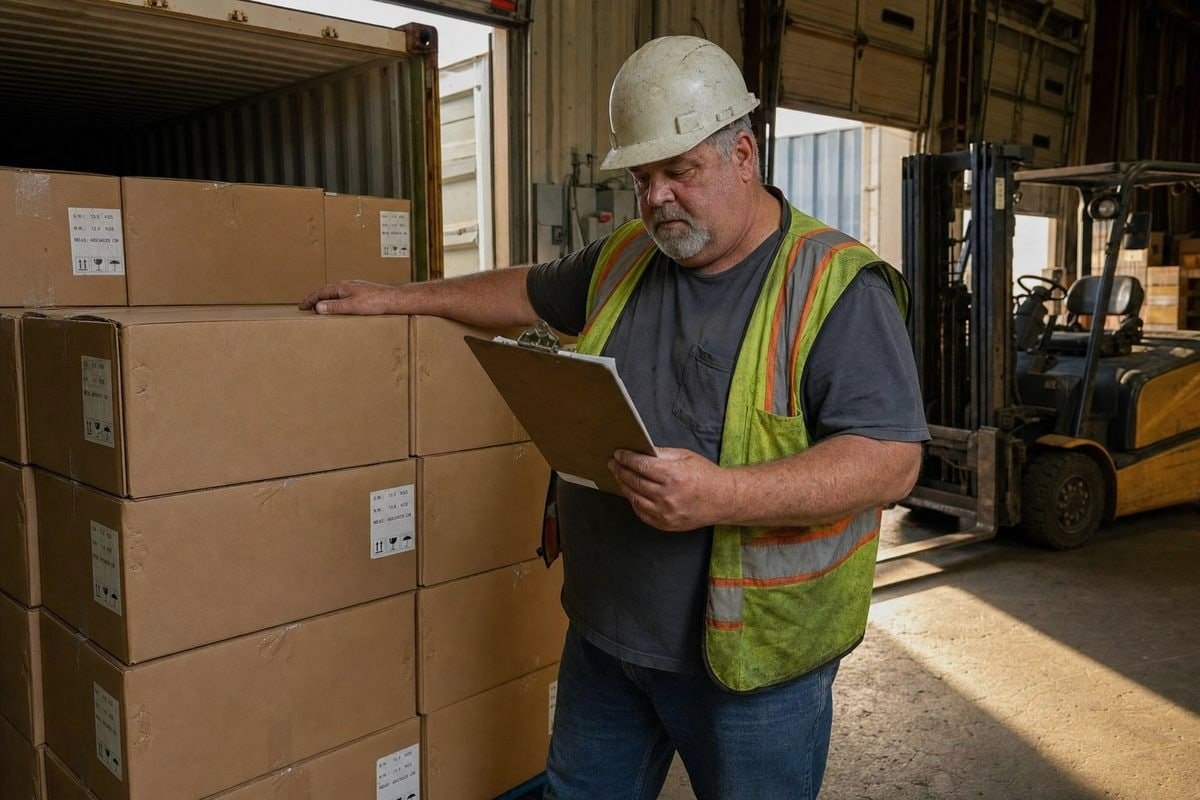
Fire starters look simple, but consistency depends on controlling several variables at once. Wood fiber moisture, wax temperature during dipping, roll density, and drying time all shift burn performance. At our factory, we learned early that a small change in fiber supply can shorten burn time enough to cause customer complaints downstream — so incoming materials get checked before they touch the line. Your supplier should be able to describe similar controls without hesitation.
Questions That Separate Factories from Traders
| Question to Ask | What a Strong Answer Sounds Like |
|---|---|
| Who owns the production line? | A real factory names its facility location and shows audit records |
| How is burn time tested? | Timed ignition tests per batch, with logged results |
| What are the spec tolerances? | Written ranges for weight, size, and burn duration |
| How are raw materials controlled? | Incoming inspection of fiber and wax, approved supplier list |
| What happens if a batch fails? | Quarantine, root-cause review, and re-test before shipping |
| Can you match the first sample at scale? | Yes, with retained golden samples for comparison |
Build Consistency into the Contract
Do not rely on goodwill. Put burn-time ranges, composition percentages, and packaging specs into your purchase agreement. Request retained samples from each production run. For trial orders, negotiate a flexible MOQ so you can validate clean burning performance in your own market before committing to full containers. A supplier confident in its quality control will welcome these terms; one who resists is telling you something important.
Conclusion
Firewood buyers struggle most with ignition. That frustration costs sellers reviews and repeat orders. Wood fire starters close the gap — completing the chain, lifting margins, and turning fuel into a system.
Footnotes
1. Background context on firewood properties relevant to ignition and burn discussion. ↩︎
2. Background on fatwood, a resin-rich kindling material mentioned as a product pairing. ↩︎
3. SGS is a leading third-party testing and certification body cited in the article. ↩︎
4. Official ISO reference for quality management certification mentioned in compliance checklist. ↩︎
5. Amfori is the organization behind the BSCI ethical audit standard referenced. ↩︎
6. EU official page explains CE marking requirements referenced for compliance verification. ↩︎
7. Explains wood moisture and drying concepts relevant to starter burn performance. ↩︎



 English
  Spanish
  German
  French
  Arabic
  Portuguese
Join the Conversation