







تبدأ مشعلات النار الخشبية في حل مشكلة أراها باستمرار في أرض الإنتاج لدينا: يبيع المشترون حطبًا رائعًا، ومع ذلك لا يزال عملاؤهم يكافحون لإشعاله، ويعودون بخيبة أمل، ويلومون الوقود.
Wood fire starters complement firewood and kindling by supplying the reliable initial flame that ignites small dry fuel long enough to transfer heat to larger logs.
هذا هو الجواب المختصر. أدناه، سأوضح سبب نجاح هذه الشراكة، وكيفية التحقق من الامتثال، وما هو التخصيص الممكن، وأي أسئلة للمورد تحمي جودتك.
ما الذي يجعل بادئات إشعال النار الخشبية إضافة طبيعية إلى مجموعة الحطب والقدح الخاصة بي؟
أخبرني موزع مدفأة ألماني ذات مرة أن جذوعه المجففة في الفرن 1 حصلت على تقييمات بخمس نجوم - باستثناء العملاء الذين لم يتمكنوا من إشعالها. هذه الفجوة هي بالضبط المكان الذي تتناسب فيه لفائف الخشب المغطاة بالشمع لدينا.
بادئات إشعال النار الخشبية هي إضافة طبيعية لأنها تسد أصعب خطوة في إشعال النار: الاشتعال. تشتعل بعود ثقاب واحد، وتحترق لعدة دقائق، وتشعل الأخشاب الصغيرة بشكل موثوق، مما يجعل وقود الخشب الصلب المعالج والمجفف أسهل في الاستخدام، وأسهل في التجميع، وأسهل في البيع بأسعار مميزة.
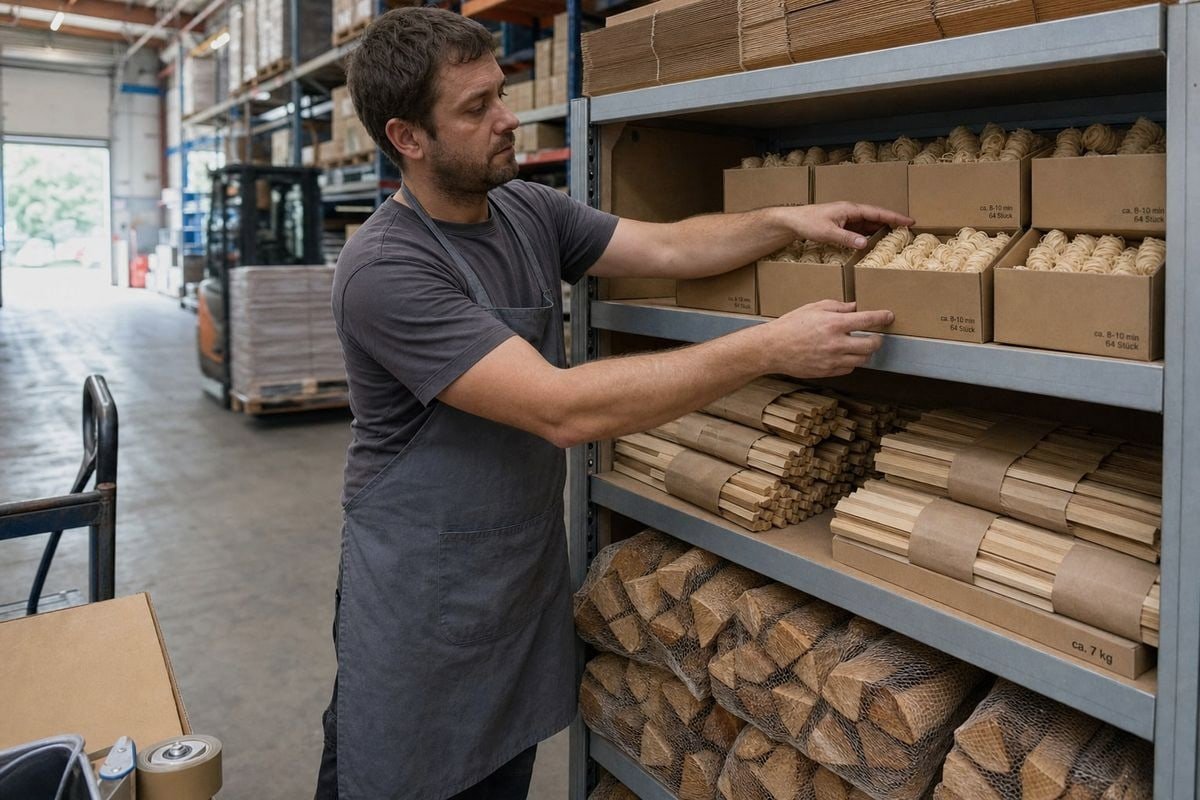
تتبع كل نار خشبية نفس السلسلة: بادئ التشغيل → الوقود الصغير → الحطب. يبدأ بادئ التشغيل اللهب الأول. يعمل الوقود الصغير كجسر، مضيفًا مساحة سطح وحرارة. توفر الجذوع الاحتراق الطويل والثابت. قم بإزالة الرابط الأول، وسيعود العملاء إلى الصحف، أو سائل الإشعال، أو الإحباط. في أكثر من 17 عامًا من توريد سلع بدء الحريق، شاهدنا الموزعين في الولايات المتحدة والمملكة المتحدة وهولندا يحولون عرضًا بسيطًا للحطب إلى "مجموعة حريق" كاملة بمجرد إضافة صندوق من مشعلات الخشب الصوفية عند الخروج.
لماذا المنتجات الثلاثة تعمل بشكل أفضل معًا
الجذوع المجففة في الفرن هي وقود ممتاز، ولكن الكثافة تعمل ضد الاشتعال السريع. يحترق بادئ التشغيل المصنوع من الشمع والألياف الخشبية بقوة لمدة خمس إلى اثنتي عشرة دقيقة - وهي مدة كافية لالتقاط الوقود الصغير الخشبي بالكامل. طريقة الاشتعال المتوافقة هذه مهمة: تتناسب بادئات التشغيل الخشبية مع خصائص احتراق الوقود الخشبي بشكل أفضل بكثير من المواد السائلة المسرعة.
| منتج | الدور في السلسلة | تركيز الاحتراق النموذجي |
|---|---|---|
| بادئ حريق خشبي | يخلق اللهب الأولي | 5-12 دقيقة من الحرارة المركزة |
| الوقود الصغير / عصي خشبية دهنية 2 | يربط الحرارة بالوقود الأكبر | التقاط سريع، يبني سريرًا من الجمر |
| حطب مجفف في الفرن | يحافظ على النار | أداء احتراق طويل ونظيف |
الحالة التجارية للتجميع
بالنسبة للبائعين، المنطق قوي بنفس القدر. تحمل مشعلات البداية نسبة ربح عالية إلى الوزن، مما يساعد على تعويض الخدمات اللوجستية الثقيلة ومنخفضة الهامش لتوصيل الحطب. إنها مستقرة على الرف على مدار العام، لذا فهي تحوط ضد تأخيرات الحطب الموسمية. وهي تفتح فرص البيع المتبادل عبر ملحقات الموقد والفناء، والشواء، وفئات التخييم - وليس فقط ممر المدفأة.
كيف يمكنني التحقق من أن هذه البادئات النارية تلبي معايير السلامة والامتثال الدولية؟
تأتي أسئلة الامتثال أولاً في كل استفسار تقريبًا نتلقاه من المشترين الأوروبيين وأمريكا الشمالية - عادة قبل السعر. هذا الترتيب للأولويات صحيح، ولقد بنينا عمليات المصنع لدينا حوله.
تحقق من الامتثال عن طريق طلب شهادات ISO 9001 و BSCI الحالية، ووثائق CE، وتقارير الاختبار من طرف ثالث من مختبرات مثل SGS أو Intertek. تأكد من تطابق التقارير مع التركيبة الدقيقة للمنتج، وتحقق من تواريخ صلاحية الشهادات، وتأكد من أن التغليف يحمل ملصقات التحذير المطلوبة لسوقك.
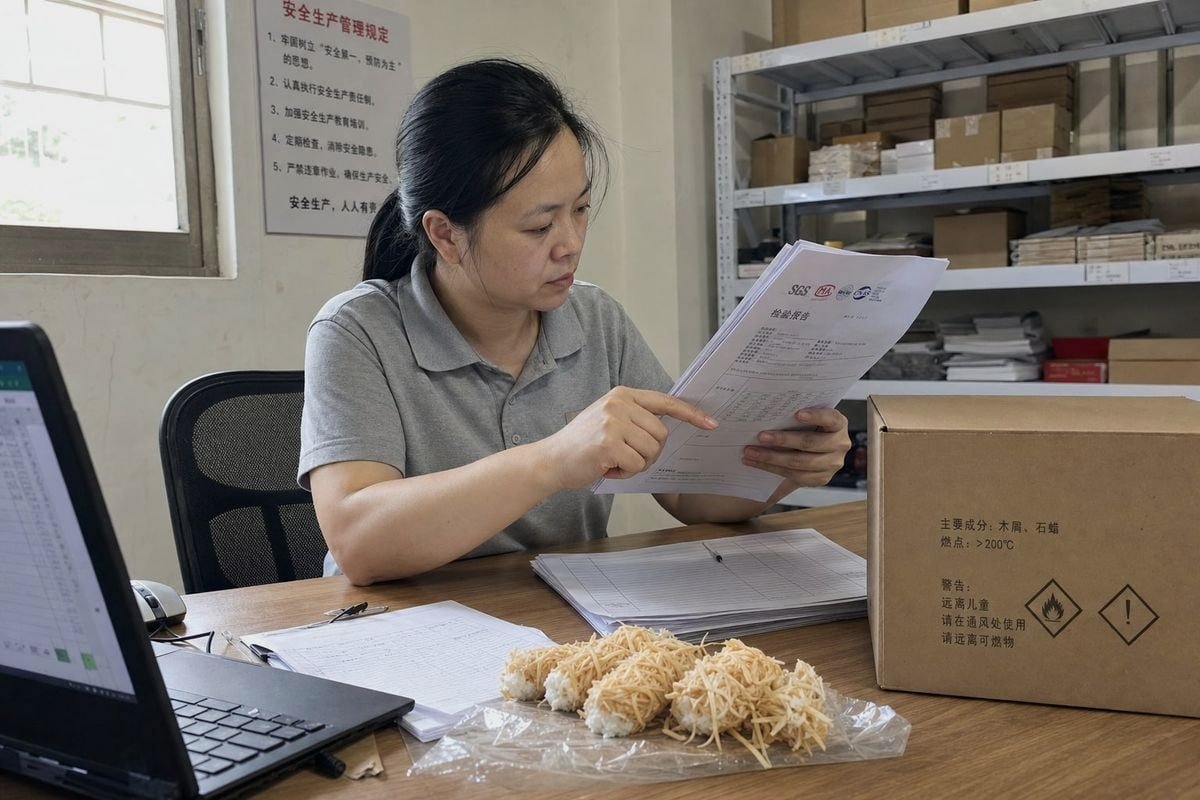
الوثائق مفيدة فقط إذا كنت تعرف كيفية قراءتها. على مر السنين، أعد فريقنا حزم الامتثال للمشترين في أكثر من 30 دولة، وتظهر نفس خطوات التحقق مرارًا وتكرارًا. أولاً، طابق تقرير الاختبار مع المنتج الفعلي. لا يغطي تقرير قرص الشمع ونشارة الخشب مزيج الشمع ولفائف الخشب المغطاة بالشمع بتركيبة مختلفة، مثل مزيج 50٪ من الألياف الخشبية و 50٪ من البارافين. ثانيًا، تحقق من تاريخ الإصدار. مختبرات مثل SGS و Intertek 3 تاريخ تقاريرها، وقد لا تعكس التقارير القديمة التركيبات الحالية أو اللوائح المحدثة.
تحقق من رقم التقرير مع المختبر مباشرة.
- اطلب شهادة ISO 9001 4 لتأكيد نظام إدارة جودة عامل.
- اطلب تدقيق BSCI 5 النتيجة للتحقق من ظروف الإنتاج الأخلاقية.
- مراجعة وثائق CE 6 ذات الصلة بسوق وجهتك.
- تحقق من تقارير اختبار SGS أو Intertek مقابل ورقة مواصفات المنتج.
- تأكيد الملصقات التحذيرية وبيانات التركيب والرموز الشريطية تلبي متطلبات البيع بالتجزئة.
- بالنسبة لمنتجات الاشتعال الصديقة للبيئة، اسأل عما تعنيه عبارة "لا توجد مواد كيميائية ضارة" من حيث الاختبار - احصل عليها كتابيًا.
لماذا تتطلب قنوات البيع بالتجزئة هذا
لن تضع قنوات التوريد الكبيرة في متاجر البيع بالتجزئة منتجات الحريق دون ملف امتثال كامل. إذا تردد موردك في أي مستند، فإن هذا التردد هو الإجابة. يحتفظ المصنع الحقيقي بهذه الملفات كمسألة روتينية، لأن لوازم المدافئ والمواقد تخضع لتدقيق حقيقي عند الجمارك وعلى الرف.
هل يمكنني الحصول على أحجام مخصصة وأوقات احتراق وتغليف خاص بعلامتك التجارية لخط منتجاتي؟
بدأت إحدى أطول مشاريع OEM لدينا مع علامة تجارية كندية للتخييم كانت بحاجة إلى قرص بادئ صغير بما يكفي لجيب حقيبة الظهر ولكنه ساخن بما يكفي للظروف الرطبة. قمنا بتعديل نسبة الشمع وكثافة اللفائف عبر ثلاث جولات من العينات قبل تأمين المواصفات.
نعم. يمكن للمصنع الماهر تخصيص حجم البادئ وشكله ونسبة الشمع إلى الألياف ووقت الاحتراق، ثم توفير تغليف خاص بالعلامة التجارية بما في ذلك الصناديق المخصصة وتغليف العرض والملصقات التحذيرية والرموز الشريطية. تتيح برامج OEM/ODM الكاملة للموزعين إطلاق خطوط بادئات إشعال جاهزة للعرض تتناسب مع نطاق الحطب الخاص بهم.
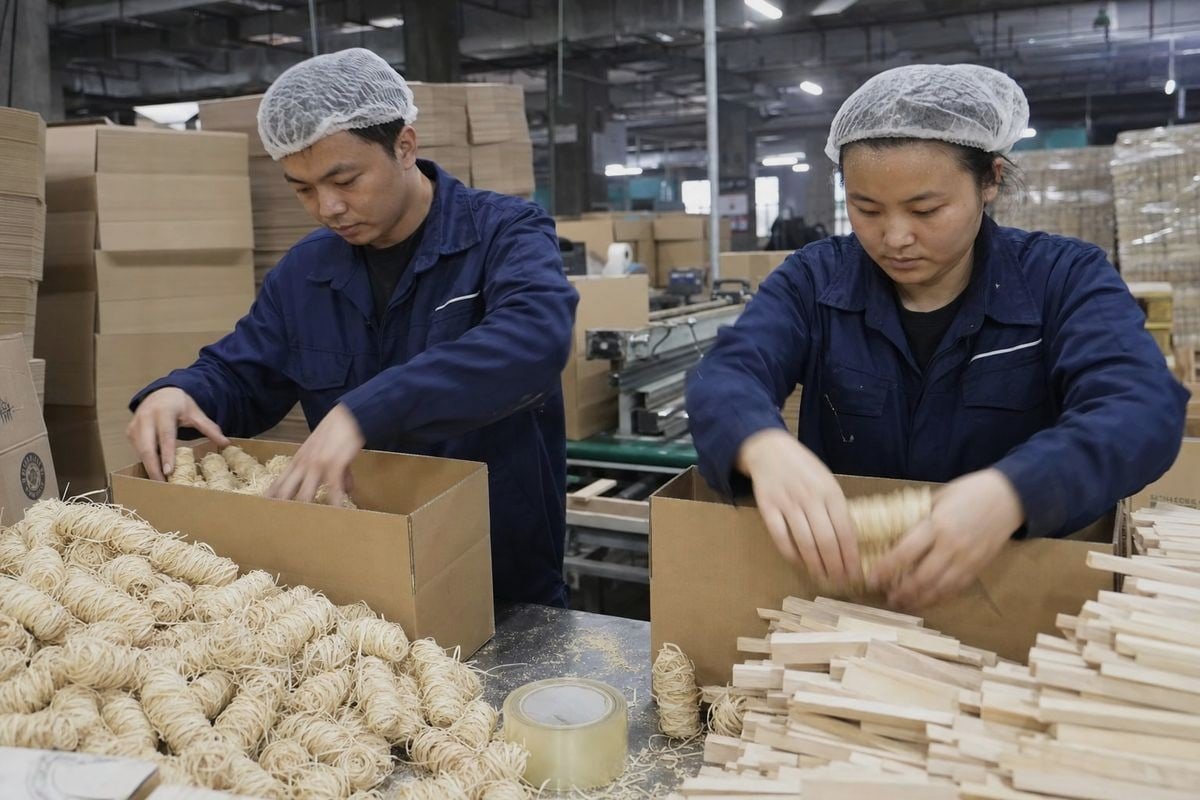
التخصيص هو المكان الذي يتوقف فيه بادئ الحريق عن كونه سلعة ويصبح جزءًا من نظام علامتك التجارية. على خطوط الإنتاج لدينا في نينغبو، فإن الروافع الرئيسية مادية: قطر اللفائف، وكثافة الألياف، وتغطية الشمع. معًا، تتحكم هذه في وقت الاحتراق. اللفائف الأكثر كثافة مع غمس شمع أثقل تحترق لفترة أطول وتقاوم الرطوبة بشكل أفضل - وهو أمر مفيد للعلامات التجارية الخارجية حيث قد يكون الحطب في محتوى الرطوبة 7 مستويات أعلى بعد التخزين. لفائف أخف تشتعل بشكل أسرع و تناسب استخدام المدفأة الداخلية مع سجلات مجففة بالفرن.
خيارات التخصيص الشائعة
| رافعة التخصيص | ما يتحكم فيه | حالة استخدام المشتري النموذجية |
|---|---|---|
| حجم وشكل اللفة | المناولة، عدد العبوات، الحضور في المتجر | عبوات البيع بالتجزئة المتعددة مقابل عبوات التخييم المجمعة |
| نسبة الشمع إلى الألياف | وقت الاحتراق ومقاومة الطقس | مجموعات خارجية مقابل حزم الموقد الداخلية |
| معايرة وقت الاحتراق | تطابق مع كثافة الوقود | الاقتران مع وقود الأخشاب الصلبة المعتق الكثيف |
| تنسيق العبوة | كيس بلاستيكي، كيس كرافت، برطمان، أو صندوق بيع بالتجزئة | علامة تجارية صديقة للبيئة مقابل تموضع هدية فاخرة |
| الملصقات والرموز الشريطية | الامتثال للسوق والمسح | قنوات البيع بالتجزئة في الولايات المتحدة والاتحاد الأوروبي وأستراليا |
تفاصيل العلامة الخاصة التي تهم
التعبئة والتغليف أكثر من مجرد شعار. نحن ننتج بانتظام تنسيقات أكياس كرافت للعلامات التجارية ذات التموضع البيئي التي تقترن بالبادئات مع مشعلات الحطب وعصي الفاتود، وصناديق بيع بالتجزئة لامعة لقنوات الأجهزة. تؤثر التعبئة والتغليف الجاهزة للعرض، ونص التحذير الصحيح لكل سوق، وأبعاد الكرتون المحسنة للشحن البحري على تكلفة وصولك وأداء المتجر. اطلب كل ذلك مقدمًا، في نطاق مشروع واحد.
ماذا يجب أن أسأل موردي لضمان جودة متسقة عبر كل طلب بالجملة؟
الدرس الأكثر تكلفة الذي شاهدت المشترين يتعلمونه هو هذا: عينة أولى جميلة لا تعني الكثير إذا وصل الحاوية الثالثة بأوقات احتراق مختلفة. اتساق الدفعة هو عملية، وليس وعدًا.
اسأل المورد الخاص بك عن إجراءات مراقبة الجودة من دفعة إلى أخرى، وتكرار اختبار وقت الاحتراق، وضوابط مصادر المواد الخام، ومواصفات الرطوبة، وسياسات الاحتفاظ بالعينات، وما إذا كان المصنع يمتلك خطوط الإنتاج الخاصة به. اطلب ورقة مواصفات مكتوبة مع التفاوتات، وتأكد من أن العينة الأولى تعكس ناتج الإنتاج الضخم.
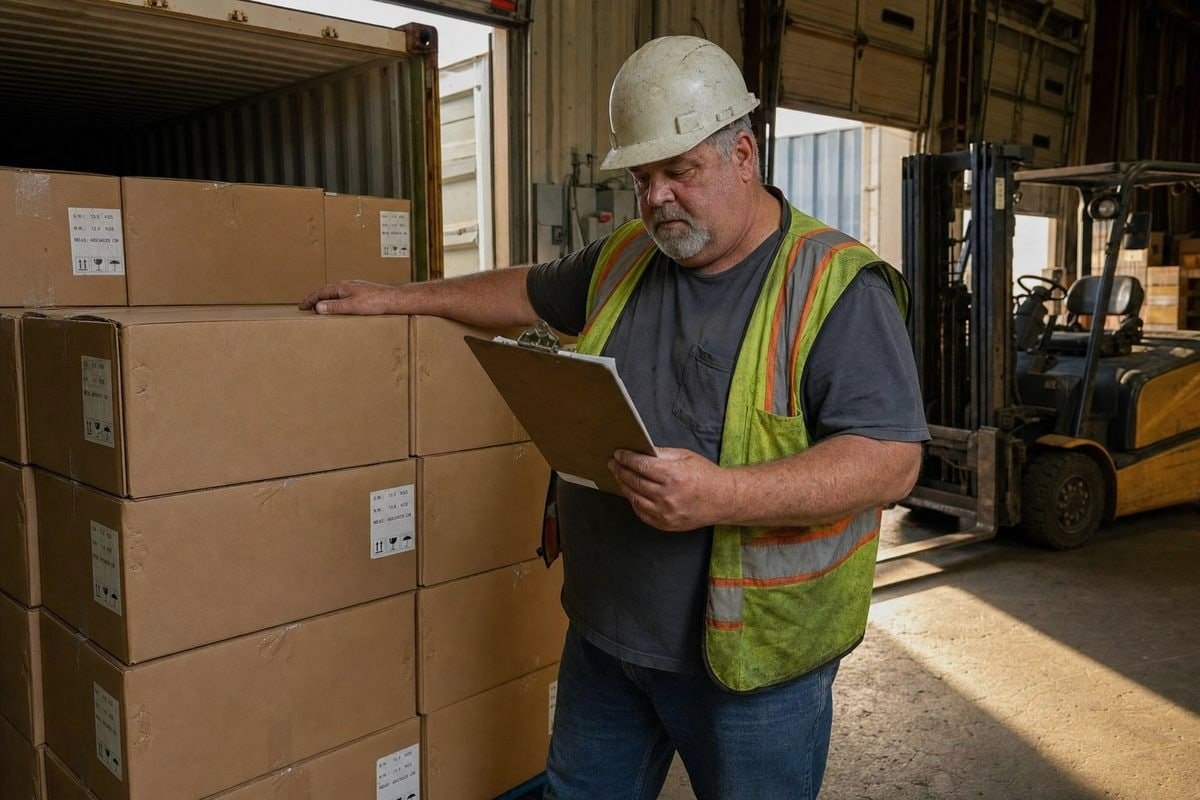
تبدو بادئات الحريق بسيطة، لكن الاتساق يعتمد على التحكم في عدة متغيرات في وقت واحد. تتغير رطوبة ألياف الخشب، ودرجة حرارة الشمع أثناء الغمس، وكثافة اللفة، ووقت التجفيف من أداء الاحتراق. في مصنعنا، تعلمنا مبكرًا أن تغييرًا صغيرًا في إمدادات الألياف يمكن أن يقصر وقت الاحتراق بما يكفي للتسبب في شكاوى العملاء لاحقًا - لذلك يتم فحص المواد الواردة قبل أن تلمس خط الإنتاج. يجب أن يكون المورد الخاص بك قادرًا على وصف ضوابط مماثلة دون تردد.
أسئلة تفصل المصانع عن التجار
| سؤال لطرحه | ما يبدو عليه الرد القوي |
|---|---|
| من يملك خط الإنتاج؟ | مصنع حقيقي يسمي موقع منشأته ويظهر سجلات التدقيق |
| كيف يتم اختبار وقت الاحتراق؟ | اختبارات الاشتعال الموقوتة لكل دفعة، مع تسجيل النتائج |
| ما هي تسامحات المواصفات؟ | نطاقات مكتوبة للوزن والحجم ومدة الاحتراق |
| كيف يتم التحكم في المواد الخام؟ | فحص واردات الألياف والشمع، قائمة الموردين المعتمدين |
| ماذا يحدث إذا فشلت دفعة؟ | الحجر الصحي، مراجعة السبب الجذري، وإعادة الاختبار قبل الشحن |
| هل يمكنك مطابقة العينة الأولى على نطاق واسع؟ | نعم، مع الاحتفاظ بعينات ذهبية للمقارنة |
بناء الاتساق في العقد
لا تعتمد على حسن النية. ضع نطاقات وقت الاحتراق ونسب التركيب ومواصفات التعبئة والتغليف في اتفاقية الشراء الخاصة بك. اطلب عينات محفوظة من كل دفعة إنتاج. للطلبات التجريبية، تفاوض على حد أدنى للكمية مرن حتى تتمكن من التحقق من أداء الاحتراق النظيف في سوقك الخاص قبل الالتزام بالحاويات الكاملة. سيرحب المورد الواثق من مراقبة الجودة الخاصة به بهذه الشروط؛ أما الشخص الذي يقاوم فيخبرك بشيء مهم.
خاتمة
يعاني مشترو الحطب أكثر من مشكلة الاشتعال. هذا الإحباط يكلف البائعين المراجعات والطلبات المتكررة. تعمل بادئات الحريق الخشبية على سد الفجوة - إكمال السلسلة، ورفع هوامش الربح، وتحويل الوقود إلى نظام.
ملاحظات ختامية
سياق خلفي حول خصائص الحطب ذات الصلة بمناقشة الاشتعال والاحتراق. ↩︎
خلفية عن الفاتود، وهي مادة إشعال غنية بالراتنج مذكورة كاقتران للمنتج. ↩︎
SGS هي هيئة اختبار وإصدار شهادات رائدة من طرف ثالث مذكورة في المقال. ↩︎
مرجع ISO رسمي لشهادة إدارة الجودة المذكور في قائمة التحقق من الامتثال. ↩︎
Amfori هي المنظمة وراء معيار التدقيق الأخلاقي BSCI المشار إليه. ↩︎
تشرح صفحة الاتحاد الأوروبي الرسمية متطلبات علامة CE المشار إليها للتحقق من الامتثال. ↩︎
يشرح مفاهيم رطوبة الخشب والتجفيف ذات الصلة بأداء احتراق البادئ. ↩︎



 English
  Spanish
  German
  French
  Arabic
  Portuguese
انضم إلى المحادثة