







Every spring, our production lines in Ningbo run flat out on wood fire starter orders from China-based buyers' timelines CE documentation 1. The painful pattern I see? Retailers order too late, stock arrives after Memorial Day, and a full season's margin evaporates.
To time wood fire starter orders from China for peak camping season, work backward from your in-stock date. Allow 30–45 days for production, 40 days for ocean transit, and 20 days for customs and delivery — so place bulk orders in January or February for a late-May launch.
That is the short answer. But the real calendar has more traps in it — Chinese New Year 2, sampling, compliance paperwork, and freight peaks. Let me walk you through each one.
How far in advance should I place my order to guarantee stock before peak camping season starts?
Last year, a Dutch distributor emailed us in April asking for bulk wood wool fire starters by June. We had to tell him the honest math — and it hurt.
Place your bulk order at least 4–5 months before peak camping season begins. For a late-May retail launch in the US or Europe, finalize your purchase order by January, or by October–November if production must finish before the Chinese New Year shutdown.

The mistake most first-time importers make is timing their order by the factory lead time alone. In our experience exporting to 30+ countries, the factory is only one layer of the calendar. You also need time for sampling, packaging approval, ocean freight transit times, the customs clearance process 3, and domestic trucking to your warehouse. Each layer eats weeks.
Work backward from the shelf date, not forward from the quote
Start with the date your product must be sellable. For camping goods in the US, that is usually mid-May, ahead of Memorial Day weekend. In Germany or the UK, garden and camping season ramps up around April. Then subtract each stage.
| Stage | Typical Duration | Notes |
|---|---|---|
| Sample approval and revisions | 2–4 weeks | Longer for custom packaging |
| Production | 30–45 days | Standard for wood fire starters |
| Booking and inland freight to port | 1–2 weeks | Book vessels early in peak months |
| Ocean transit (China to US/EU) | 25–40 days | Route dependent |
| Customs clearance and drayage | 1–3 weeks | Buffer for inspections |
| Warehouse receiving and distribution | 1–2 weeks | Often forgotten |
Add those up and you land at roughly 90–120 days for a repeat order, and 120–150 days for a first order with new packaging. That is why our most reliable long-term buyers confirm their seasonal volumes in autumn, not in spring.
The Chinese New Year factor
Chinese New Year shipping delays are the single biggest calendar trap. Factories close for two weeks, but the real paralysis lasts six to eight weeks — workers travel home, production restarts slowly, and ports back up. If your goods must ship in Q1, place the order by October so production finishes before the shutdown. Orders placed in December often do not ship until March.
What lead times should I expect for production and international shipping from a Chinese wood fire starter factory?
When we quote lead times at our Ningbo facility, I always separate two numbers: days to finish production, and days until the container clears your port. Buyers who confuse the two get burned.
Expect 30–45 days for production of wood fire starters at a Chinese factory, plus 25–40 days of ocean freight transit, and 15–20 days for customs clearance and inland delivery. Total door-to-door lead time typically runs 75–105 days for repeat orders.

Lead time management for a seasonal fire product is really about understanding what stretches each stage. Wood fire starters look simple — wax-dipped wood wool rolls, compressed wood fiber pucks — but the production process has natural bottlenecks that a spreadsheet will not show you.
What stretches the production window
Kiln-drying is the quiet variable. Our wood rolls must hit low moisture content 4 before wax dipping, and during the humid Plum Rain season in June–July, drying cycles in southern China can run about 15% longer. Environmental inspections in wood-processing regions can also trigger short, unannounced material supply pauses in autumn. We build these risks into our schedules, but not every supplier does — ask directly how they handle them.
Order size matters too. Most factories set a minimum order quantity around a few thousand sets, and larger custom orders queue behind existing production. First-time orders with private-label packaging add two to four weeks for artwork, carton proofs, and label approval.
Ocean freight realities by destination
| Destination | Ocean Transit | Customs + Drayage | Typical Door-to-Door |
|---|---|---|---|
| US West Coast | 18–25 days | 10–20 days | 75–90 days total |
| US East Coast | 30–40 days | 10–20 days | 90–105 days total |
| Northern Europe (Rotterdam, Hamburg) | 30–38 days | 7–15 days | 85–100 days total |
| UK (Felixstowe) | 30–36 days | 7–15 days | 85–100 days total |
Two more calendar warnings. During July–October, carriers overbook vessels; secure your booking about four weeks ahead or risk cargo rollovers, plus a peak season surcharge 5 on freight rates. And avoid scheduling export pickups within ten days of Double 11 in November, when domestic logistics consume trucking and port labor across China. Golden Week 6 in early October causes a similar squeeze — pull late-season replenishment forward to August.
Finally, compare quotes on landed cost, not just FOB China pricing. A cheaper unit price means little if freight timing forces you into air shipments later.
How can I fit certification checks and compliance paperwork into my ordering timeline without causing delays?
A German buyer once told me his previous supplier's shipment sat at Hamburg customs for three weeks because the SDS documentation was incomplete. That story is why we keep our test reports ready before quoting.
Request all compliance documents — SDS sheets, SGS or Intertek test reports, and CE documentation — during supplier selection, before placing your order. Verifying paperwork in parallel with sampling adds zero days to your timeline; discovering gaps after production adds weeks.
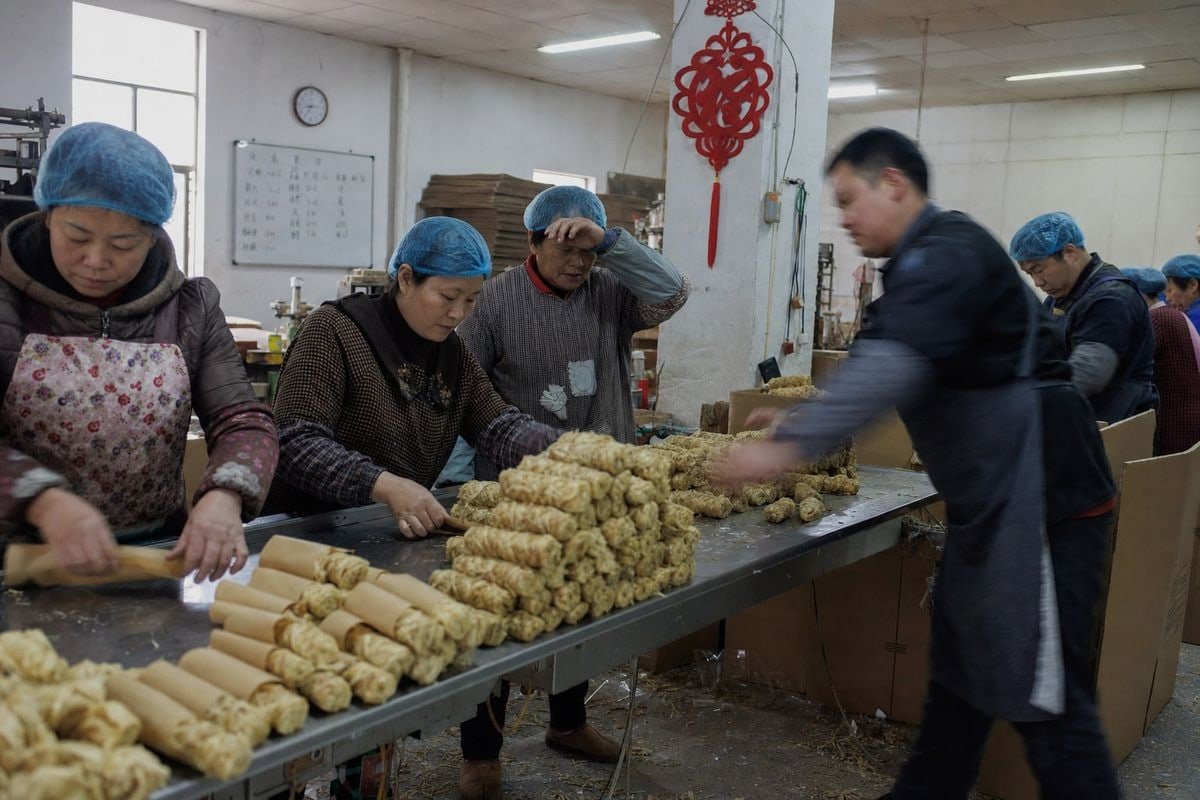
Compliance is not a stage you bolt on at the end. It is a filter you apply at the beginning. In our 17+ years supplying US and European importers, the buyers who never face customs delays are the ones who audit paperwork before they audit prices. Fire starters are combustible consumer goods, so customs authorities and large retailers scrutinize them more than ordinary camping gear.
Run compliance in parallel, not in sequence
Here is the sequence that adds no time to your calendar:
- During supplier shortlisting: ask for ISO 9001 7 and BSCI certificates, plus existing SGS or Intertek test reports for the exact product. A real factory has these on file. A trading company often has to go ask.
- During sampling: request the SDS sheet and verify the material composition matches the label safety data sheet 8 — for example, a stated wood fiber and paraffin blend. Never accept verbal certification claims.
- During artwork approval: confirm warning labels, barcodes, and language requirements for your market. EU and US labeling rules differ, and reprinting cartons mid-production costs two weeks.
- Before shipment: collect the commercial invoice, packing list, and any required declarations so your customs broker can pre-file.
Watch the claims on your packaging
If you market eco-friendly fire starters as all-natural or chemical-free, that claim must be backed by supplier documentation. Our own products use eco-friendly materials with no harmful chemicals, and we supply the test reports to prove it — because a green claim without paperwork is a customs and liability risk, not a selling point. Also plan protective packaging early: moisture-sensitive wood products shipped during humid months benefit from desiccant-heavy or sealed inner packaging, and that spec must be locked before production starts, not after.
Should I request a trial order early in the year to confirm quality before committing to my full seasonal volume?
We actively encourage trial orders at our factory, even though they are less efficient for our lines. Why? Because a buyer who tests our wood firestarters in January becomes a confident repeat buyer by March.
Yes — place a small trial order in January or February. It lets you verify burn performance, packaging durability, and supplier reliability with real production goods, while leaving enough calendar room to place and receive your full seasonal volume before peak camping season.

A trial order does three jobs at once. It tests the product, it tests the supplier, and it tests your own import process end to end. For a seasonal consumable like fire starters, all three matter, because you get exactly one selling window per year.
What to actually test
Do not just light one starter on a calm day and call it approved. Test the way your customers will use it. Check ignition in wind. Check performance after the product sits in a damp garage. Time the burn — a starter that quotes eight minutes but burns five will generate returns. Check for smell, excessive smoke, and ash residue. And inspect the packaging after transit: crushed cartons and wax bloom tell you how the bulk shipment will arrive.
One caution from our side of the table: a good sample only predicts a good bulk order if the factory has real batch-to-batch quality control. This is where genuine manufacturing depth matters. We built our processes so the first sample reliably reflects mass-production quality — but you should verify this with any supplier by asking how they control wax ratios, moisture levels, and wood wool density between batches.
Trial order versus straight-to-bulk
| Factor | Trial Order First | Straight to Bulk |
|---|---|---|
| Quality risk | Low — verified before volume | High — defects discovered at scale |
| Calendar cost | 4–6 extra weeks if started early | None, but no safety net |
| Supplier insight | Tests communication and on-time delivery | Unknown until it is too late |
| Negotiating position | Stronger for the bulk contract | Weaker — supplier knows you are committed |
| Best timing | January–February | Only viable for proven repeat suppliers |
A trial order also sharpens your inventory forecasting. Selling a small batch through your channel in early spring gives you real sell-through data before you commit the full seasonal budget. Many suppliers, ourselves included, offer flexible MOQs precisely so serious buyers can run this play without tying up capital.
Conclusion
Late orders kill camping-season margins. Miss the window, and a year's opportunity is gone. The fix is backward planning from your shelf date.
Order wood fire starters from China four to five months before peak camping season. Run compliance checks in parallel with sampling, respect the Chinese New Year and freight peaks, book vessels early, and use a January trial order to de-risk your bulk commitment. After 17+ years shipping fire-starting products to buyers across the US, Europe, and beyond, I can tell you the retailers who win the season are never the ones who found the cheapest quote — they are the ones who ordered on time, from a factory whose paperwork, quality, and delivery dates they had already tested.
Footnotes
1. EU official page explains CE marking requirements referenced for European compliance paperwork. ↩︎
2. Background context on the holiday causing the factory shutdown discussed in the article. ↩︎
3. Official US customs source explains clearance procedures referenced in the lead-time breakdown. ↩︎
4. Wikipedia background explains the kiln-drying process affecting wood fiber moisture levels described. ↩︎
5. WTO trade resource contextualizes freight surcharges tied to global shipping demand peaks. ↩︎
6. Background on the national holiday that causes the logistics squeeze mentioned in freight timing. ↩︎
7. Stable, authoritative overview of the quality management standard, avoiding common 403 errors on the ISO domain. ↩︎
8. OSHA reference explains the SDS documentation standard cited for compliance and customs clearance. ↩︎



 English
  Spanish
  German
  French
  Arabic
  Portuguese
Join the Conversation