







Planning wood fire starter manufacturing timelines around Amazon peak season 1 is where I see buyers stumble most. Miss one inbound deadline, and the entire Q4 season is gone.
Plan wood fire starter manufacturing timelines by working backward from Amazon's peak receiving window of July 1 to November 10. Book ocean freight 75–80 days before your target in-stock date, finish production 4–6 weeks before shipping, and add a 20–30% buffer for delays.
That is the short answer. Now let me walk you through each stage, from sample approval to safety stock, so you can build a calendar that actually holds up.
What lead times should I expect from sample approval to mass production?
Last spring, a US distributor approved our wax-dipped wood roll sample in April and assumed goods would ship in three weeks. Our production team had to reset that expectation fast.
From sample approval to finished mass production, expect 30–45 days for standard wood fire starters and 45–60 days for custom orders. This covers raw material sourcing, wax dipping, drying, moisture testing, retail packaging, and final quality inspection before goods leave the factory.
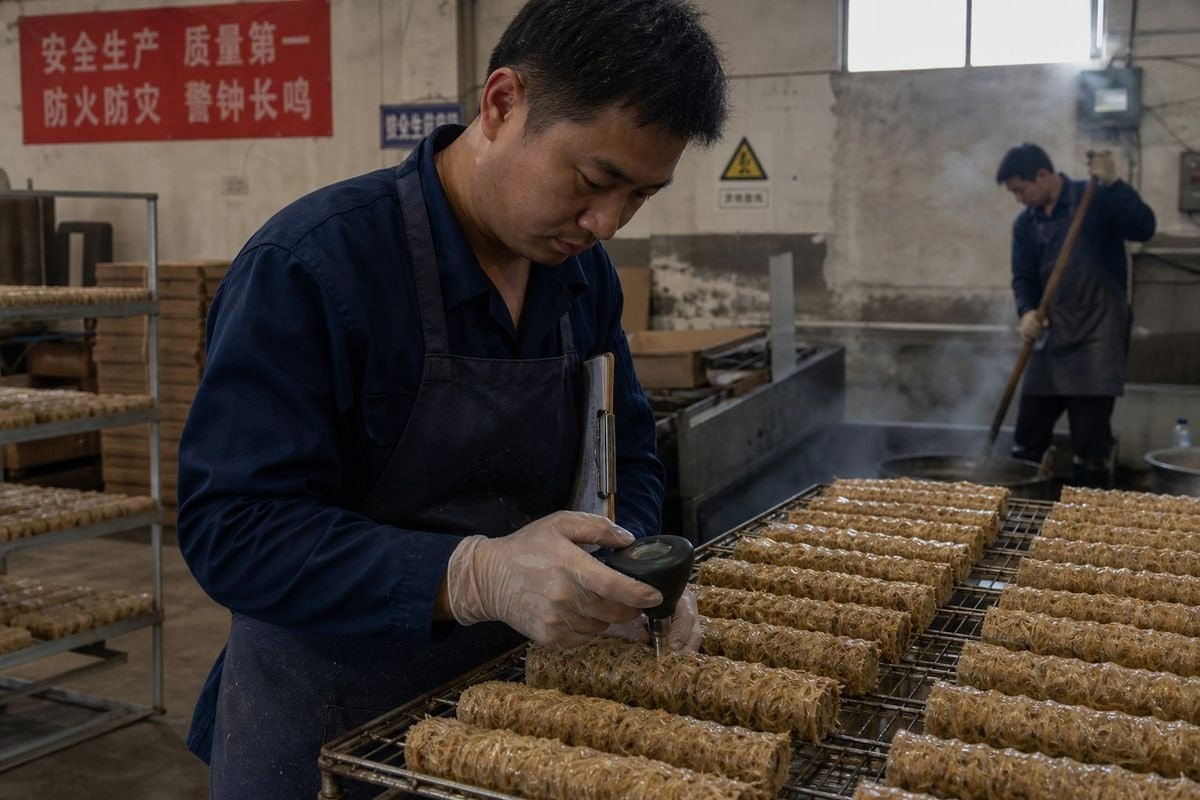
The production lead time for wood fire starters is longer than most buyers expect. The product looks simple. It is not. Each cylinder is wound from natural wood wool 2, dipped in paraffin, dried, and tested for moisture content. Every step takes real time, and skipping one causes returns later.
Where the days actually go
Here is how a typical order breaks down on our lines in Ningbo:
| Stage | Standard Order | Custom OEM Order |
|---|---|---|
| Raw material sourcing (wood wool, paraffin) | 7–10 days | 10–15 days |
| Winding and wax dipping | 7–10 days | 10–14 days |
| Drying and moisture testing 3 (below 10%) | 5–7 days | 5–7 days |
| Custom packaging and private-label printing | 5–7 days | 10–15 days |
| Final QC, carton packing, booking | 3–5 days | 5–7 days |
Moisture control is the step buyers underestimate. If wood fire starters ship above 10% moisture, they can grow mold or fail to ignite after months in a humid fulfillment center. We hold every batch until it passes, even if that adds two days.
Custom packaging adds the most variance. Printed retail boxes, warning labels, and barcodes need proofing rounds. In our experience exporting to the US and Germany, one packaging revision cycle can add a full week. Approve artwork early, ideally before the sample stage closes.
Also plan for raw material volatility. Wood wool and paraffin lead times often double in Q3 because the whole industry ramps up for winter heating and holiday candle demand. Wax prices surge in Q4. Buyers who lock supply early in the year protect both their timeline and their margin.
How far in advance should I place orders to hit Amazon peak-season restocking windows?
A UK fireplace brand once asked us in mid-September to produce for Black Friday. We had to decline the timeline honestly. Ocean freight alone would have missed the window.
Place orders 90–120 days before your Amazon in-stock target. For Prime Big Deal Days in early October, order by June. For Black Friday and Cyber Monday, order by July, because Amazon recommends shipping peak inventory in August and September.
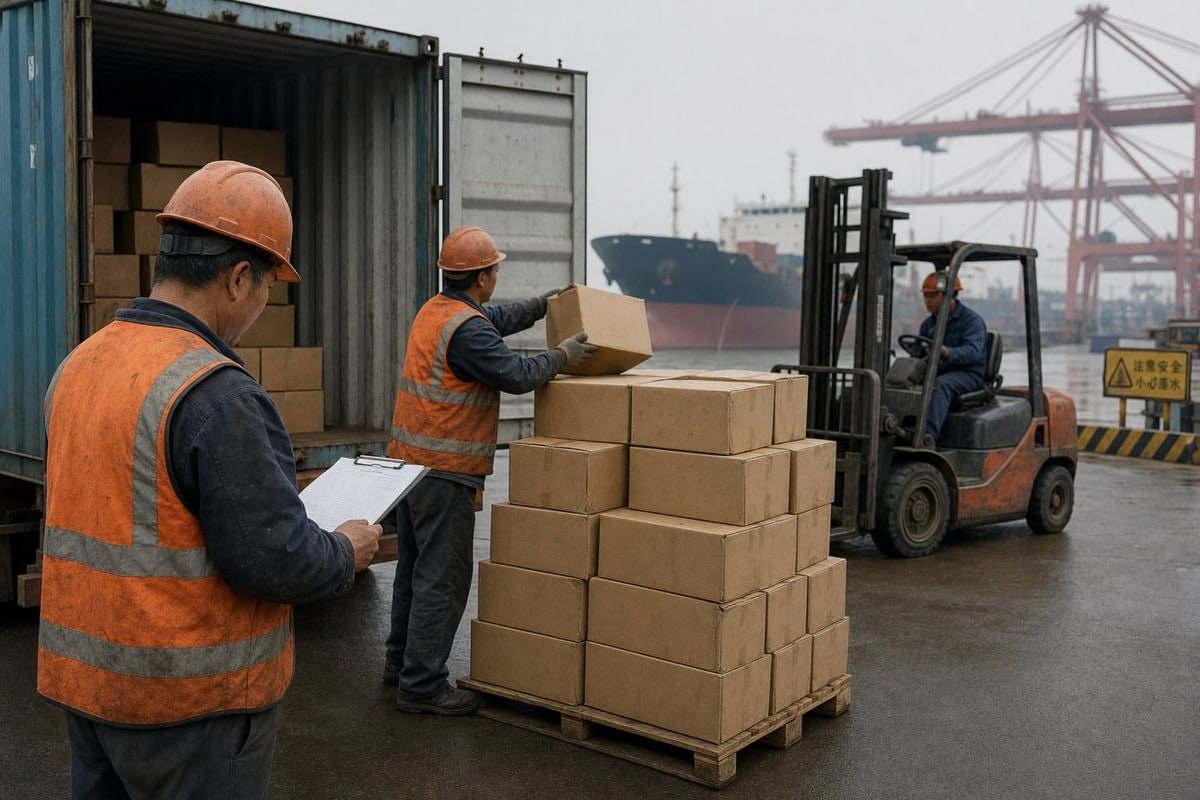
Amazon's fulfillment centers prioritize receiving inventory from July 1 to November 10. That window matters more than the holiday date itself. Sales peak in Q4, but Q4 inventory planning starts in Q2. Those two facts feel contradictory, and reconciling them is the whole job.
Work backward, not forward
Backward scheduling is the industry standard. Start from Amazon's receive-by date, then subtract each stage:
| Milestone | Prime Big Deal Days (early Oct) | Black Friday / Cyber Monday |
|---|---|---|
| Inventory checked in at FBA | Mid-September | Early November |
| Arrive at US port, clear customs | Late August | Early October |
| Ocean freight departs China | Mid-July | Mid-August |
| Production complete | Early July | Early August |
| Place purchase order | Late May – June | Late June – July |
Notice the gap. A typical China-to-US West Coast shipment 4 can consume 40–66 days from booking to in-stock during peak. FBA inbound processing alone takes 5–10 days once cartons arrive, and it stretches longer as November approaches. Add at least 30 days for transit and warehouse check-in on top of production.
Also remember inbound shipping deadlines are not the only constraint. FBA restock limits can cap how much you send in one shipment. Splitting inventory across two or three inbound shipments protects you, but each shipment needs its own booking and check-in time. Some sellers route stock through Amazon Warehousing and Distribution to bypass FBA storage limits, but AWD hubs also need goods by early October to feed Q4 demand.
The practical rule I give buyers: if your wood fire starters are not on the water by mid-August, your Black Friday plan is already at risk.
What production and shipping delays should I plan for during Chinese holidays and factory peak periods?
Our factory calendar in Liuyang and Ningbo shapes every timeline quote we give. Two holiday periods, in particular, can quietly swallow three to five weeks of a buyer's schedule.
Plan for 2–3 weeks of production downtime around Chinese New Year and about one week around Golden Week in early October. Add 1–2 extra weeks for pre-holiday order backlogs, port congestion, and peak-season freight delays from August through October.

Chinese New Year 5, usually in late January or February, is the big one. Factories close for one to two weeks officially. In reality, workers travel home early and return late, so effective downtime runs two to three weeks. Before the holiday, every factory rushes to clear backlogs, which stretches supply chain lead times for orders placed in December and January. After the holiday, raw material sourcing restarts slowly because upstream suppliers face the same labor gap.
Golden Week in early October is shorter but lands at the worst possible moment for Amazon sellers. It sits right inside the peak shipping season. Freight bookings around Golden Week get crowded, rates spike, and vessels roll cargo.
Delay risks by season
- December–January: Pre-CNY production rush. Book capacity by November or wait until March.
- February: CNY shutdown plus slow restart. Assume near-zero output.
- August–September: Peak freight demand. Ocean space tightens; book 75–80 days ahead.
- Early October: Golden Week closure plus port congestion at both ends.
- October–November: FBA check-in slows as fulfillment centers hit capacity.
There is one more factor unique to our category. Wood fire starters contain paraffin and compressed wood fiber 6, so carriers may request composition documentation before accepting cargo. We prepare SGS and Intertek test reports with every shipment so customs and freight forwarders never hold goods for paperwork. A missing document at origin can cost a week; the same gap at destination customs can cost two.
When we quote lead times to European and US buyers, we build these calendar realities in from the start. A timeline that ignores Chinese holidays is not a timeline. It is a hope.
How can I build buffer time into my supply chain to avoid stockouts during Q4 demand spikes?
The trade-off I discuss most with purchasing managers is simple: safety stock ties up cash, but a stockout in November erases the season. Neither extreme wins.
Build buffers by ordering 20–30% above forecast, splitting inventory into multiple inbound shipments, holding safety stock at a 3PL outside Amazon, and finishing production 4–6 weeks before your ship date. Reserve air freight as an emergency replenishment option only.
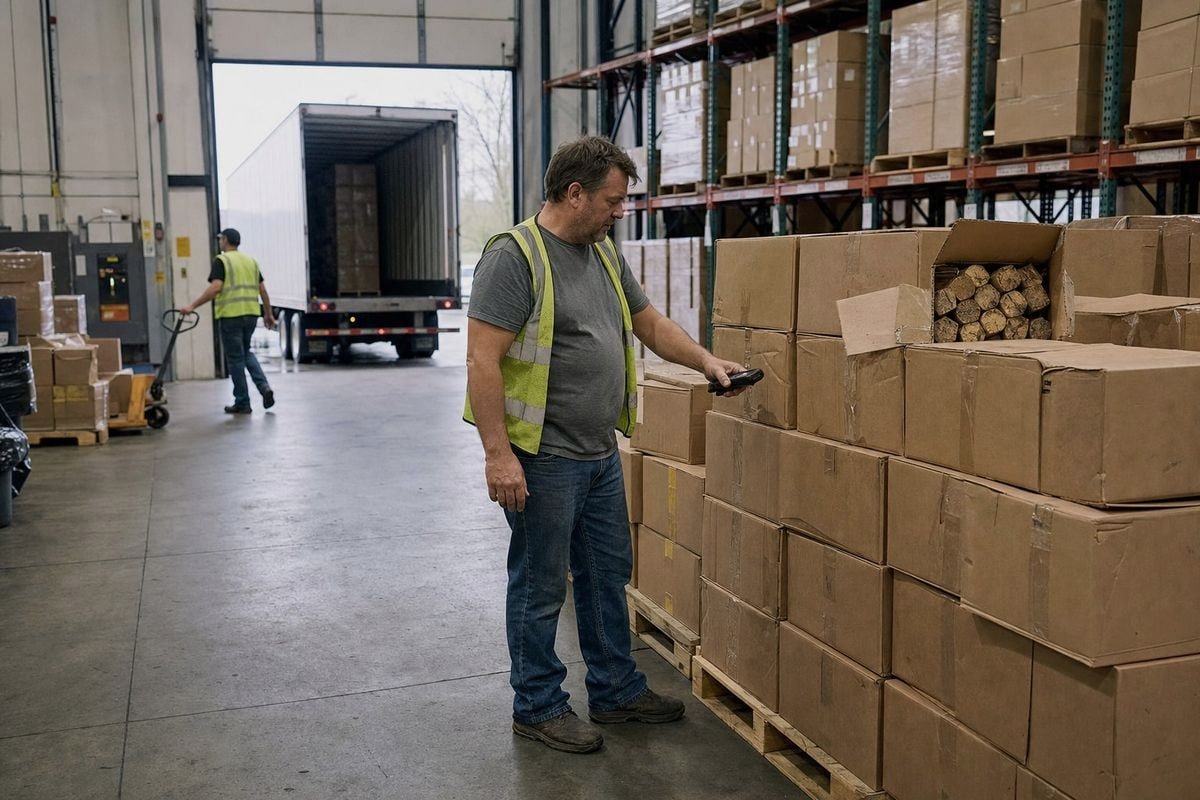
Seasonal demand forecasting for wood fire starters is trickier than for most consumables. Demand splits across camping and grilling in warmer months, then fireplace and emergency-prep use in fall and winter. A cold snap in late October can double weekly sales overnight. Some of our larger buyers now sync surge batches to 90-day long-range weather forecasts across key North American regions. That sounds exotic, but it is just forecasting with better inputs.
Buffer strategies compared
| Buffer Strategy | Cost Impact | Stockout Protection | Best For |
|---|---|---|---|
| 20–30% overproduction | Moderate cash tie-up | Strong | Established sellers with sales history |
| Multi-batch inbound shipments | Extra freight bookings | Strong | Anyone facing FBA restock limits |
| 3PL safety stock near Amazon | Storage fees, but flexible | Very strong | Q4 replenishment via LTL freight shipping 7 |
| Air freight emergency top-up | Very high per unit | Fast but expensive | Last-resort gap filling |
The 3PL approach deserves emphasis. Holding safety stock management outside Amazon lets you feed FBA in smaller waves, dodge peak Amazon FBA storage fees on slow weeks, and respond to demand spikes within days using LTL freight shipping instead of waiting on another ocean container.
Two more tactics from our production floor. First, a multi-batch plan: one batch for October demand, a second for November–December replenishment, and a reserve held domestically. Second, post-holiday micro-batching. Reserving roughly 15% of capacity for January production captures the secondary demand spike from gift-card shoppers and deep-winter fireplace use. Buyers who plan only for Black Friday leave that revenue on the table.
Finally, weight matters for fees. Because wood fire starters are bulky relative to price, drying them to a tighter 5–8% moisture level can trim shipment weight and sometimes drop units into a lower FBA fulfillment fee tier. Small optimizations compound across a hundred thousand units.
Conclusion
Miss Amazon's receiving window and Q4 disappears. The fix is discipline: order by June or July, ship by August, buffer 20–30%, and partner with a factory that hits its dates.
Footnotes
1. Official Amazon guidance on holiday shipping deadlines and peak season inventory planning for FBA sellers. ↩︎
2. Technical definition and manufacturing background of wood wool used as a raw material in fire starters. ↩︎
3. Official EPA guide on how to properly test wood moisture content using a moisture meter. ↩︎
4. Operational data from a primary US port handling trans-Pacific shipments from manufacturing hubs in China. ↩︎
5. Authoritative Wikipedia entry for Chinese New Year, providing a stable reference for the holiday's timing. ↩︎
6. Authoritative Wikipedia entry detailing the properties and industrial applications of paraffin wax. ↩︎
7. Authoritative Wikipedia entry defining Less-than-truckload (LTL) shipping and its logistics operations. ↩︎



 English
  Spanish
  German
  French
  Arabic
  Portuguese
Join the Conversation