






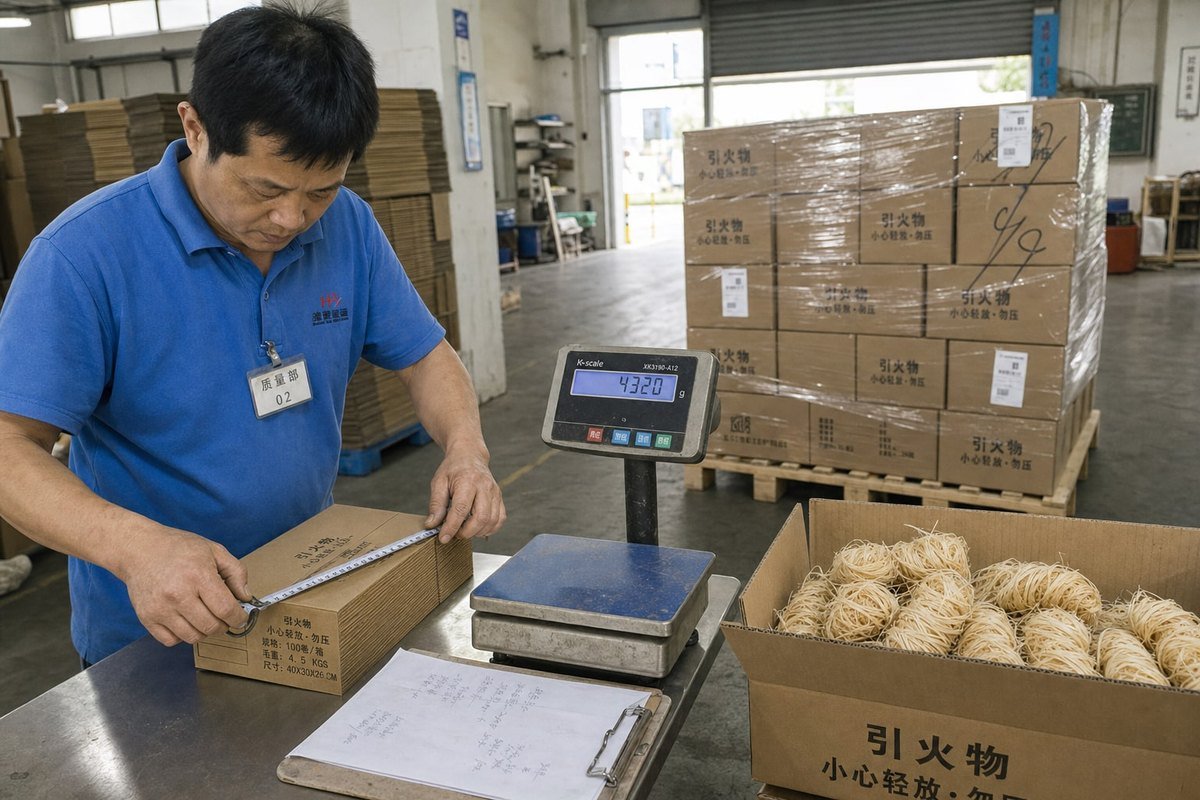
Getting packaging specs and unit weight for wood fire starters wrong costs real money. I have seen buyers reorder cartons twice because the first spec crushed in transit and failed retail intake.
To determine packaging specs and unit weight for wood fire starters, first define what one unit is, weigh actual finished pieces, choose a count or weight-based pack for your channel, then size the retail box and master carton to fit pallet footprints and freight limits.
That is the short answer. Below, I walk through each decision step by step, using real pack formats and numbers we work with every week on our production lines.
What Unit Weight Should I Choose for My Wood Fire Starters to Match Retail Shelf Requirements?
A German distributor once asked us why two sample lots of wax-dipped wood rolls differed by nearly a gram per piece. The answer taught both of us a lot about unit weight.
Choose a unit weight based on measured finished pieces, not theoretical size. Most wood wool firelighters weigh 8–10 g each; multiply average piece weight by pack count, add a small tolerance, and state net weight clearly so it matches retail shelf labeling rules.

The first mistake I see is treating "unit" as obvious. It is not. A unit can mean one piece, one inner bag, one retail box, or one shelf-ready case. Before we quote any OEM order at our factory, we lock this definition down in writing, because every downstream number depends on it.
Start With Real Piece Weight
Wood wool firelighters are natural products. The moisture content percentage of the raw wood shifts with the season, and the paraffin wax coating 1 adds weight that varies with dip time and wax temperature. So we always weigh finished production pieces, not prototypes. A typical wood wool roll of about 5 × 2 cm lands at 8–10 g per piece. If your pack holds 20 pieces, your net weight target is roughly 160–200 g, and you should state the lower bound to stay legally safe.
Match Weight Tiers to the Channel
Retail buyers think in familiar tiers. Here is how common counts translate into shelf-friendly weights:
| Pack Format | Typical Count | Approx. Net Weight | Best Channel |
|---|---|---|---|
| Small impulse box | 12–20 pcs | 100–200 g | Convenience, gift, camping stores |
| Standard retail box | 24–50 pcs | 250–500 g | DIY chains, garden centers |
| Value pack | 100 pcs | 0.8–1 kg | Big-box retail, online |
| Bulk trade bag | 1–12.5 kg | By weight | Wholesalers, industrial buyers |
Piece weight also connects to performance. A heavier wax load usually extends average burn time toward the 8–10 minute mark, so unit weight is a quality promise, not just a logistics number. Underfilling by even a few grams per box across a container adds up to thousands of missing pieces — and a very unhappy retail buyer at audit time.
How Do I Decide Between Kraft Bags, Boxes, or Bulk Packaging for My Fire Starter Orders?
When we developed our 100-piece display box, the toughest debate was not graphics — it was whether kraft bags would survive a trans-Atlantic container without the wax rolls dusting through the seams.
Choose kraft bags for eco-positioned, lower-cost consumer packs; printed boxes for shelf appeal and crush protection in retail; and bulk kilogram bags or lined cartons for trade and industrial buyers where price per piece matters more than presentation.

Each format wins in a different scenario. Here is the comparison we walk B2B buyers through before every private-label project:
| Format | Strengths | Weaknesses | Typical Order Profile |
|---|---|---|---|
| Kraft bag (20–50 pcs) | Natural look, low material cost, light shipping weight | Less crush protection, limited branding space | Camping brands, eco lines, market trials |
| Printed retail box (20–100 pcs) | Strong shelf presence, protects piece shape, stackable | Higher unit cost, more corrugated volume | Distributors selling into DIY and garden chains |
| Bulk bag or carton (1–12.5 kg) | Lowest cost per piece, weight-based selling | No consumer branding, needs repacking or scoop sale | Importers, industrial users, refill programs |
Protection Is the Hidden Factor
Wood wool pieces have frayed, fibrous ends. In a loose bag, they compress and tangle. In a fitted box, they keep their shape, count cleanly, and light reliably. For humid destination markets like Brazil or coastal Australia, we recommend adding a moisture-proof barrier film liner inside kraft bags, because wood fiber pulls in ambient humidity and a damp starter is a slow starter. Boxes handle this better when paired with an inner poly liner.
Think About the Second Sale
Kraft bags photograph beautifully for e-commerce listings, but a crushed bag on a store shelf kills repeat orders. Boxes cost more upfront yet reduce returns and shelf damage. Bulk packaging skips the branding question entirely — but only works if your customer repacks or sells by weight. In our experience exporting to 30+ countries, most successful brands run two formats in parallel: a branded retail box for shelf and a bulk option for their commercial accounts.
What Compliance and Labeling Details Do I Need to Confirm Before Finalizing My Packaging Specs?
Compliance is where I refuse to compromise. Our factory holds ISO 9001, BSCI, CE, and SGS/Intertek certification precisely because our US and EU buyers treat documentation as a hard gate, not a preference.
Before finalizing packaging specs, confirm GTIN/UPC barcodes, country of origin, net weight declaration, ignition warning text in destination languages, batch coding, and whether your product falls under flammable solid shipping regulations for your transport mode and market.

Labeling errors are the most expensive small mistakes in this business. A missing barcode or wrong warning phrase can hold an entire container at customs or get a shipment rejected at a distribution center door. So we run every private-label artwork file through a fixed checklist before print approval.
The Non-Negotiable Label Elements
- Barcode and GTIN. Big-box programs require scannable codes 2 on both the retail unit and the master carton. Verify the number is registered before printing thousands of boxes.
- Net weight and count. State both where possible, such as "100 pcs / 900 g net." Regulators check net weight; shoppers check count.
- Warning and usage text. Fire products need clear ignition warnings 3, keep-away-from-children language, and instructions in the destination market's language. EU multi-language panels are standard for us.
- Country of origin and importer details. Required in the US and EU, and checked at intake by most large retailers.
- Batch or lot code. This enables traceability. Our batch-to-batch quality control depends on it, and retail recall procedures require it.
Transport Classification
Most wax-coated wood fire starters ship as non-dangerous goods, but this must be confirmed with test reports, not assumed. Some formulations or dense loads can trigger flammable solid shipping regulations 4, which change carton marking, documentation, and freight cost. We supply SGS or Intertek reports with shipments so buyers can prove classification to carriers and customs.
If your brand targets eco-conscious retail, also confirm whether the buyer expects FSC certified materials 5 for the wood or the carton stock. Some European chains now require it on the packaging spec sheet, and it must be sourced and documented before production, not after.
How Can I Optimize Packaging Dimensions to Reduce My Shipping Costs and Container Fill Rates?
A lesson we learned years ago: a beautiful retail box that wastes two centimeters per side quietly wastes an entire pallet layer in every 40-foot container. Freight punishes air.
Optimize by designing the retail box tightly around actual piece dimensions, sizing the master carton to divide evenly into a 40 × 48 inch pallet footprint, and checking dimensional weight calculation so light, bulky cartons do not get billed above actual weight.
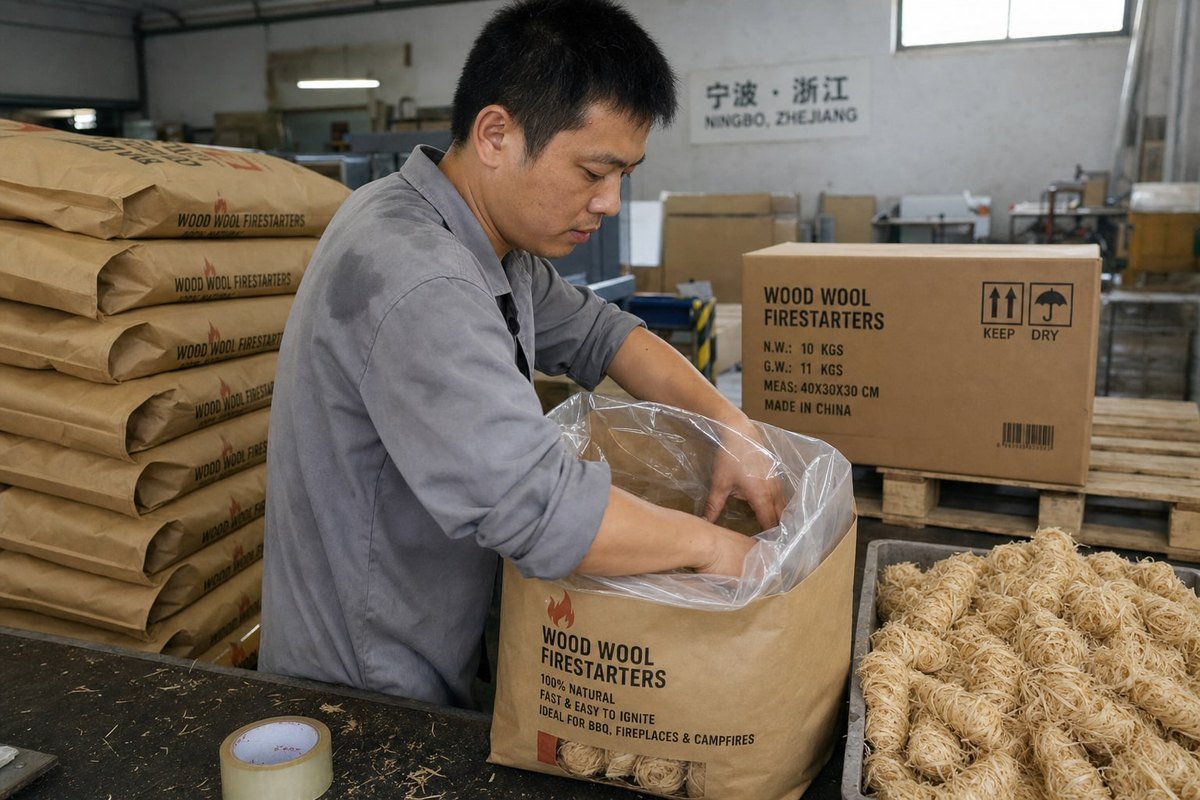
Work from the piece outward. A 5 × 2 cm wood roll defines the inner tray, the tray defines the retail box, and the retail box defines the corrugated box dimensions 6 of the master carton. Every layer should nest with minimal void space, because voids mean crushed product, wasted freight, and extra dunnage cost.
The Numbers That Drive Freight Cost
| Spec Layer | What to Measure | Why It Matters |
|---|---|---|
| Piece | Length, diameter, weight, bulk density measurement | Sets inner-pack geometry and fill count |
| Retail box | L × W × H, net and packaged weight | Drives shelf fit and e-commerce listing data |
| Master carton | Outer dimensions, gross weight | Determines pallet pattern and handling limits |
| Pallet | Cartons per layer, layers per pallet | Controls container fill rate and cost per unit |
Practical Rules We Apply
Keep master cartons under roughly 15–18 kg gross so warehouse staff can lift them safely — many retail programs enforce this. Air-freight samples get hit by dimensional weight calculation 7, so a compact sample box saves money on every trial order. For ocean freight, pallet load optimization matters most: cartons that tile cleanly into the 40 × 48 inch footprint without overhang stack higher and travel with less damage.
Retail shelf-ready packaging adds one more constraint. A perforated display case must open into a stable tray, so its dimensions serve the shelf channel width first and the pallet second. We often run two carton specs for the same product: a dense export carton for bulk buyers and a shelf-ready case for chain retail. In our OEM projects, we model both before quoting, because the freight difference per piece can exceed the packaging cost difference itself.
Conclusion
Vague packaging specs create disputes, damage, and rejected shipments. The fix is a clear brief: define the unit, weigh real pieces, match format to channel, verify compliance, and size cartons for the pallet.
Get those five steps right and your wood fire starters arrive intact, scan cleanly at intake, and sell from the shelf. Our team has refined this process over 17+ years of export production, and we are glad to build the spec sheet with you before your first trial order.
Footnotes
1. Background reference explaining paraffin wax properties affecting fire starter weight and burn performance. ↩︎
2. GS1 manages global GTIN and barcode standards required for retail scannable packaging codes. ↩︎
3. CPSC oversees consumer product safety warning requirements relevant to flammable fire starter labeling. ↩︎
4. PHMSA is the US authority governing hazardous and flammable solid material transport classification rules. ↩︎
5. FSC is the official certification body governing sustainable wood and packaging sourcing standards. ↩︎
6. Background reference on corrugated fiberboard construction used for master carton design decisions. ↩︎
7. Explains the freight billing concept determining shipping cost for lightweight bulky cartons. ↩︎



 English
  Spanish
  German
  French
  Arabic
  Portuguese
Join the Conversation