






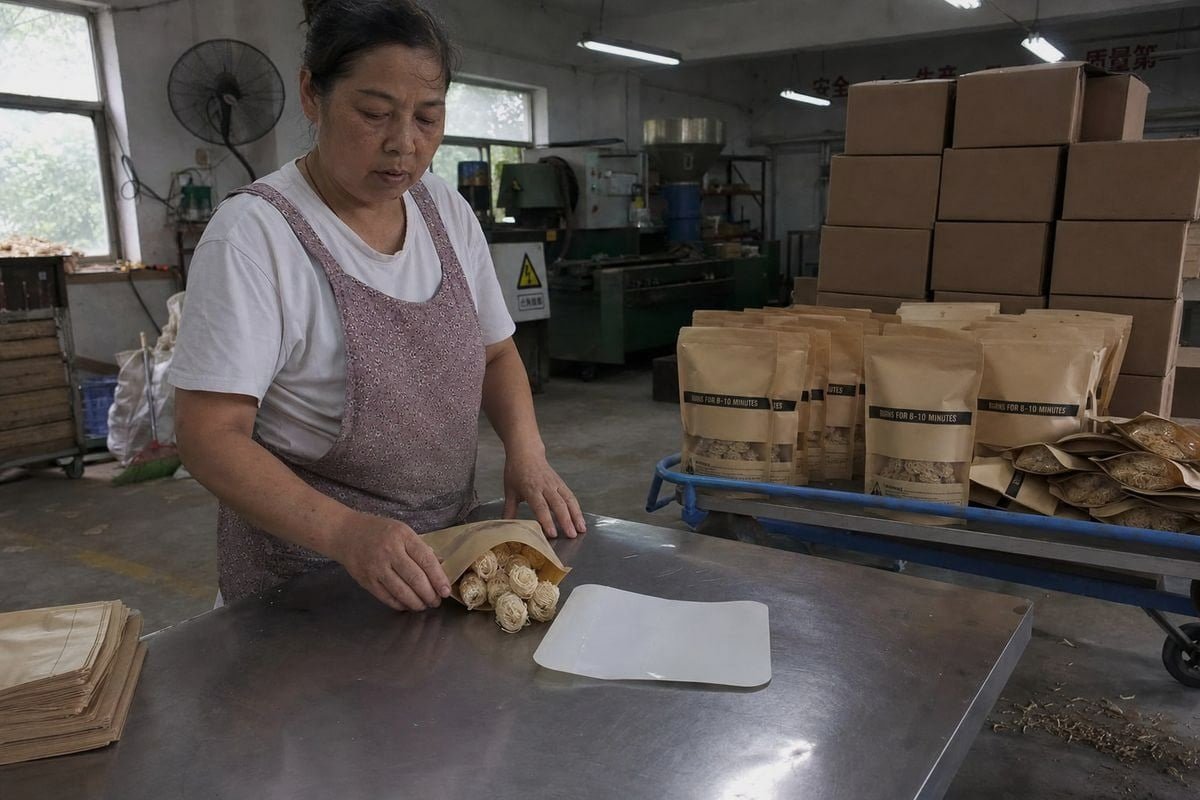
Designing small-package samples of wood fire starters for the technician channel is harder than it looks transport classification 1. On our production line, we have seen well-made products fail simply because the sample pack was wrong.
To design small-package samples of wood fire starters for the technician channel, pack 3–6 pre-formed wax-dipped wood starters in a moisture-barrier, crush-resistant pouch or carton, print burn-time claims and safety warnings on the pack, add a co-branding panel, and confirm certifications before shipping.
That is the short answer. Now let me walk you through each decision in detail, from certifications to pack counts to customization, so your first trial order lands well.
What certifications should I include when preparing wood fire starter samples for technician channel buyers?
A distributor in Germany once told me he would not even light our sample until he saw the test reports. That conversation shaped how we prepare every sample shipment today.
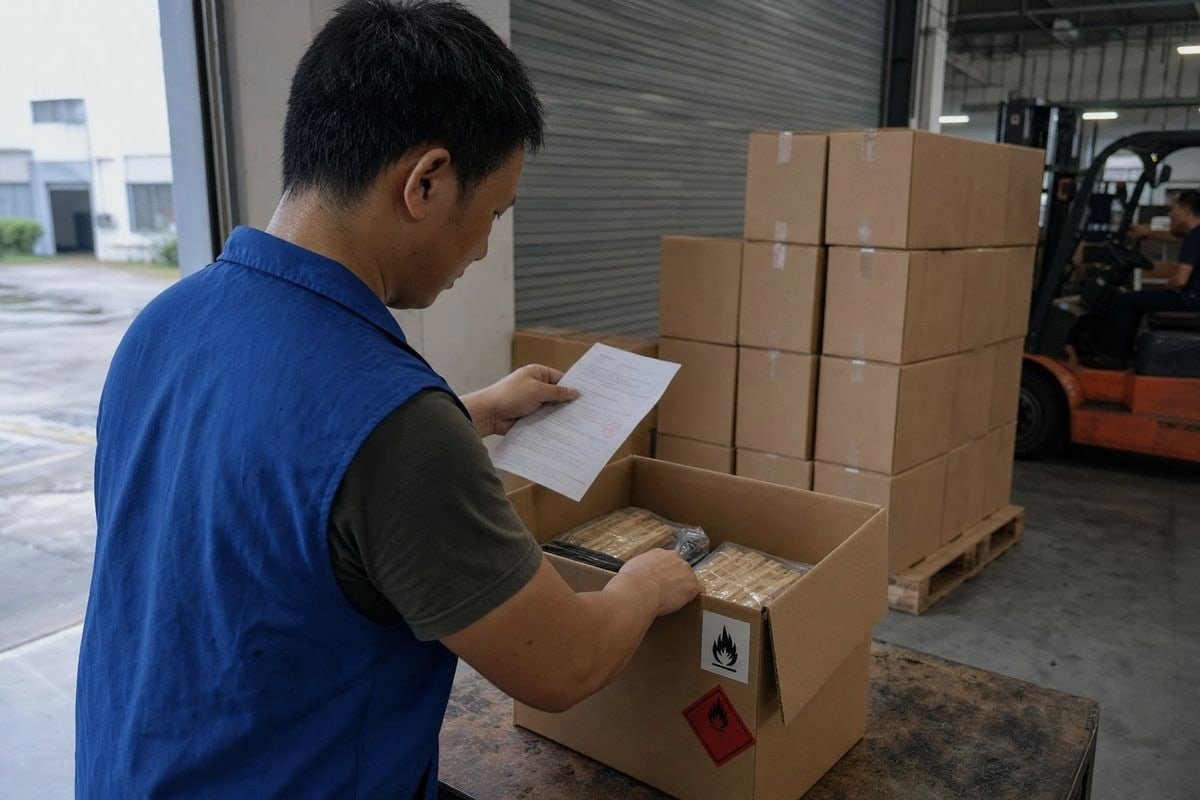
Wood fire starter samples for technician channel buyers should ship with ISO 9001 quality documentation, BSCI social compliance audits, CE marking where applicable, and third-party test reports from labs like SGS or Intertek. Include flammability warnings and transport classification paperwork so distributors can clear customs and list the product legally.

Technician channel buyers are practical people. But the distributors who supply them are compliance-driven. In our 17+ years exporting fire-starting goods to over 30 countries, we have learned that paperwork travels with the sample, or the sample goes nowhere. A beautiful pack of wax-dipped wood rolls means little if the buyer's legal team cannot verify what is in it.
The core documents to prepare
Start with the basics. Your factory quality system should be ISO 9001 2 certified. Social compliance matters too, especially for European buyers, so a valid BSCI audit report helps. For the product itself, CE marking 3 applies in many EU contexts, and independent test reports from SGS or Intertek prove composition and burn behavior.
| Document | Why the technician channel cares | When to send it |
|---|---|---|
| ISO 9001 certificate | Proves consistent batch quality | With the first quote |
| BSCI audit report | Required by many EU importers | Before sample approval |
| CE / regional marks | Legal market access | With the sample pack |
| SGS / Intertek test report | Verifies materials and safety | Inside the sample shipment |
| Transport / flammability class | Customs and warehouse handling | With shipping docs |
Composition transparency
State the composition plainly on the label. A simple line like "50% wood fiber 4, 50% paraffin" answers most buyer questions before they are asked. We keep our starters free of harmful chemicals, and we say so in writing, because technicians hand these products to homeowners. Any doubt about what burns in that living room kills the deal.
Finally, match the paperwork to the destination market. US buyers ask different questions than Dutch or Polish buyers. Prepare a document folder per region, and your samples will move faster through every gatekeeper.
How do I choose the right small-package size and quantity for technician trial orders?
We once shipped a 100-piece retail box as a "sample" to a US buyer. He liked the product but said his techs would never carry that box. Lesson learned.
Choose 3–6 pre-formed wood fire starters per sample pack for technician trial orders. This count allows one realistic ignition test plus spares, keeps per-unit sampling cost low, and fits in a tool bag or truck organizer. Offer a 25–50 piece refill format for repeat purchase.
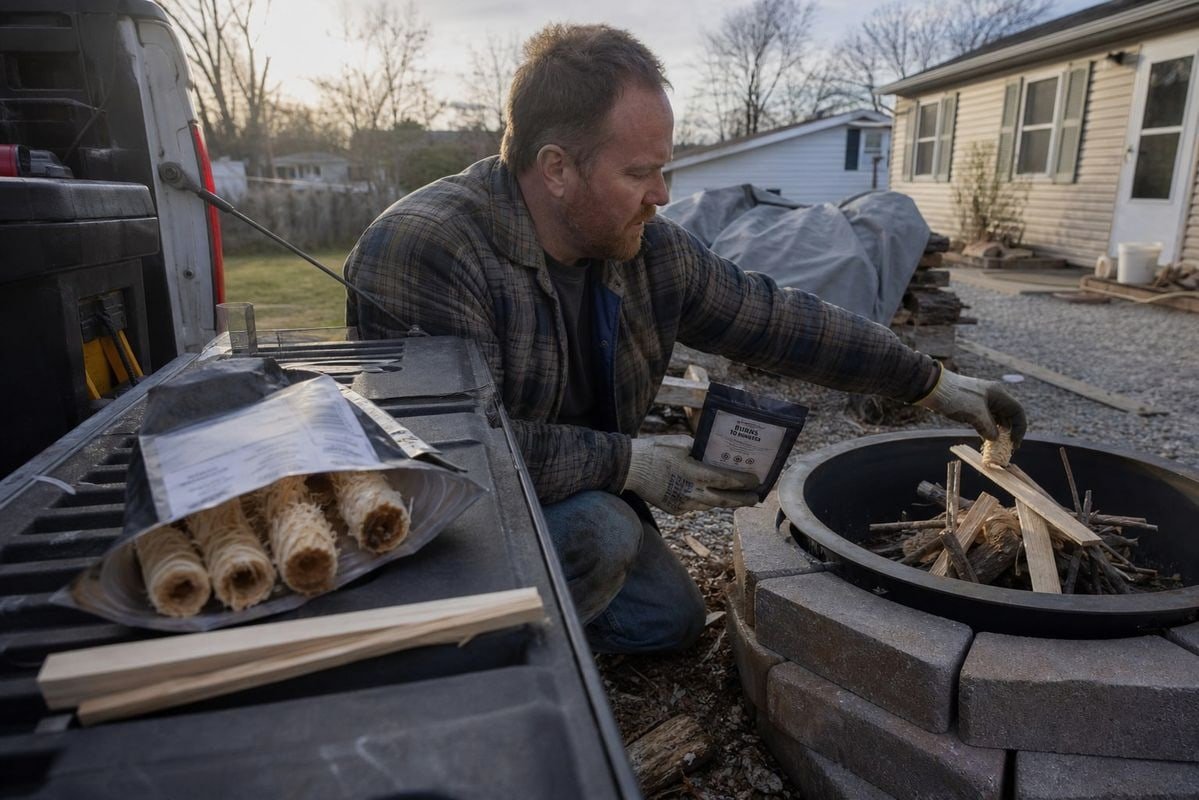
The right count depends on what the sample must prove. A technician sample has one job: deliver a successful first light in real conditions. That could be a wood stove during a chimney inspection or a fire pit demo after a service call. The pack should support that moment without waste.
Three sample architectures compared
| Format | Count | Best for | Trade-off |
|---|---|---|---|
| Single-use trial pack | 1–2 pcs | Mass giveaways on service routes | No spare if the first attempt is fumbled |
| Multi-test pack | 3–6 pcs | Serious evaluation by buyers and techs | Slightly higher cost per sample |
| Field kit | 4–6 pcs + instructions | Premium positioning, co-branded giveaways | Highest cost, needs better packaging |
In our experience, the 3–6 piece pack wins most often. One starter gets tested immediately. One or two go to a colleague. The rest stay in the truck, which is exactly where you want your product living.
Plan the reorder path
The sample pack should point directly to the next order size. Retail formats already sell in 25, 32, 48, and 50-piece counts, so align your refill offer with what shelves and vans can hold. On our lines in Ningbo, we run flexible MOQs for trial orders precisely because buyers want to test a small pack before committing to a full private-label 5 run. Make the jump from 5 pieces to 50 pieces feel natural, and the trial converts itself.
Keep the physical dimensions tight. Flat rectangular or slim cylindrical packs stack cleanly in van organizers. Loose, bulky pouches rattle, crush, and get left behind.
What packaging and labeling details matter most when sampling to distributors serving technicians?
Moisture is the quiet killer here. During one QC review, we found that unsealed samples stored in a humid warehouse lit noticeably slower than sealed ones from the same batch. Packaging is performance.
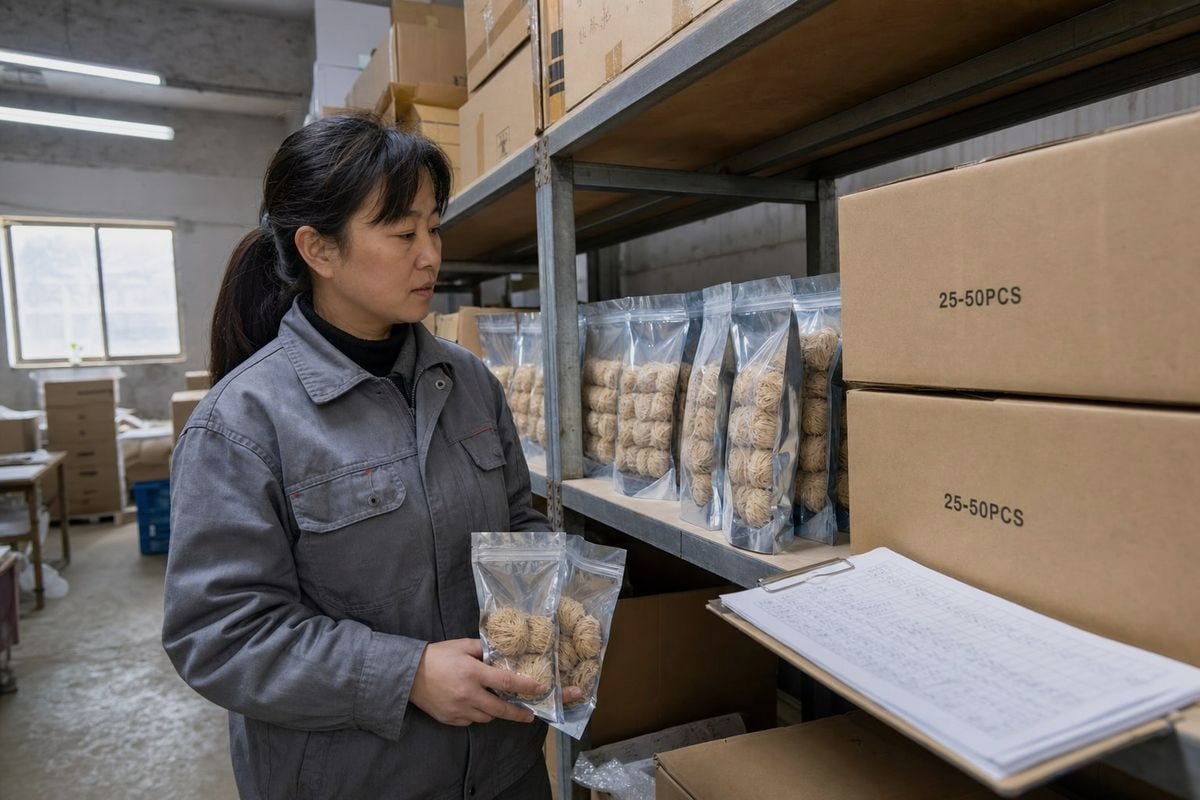
The most important details are a heat-sealed moisture barrier, crush-resistant structure, a tear-notch or resealable opening usable with gloves, bold on-pack burn-time and lighting instructions, prominent flammability warnings with transport compliance icons, and a clear composition statement such as wood fiber and paraffin percentages.
Wax-dipped wood rolls are naturally moisture-resistant, but the fibrous wood-wool ends still absorb humidity over time. Technicians store samples in trucks, garages, and damp basements. So the barrier layer is not optional moisture barrier 6. We heat-seal our sample pouches and, for premium cartons, add an inner liner so the retail-look box still protects the product.
Labeling that does the selling for you
A technician will not explain your product to a homeowner. The pack must do it alone. That means three things printed large: where to place the starter (under kindling, at the base of the wood stack), how to light it, and how long it burns. Add safety warnings and any required flammability icons in a fixed, visible zone. Skip the craft language. Words like field pack, trial pack, and truck-ready speak this channel's dialect.
The packaging checklist we run before every sample shipment
- Heat-seal integrity tested on every pouch batch.
- Crush test simulating a loaded tool bag.
- Tear-notch opens cleanly with work gloves on.
- Instructions readable at arm's length.
- Warning icons and composition line verified against destination-market rules.
- Barcode and batch code printed and scannable.
One more detail buyers overlook: mess control. Paraffin 7 can migrate in a hot vehicle. Individually wrapped starters inside the outer pack keep hands and tool bags clean, and they make single-piece handouts possible. That small step turns one sample pack into five separate selling moments.
How can I customize burn time and branding on sample packs before committing to mass production?
A Canadian fireplace distributor asked us for a starter that burned two minutes longer than our standard roll. We adjusted the wax ratio and roll density, and the revised sample shipped within weeks.
You can customize burn time by adjusting wax-to-wood ratio, roll density, and starter size, and customize branding through private-label pouches, co-branding panels, custom boxes, warning labels, and barcodes. A capable OEM factory produces revised samples in small runs so specifications lock before mass production begins.
Customization is where a real factory separates itself from a trading company. Because we control the full production line, from wax dipping to final cartoning, we can tune the product and the pack in the same sampling round. That matters for the technician channel, where burn time is a printed claim, not a vague promise.
Variables you can tune before tooling anything expensive
| Variable | How it changes | Effect on the sample |
|---|---|---|
| Wax-to-wood ratio | Adjust dip time and wax blend | Longer, hotter, or cleaner burn |
| Roll size and density | Tighter or larger wood-wool winding | Burn duration and flame height |
| Piece count per pack | Pouch or carton configuration | Trial cost and field usability |
| Outer packaging | Pouch, carton, blister, or clip strip | Shelf look vs. field durability |
| Branding panel | Printed or blank co-brand zone | Distributor and service-company logos |
| QR code | Links to reorder or dealer locator | Converts handouts into demand |
Lock the spec with a sampling loop
Run a simple loop: define the burn-time target, receive the sample, test it in a real stove or fire pit, log results, and request one revision. Two rounds usually settle it. Because our batch-to-batch quality control is strict, the approved sample genuinely reflects what mass production will deliver. That consistency is the whole point of sampling. A sample that outperforms the eventual production run destroys trust with distributors faster than any pricing dispute.
The co-branding panel deserves special attention. Leave a clean blank zone where an HVAC or chimney service company can imprint its logo. The sample stops being a product test and becomes a customer-retention gift the technician is proud to hand over. Time the artwork to the season, too. Cold-season readiness messaging lands hardest during fall inspections and winter tune-ups.
Conclusion
Small-package samples of wood fire starters win the technician channel when they combine verified compliance, a 3–6 piece count, moisture-proof labeling, and pre-production customization. Nail the sample, and the reorders follow.
Footnotes
1. Wikipedia background on dangerous goods transport classification for combustible sample shipments. ↩︎
2. Authoritative ISO source explaining the quality management standard referenced repeatedly in article. ↩︎
3. Background reference clarifying the EU compliance mark mentioned for market access. ↩︎
4. Environmental authority relevant to combustible wood fiber material composition disclosure. ↩︎
5. Background concept explaining private-label branding referenced for customization options. ↩︎
6. Background reference explaining moisture barrier packaging function for humidity protection. ↩︎
7. Environmental agency reference relevant to paraffin wax material used in fire starters. ↩︎



 English
  Spanish
  German
  French
  Arabic
  Portuguese
Join the Conversation