






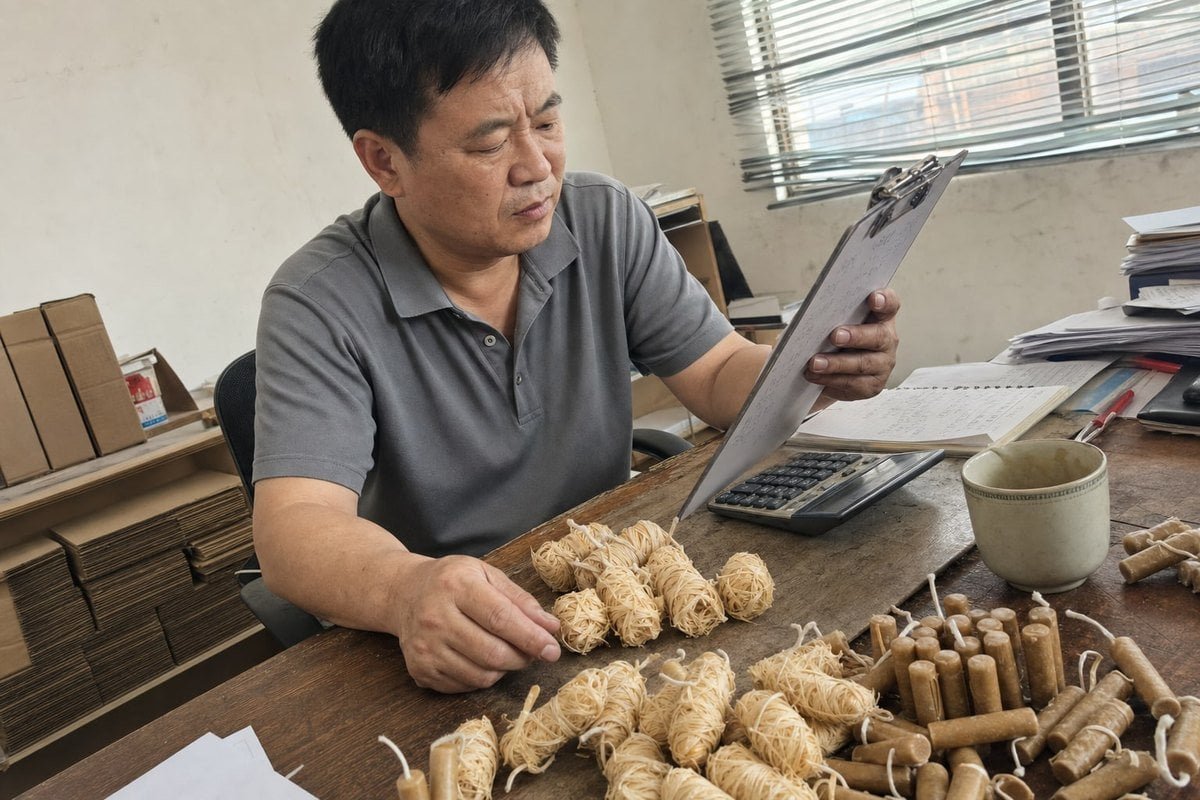
Customizing wood fire starters can quietly wreck your margins. On our production line, I have watched simple projects double in cost because nobody controlled the small extras.
Control extra costs when customizing wood fire starters by locking your spec sheet before quoting, separating base product cost from customization add-ons, limiting revision rounds, negotiating flexible Minimum Order Quantity tiers, and calculating total landed cost — including packaging, certification, and freight — instead of chasing the lowest unit price.
Cost control is mostly a process problem, not a materials problem. Below, I break down the four areas where extra costs hide, and how to shut each one down.
What Hidden Fees Should I Watch for When Customizing Wood Fire Starters?
A German distributor once asked me why his quote jumped 22% after "one small logo change." When we reviewed the file together, the answer was five small changes, not one.
Hidden fees in wood fire starter customization typically include mold and tooling setup charges, artwork revision fees, sample and courier costs, minimum print-run surcharges for packaging, rush-production premiums, third-party testing fees, and change-order costs triggered by spec revisions after the initial quotation is issued.
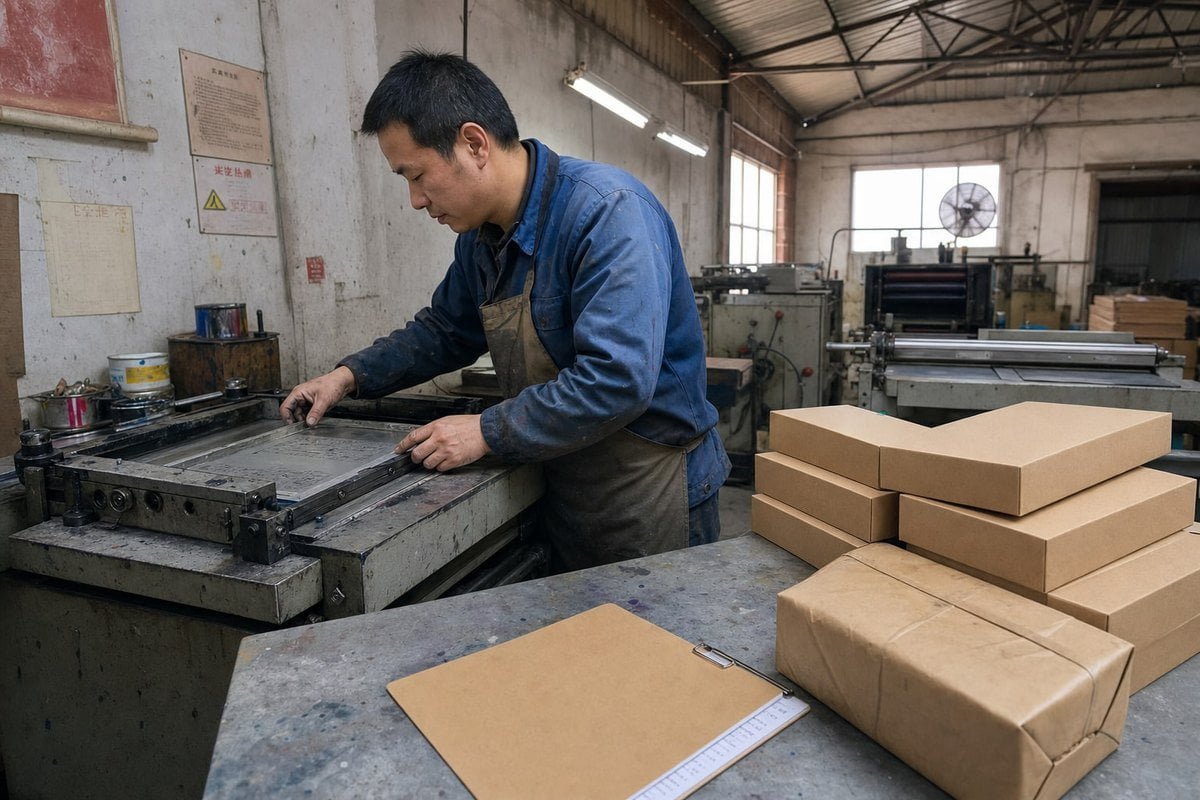
Most buyers focus on the unit production cost 1 and ignore the one-time charges that sit around it. That is where budgets break. In our 17+ years exporting fire-starting goods to the US, Germany, the UK, and beyond, I have seen the same hidden fees appear again and again — and almost all of them can be predicted before you sign anything.
The Fees Most Quotes Leave Out
A factory price for a wax-dipped wood roll might look clean at $0.12 per unit. But that number rarely includes everything. Here is what to ask about explicitly:
| Hidden Fee | Typical Trigger | How to Control It |
|---|---|---|
| Tooling / die setup | New size or shape | Stick to standard dimensions when possible |
| Artwork plate fees | Custom logo printing on boxes | Confirm plate cost and reuse plates across runs |
| Sample + courier fees | Pre-production approval | Ask if sample fees are refunded against the order |
| Rush surcharge | Compressed lead time | Order before peak season, not during it |
| Testing fees | New material or scent added | Use already-certified base formulas |
| Change orders | Spec edits after quotation | Require written re-quotes for any revision |
Separate Customization From Rework
Color, scent, branding, and packaging changes are legitimate add-ons. Ask your supplier to quote each one as a separate line item. Then set a hard rule: any change after the quote is signed triggers a formal change order with a price attached. This single habit stops scope creep. On our side, we issue itemized quotations for exactly this reason — buyers who see each cost line rarely get surprised, and they rarely dispute invoices later. Also insist on burn testing physical samples first. Burn time efficiency, ash residue, and smell all affect real value, and a bad blind order is the most expensive hidden fee of all.
How Can I Keep MOQ Flexible Without Driving Up My Unit Costs?
Trial orders are a real tension point in wholesale manufacturing. We weigh this trade-off every week: a small first run costs us more per piece, but it wins long-term buyers.
Keep MOQ flexible without inflating unit costs by starting from a standard base SKU, combining multiple product lines in one shipment, negotiating tiered pricing with committed reorder volumes, ordering during a supplier's slow season, and customizing only low-cost elements like labels on trial runs.
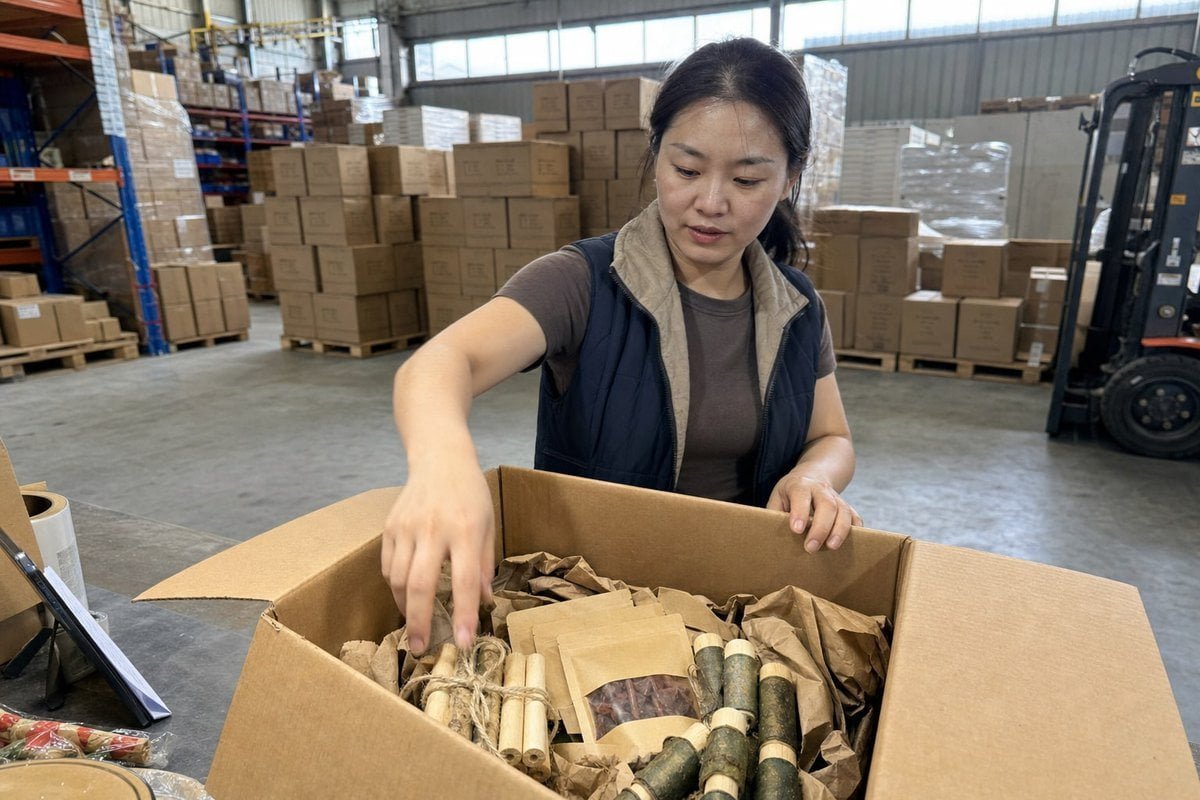
Minimum Order Quantity exists because setup costs are fixed. Whether we run 2,000 units or 20,000 units of wax-dipped wood rolls, the line changeover 2, wax calibration, and quality checks cost roughly the same. Small runs spread those fixed costs over fewer units, so the unit production cost climbs. The trick is not to fight this math but to work with it.
Five Ways to Lower Effective MOQ Pressure
- Start with a standard base product. Use an existing size, fill, and burn time target. Customization on a proven SKU needs no new tooling, so smaller runs stay affordable.
- Combine product lines in one shipment. We regularly ship wood wool fire starters, color-flame packets, and wax torches together for the same buyer. Consolidated logistics and freight cuts the per-unit shipping cost sharply.
- Commit to a reorder schedule. Suppliers will often honor bulk pricing on a smaller first order if a second order is contractually planned.
- Time your negotiation. Slow production months give you real bargaining power on trial quantities.
- Customize the cheap layer only. A private label sticker or laser-etched tag on standard packaging costs far less than a full custom box run.
When Raising MOQ Actually Saves Money
Bigger orders only help if the product sells through. Here is a simplified view of the trade-off:
| Order Size | Typical Unit Price Range | Risk Factor |
|---|---|---|
| Trial run (1–2K units) | $0.20–$0.30 | Low inventory risk, high unit cost |
| Standard run (5–10K units) | $0.10–$0.20 | Balanced cost and turnover |
| Volume run (50K+ units) | $0.05–$0.08 | Best price, but carrying costs if sales stall |
If your sell-through is unproven, pay the trial premium. Slow-moving inventory erodes every cent you saved on unit price.
Does Choosing Custom Packaging or Private Labeling Always Increase My Budget?
When we developed our retail-ready fire starter cube boxes, one buyer's insert redesign cost more than the entire wax upgrade he had been debating for weeks. Packaging deserves that level of attention.
No — custom packaging and private labeling increase costs only when volumes are too low for the print run or when designs require new structures. Using standard box dimensions, shared print plates, minimalist recycled materials, and label-based branding keeps private label costs marginal on most orders.
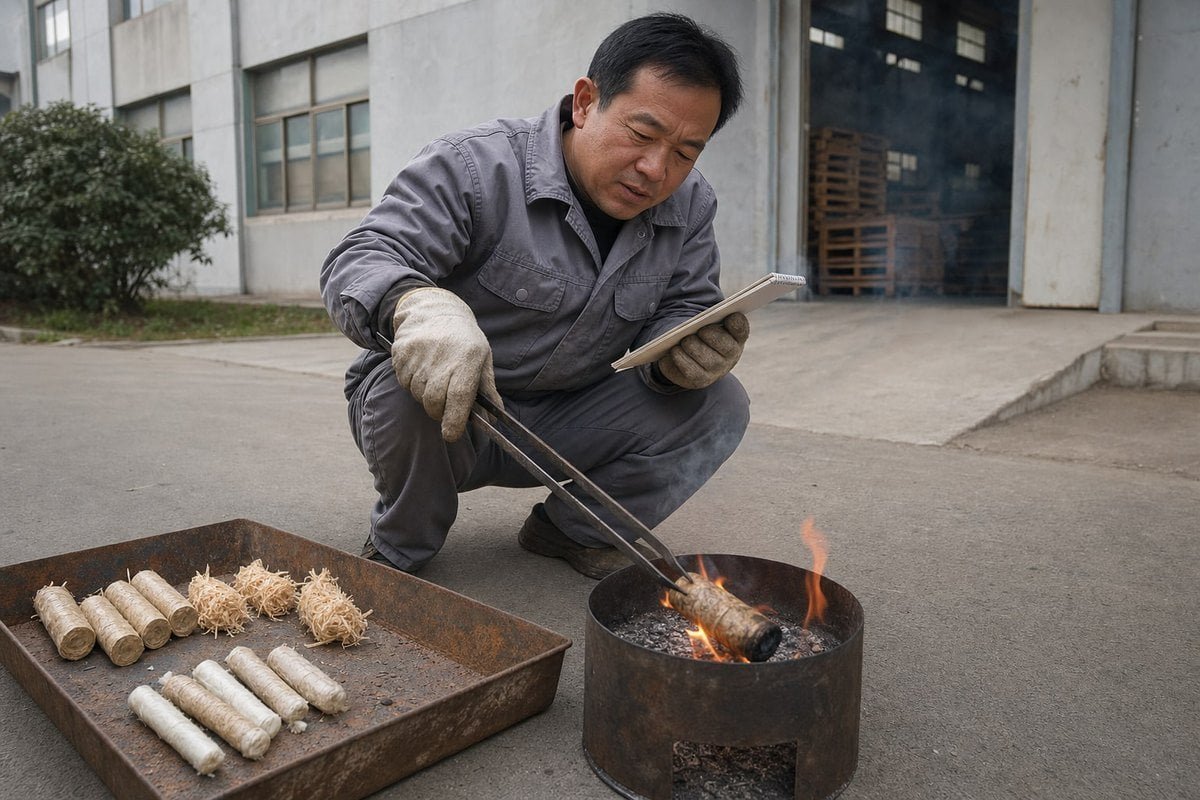
Private label packaging 3 is one of the most misunderstood cost drivers. Buyers assume branding is expensive by nature. In reality, the cost depends on what you customize, not whether you customize. Our one-stop OEM/ODM work covers custom boxes, display packaging, warning labels, and barcodes daily, and the price gap between smart and careless packaging choices is enormous.
The Packaging Cost Ladder
Think of packaging customization as a ladder. Each step up adds cost:
| Level | Customization | Relative Cost Impact |
|---|---|---|
| 1 | Standard box + your printed label | Minimal |
| 2 | Standard box structure + custom logo printing | Low |
| 3 | Custom-printed retail box, standard size | Moderate |
| 4 | New box structure, inserts, window cutouts | High |
| 5 | Full retail display units + multilingual compliance labels | Highest |
Most trial-stage brands should start at Level 1 or 2. You get shelf-ready private label packaging without paying tooling and structural design fees. Move up the ladder only after sell-through proves the SKU.
Where Packaging Money Hides
Three quiet cost sinks deserve attention. First, minimum print runs: printers charge per plate, so tiny custom box orders carry huge per-box costs. Second, materials: minimalist kraft or recycled paper packaging 4 is usually cheaper than plastic clamshells and also sells better to eco-conscious buyers in Europe. Third, revisions: every artwork change after plate approval means new plates. Lock your artwork, barcodes, and warning label text 5 before printing starts, and confirm your supplier can reuse plates on reorders. Done this way, branding becomes one of the cheapest ways to add perceived value to wood fire starters.
How Do Certification and Compliance Requirements Affect My Total Landed Cost?
Early in our export history, a shipment sat in EU customs 6 for weeks over documentation. That lesson shaped how we run compliance today: certification is a cost line, but non-compliance is a cost bomb.
Certification adds a modest, predictable cost — testing fees, certified materials like FSC certified wood, and compliant labeling — typically raising unit prices above $0.25 for premium eco products. But it prevents customs seizures, retailer rejections, and recalls, which cost far more than the certificates themselves.

Landed cost is the number that actually matters: factory price plus freight, duties, insurance, testing, and handling. Compliance touches almost every one of those lines. Our factory holds ISO 9001, BSCI, CE, and SGS/Intertek certification because, for our US and European buyers, test reports are a hard requirement — big-box retailers will not even review a fire product without them.
What Compliance Actually Costs You
The direct costs are straightforward. Third-party testing per SKU. Certified inputs, such as FSC certified wood fiber or vetted paraffin wax alternatives 7 like natural soy or plant-based blends. Compliant warning labels and barcodes in each market's language. Together, these push premium eco-friendly starters above the $0.25 per unit mark, versus $0.05–$0.08 for basic high-volume wax-and-sawdust cubes.
The indirect savings are bigger. A supplier with existing certifications spreads testing costs across many buyers, so you avoid paying for testing from scratch. Certified goods clear customs faster, which cuts demurrage and storage fees. And retail chains accept documented products without costly re-audits.
Judge Value by Cost per Burn Minute
Do not compare certified and uncertified products on unit price alone. Compare cost per burn minute. A $0.20 certified starter with an efficient wax-to-wood ratio and a longer, hotter burn often beats a $0.08 cube that needs two units per fire. Smart bulk material sourcing plus certified formulas usually wins the landed-cost math, not the cheapest ex-factory number. That is also why we advise buyers to burn-test samples side by side before committing: burn time efficiency is measurable, and it should drive the purchasing decision.
Conclusion
Extra costs in customizing wood fire starters come from process gaps — loose specs, unmanaged revisions, careless packaging, and ignored compliance. Control the process, calculate landed cost, and customization stays profitable.
Footnotes
1. Authoritative Wikipedia entry defining unit cost and its components in production. ↩︎
2. Standard manufacturing term for the process of converting a line from one product to another. ↩︎
3. Defines the business practice of branding products manufactured by another company. ↩︎
4. Official EPA resource providing data and standards for paper and paperboard packaging recycling. ↩︎
5. Explains the legal and safety requirements for labeling products to inform consumers of potential hazards. ↩︎
6. Official European Commission portal detailing import and export procedures for goods entering the European Union. ↩︎
7. Wikipedia section detailing various waxes (soy, beeswax, stearin) used as paraffin alternatives. ↩︎



 English
  Spanish
  German
  French
  Arabic
  Portuguese
Join the Conversation