






Choosing the right Incoterms when purchasing Magic Fire Powder confuses many buyers I talk with — and after 17+ years shipping our color-flame packets to 30+ countries, I understand why UN number classification 1. Pick the wrong term, and a simple order turns painful. Surprise customs clearance 2 fees appear. Cargo sits at port. Nobody knows who owns the risk when a container is delayed. The good news: once you understand what each term actually assigns, the decision becomes a simple checklist rather than a gamble.
Choose Incoterms for Magic Fire Powder based on transport mode, compliance capability, and risk tolerance. Use FCA or FOB when you control freight, CIF or CIP when the seller arranges shipping and insurance, and DDP only when the seller can legally clear customs in your country.
Let me walk you through the decision the way I walk our own buyers through it. We will start with order size, then move to documents, control, and finally the FOB-CIF-DDP question.
What Incoterm Should I Use for a Trial Order vs. a Bulk Container Shipment?
A German fireplace distributor once asked me to ship a 50-carton trial order under FOB terms. I had to explain why that would cost him more, not less — order size changes everything.
For small trial orders, use CIP, DAP, or courier-based DDP so the seller's consolidated freight rates and export handling simplify the shipment. For full-container bulk orders, switch to FOB or FCA so you can leverage your own freight forwarder and negotiate ocean rates directly.
Here is the quick comparison I share with new buyers before we quote:
| Order Type | Best Incoterms | Why It Works | Watch Out For |
|---|---|---|---|
| Trial order (samples, 1–50 cartons) | CIP, DAP, DDP | Seller consolidates freight; buyer avoids minimum charges | Hidden markups on freight if not itemized |
| LCL shipment (partial container) | FCA, CPT, CIP | Multimodal terms fit consolidated cargo | Destination handling fees under C-terms |
| Full container (FCL) | FOB, FCA | Buyer's forwarder controls ocean rates | Risk transfer point must be named precisely |
| Multi-container program | FOB with annual freight contract | Volume leverage on rates | Requires an experienced freight forwarder 3 |
Why Trial Orders Favor Seller-Managed Terms
Small shipments of our Magic Fire packets often move by air or consolidated sea freight. Minimum charges, documentation fees, and export handling can double the landed cost of a tiny order if the buyer arranges everything alone. Because we ship trial orders every week from our Ningbo production base, our consolidated rates and existing export paperwork make CIP or DAP far cheaper and faster for you. You test the product, the packaging, and our quality consistency without building a logistics setup first.
Why Bulk Orders Favor Buyer-Managed Terms
Once you commit to full containers, the math flips. Your own freight forwarder can negotiate ocean rates, pick sailing schedules, and bundle our cargo with your other suppliers. FOB or FCA gives you that control. The ICC 2020 rules make FCA especially clean for containerized cargo, because risk transfers when we hand goods to your nominated carrier — not when they cross a ship's rail. That earlier, clearer risk transfer point matters for insurance claims.
How Do Incoterms Affect Who Handles Compliance Documents and Customs Clearance for Color-Flame Products?
Paperwork is where color-flame shipments live or die. Our compliance team prepares SGS and Intertek test reports, CE documentation, and MSDS documentation for every export batch, because customs officers ask for them — often at the worst possible moment.
Incoterms assign document responsibility by stage: the seller always handles export clearance except under EXW, while the buyer handles import clearance under every term except DDP. Product compliance files like MSDS, test reports, and UN number classification must be agreed separately in the contract.

This is the point most buyers miss: Incoterms allocate logistics tasks, but they do not make a shipment compliant. A contract term cannot replace a Safety Data Sheet or a proper product classification.
Documents by Responsibility
| Document | Who Prepares It | Affected by Incoterm? |
|---|---|---|
| Commercial invoice & packing list | Seller | No — always seller |
| Export declaration (China) | Seller (except EXW) | Yes |
| MSDS documentation | Seller | No — contract obligation |
| Test reports (SGS/Intertek, CE) | Seller | No — contract obligation |
| Dangerous Goods Declaration 4 (if classified) | Party arranging carriage | Yes |
| Import entry & duty payment | Buyer (except DDP) | Yes |
Why Classification Comes Before the Incoterm
Before choosing any term, confirm how the powder is classified. Our Magic Fire products are formulated from eco-friendly materials with no harmful chemicals, and we back that with third-party test reports. That distinction matters enormously. If a product falls under dangerous goods shipping rules, the party booking freight must issue the correct declarations, and errors carry heavy carrier penalties. If it ships as general cargo — as properly tested color-flame products can in many markets — the documentation burden drops sharply, and simpler Incoterms become realistic. This is exactly why we treat ISO 9001 5, BSCI, CE, and third-party testing as hard requirements, not extras. When your customs broker sees a complete compliance file, clearance is routine. When documents are missing, even a DAP shipment stalls at your port — and under DAP, delay costs during import clearance land on you, not us.
Which Incoterm Gives Me the Most Control Over Shipping Costs and Delivery Timelines?
There is a trade-off I discuss with almost every wholesale buyer: control versus convenience. One UK camping brand we supply insisted on controlling every booking; a Dutch importer wanted the opposite. Both were right — for their setups.
FCA gives buyers the most practical control over shipping costs and delivery timelines for containerized Magic Fire Powder shipments. You choose the carrier, the schedule, the marine insurance coverage, and the customs broker, while the seller still handles export clearance and local handling.
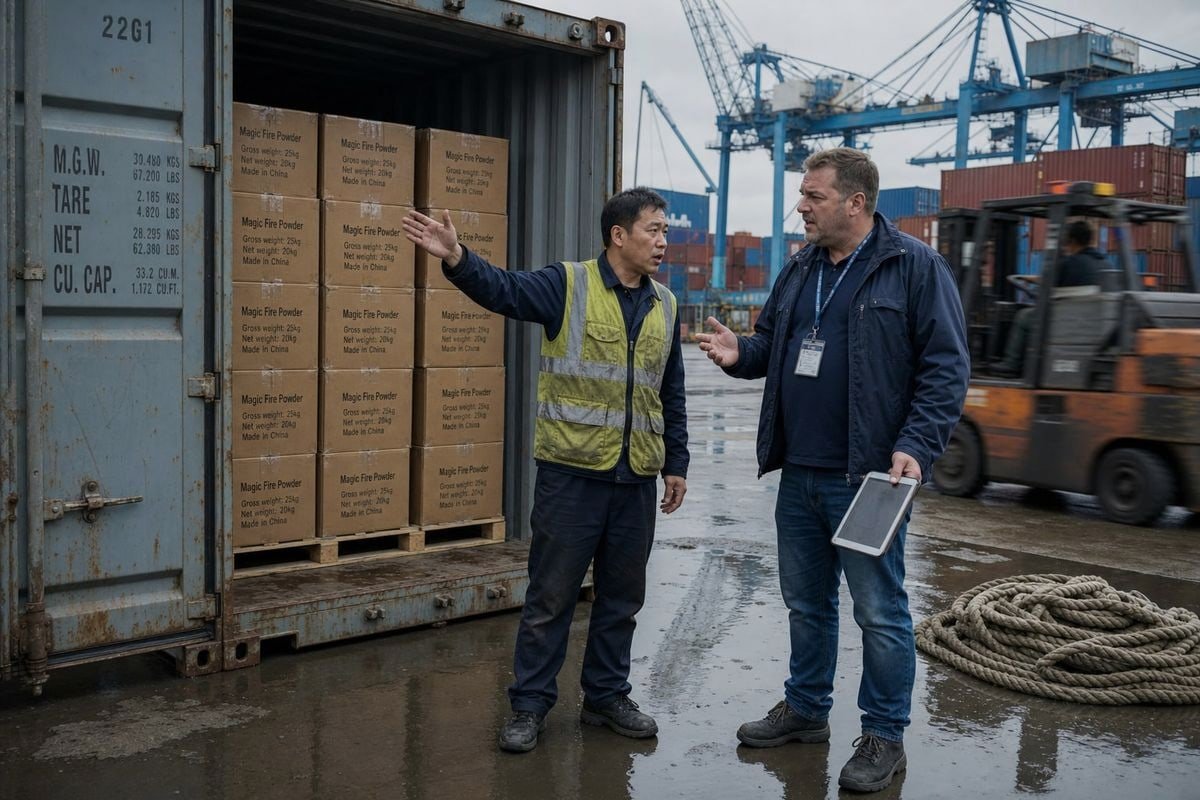
Control in shipping means three things: who books the freight, who owns the schedule, and who fixes problems mid-transit. Let me break each down.
The Control Spectrum
Think of the terms as a slider from buyer control to seller control:
- EXW — total buyer control, but you also handle Chinese export clearance, which is impractical for foreign buyers.
- FCA — you control everything from our handover point onward; we handle export formalities. This is the sweet spot.
- FOB — similar control for sea shipments, but risk transfers later, at the vessel.
- CPT/CIP — we book freight; you lose schedule control but gain simplicity.
- DAP/DDP — maximum convenience, minimum control; you depend on our routing choices.
Where Control Saves Real Money
Under FCA, your freight forwarder can compare carriers weekly, avoid peak-season rate spikes, and reroute around port congestion. Freight forwarder responsibilities under FCA also include arranging marine insurance coverage 6 tailored to your cargo value — you decide the insured amount and the policy terms, rather than accepting a seller's minimum-coverage policy. In our experience exporting to the US and Germany, buyers with strong forwarder relationships consistently land goods faster under FCA than under our C-term bookings, simply because they watch their own shipments daily. But control has a cost: you need a competent forwarder and the time to manage bookings. If you lack either, CIP with clearly itemized freight charges is the honest second-best choice. We always itemize, because a long-term partnership dies fast when freight becomes a hidden profit center.
Should I Choose FOB, CIF, or DDP When Sourcing Magic Fire Powder from a Chinese Manufacturer?
Over the years shipping from Ningbo, I have quoted all three terms thousands of times. Each fits a different buyer profile, and the wrong match creates friction on both sides.
Choose FOB if you have your own freight forwarder and want rate control. Choose CIF if you want the Chinese manufacturer to arrange ocean freight and insurance to your port. Avoid DDP unless the seller has proven, legal import capability in your specific country.
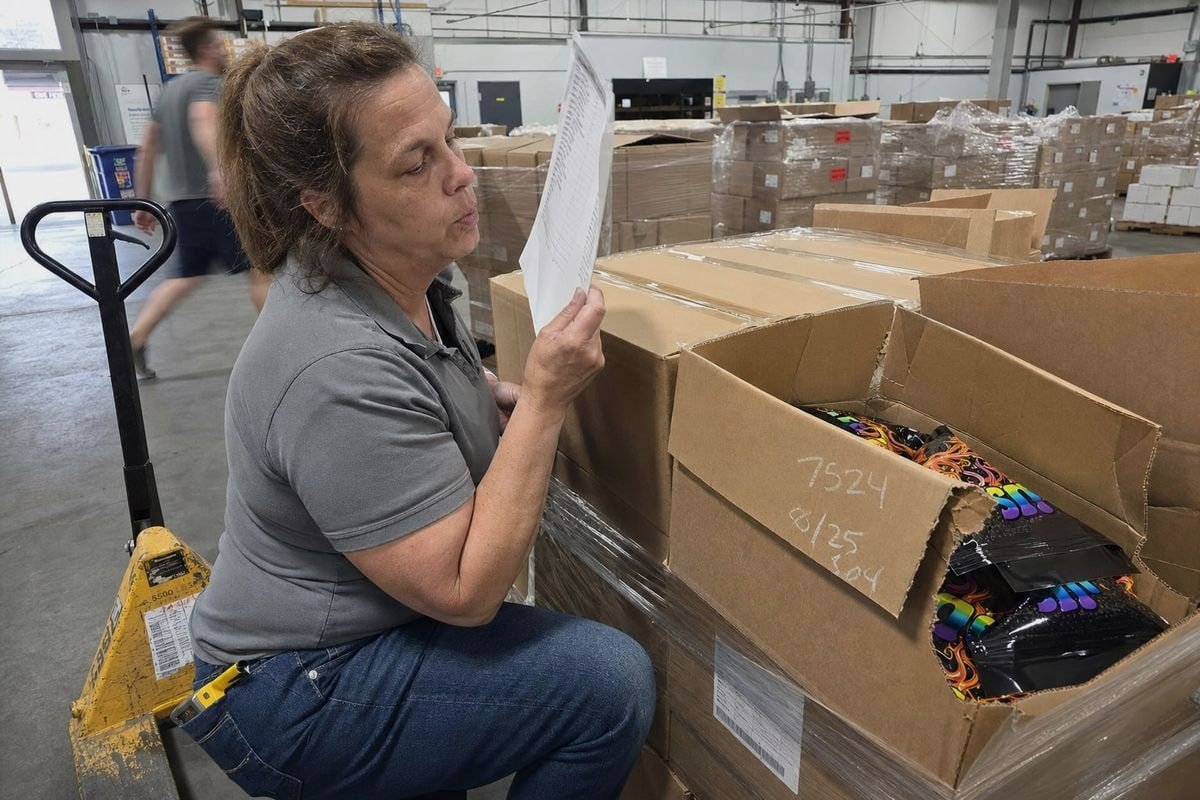
Here is the CIF vs FOB comparison — plus DDP — side by side:
| Factor | FOB (Ningbo) | CIF (Your Port) | DDP (Your Door) |
|---|---|---|---|
| Freight booked by | Buyer | Seller | Seller |
| Risk transfer point | Goods loaded on vessel | Goods loaded on vessel | Delivery at destination |
| Insurance arranged by | Buyer | Seller (minimum cover) | Seller |
| Import duties and taxes | Buyer | Buyer | Seller |
| Customs clearance fees at destination | Buyer | Buyer | Seller |
| Best for | Experienced importers | Buyers without forwarders | Small buyers, e-commerce |
The CIF Trap Most Buyers Miss
Under CIF, we arrange freight and insurance — but risk still transfers to you when goods are loaded in Ningbo, not when they arrive. If cargo is damaged mid-ocean, you file the insurance claim, using a policy we purchased at minimum cover. That mismatch surprises many first-time importers. If you prefer seller-arranged shipping, ask for CIP with upgraded insurance instead, or negotiate higher coverage explicitly in the contract.
Why We Rarely Recommend DDP
DDP sounds effortless: one price, delivered to your warehouse, all import duties and taxes paid. In practice, a Chinese seller must have a registered import entity or a reliable clearance agent in your country. For specialty products like color-flame powders, destination regulations vary — what clears easily in the Netherlands may need extra review in Australia. When a DDP seller cannot legally clear your goods, your cargo becomes hostage to an improvised workaround. We offer DDP only on trade lanes where we have verified clearance partners, and we tell buyers plainly when we do not.
Contract Wording That Prevents Disputes
Whatever you choose, write it precisely: "FOB Ningbo Port, Incoterms 2020 7" or "CIP Rotterdam, Incoterms 2020." Name the exact place. Reference the ICC 2020 rules edition. Vague terms like "FOB China" have caused more disputes in my career than product quality ever has.
Conclusion
Wrong Incoterms create stalled containers, surprise fees, and finger-pointing. The fix is simple: match the term to your order size, compliance strength, and logistics capability.
Start trial orders under CIP or DAP. Move to FOB or FCA as container volumes grow. Demand complete compliance files — MSDS documentation, test reports, and clear classification — regardless of the term. And always write "Incoterms 2020" with an exact named place into your contract. At our factory in China, we have supported buyers under nearly every term for over 17 years, and the pattern never changes: the buyers who choose the least complex term their setup can safely support get their Magic Fire Powder on shelves faster, cheaper, and without drama. If you are unsure which term fits your next order, ask your supplier to quote two options side by side — a transparent partner will show you the real numbers.
Footnotes
1. Background on the hazardous materials classification system mentioned in compliance documents. ↩︎
2. Official International Trade Administration guide covering shipping basics, Incoterms, and customs clearance procedures. ↩︎
3. Defines the logistics role central to buyer-managed shipping terms like FOB and FCA. ↩︎
4. Authoritative source on shipping declarations required for classified hazardous cargo. ↩︎
5. Authoritative Wikipedia overview of the standard, avoiding 403 access issues common on the official ISO domain. ↩︎
6. Explains the insurance concept buyers must understand under FCA and CIF terms. ↩︎
7. Background on the official trade term rules referenced throughout the article. ↩︎



 English
  Spanish
  German
  French
  Arabic
  Portuguese
Join the Conversation