






اختيار المصطلحات التجارية الدولية الصحيحة عند شراء مسحوق النار السحري يربك العديد من المشترين الذين أتحدث معهم - وبعد أكثر من 17 عامًا من شحن عبوات اللهب الملون لدينا إلى أكثر من 30 دولة، أفهم السبب تصنيف رقم الأمم المتحدة 1. اختر المصطلح الخاطئ، ويتحول الطلب البسيط إلى أمر مؤلم. مفاجأة التخليص الجمركي 2 تظهر الرسوم. تبقى البضائع في الميناء. لا أحد يعرف من يملك المخاطر عندما يتأخر الحاوية. الخبر السار: بمجرد أن تفهم ما يخصصه كل مصطلح فعليًا، يصبح القرار قائمة تدقيق بسيطة بدلاً من مقامرة.
اختر شروط التجارة الدولية (Incoterms) لمسحوق السحر الناري بناءً على وسيلة النقل، والقدرة على الامتثال، وتحمل المخاطر. استخدم FCA أو FOB عندما تتحكم في الشحن، و CIF أو CIP عندما يرتب البائع الشحن والتأمين، و DDP فقط عندما يستطيع البائع تخليص الجمارك بشكل قانوني في بلدك.
دعني أرشدك خلال القرار بالطريقة التي أرشد بها مشترينا خلاله. سنبدأ بحجم الطلب، ثم ننتقل إلى المستندات، والتحكم، وأخيرًا سؤال FOB-CIF-DDP.
ما هي قاعدة الإنكوتيرم التي يجب أن أستخدمها لطلب تجريبي مقابل شحنة حاوية بكميات كبيرة؟
طلب مني موزع ألماني لمدافئ مرة شحن طلب تجريبي من 50 صندوقًا بموجب شروط FOB. كان علي أن أشرح لماذا سيكلفه ذلك أكثر، وليس أقل - حجم الطلب يغير كل شيء.
للطلبات التجريبية الصغيرة، استخدم CIP أو DAP أو DDP القائم على الشحن السريع لتبسيط أسعار الشحن المجمعة للبائع والتعامل مع التصدير للشحنة. بالنسبة لطلبات الحاويات الكاملة بالجملة، قم بالتبديل إلى FOB أو FCA حتى تتمكن من الاستفادة من وكيل الشحن الخاص بك والتفاوض مباشرة على أسعار الشحن البحري.
هذه هي المقارنة السريعة التي أشاركها مع المشترين الجدد قبل أن نقدم عرض أسعار:
| نوع الطلب | أفضل المصطلحات التجارية الدولية | لماذا يعمل | احذر من |
|---|---|---|---|
| طلب تجريبي (عينات، 1-50 صندوقًا) | CIP، DAP، DDP | يقوم البائع بتوحيد الشحن؛ يتجنب المشتري الحد الأدنى من الرسوم | رسوم إضافية مخفية على الشحن إذا لم يتم تفصيلها |
| شحنة LCL (حاوية جزئية) | FCA، CPT، CIP | تناسب المصطلحات متعددة الوسائط البضائع الموحدة | رسوم المناولة في الوجهة بموجب شروط C |
| حاوية كاملة (FCL) | FOB، FCA | يتحكم وكيل الشحن الخاص بالمشتري في أسعار الشحن البحري | يجب تحديد نقطة نقل المخاطر بدقة |
| برنامج متعدد الحاويات | FOB مع عقد شحن سنوي | الاستفادة من الحجم على الأسعار | يتطلب خبرة وكيل الشحن الخاص به 3 |
لماذا تفضل الطلبات التجريبية المصطلحات التي يديرها البائع
غالبًا ما تتحرك الشحنات الصغيرة من عبوات النار السحرية لدينا عن طريق الجو أو الشحن البحري الموحد. يمكن أن تضاعف الرسوم الدنيا ورسوم التوثيق ورسوم المناولة للتصدير التكلفة النهائية لطلب صغير إذا قام المشتري بترتيب كل شيء بمفرده. نظرًا لأننا نشحن طلبات تجريبية كل أسبوع من قاعدة إنتاجنا في نينغبو، فإن أسعارنا الموحدة وأوراق التصدير الحالية تجعل CIP أو DAP أرخص وأسرع لك. تختبر المنتج والتعبئة واتساق جودتنا دون بناء إعداد لوجستي أولاً.
لماذا تفضل الطلبات المجمعة المصطلحات التي يديرها المشتري
بمجرد الالتزام بالحاويات الكاملة، تنقلب المعادلة. يمكن لوكيل الشحن الخاص بك التفاوض على أسعار الشحن البحري واختيار جداول الإبحار وتجميع بضائعنا مع الموردين الآخرين. يمنحك FOB أو FCA هذا التحكم. تجعل قواعد ICC 2020 FCA واضحة بشكل خاص للبضائع المعبأة في حاويات، لأن المخاطر تنتقل عندما نسلم البضائع إلى شركة النقل المعينة الخاصة بك - وليس عندما تعبر سكة السفينة. هذه النقطة المبكرة والأكثر وضوحًا لنقل المخاطر مهمة لمطالبات التأمين.
كيف تؤثر شروط التجارة الدولية (Incoterms) على من يتولى المستندات التنظيمية والتخليص الجمركي لمنتجات Color-Flame؟
الأوراق هي المكان الذي تعيش فيه أو تموت فيه شحنات اللهب الملون. يقوم فريق الامتثال لدينا بإعداد تقارير اختبار SGS و Intertek ووثائق CE ووثائق MSDS لكل دفعة تصدير، لأن مسؤولي الجمارك يطلبونها - غالبًا في أسوأ لحظة ممكنة.
تحدد شروط التجارة الدولية (Incoterms) مسؤولية المستندات حسب المرحلة: يتعامل البائع دائمًا مع تخليص التصدير باستثناء شروط EXW، بينما يتعامل المشتري مع تخليص الاستيراد بموجب جميع الشروط باستثناء DDP. يجب الاتفاق بشكل منفصل في العقد على ملفات الامتثال للمنتج مثل صحائف بيانات سلامة المواد (MSDS) وتقارير الاختبار وتصنيف رقم الأمم المتحدة.

هذه هي النقطة التي يغفلها معظم المشترين: تحدد المصطلحات التجارية الدولية مهام الخدمات اللوجستية، لكنها لا تجعل الشحنة متوافقة. لا يمكن أن يحل مصطلح العقد محل صحيفة بيانات السلامة أو تصنيف المنتج المناسب.
المستندات حسب المسؤولية
| وثيقة | من يقوم بإعداده | تتأثر بالمصطلح التجاري الدولي؟ |
|---|---|---|
| فاتورة تجارية وقائمة تعبئة | البائع | لا - البائع دائمًا |
| إعلان التصدير (الصين) | البائع (باستثناء EXW) | نعم |
| وثائق MSDS | البائع | لا - التزام تعاقدي |
| تقارير الاختبار (SGS/Intertek، CE) | البائع | لا - التزام تعاقدي |
| إعلان البضائع الخطرة 4 (إذا تم تصنيفها) | الطرف الذي يرتب النقل | نعم |
| دخول الاستيراد ودفع الرسوم الجمركية | المشتري (باستثناء DDP) | نعم |
لماذا يأتي التصنيف قبل المصطلح التجاري الدولي
قبل اختيار أي مصطلح، تأكد من كيفية تصنيف المسحوق. تم تركيب منتجات Magic Fire الخاصة بنا من مواد صديقة للبيئة بدون مواد كيميائية ضارة، ونحن ندعم ذلك بتقارير اختبار من طرف ثالث. هذا التمييز مهم للغاية. إذا كان المنتج يندرج تحت قواعد شحن البضائع الخطرة، فيجب على الطرف الذي يحجز الشحن إصدار الإعلانات الصحيحة، وتترتب على الأخطاء عقوبات ثقيلة من شركة النقل. إذا تم شحنه كبضائع عامة - كما يمكن أن تكون منتجات اللهب الملون المختبرة بشكل صحيح في العديد من الأسواق - فإن عبء التوثيق ينخفض بشكل حاد، وتصبح المصطلحات التجارية الدولية الأبسط واقعية. هذا هو بالضبط سبب تعاملنا مع ISO 9001 5, ، BSCI، CE، واختبارات الطرف الثالث كمتطلبات صارمة، وليس إضافات. عندما يرى وسيط الجمارك الخاص بك ملف امتثال كامل، فإن التخليص يكون روتينيًا. عندما تكون المستندات مفقودة، حتى شحنة DAP تتوقف في مينائك - وبموجب DAP، تقع تكاليف التأخير أثناء التخليص الجمركي للاستيراد عليك، وليس علينا.
أي مصطلح تجاري دولي يمنحني أكبر قدر من التحكم في تكاليف الشحن والجداول الزمنية للتسليم؟
هناك مفاضلة أناقشها مع كل مشترٍ بالجملة تقريبًا: السيطرة مقابل الراحة. أصرت إحدى العلامات التجارية البريطانية للملابس الخارجية التي نوفر لها على التحكم في كل حجز؛ أراد مستورد هولندي العكس. كلاهما كان على حق - لإعداداتهما.
تمنح FCA المشترين أكبر قدر من التحكم العملي في تكاليف الشحن وأوقات التسليم لشحنات مسحوق Magic Fire المعبأة في حاويات. أنت تختار شركة النقل والجدول الزمني وتغطية التأمين البحري ووكيل التخليص الجمركي، بينما لا يزال البائع يتعامل مع التخليص للتصدير والمناولة المحلية.
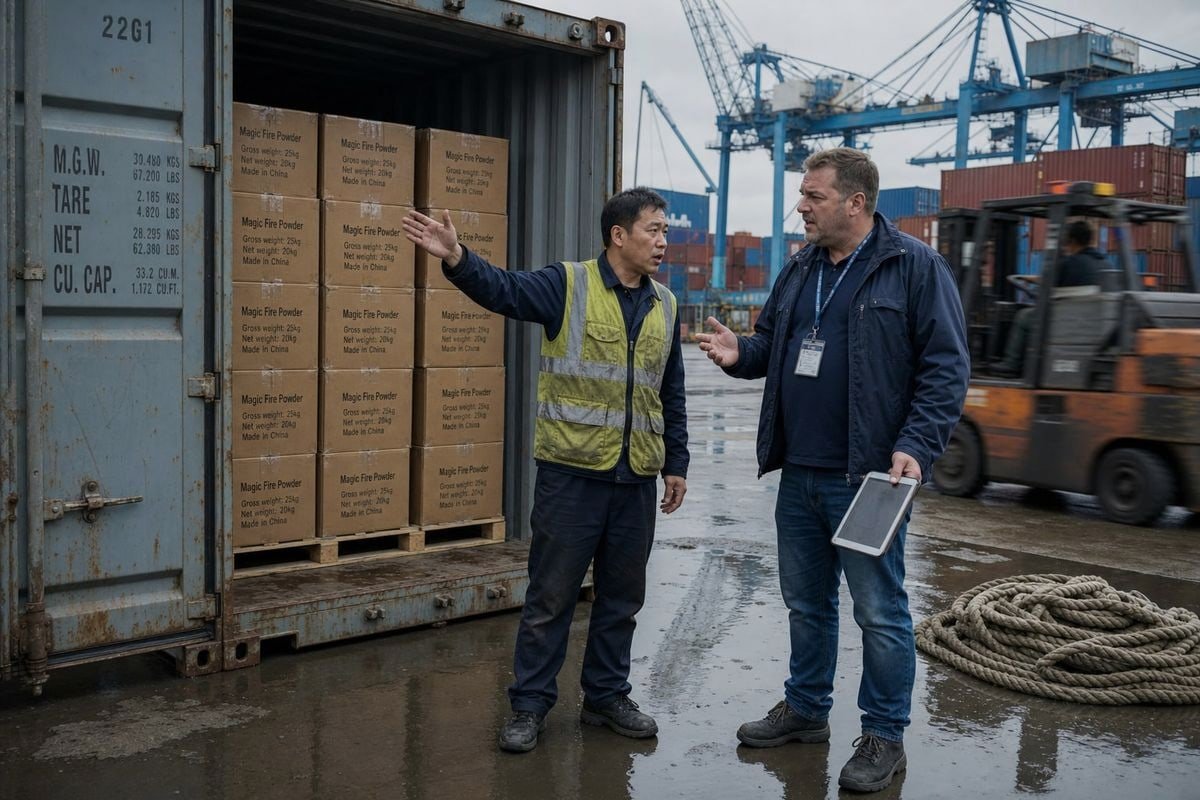
تعني السيطرة في الشحن ثلاثة أشياء: من يحجز الشحن، ومن يملك الجدول الزمني، ومن يصلح المشاكل أثناء النقل. دعني أشرح كل منها.
طيف السيطرة
فكر في المصطلحات كشريط تمرير من سيطرة المشتري إلى سيطرة البائع:
- سعر المصنع - سيطرة كاملة للمشتري، ولكنك تتعامل أيضًا مع تخليص الصادرات الصينية، وهو أمر غير عملي للمشترين الأجانب.
- شركة فيات كرايسلر للسيارات - أنت تتحكم في كل شيء من نقطة التسليم الخاصة بنا فصاعدًا؛ نحن نتعامل مع إجراءات التصدير. هذه هي النقطة المثالية.
- فوب - سيطرة مماثلة لشحنات البحر، ولكن المخاطر تنتقل لاحقًا، عند السفينة.
- الشحن المدفوع بالكامل / الشحن المدفوع بالكامل والتأمين - نحن نحجز الشحن؛ تفقد السيطرة على الجدول الزمني ولكنك تكتسب البساطة.
- التسليم في المكان المتفق عليه / التسليم في المكان المتفق عليه مع دفع الرسوم الجمركية - أقصى قدر من الراحة، وأقل قدر من السيطرة؛ تعتمد على خيارات المسار الخاصة بنا.
حيث توفر السيطرة أموالاً حقيقية
بموجب FCA، يمكن لوكيل الشحن الخاص بك مقارنة شركات النقل أسبوعيًا، وتجنب ارتفاع الأسعار في مواسم الذروة، وإعادة التوجيه حول ازدحام الموانئ. تشمل مسؤوليات وكيل الشحن بموجب FCA أيضًا ترتيب تغطية التأمين البحري 6 مصممة خصيصًا لقيمة بضائعك - أنت تقرر المبلغ المؤمن عليه وشروط الوثيقة، بدلاً من قبول وثيقة تغطية الحد الأدنى للبائع. في تجربتنا في التصدير إلى الولايات المتحدة وألمانيا، يصل المشترون الذين لديهم علاقات قوية مع وكلاء الشحن البضائع بشكل أسرع بموجب FCA مقارنة بحجوزاتنا بشروط C، ببساطة لأنهم يراقبون شحناتهم الخاصة يوميًا. ولكن السيطرة لها تكلفة: تحتاج إلى وكيل شحن كفء والوقت لإدارة الحجوزات. إذا كنت تفتقر إلى أي منهما، فإن CIP مع رسوم الشحن المفصلة بوضوح هو الخيار الثاني الأفضل بصراحة. نحن دائمًا نفصل التفاصيل، لأن الشراكة طويلة الأمد تموت بسرعة عندما يصبح الشحن مركز ربح مخفي.
هل يجب أن أختار FOB أو CIF أو DDP عند الحصول على مسحوق النار السحري من مصنع صيني؟
على مر السنين في الشحن من نينغبو، قمت بتسعير جميع الشروط الثلاثة آلاف مرة. كل منها يناسب ملف تعريف مشتري مختلف، والمطابقة الخاطئة تخلق احتكاكًا على كلا الجانبين.
اختر FOB إذا كان لديك وكيل شحن خاص بك وتريد التحكم في الأسعار. اختر CIF إذا كنت تريد من الشركة المصنعة الصينية ترتيب الشحن البحري والتأمين إلى مينائك. تجنب DDP ما لم يكن لدى البائع قدرة استيراد قانونية مثبتة في بلدك المحدد.
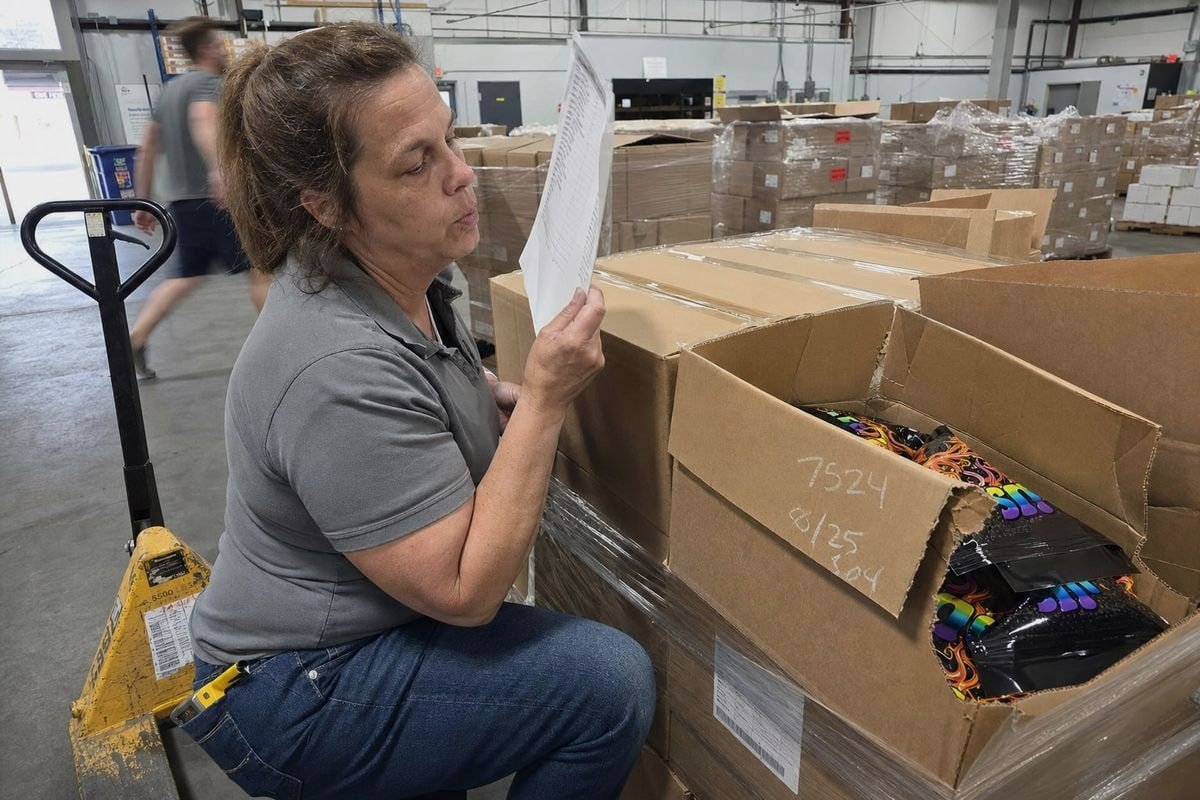
إليك مقارنة CIF مقابل FOB - بالإضافة إلى DDP - جنبًا إلى جنب:
| عامل | FOB (نينغبو) | CIF (ميناءك) | DDP (بابك) |
|---|---|---|---|
| الشحن المحجوز بواسطة | المشتري | البائع | البائع |
| نقطة انتقال المخاطر | البضائع محملة على السفينة | البضائع محملة على السفينة | التسليم في الوجهة |
| التأمين مرتب بواسطة | المشتري | البائع (الحد الأدنى للتغطية) | البائع |
| رسوم الاستيراد والضرائب | المشتري | المشتري | البائع |
| رسوم التخليص الجمركي في الوجهة | المشتري | المشتري | البائع |
| الأفضل لـ | المستوردون ذوو الخبرة | المشترون بدون وكلاء شحن | المشترون الصغار، التجارة الإلكترونية |
فخ CIF الذي يفوته معظم المشترين
بموجب CIF، نرتب الشحن والتأمين - ولكن المخاطر لا تزال تنتقل إليك عند تحميل البضائع في نينغبو، وليس عند وصولها. إذا تضررت البضائع في منتصف المحيط, ، فإنك تقدم مطالبة التأمين، باستخدام وثيقة اشتريناها بحد أدنى من التغطية. هذا التناقض يفاجئ العديد من المستوردين لأول مرة. إذا كنت تفضل الشحن المرتب بالبائع، فاطلب CIP مع تأمين مطور بدلاً من ذلك، أو تفاوض على تغطية أعلى صراحة في العقد.
لماذا نادرًا ما نوصي بـ DDP
يبدو DDP سهلاً: سعر واحد، يتم تسليمه إلى مستودعك، وجميع رسوم الاستيراد والضرائب مدفوعة. في الواقع، يجب أن يكون لدى البائع الصيني كيان استيراد مسجل أو وكيل تخليص موثوق به في بلدك. بالنسبة للمنتجات المتخصصة مثل المساحيق ذات اللهب الملون، تختلف لوائح الوجهة - ما يتم تخليصه بسهولة في هولندا قد يحتاج إلى مراجعة إضافية في أستراليا. عندما لا يستطيع بائع DDP تخليص بضائعك بشكل قانوني، تصبح بضائعك رهينة لحل مرتجل. نقدم DDP فقط على مسارات التجارة حيث لدينا شركاء تخليص معتمدون، ونخبر المشترين بوضوح عندما لا نفعل ذلك.
صياغة العقد التي تمنع النزاعات
مهما اخترت، اكتبه بدقة: "FOB ميناء نينغبو،, قواعد التجارة الدولية 2020 7" أو "CIP روتردام، شروط التجارة الدولية 2020." اذكر المكان الدقيق. أشر إلى إصدار قواعد ICC 2020. المصطلحات الغامضة مثل "FOB الصين" تسببت في نزاعات أكثر في مسيرتي المهنية من جودة المنتج على الإطلاق.
خاتمة
تؤدي شروط التجارة الدولية الخاطئة إلى توقف الحاويات، ورسوم مفاجئة، وإلقاء اللوم. الحل بسيط: طابق المصطلح مع حجم طلبك، وقوة الامتثال، والقدرة اللوجستية.
ابدأ الطلبات التجريبية بموجب CIP أو DAP. انتقل إلى FOB أو FCA مع نمو أحجام الحاويات. اطلب ملفات امتثال كاملة - وثائق MSDS وتقارير الاختبار والتصنيف الواضح - بغض النظر عن المصطلح. واكتب دائمًا "Incoterms 2020" مع مكان مسمى محدد في عقدك. في مصنعنا في الصين، دعمنا المشترين بموجب كل مصطلح تقريبًا لأكثر من 17 عامًا، والنمط لا يتغير أبدًا: المشترون الذين يختارون المصطلح الأقل تعقيدًا الذي يمكن لإعدادهم دعمه بأمان يحصلون على مسحوق النار السحري الخاص بهم على الرفوف بشكل أسرع وأرخص وبدون دراما. إذا لم تكن متأكدًا من المصطلح الذي يناسب طلبك التالي، فاطلب من موردك تقديم عرضين جنبًا إلى جنب - سيوضح لك الشريك الشفاف الأرقام الحقيقية.
ملاحظات ختامية
خلفية حول نظام تصنيف المواد الخطرة المذكور في وثائق الامتثال. ↩︎
دليل رسمي لإدارة التجارة الدولية يغطي أساسيات الشحن، ومصطلحات التجارة الدولية، وإجراءات التخليص الجمركي. ↩︎
يحدد الدور اللوجستي المركزي لمصطلحات الشحن التي يديرها المشتري مثل FOB و FCA. ↩︎
مصدر موثوق للإعلانات الجمركية المطلوبة للشحنات الخطرة المصنفة. ↩︎
نظرة عامة موثوقة من ويكيبيديا على المعيار، مع تجنب مشكلات الوصول 403 الشائعة في نطاق ISO الرسمي. ↩︎
يشرح مفهوم التأمين الذي يجب على المشترين فهمه بموجب مصطلحات FCA و CIF. ↩︎
خلفية حول قواعد مصطلحات التجارة الرسمية المشار إليها في جميع أنحاء المقال. ↩︎

 English
  Spanish
  German
  French
  Arabic
  Portuguese
انضم إلى المحادثة