







العثور على وكيل شحن موثوق به لبادئات الحريق الخشبية كاد أن يكلف أحد المشترين الأوائل لدينا حاوية كاملة. راقبت مصنعنا شحنة وهي متوقفة في الميناء لمدة ثلاثة أسابيع بسبب [وثيقة مفقودة](https://sunrichfire.com/what-documentation-needed-customs-clearance-importing-wood-fire-starters/).
يجب على وكيل الشحن الموثوق به لبادئات الحريق الخشبية إثبات الكفاءة في البضائع الخطرة من الفئة 4.1، ومعرفة الامتثال لمعيار ISPM 15، والتراخيص القابلة للتحقق، وخبرة خطوط التجارة، وعروض الأسعار الشاملة المفصلة، والتواصل الواضح. تحقق من الشهادات أولاً، ثم اختبرها بشحنة تجريبية صغيرة قبل الالتزام.
تبدو بادئات الحريق الخشبية بسيطة. من منظور الخدمات اللوجستية، هي ليست كذلك. أدناه، سأفصل بالضبط ما يجب التحقق منه، وما يجب طرحه، وأين يتعرض المشترون للخسارة.
ما هي الشهادات التي يجب أن يحصل عليها وكيل الشحن الخاص بي لشحن بادئات الحريق الخشبية المغطاة بالشمع دوليًا؟
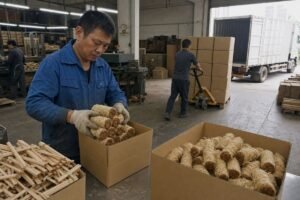
عندما نقوم بالشحن لفائف خشبية مغموسة بالشمع 1 من قاعدة الإنتاج لدينا في نينغبو، فإن أول ما نتحقق منه في أي وكيل شحن هو الأوراق. سبعة عشر عامًا من التصدير إلى أكثر من 30 دولة علمتنا هذا الدرس مبكرًا.
يجب أن يحمل وكيل الشحن الخاص بك ترخيص FMC للشحن البحري إلى الولايات المتحدة، أو عضوية FIATA أو وضع AEO لأوروبا، وشهادة IATA DG إذا كان الشحن الجوي متضمنًا. يجب عليهم أيضًا فهم الامتثال لمعيار ISPM 15، وشهادة الصحة النباتية، ولوائح IMDG Code للشحن الذي يحتوي على الشمع والخشب.

الشهادات ليست للزينة. إنها الفرق بين التخليص السلس و احتجاز جمركي يلتهم هامشك بالكامل. تقع بادئات الحريق الخشبية في منطقة رمادية. إنها سلع استهلاكية مصنعة، لكنها تحتوي على ألياف خشبية وبارافين. هذا المزيج يمكن أن يثير التدقيق في كل من المنشأ والوجهة.
الاعتمادات الأساسية للتحقق منها
اطلب أرقام التراخيص، وليس الوعود. سيقدمها الوكيل الشرعي في غضون يوم. إذا ترددوا، ابتعد. إليك ما نوصي به المشترين لدينا بالتحقق منه، بناءً على الوجهة:
| الشهادة / الاعتماد | المنطقة | لماذا يهم لمشعلات النار |
|---|---|---|
| ترخيص FMC (رقم OTI) | الولايات المتحدة الأمريكية | شرط قانوني للوسطاء البحريين؛ قابل للتحقق عبر الإنترنت |
| وضع AEO | الاتحاد الأوروبي | تخليص جمركي أسرع ومعاملة التاجر الموثوق به |
| عضوية FIATA | عالمي | يشير إلى المعايير المهنية واللجوء إلى تسوية المنازعات |
| شهادة IATA DG | شحن جوي | مطلوب للتعامل مع شحن المواد الخطرة عن طريق الجو |
| شراكة مع وسيط جمارك | بلد الوجهة | يتعامل مع إيداعات قانون Lacey وتجهيز الأوراق المتعلقة بالأخشاب في الولايات المتحدة |
لماذا ترفع الشحنات القائمة على الخشب مستوى الصعوبة
تجذب المنتجات الخشبية الاهتمام الصحي النباتي. على الرغم من أن الألياف الخشبية المضغوطة 2 واللفائف المغطاة بالشمع هي سلع معالجة، لا يزال بعض موظفي الجمارك يسألون عن حالة المعالجة الحرارية 3 (HT) أو يطلبون وثائق داعمة. وكيل الشحن الذي يعرف هذا مسبقًا يعد الملف بشكل صحيح. أما الشخص الذي لا يعرف فسيتخبط بعد أن يتم وضع علامة على الحاوية بالفعل. في تجربتنا، يجيب وكلاء الشحن الذين لديهم تاريخ حقيقي في خطوط أوروبا والولايات المتحدة على هذه الأسئلة بلغة واضحة دون الرجوع إلى "زميل" أولاً. هذه الطلاقة هي بحد ذاتها شهادة.
كيف أتأكد من أن وكيل الشحن الخاص بي يمكنه التعامل مع تصنيف البضائع الخطرة لبادئات الحريق الخشبية؟
جاء موزع ألماني إلينا ذات مرة بعد أن أعلن وكيل شحن المورد السابق لديه بشكل خاطئ عن شحنة بادئات حريق كسلع منزلية عادية. تجاوزت الغرامة وتكاليف إعادة الفحص الشحن نفسه.
اطلب من وكيل الشحن أن يشرح لك تصنيف المنتج: ما إذا كان يندرج تحت المواد الصلبة القابلة للاشتعال من الفئة 4، ورقم الأمم المتحدة المطبق، وما إذا كانت إعفاءات الكمية المحدودة تقلل من الرسوم الإضافية. يطلب وكيل الشحن المختص تقارير الاختبار SGS أو Intertek الخاصة بك قبل تقديم عرض الأسعار، وليس بعد الحجز.

التصنيف هو المكان الذي تبدأ فيه معظم مشاكل شحن بادئات الحريق. قد تخضع اللفائف الخشبية المغطاة بالشمع للوائح البضائع الخطرة أو لا تخضع. يعتمد ذلك على نقطة الوميض، والتركيب، والتعبئة، وبيانات الاختبار وراء المنتج. نوفر لمشترينا تقارير اختبار SGS و Intertek الكاملة حتى يتمكن وكلاء الشحن الخاصون بهم من تصنيف البضائع بشكل صحيح. وكيل الشحن الذي لا يطلب هذه التقارير أبدًا يخمن. التخمين هو سبب رفض الحاويات في المحطة.
أسئلة تكشف عن كفاءة حقيقية في البضائع الخطرة
استخدم هذه كمرشح. الإجابات تخبرك بكل شيء:
- هل يتطلب هذا المنتج إعلان بضائع خطرة بموجب لوائح IMDG Code، ولماذا أو لماذا لا؟
- ما هو تصنيف رمز النظام المنسق الذي توصي به، وما هي نسبة الرسوم الجمركية التي يحملها في الوجهة؟
- هل يمكننا استخدام إعفاءات تغليف الكمية المحدودة (LTD QTY) لخفض الرسوم الإضافية للمواد الخطرة؟
- كيف تتعامل مع متطلبات التخزين للبضائع الصلبة القابلة للاشتعال من الفئة 4 في حجوزات السفن؟
- ماذا يحدث إذا استفسر مكتب البضائع الخطرة التابع للناقل عن الإعلان أثناء العبور؟
سيناريوهات التصنيف مقارنة
| سيناريو | المعالجة النموذجية | التأثير على التكلفة والمخاطر |
|---|---|---|
| غير منظم (تدعم بيانات الاختبار ذلك) | حجز شحن قياسي | أقل تكلفة؛ لا تزال الوثائق في الملف |
| الفئة 4.1 مع إعفاء الكمية المحدودة | علامات مخفضة، لا لوحات | تكلفة معتدلة؛ قيود أقل على الناقل |
| إعلان الفئة 4.1 الكامل | تغليف مواصفات الأمم المتحدة، تخزين البضائع الخطرة | تكلفة أعلى؛ عدد أقل من الرحلات البحرية تقبل الحجز |
| شحنة معلنة بشكل خاطئ | غرامات، احتجاز، حظر محتمل | كارثي؛ يمكن أن ينهي علاقة خط التجارة |
الإجابة الصحيحة نادرًا ما تكون "إنها مجرد خشب". تبدأ الإجابة الصحيحة بتقاريرك الاختبارية. عندما نقوم بضم شريك لوجستي جديد لصادراتنا الخاصة، نرسل الملف الفني أولاً ونحكم عليهم بالأسئلة التي يطرحونها.
ما الذي يجب أن أسأله وكيل الشحن عن أوقات التسليم وتأخيرات الشحن لطلبات بادئات الحريق بالجملة؟
موسم الذروة هو المكان الذي يظهر فيه وكلاء الشحن شخصيتهم الحقيقية. كل خريف، تعمل خطوط نينغبو لدينا بكامل طاقتها لأن موزعي المدافئ في الولايات المتحدة وألمانيا يريدون جميعًا المخزون قبل الشتاء. المساحة تضيق بسرعة.
اطلب وقت العبور الواقعي من الباب إلى الباب على خطك المحدد، وأداءهم في الوقت المحدد العام الماضي، وكيف يؤمنون مساحة السفينة في موسم الذروة، وعملية التصعيد الخاصة بهم عند حدوث تأخيرات. اطلب تحديثات المعالم، وليس الصمت، وجهة اتصال محددة تمتلك ملفك.
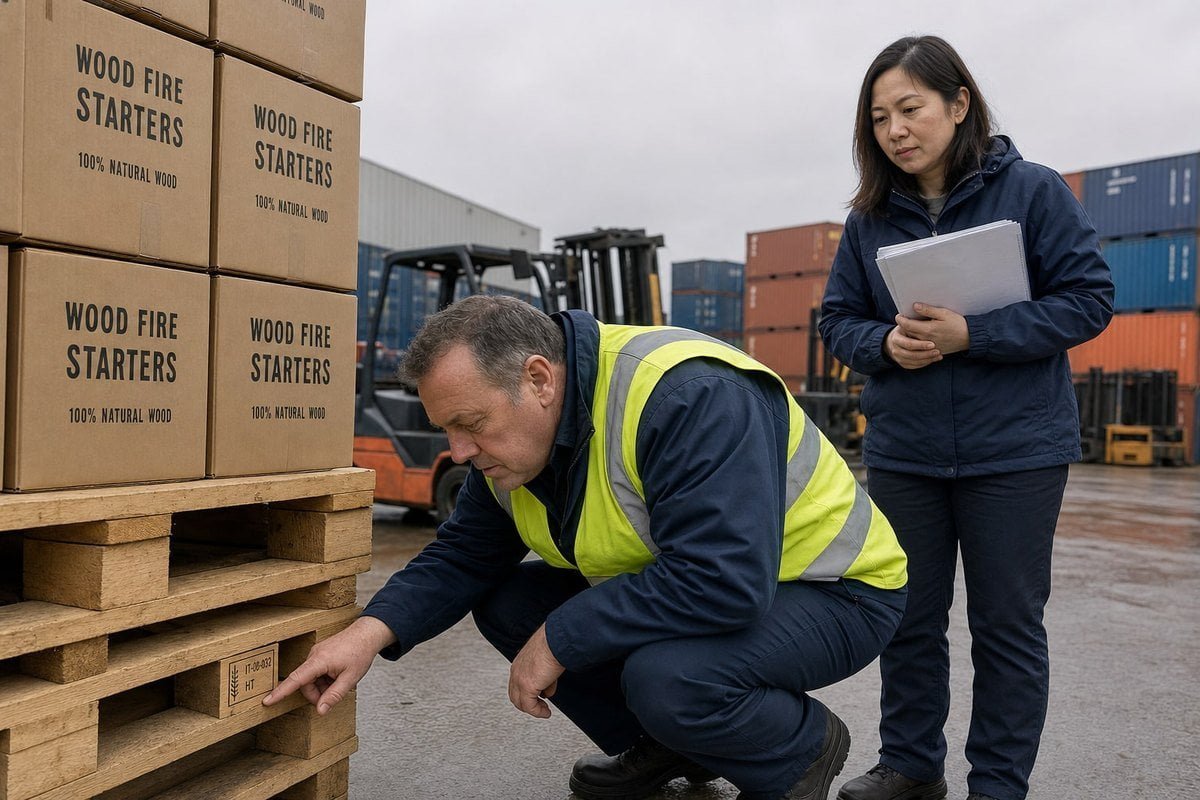
وعود وقت التسليم رخيصة. سجلات التسليم ليست كذلك. بادئات الحريق هي سلع موسمية. حاوية تصل في ديسمبر بدلاً من أكتوبر تفوت نافذة المبيعات تمامًا، ولا يغطي أي استرداد خسارة مكان العرض. لذا فإن السؤال ليس "ما مدى سرعة شحنك؟" إنه "ماذا يحدث عندما تسوء الأمور؟"
أسئلة التوقيت المهمة
اطرح على كل وكيل شحن تم اختياره هذه الأسئلة الخمسة وقارن الإجابات جنبًا إلى جنب:
- ما هو متوسط وقت العبور لديك وأسوأ حالة على هذا الخط خلال الاثني عشر شهرًا الماضية؟
- كم عدد الشحنات مثلي التي تعاملت معها على هذا المسار العام الماضي؟
- هل لديك اتفاقيات تخصيص مع شركات النقل، أم تشتري مساحة فورية؟
- إذا حدث احتجاز جمركي، من يتصل بي، وفي غضون كم ساعة؟
- هل تمنحك أنظمتك رؤية لسلسلة التوريد في الوقت الفعلي مع تنبيهات المعالم؟
قراءة الإجابات
الإجابات الغامضة هي إجابات. وكيل الشحن الذي يقول "عادة حوالي أربعة أسابيع" دون تأهيل تباين موسم الذروة لم يتعامل مع هذا الخط بجدية. سيشرح الجيد رحلات فارغة 4, ، وأنماط ازدحام الموانئ، ونوافذ الحجر الصحي الموسمية - على سبيل المثال،, متطلبات معالجة حشرة السيمور البنية 5 التي تؤثر على الصادرات المتعلقة بالخشب إلى أستراليا خلال أشهر معينة. نحن نشحن إلى أستراليا بأنفسنا، لذلك نعرف أي وكلاء الشحن يخططون حول تلك النوافذ وأيهم يكتشفونها عند الرصيف. سرعة الاستجابة مهمة أيضًا. أقل من أربع ساعات تنافسية. أكثر من ثماني ساعات تعني معالجة بطيئة للأزمات لاحقًا. قم أيضًا ببناء مخزن مؤقت في تخطيطك الخاص. ننصح المشترين بوضع طلبات موسمية بالجملة 6 مع ما لا يقل عن شهر من هامش الجدول الزمني، لأنه حتى أفضل وكيل شحن لا يمكنه التحكم في إعصار أو إضراب في الميناء. ما يمكنهم التحكم فيه هو مدى سرعة وصدق إخبارهم لك.
هل يمكن لوكيل الشحن الخاص بي دعم خيارات الشحن المرنة للطلبات التجريبية والتعبئة الخاصة بالعلامة التجارية؟
نادرًا ما يبدأ مشتري OEM لدينا بحاوية كاملة. الطلب الأول النموذجي هو تشغيل تجريبي - بضع منصات من مكعبات بادئ الحريق ذات العلامة التجارية الخاصة مع صناديق بيع بالتجزئة مخصصة، ورموز شريطية، وملصقات تحذير - لاختبار السوق قبل التوسع.
نعم، يجب أن يقدم وكيل الشحن الجيد توحيد LCL للطلبات التجريبية، وخيارات الشحن الجوي أو السريع للعينات العاجلة، والتعامل بعناية مع كرات البيع بالتجزئة الجاهزة ذات العلامة التجارية الخاصة. يجب عليهم أيضًا تنسيق فحوصات الامتثال لوضع العلامات والتوسع بسلاسة من بضع منصات إلى حاويات كاملة.
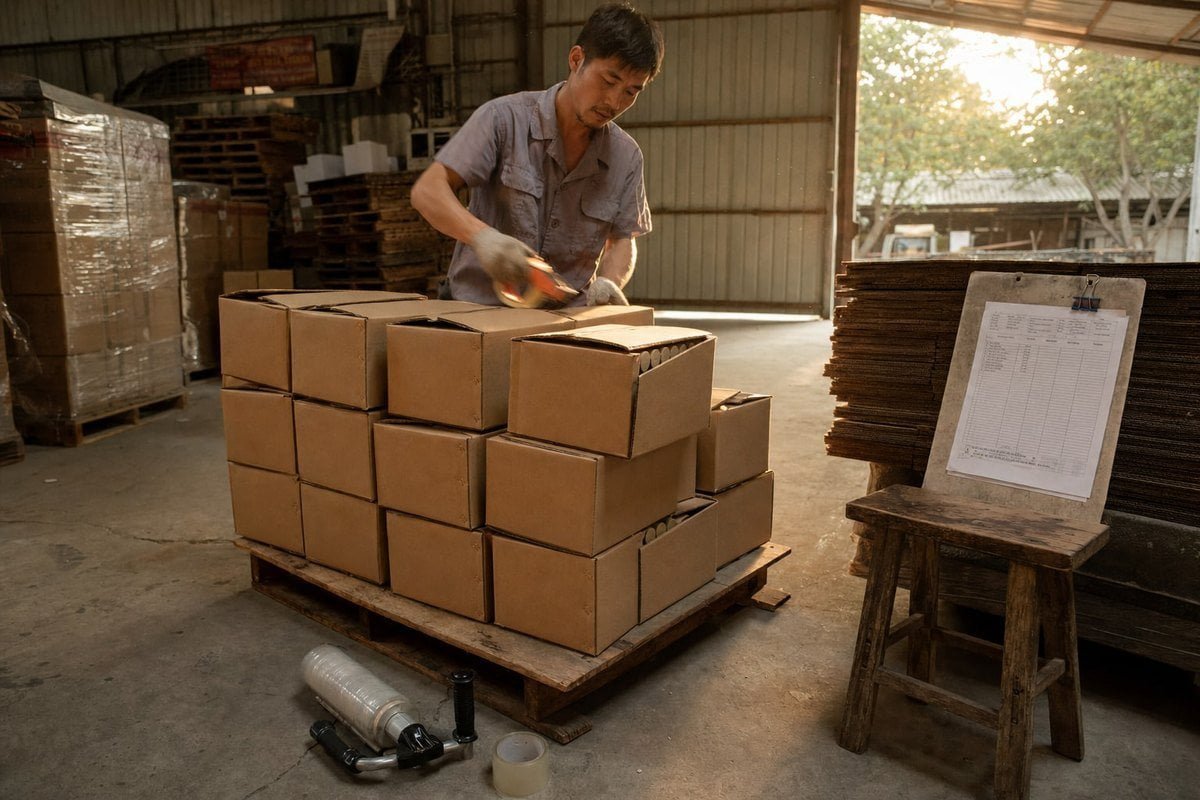
المرونة هي سؤال تصميم الخدمة، وليست خدمة. يفضل بعض وكلاء الشحن أعمال FCL فقط ويعاملون الشحنات الصغيرة كإزعاج. تظهر هذه المواقف في عروض الأسعار البطيئة، والتوحيد المهمل، وصناديق العرض المسحوقة عند الوجهة. بالنسبة للبضائع ذات العلامة التجارية الخاصة، فإن التغليف هو المنتج. لا يمكن وضع صندوق جاهز للعرض به انبعاج على رف من طراز Home Depot، نقطة.
مطابقة وضع الشحن لمرحلة الطلب
| مرحلة الطلب | الحجم النموذجي | أفضل وضع شحن | ما يجب على وكيل الشحن التعامل معه |
|---|---|---|---|
| عينات | 1-5 كراتين | البريد السريع أو الشحن الجوي | وثائق البضائع الخطرة الصحيحة حتى للطرود الصغيرة |
| طلب تجريبي | 1-4 منصات | توحيد شحن المحيط LCL | تحميل مشترك بعناية؛ حماية الرطوبة للألياف الخشبية |
| التوسع الأول | 5-15 منصة | LCL أو حاوية مشتركة | وضع المنصات لحماية تغليف البيع بالتجزئة |
| طلبات بالجملة متكررة | حاوية كاملة | FCL | تخصيص المساحة، أولوية الحجز الموسمي |
حماية التعبئة والتغليف الخاص بالعلامة التجارية أثناء النقل
يمتص لب الخشب الرطوبة، و"مطر الحاوية 7" يمكن أن يؤدي إلى تليين الكراتين وإضعاف أداء الإشعال. اسأل عما إذا كان وكيل الشحن يقدم خطط تحميل مواد مجففة، وبالنسبة للبرامج ذات القيمة العالية، عما إذا كانت مراقبة الرطوبة عبر إنترنت الأشياء متاحة. اسأل كيف يقومون بتكديس البضائع المشتركة LCL — كراتين بادئات الحريق تحت أجزاء الآلات الثقيلة هي تسليم مرفوض ينتظر الحدوث. من جانبنا، نقوم بتصميم كراتين التصدير وأنماط المنصات لتحمل عملية الدمج، ونقوم بتطبيق ملصقات التحذير والرموز الشريطية المتوافقة مع الوجهة مسبقًا حتى تصل البضائع جاهزة للعرض. ولكن يجب على وكيل الشحن أن يقوم بدوره. الشريك الذي يفهم الامتثال لمعيار ISPM 15 للمنصات، ويحمي جودة طباعة التجزئة، ويتوسع معك من التجربة إلى الحاوية يستحق علاوة متواضعة. أقل سعر LCL يدمر أول شحنة تحمل علامتك التجارية هو أغلى عرض أسعار ستقبله على الإطلاق.
خاتمة
اختر وكيل الشحن الذي يقلل المخاطر الإجمالية، وليس فقط تكلفة الشحن. تحقق من التراخيص، واختبر معرفة البضائع الخطرة، واستفسر عن أوقات التسليم، وقم بتشغيل تجربة تجريبية — ثم قم بالتوسع بثقة.
ملاحظات ختامية
1. مدخل ويكيبيديا لشمع البارافين، وهو الطلاء الأساسي لأسطوانات الخشب هذه. ↩︎
2. مدخل ويكيبيديا موثوق لمنتجات الخشب المصممة المصنوعة من الألياف المضغوطة. ↩︎
3. المعايير الدولية للمعالجة الحرارية لمواد تغليف الخشب. ↩︎
4. تعريف الصناعة للشحن الفارغ وتأثيره على جداول الشحن العالمية. ↩︎
5. الموقع الرسمي الذي تديره وزارة الزراعة الأمريكية ويقدم بيانات شاملة عن تأثير الآفات واللوائح. ↩︎
6. نظرة عامة على ويكيبيديا لمبادئ إدارة سلسلة التوريد ذات الصلة بتخطيط المخزون الموسمي. ↩︎
7. شرح علمي لمطر الحاويات وتأثيراته على البضائع الحساسة للرطوبة.
 English
  Spanish
  German
  French
  Arabic
  Portuguese
انضم إلى المحادثة