






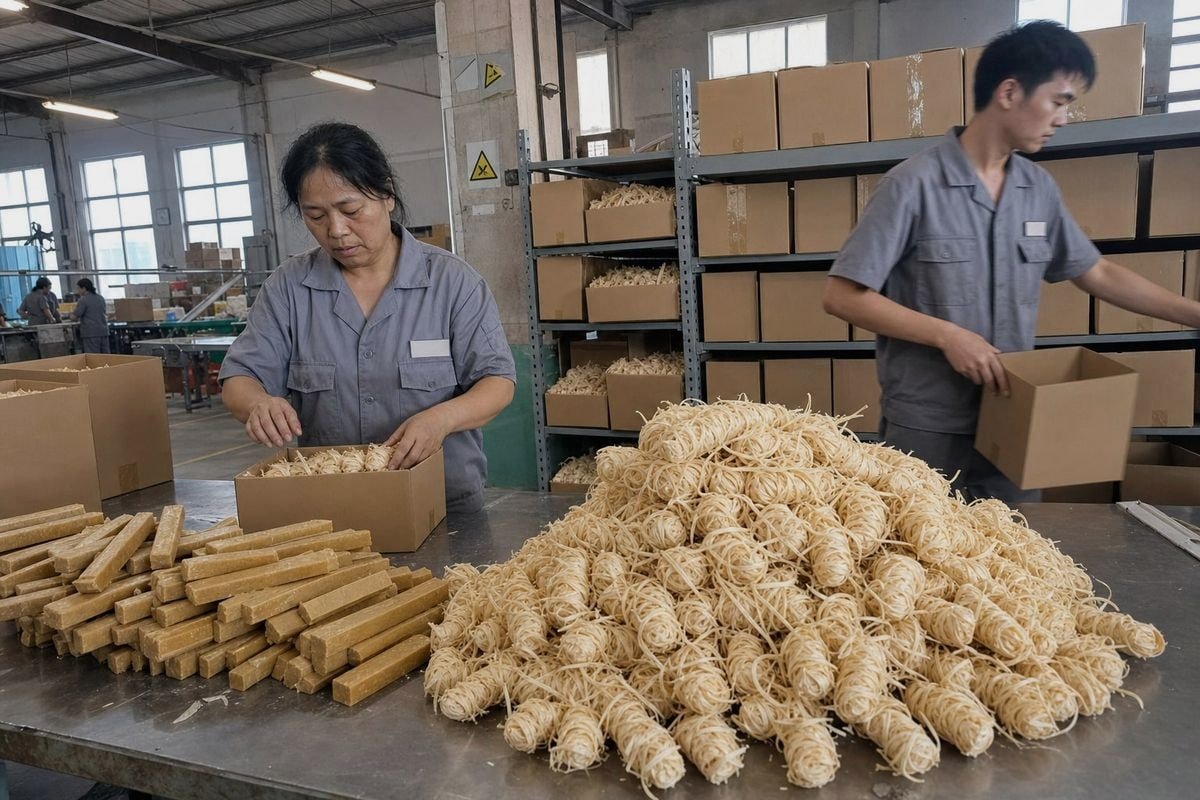
Choosing between B2B platforms 1 and direct factory sourcing for wood fire starters looks simple—until a bad batch stalls your season. On our production line, we've seen both paths succeed and fail.
B2B platforms offer faster supplier discovery, buyer protection, and lower-risk small orders, while direct factory sourcing for wood fire starters delivers lower unit costs, stronger quality control, deeper customization, and reliable seasonal capacity. The best channel depends on your order volume, private-label needs, and compliance requirements.
Both channels can work. But they solve different problems. Below, I break down the trade-offs across compliance, quality control, MOQs, private labeling, lead times, and communication—so you can pick the right path for your business stage.
How Do I Verify Certifications and Compliance When Sourcing Wood Fire Starters Through a Platform vs. Directly From a Factory?
A buyer from Germany once forwarded us a platform listing that claimed "full EU compliance"—with no test report attached VOC emissions 2. When we asked our compliance team to review it, the certificate number didn't exist. That experience shaped how we present our own ISO 9001 3, BSCI, CE, and SGS/Intertek documentation to every prospect.
Platforms show verification badges and self-declared certificates, but rarely let you validate them. Direct factory sourcing lets you request original test reports, verify certificate numbers with issuing bodies like SGS or Intertek, and audit the facility—making compliance verification far more reliable for regulated retail channels.

Compliance is where the two sourcing channels diverge the most. On a B2B platform, you see what the seller chooses to upload. Verification badges confirm that a business exists and pays for membership. They do not confirm that a specific wood fire starter batch passed a specific safety test. That gap matters when you sell into regulated retail channels in the US or EU.
What Platforms Actually Verify
Platform verification typically covers business registration, factory photos, and sometimes an on-site check by a third party. It usually does not cover product-level testing. Fire safety standards, VOC emissions 4, and packaging labeling requirements vary by country. A listing that says "CE certified" may refer to one old product, not your order.
What Direct Verification Looks Like
When you work directly with a factory, you can do four things a platform cannot fully support:
- Request the original test report PDF and check the report number with SGS or Intertek 5 directly.
- Confirm the certificate scope covers your exact product—wax-dipped wood rolls, not a different SKU.
- Ask for BSCI audit 6 results to confirm social compliance for retail buyers.
- Commission your own third-party batch testing before shipment.
| Compliance Task | B2B Platform | Direct Factory |
|---|---|---|
| Business registration check | Built-in badge | Request license copy |
| Product test reports | Often self-declared | Verifiable with issuing lab |
| Factory audit (BSCI/ISO) | Rarely visible in full | Full audit reports on request |
| Batch-level testing | Difficult to arrange | Standard practice |
| Sustainability documentation (FSC-type claims) | Hard to verify from listings | Traceable via raw material records |
In our export work across 30+ countries, retail sourcing channels treat verified documentation as a hard requirement. Regardless of channel, always commission independent third-party testing for fire products. But direct factory relationships make that process faster, cheaper, and more transparent.
Can I Get More Consistent Quality Control by Working Directly With a Wood Fire Starter Manufacturer?
The hardest lesson in this category came early in our 17 years: two batches of wood wool with different moisture content produced visibly different burn times, even though both "looked fine." That's why we now run batch-to-batch moisture and ignition checks before wax dipping ever starts.
Yes. Direct factory partnerships give you consistent quality control because you can set written specifications for burn time, moisture content, and wax ratio, approve golden samples, and require batch testing. Platform orders often pass through traders who cannot control or explain production variations.
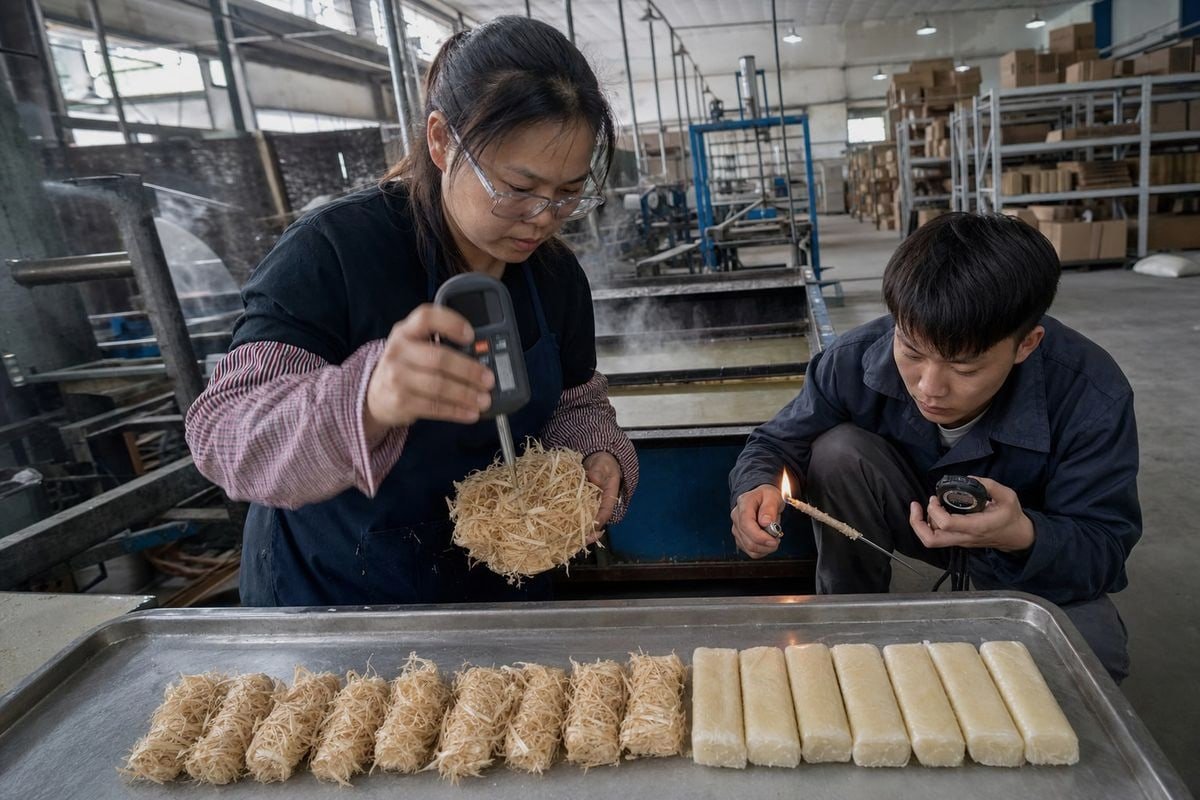
Wood fire starters look like a simple commodity. They are not. Burn performance depends on variables most listings never mention: wood shaving thickness, moisture content, wax type, wax-to-fiber ratio, and dipping consistency. A typical retail-quality starter uses roughly a 50/50 wood fiber and paraffin 7 composition. Shift that ratio by even a small margin and you change ignition speed, burn duration, and smoke output.
Why Platform Quality Drifts
Many platform listings belong to trading companies, not factories. A trader may switch production sources between orders to chase margin. Your first order burns for eight minutes; your reorder burns for five. The trader cannot explain why, because the trader never controlled the process. Rework, returns, and retail complaints then erase whatever you saved on unit price.
What Direct QC Control Enables
Working directly with the producer, you can lock down the process:
- Written spec sheet. Define dimensions, weight, burn time range, and moisture limits.
- Golden sample approval. The approved sample becomes the contractual reference for mass production.
- In-process checks. Wax temperature, dip time, and drying conditions get monitored per batch.
- Pre-shipment inspection. You or a third party test random units against the spec.
On our lines in Ningbo, the first sample must reliably reflect mass-production quality—that principle only works because the same facility makes both. When a middleman sits between you and production, that chain of accountability breaks. For a seasonal product where a failed shipment can cost you an entire fall/winter selling window, that accountability is worth more than a marginally lower quote.
Which Option Gives Me Better MOQ Flexibility and Private-Label Support—B2B Platforms or Direct Factory Partnerships?
One of the trade-offs we weigh constantly is trial-order flexibility versus production efficiency. A US camping brand recently asked us for a small first run with fully custom retail boxes—something a platform trader quoted them at nearly double our price, because the trader had to outsource the packaging.
B2B platforms typically win on MOQ flexibility for generic products, since traders consolidate small orders. Direct factories win decisively on private-label support—custom packaging, barcodes, warning labels, and display boxes—and experienced OEM factories increasingly offer reasonable trial MOQs to earn long-term reorders.

This question splits into two separate decisions, and buyers often conflate them. MOQ flexibility and private-label depth pull in opposite directions on most platforms.
The MOQ Reality
Platform sellers, especially traders, can offer small quantities because they aggregate demand from many buyers. That is genuinely useful for samples and market tests. Direct factories traditionally require higher MOQs because production runs have setup costs. However, factories focused on long-term OEM partnerships—ours included—often accept smaller trial orders when the buyer shows a credible path to repeat volume. We would rather run a lean first order for a serious distributor than lose a five-year relationship over one production slot.
The Private-Label Gap
Private labeling is where platforms fall short. Real shelf-ready customization involves more than printing a logo:
| Private-Label Requirement | Platform/Trader | Direct Factory |
|---|---|---|
| Custom box design and printing | Outsourced, marked up | In-house or directly managed |
| Barcode and retail labeling | Often buyer's problem | Integrated into packaging workflow |
| Country-specific warning labels | Rarely offered | Standard OEM service |
| Custom size and burn time | Usually not possible | Full formulation control |
| Display packaging (counter/floor units) | Limited | Designed with carton optimization |
| Consistent branding across reorders | Risky if source changes | Locked artwork files and dies |
For our OEM buyers in the US and Europe, packaging is not decoration—it is compliance and shelf placement. Warning labels must match destination-market rules. Barcodes must scan at the retailer's system. Cartons must optimize container loading to control freight cost. A trader passing your artwork to an unknown print shop cannot guarantee any of that. A factory that controls the full chain can. So the practical answer: use platforms when your product is generic and small; go direct the moment private label enters the picture.
How Do Lead Times and Communication Differ Between B2B Marketplaces and Direct Manufacturers for My Wood Fire Starter Orders?
Every September, our production schedule in Ningbo fills with reserved slots for buyers who confirmed their fall/winter volumes back in spring. The buyers who wait and shop platforms in October often discover that shared inventory is already gone.
Platforms enable faster initial contact through RFQ tools and translation features, but add a communication layer that slows problem-solving. Direct manufacturers offer longer onboarding but shorter, more predictable production lead times, dedicated seasonal capacity reservations, and direct English communication with the people who actually run production.
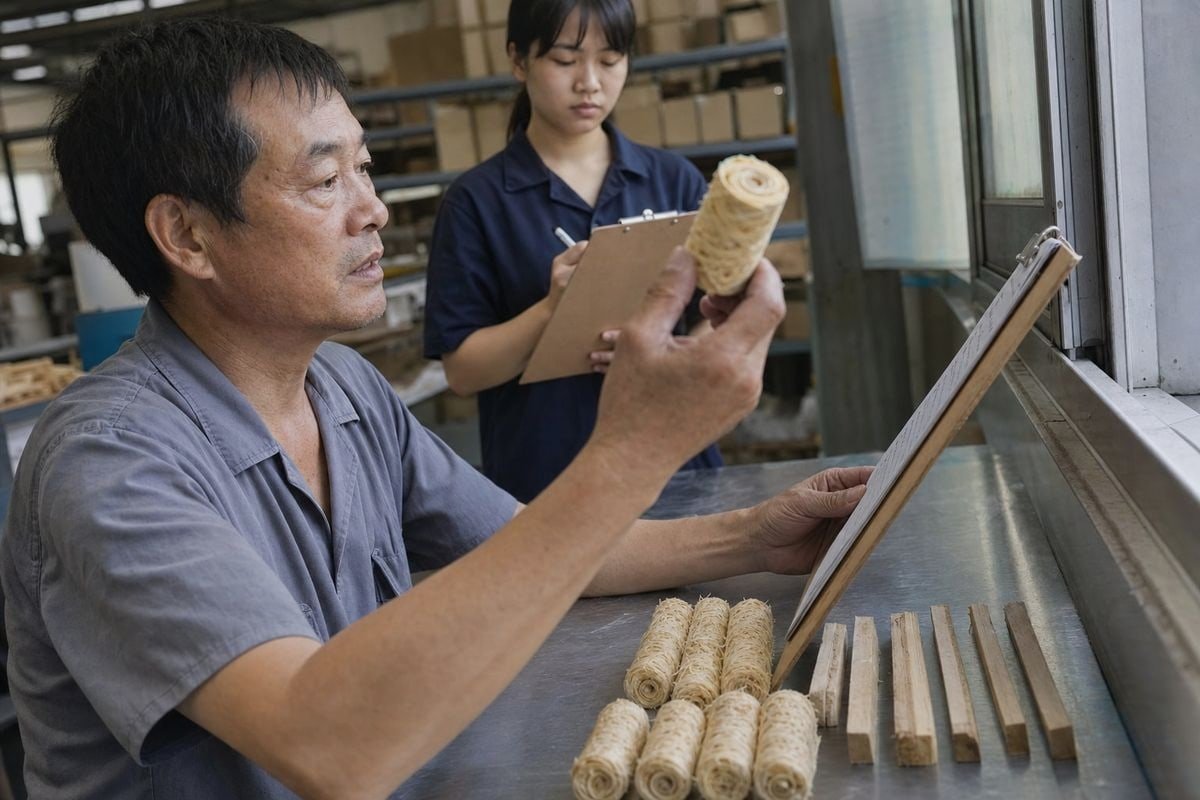
Lead time is not one number. It has three parts: sourcing time, production time, and problem-resolution time. Platforms and direct factories perform very differently on each.
Sourcing Time: Platforms Win
Platforms let you compare dozens of suppliers in an afternoon. RFQ templates, instant quotes, and review histories compress discovery from weeks to days. If you need a fast benchmark price or a quick sample, this speed is real value. No factory relationship can match it for a first-time buyer.
Production Time: Direct Factories Win
Once you order, the picture flips. A trader receives your PO, then negotiates with their factory, which schedules you behind their priority clients. Every question travels through two hops. A direct factory schedules your order on its own line. In our experience exporting to the US, Germany, and the UK, the biggest lead-time advantage is seasonal: wood fire starters spike hard in autumn and winter. Direct partners can reserve production slots and lock raw material pricing for wood and wax months ahead. Platform buyers pull from shared, unreserved capacity—exactly when everyone else wants it too.
Communication Quality
| Communication Factor | B2B Marketplace | Direct Manufacturer |
|---|---|---|
| First contact speed | Very fast (chat, RFQ tools) | Slower initial onboarding |
| Technical questions | Relayed through sales/trader | Answered by production staff |
| Problem resolution | Multi-hop, slow, diluted | Direct, accountable, fast |
| Seasonal capacity | Shared inventory, stockout risk | Reserved production slots |
| Reorder predictability | Variable | Stable, documented process |
The pattern most experienced buyers follow is hybrid: discover and sample through platforms, then migrate proven SKUs to a direct factory before your first real seasonal push. That sequence captures platform speed early and factory reliability when it counts.
Conclusion
Both channels work—at different stages. Platforms suit discovery and small tests; direct factories win on compliance verification, quality consistency, private labeling, and seasonal reliability. Start on platforms if needed, then move proven wood fire starter SKUs to a certified factory partner before scale and season pressure arrive.
Footnotes
1. Alibaba is a leading example of the B2B marketplace model being compared throughout the article. ↩︎
2. EPA defines VOC emissions standards relevant to fire product safety testing mentioned in the article. ↩︎
3. Official ISO standard referenced as the quality management certification factories present to buyers. ↩︎
4. Background on volatile organic compounds relevant to fire safety and emissions testing standards. ↩︎
5. Official site of the testing body buyers use to verify certificate authenticity. ↩︎
6. Official amf

 English
  Spanish
  German
  French
  Arabic
  Portuguese
Join the Conversation