






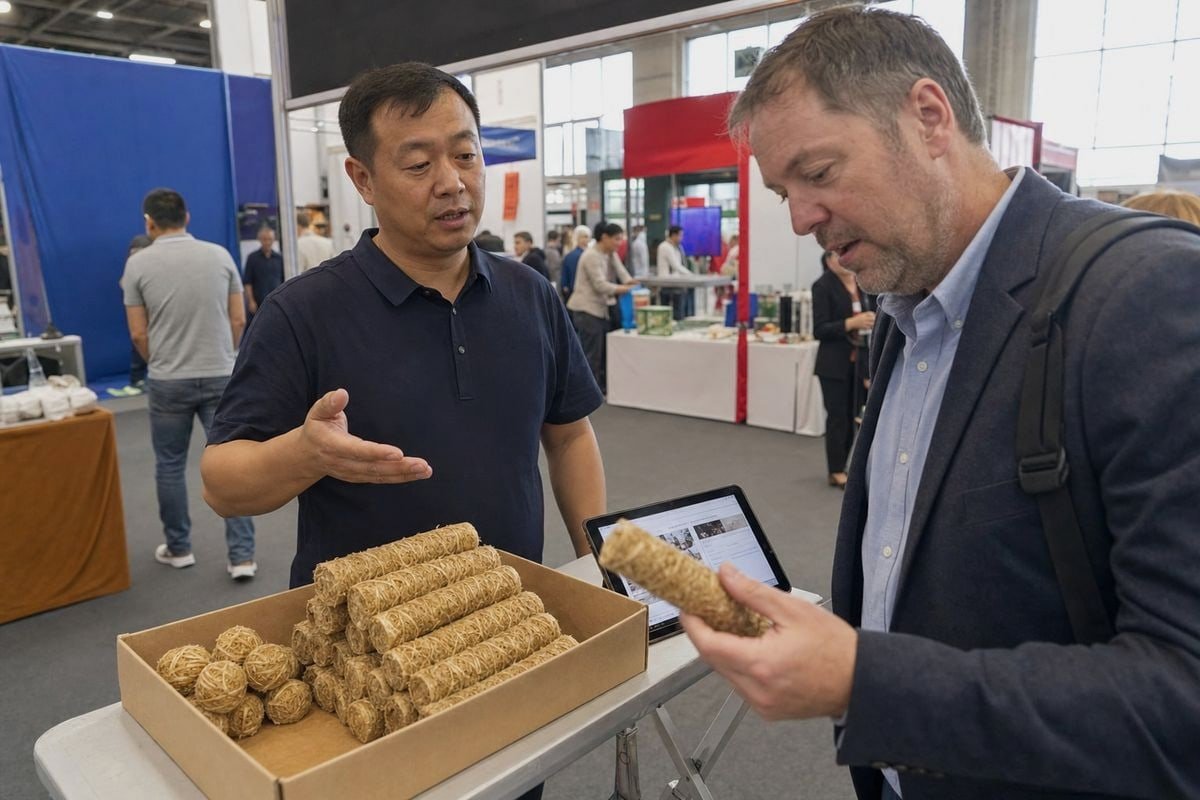
Finding wood fire starters suppliers looks easy online BSCI for social compliance 1. But after 17 years running our own production lines, I know how many "manufacturers" are actually resellers hiding behind polished listings.
Use both channels together. B2B platforms help you discover and shortlist wood fire starters suppliers quickly, using verified badges and trade history. Trade shows let you inspect samples, question technical staff, and confirm real production capability before you commit to bulk or private-label orders.
The risk is real. A supplier that fails mid-contract costs you a season of retail sales. Let me walk you through how to verify capability the right way, step by step.
How can I verify a wood fire starter supplier's certifications before placing an order?
A buyer from Germany once asked me to email our BSCI audit report 2 before our first video call. That request told me he had been burned before — and he was right to ask.
Request certificate copies with registration numbers, then verify them directly with the issuing body (SGS, Intertek, TÜV). Check ISO 9001 for quality systems, BSCI for social compliance, and CE or ASTM reports for safety. A real manufacturer shares documents within days, not weeks.
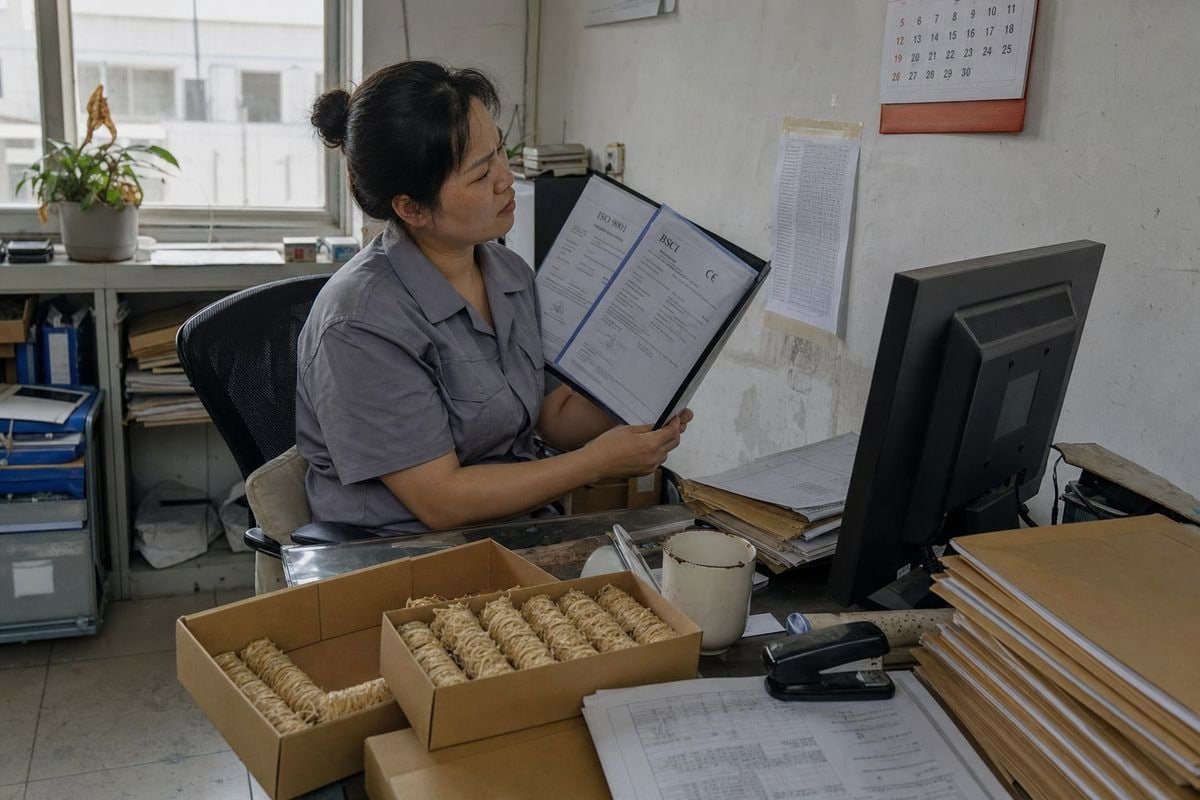
Certificates are the first filter I recommend to any purchasing manager, because they separate serious factories from opportunistic traders. But a PDF alone proves nothing. Certificates can be expired, borrowed from another factory, or simply photoshopped. You need a verification process, not just a document request.
The certifications that matter for fire starters
Different markets demand different paperwork. Our export experience across the US, Germany, the UK, and France taught us that buyers who skip this step often hit customs problems later.
| Certification | What it proves | Why it matters for fire starters |
|---|---|---|
| ISO 9001 | Quality management system | Predicts batch-to-batch consistency |
| BSCI | Social compliance audit | Required by many EU retail chains |
| CE / ASTM reports | Product safety testing | Needed for legal market access |
| SGS / Intertek reports | Third-party lab testing | Confirms burn time, composition claims |
| FSC (where applicable) | Sustainable wood sourcing | Supports eco-friendly retail claims |
How to verify each document
Follow a simple three-step routine. First, ask for the full certificate, not a screenshot, and check the company name matches the supplier exactly. Second, look up the certificate number on the issuing body's online database — SGS and Intertek 3 both offer report verification. Third, check the expiry date and audit scope. An ISO 9001 certificate scoped for "trading activities" tells you the company does not manufacture anything.
One more tip from our side of the table: ask which lab tested the product and when. A factory that runs regular testing will answer instantly. A trader will need to "check with the factory" — and that pause tells you everything.
Should I rely on B2B platforms or trade shows to assess a manufacturer's real production capability?
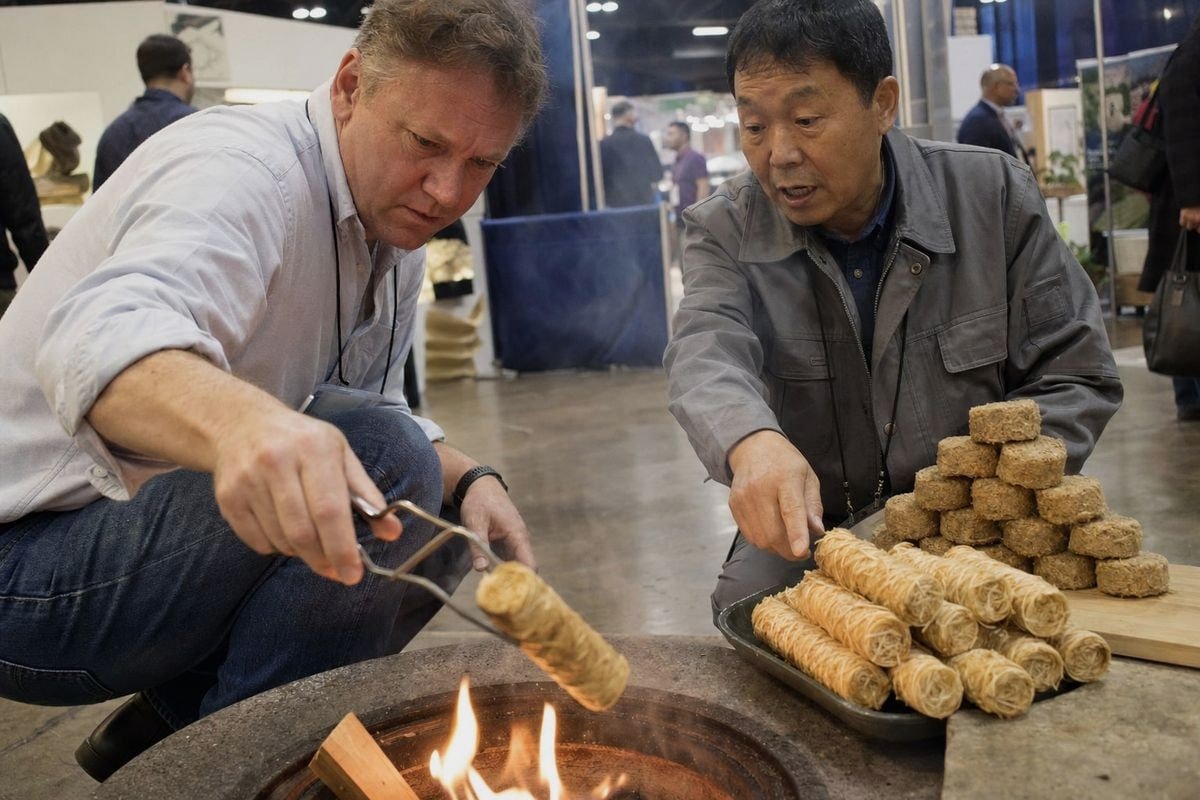
Every year we exhibit at trade fairs 4, and every year I watch buyers pick up our wax-dipped wood rolls, smell them, weigh them, and light one on the spot. No online listing can replicate that moment.
Neither channel alone is enough. B2B platforms excel at fast discovery, RFQs, and comparing many wood fire starters suppliers at once. Trade shows excel at verifying capability through physical sample inspection and direct technical questioning. Screen on platforms first, then validate finalists in person.
Here is the honest comparison, based on years of sitting on the supplier side of both channels:
| Criterion | B2B Platforms | Trade Shows |
|---|---|---|
| Speed | Fast — shortlist in days | Slow — event calendar dependent |
| Reach | Global, thousands of listings | Limited to exhibitors present |
| Verification depth | Profile-based, varies by platform | Strong — inspect, question, compare live |
| Cost | Low upfront | Travel, time, attendance fees |
| Best use | Discovery and initial screening | Validation and final selection |
What platforms actually verify
Platforms like Alibaba, Global Sources 5, and Europages promote "verified supplier" badges. These checks vary widely. Some confirm only that a business license exists. Others review trade history, bank details, and physical addresses. Treat the badge as a screening signal, not a guarantee. Also search under multiple category names — fire starters, firelighters, ecological fire lighters, wood wool fire starters — because this niche is fragmented and good factories hide under different terms.
What trade shows reveal that listings cannot
At a booth, you can compare wood wool density between suppliers side by side. You can ask the person in front of you how paraffin ratios 6 affect burn time — and see whether they answer like an engineer or a salesperson. You can check packaging quality, warning labels, and export-readiness in thirty seconds. When buyers visit us at fairs, the deepest conversations are always about production tolerances, not price. That is exactly the conversation a trader cannot hold.
The smart workflow: build a shortlist of eight to ten suppliers online, then meet the top three in person or request a factory audit.
What questions should I ask to confirm consistent batch-to-batch quality from my supplier?
Early in our factory's history, we learned a hard lesson: one batch of wood wool with higher moisture content changed burn time noticeably. Since then, incoming material inspection has been non-negotiable on our lines.
Ask how raw materials are inspected on arrival, what in-process checks run during waxing and forming, whether burn tests are performed per batch, and how QC records are documented. Then request that your first sample come from a standard production run, not a hand-picked lab batch.
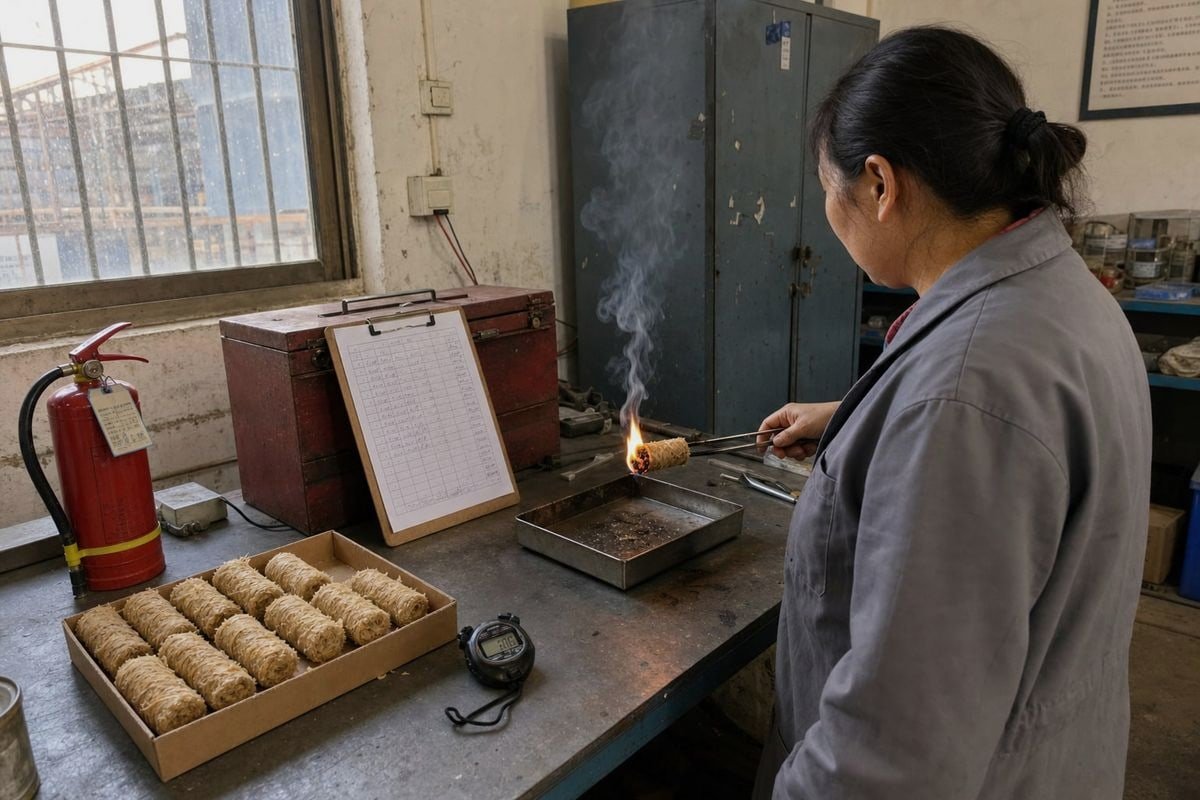
Consistency is where fire starters live or die at retail. A customer who buys a pack that ignites in five seconds expects the next pack to do the same. If batch two smokes heavily or burns out in half the time, you get returns, complaints, and a delisting risk.
The questions that expose weak QC
Ask these directly, and pay attention to how specific the answers are:
- How do you control wood wool moisture and density between batches?
- What is your wax-to-fiber ratio, and how tightly is it held?
- Do you run ignition and burn-time tests on every production batch?
- Can I see QC records from your last three shipments?
- What happens when a batch fails inspection — rework, or scrap?
- Is the sample you send me from mass production or a lab bench?
A factory with real quality systems answers with numbers and process names. Vague answers like "we always check quality carefully" are a warning sign.
Run your own burn tests
Never rely on supplier data alone. When samples arrive, test ignition time, total burn duration, flame height, and smoke output across multiple pieces from the same batch. Then order a small trial run and test again. Comparing trial-order pieces against original samples is the single most reliable consistency check available to you. On our side, we design our process so the first sample honestly reflects mass production — because we know a serious buyer will test both, and any gap destroys trust permanently.
Also verify raw material claims. Whether a supplier uses genuine reclaimed wood waste 7 or virgin timber affects cost, sustainability claims, and consistency. Ask for traceability, especially if your brand markets an eco-friendly position.
How do I choose a wood fire starter manufacturer that supports private-label and flexible MOQ trial orders?
A US distributor recently came to us with a design file, a barcode list, and a tight retail deadline. Our packaging team turned his branded display boxes around alongside the trial order — because we built the factory for exactly that kind of request.
Choose a factory with in-house OEM/ODM capability: custom sizes, burn times, printed retail boxes, warning labels, and barcodes. Confirm they accept a genuinely small trial MOQ, and check whether trial-order pricing and quality carry over honestly to repeat bulk orders.
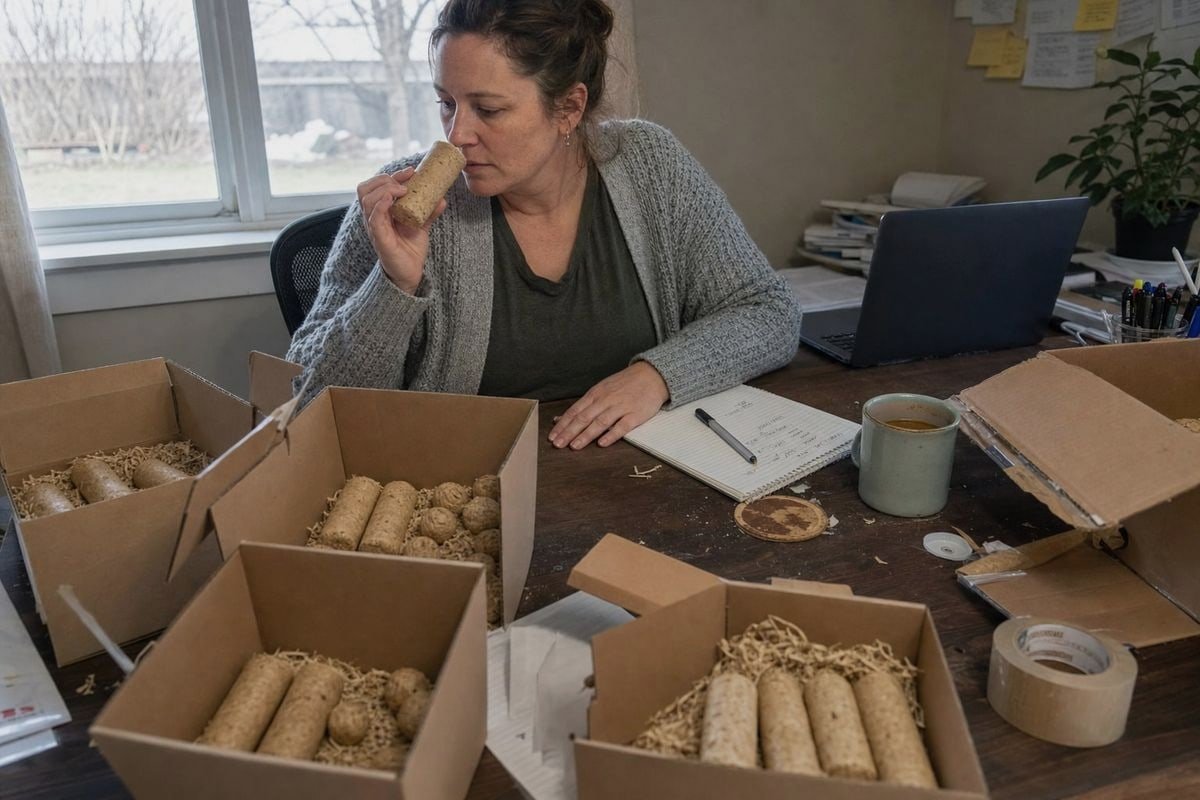
Private label is where the gap between manufacturers and traders becomes widest. A trader can slap a sticker on a stock box. A true manufacturer can adjust the product itself — roll size, wax coating, burn duration — and build shelf-ready retail packaging around it.
What real private-label support includes
| Capability | Trader / Reseller | True Manufacturer |
|---|---|---|
| Custom product size and burn time | Rarely — stock only | Yes — production line adjustment |
| Branded retail boxes and displays | Sticker or sleeve at best | Full custom print, structure, inserts |
| Warning labels and compliance text | Often generic or missing | Market-specific, regulation-aware |
| Barcodes and retail-ready packing | Limited | Standard part of OEM service |
| Trial MOQ flexibility | Depends on their supplier | Direct control over run size |
How to test MOQ flexibility before committing
A flexible MOQ policy is only useful if it comes with honest conditions. Ask three things. First, what is the minimum trial quantity, and does it include your branding or plain packaging only? Second, how does the unit price change from trial to bulk — and is that scale written down? Third, will the trial batch run on the same line, with the same materials, as future bulk orders? In our experience exporting to more than thirty countries, buyers who start with a small branded trial and scale over two or three reorders build the strongest long-term programs. A supplier who pushes you into a large first order, or refuses branding on trial runs, is optimizing for their convenience, not your risk.
Finally, evaluate communication. Private-label projects involve artwork revisions, label regulations, and logistics coordination. If English responses are slow or unclear at the quoting stage, they will be worse mid-production.
Conclusion
Weak supplier verification costs seasons, shelf space, and reputation. Use B2B platforms to build your shortlist fast, then trade shows, audits, and trial orders to prove real capability. Our factory welcomes exactly that scrutiny — verified certifications, tested samples, and small branded trials are how lasting partnerships start.
Footnotes
1. Authoritative source explaining the BSCI social compliance audit standard referenced in the article. ↩︎
2. Official amfori BSCI site verifies the social compliance audit standard referenced by buyers. ↩︎
3. Direct link to a leading third-party testing body for verifying certification reports. ↩︎
4. Background context on trade fairs as a supplier verification channel discussed in the article. ↩︎
5. Official B2B sourcing platform mentioned as a discovery channel for suppliers. ↩︎
6. Explains paraffin wax properties relevant to burn time and coating ratios discussed. ↩︎
7. FSC certifies sustainable wood sourcing, relevant to verifying raw material traceability claims. ↩︎

 English
  Spanish
  German
  French
  Arabic
  Portuguese
Join the Conversation