






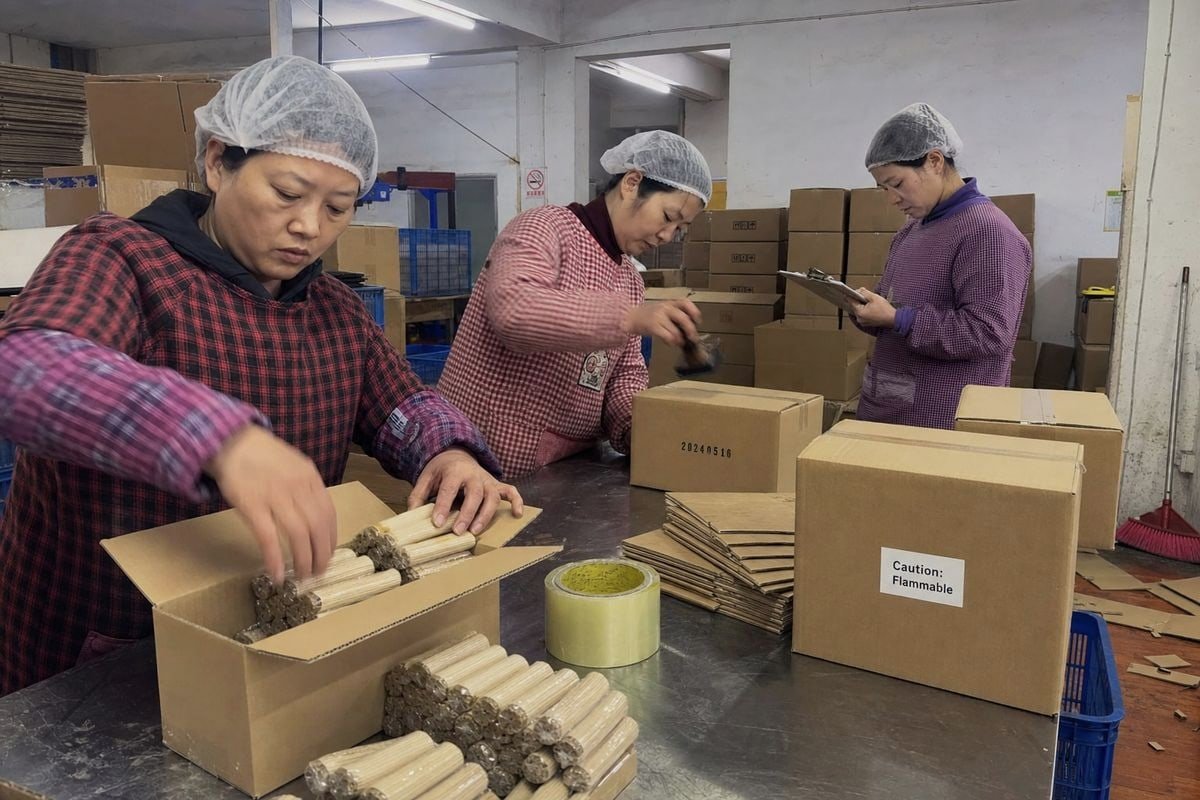
GPSR-Herstellerpflichten 1 für Holzanzünder überraschte viele unserer europäischen Käufer. An unserer Produktionslinie sahen wir, wie Bestellungen am Zoll wegen fehlender Unterlagen ins Stocken gerieten, von denen niemand zuvor etwas erwähnt hatte.
Markeninhaber erfüllen die GPSR-Herstellerpflichten für Holzanzünder, indem sie als gesetzlicher Hersteller fungieren: Durchführung einer dokumentierten Risikobewertung, Aufbewahrung einer technischen Akte für zehn Jahre, Benennung eines EU-verantwortlichen Vertreters, wenn sie außerhalb der EU ansässig sind, und Anbringung einer rückverfolgbaren, chargengekennzeichneten Kennzeichnung.
Dieser einzelne Satz deckt viel ab. Lassen Sie mich jede Anforderung in praktische Schritte aufteilen, die Sie mit Ihrem Lieferanten tatsächlich umsetzen können.
Welche Dokumentation benötige ich, um die GPSR-Konformität für meine Holzanzünder nachzuweisen?
Ein deutscher Händler schickte uns einmal ein einseitiges Lieferantenzertifikat und fragte, ob es für GPSR ausreicht. Wir mussten ihm ehrlich sagen: Es war nicht einmal annähernd ausreichend.
Sie benötigen eine technische Dokumentationsdatei, die eine Produktbeschreibung, die Materialzusammensetzung, eine interne Risikoanalyse, Prüfnachweise, Anweisungen zur sicheren Verwendung, Warnhinweise und Rückverfolgbarkeitsaufzeichnungen enthält. Diese Datei muss vorhanden sein, bevor das Produkt in den Verkauf geht, und zehn Jahre lang verfügbar bleiben.

Die technische Akte ist das Rückgrat der GPSR-Konformität. Marktüberwachungsbehörden 2 können sie jederzeit anfordern. Wenn Sie sie nicht vorlegen können, kann Ihr Produkt aus den Regalen genommen werden, auch wenn nie etwas schiefgegangen ist. In unseren über siebzehn Jahren der Lieferung von Anzündprodukten nach Deutschland, Frankreich, die Niederlande und Polen haben wir gelernt, dass eine gut organisierte Akte auch die Einarbeitung im Einzelhandel beschleunigt. Große Einkaufsabteilungen fragen oft nach denselben Dokumenten, bevor sie ein Produkt listen.
Was gehört in die Akte
Für einen mit Wachs getauchten Holzanzünder sollte Ihre Akte das exakte Produkt abdecken, das Sie verkaufen. Ein generisches Zertifikat für "Anzünder" beschreibt nicht Ihre spezifische Wachsmischung, die Dichte der Holzwolle oder das Verpackungsformat. Regulierungsbehörden wünschen produktspezifische Nachweise.
| Dokument | Was es zeigen muss | Wer liefert sie normalerweise |
|---|---|---|
| Produktbeschreibung | Materialien, Abmessungen, Wachs-zu-Faser-Verhältnis, bestimmungsgemäße Verwendung | Fabrik, verifiziert durch Markeninhaber |
| Risikoanalyse | Brand-, Verbrennungs-, chemische und Missbrauchsgefahren bewertet | Markeninhaber, mit Input der Fabrik |
| Testberichte | Brandverhalten, Zusammensetzungsprüfung (z. B. SGS/Intertek) | Drittanbieterlabor |
| Anweisungen und Warnungen | Sichere Verwendung, Lagerung, Entsorgung, in lokalen Sprachen | Markeninhaber |
| Rückverfolgbarkeitsaufzeichnungen | Chargencodes, Lieferkette, Vertriebsaufzeichnungen | Beide Parteien |
Eine Akte pro Produktvariante
Wenn Sie eine 24-teilige Kraftbox und einen 100-teiligen Einzelhandelskarton verkaufen, behandeln Sie diese als separate Konfigurationen. Die Kernrisikodaten überschneiden sich, aber Verpackung, Warnungen und Chargenkennzeichnung unterscheiden sich. Wir helfen unseren OEM-Kunden, variantenbezogene Akten zu führen, da deren Vermischung ein häufiger Prüfungsfehler ist.
Denken Sie auch an chemische Überschneidungen. Anzünder, die Paraffin oder Beschleuniger enthalten , können REACH-Prüfungen 3 zusätzlich zu GPSR auslösen. Bewahren Sie diese Stofferklärungen in derselben Akte auf, damit nichts verloren geht.
Wie kann ich überprüfen, ob mein Hersteller Risikobewertungen gemäß GPSR durchführt?
Es gibt einen Kompromiss, den wir mit jedem neuen EU-Käufer besprechen: Geschwindigkeit auf dem Markt versus Tiefe der Gefahrenkartierung. Das Überspringen des zweiten, um das erste zu erreichen, kostet später immer mehr.
Überprüfen Sie Ihren Hersteller, indem Sie dessen schriftliche Risikoanalyse für Ihr exaktes Produkt anfordern, prüfen, ob diese Zündungs-, Flammen-, Lagerungs- und Missbrauchsszenarien abdeckt, bestätigen, dass die Testberichte von Drittanbietern mit Ihrer Formulierung übereinstimmen, und die Qualitätskontrollaufzeichnungen auf Chargenebene prüfen.
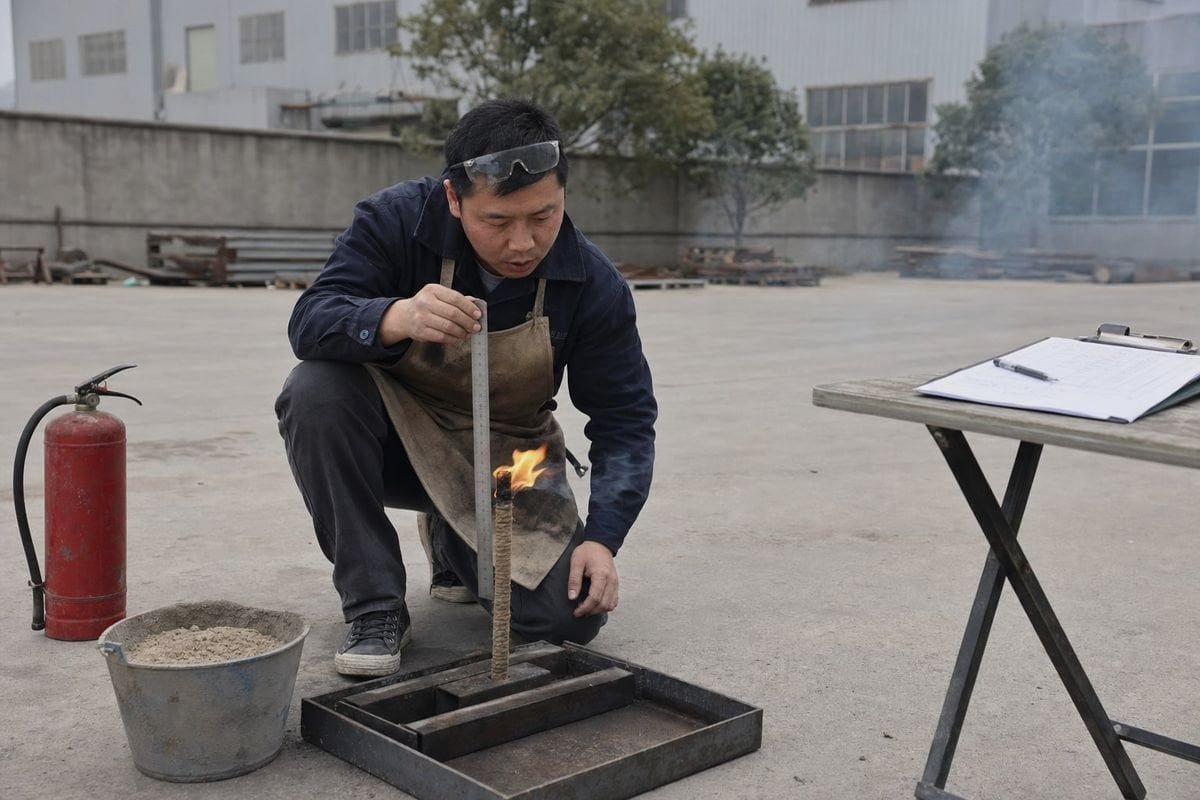
Hier ist die unbequeme Wahrheit: Unter GPSR ist die Risikobewertung rechtlich Ihre Verantwortung als Markeninhaber, auch wenn Ihre Fabrik sie erstellt. Die Überprüfung ist also keine optionale Höflichkeit. Es ist Ihre Überprüfung von Arbeiten, die Ihren Namen tragen. Wenn unsere Ingenieure Verbrennungstests an mit Wachs getauchten Holzrollen durchführen, dokumentieren wir Flammenhöhe, Brenndauer und Rückstandsverhalten unter verschiedenen Luftfeuchtigkeitsbedingungen, da feuchte Holzwolle anders brennt als trockene Ware. Eine seriöse Fabrik wird Ihnen diese Daten ohne zu zögern zeigen.
Die Gefahren, die eine echte Bewertung abdecken muss
Bitten Sie Ihren Lieferanten, Sie durch jeden dieser Punkte zu führen. Wenn sie es nicht können, ist das Ihre Antwort.
- Versehentliche Zündung während Lagerung und Transport, einschließlich Hitzeeinwirkung in Versandcontainern.
- Aufwallen und Flammenhöhe wenn der Wachsgehalt hoch oder ungleichmäßig aufgetragen ist.
- Kippen, Tropfen und Glutverbreitung während der Verwendung auf Grills oder offenen Feuerstellen.
- Wärmeübertragung auf nahegelegene brennbare Verpackungen oder Oberflächen.
- Rauch und Dämpfe, insbesondere vorhersehbare Indoor-Fehlbenutzung.
- Kindlicher Zugang, einschließlich des Risikos, dass Anzünder mit Snacks verwechselt werden – eine echte Sorge, da Holzwolle-Rollen 4 optisch Gebäck ähneln können.
- Haltbarkeitsverlust, wo Feuchtigkeitseintritt verändert das Brandverhalten im Laufe der Zeit.
Fragen, die echte Fabriken von Händlern trennen
Fragen Sie, wer die Bewertung durchgeführt hat und wann. Fragen Sie nach den rohen Brandtestdaten, nicht nur nach der Schlussfolgerung. Fragen Sie, wie Chargenkonstanz 5 kontrolliert wird, denn eine Risikobewertung, die auf einem perfekten Muster basiert, bedeutet wenig, wenn die Massenproduktion abweicht. Unser ISO 9001-Prozess verbindet jede Charge mit Inspektionsaufzeichnungen, und diese Verbindung ist genau das, was Sie von jedem Lieferanten verlangen sollten.
Wer qualifiziert sich als verantwortliche Person für meine Produkte gemäß den GPSR-Vorschriften?
Ein in Großbritannien ansässiger Käufer fragte uns letztes Jahr, warum seine EU-Bestellungen beanstandet wurden, obwohl seine Lieferantendokumentation in Ordnung aussah. Das fehlende Teil war ein Verantwortlicher 6 innerhalb der EU.
Der Verantwortliche muss ein Wirtschaftsakteur sein, der in der EU niedergelassen ist: ein in der EU ansässiger Hersteller, Importeur, Bevollmächtigter oder Fulfillment-Dienstleister. Ihr Name und ihre Kontaktdaten müssen auf dem Produkt oder der Verpackung erscheinen, bevor es in der EU verkauft werden kann.
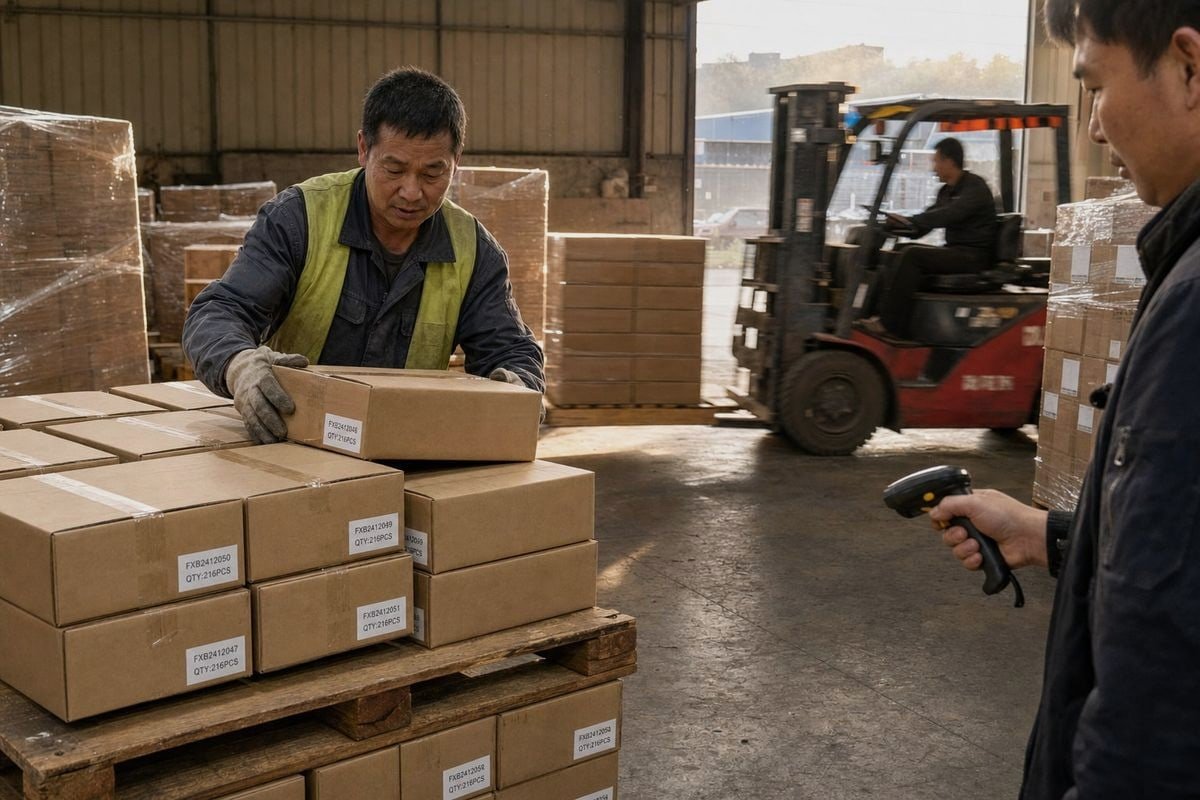
Wenn Ihre Marke ihren Hauptsitz in den USA, Großbritannien oder außerhalb der EU hat, dürfen Sie keine Feueranzünder auf dem EU-Markt in Verkehr bringen, ohne diesen benannten Betreiber. Der Verantwortliche bewahrt eine Kopie Ihrer technischen Unterlagen auf, kooperiert mit den Marktüberwachungsbehörden und überprüft, ob die erforderlichen Kennzeichnungen und Anweisungen vorhanden sind. Betrachten Sie ihn als den garantierten Ansprechpartner der EU, wenn schnell etwas beantwortet werden muss.
Ihre vier Optionen im Vergleich
| Option | Am besten für | Wichtige Überlegung |
|---|---|---|
| In der EU ansässiger Importeur | Marken, die über einen Haupt-EU-Distributor verkaufen | Die Angaben des Importeurs kommen auf Ihre Verpackung |
| Bevollmächtigter Vertreter | Marken, die direkt oder über Marktplätze verkaufen | Ein kostenpflichtiger Service; hält Ihre Lieferkette flexibel |
| EU-Tochtergesellschaft | Größere Marken mit EU-Betrieb | Volle Kontrolle, höhere Gemeinkosten |
| Fulfillment-Dienstleister | Marktplatzverkäufer, die EU-Lager nutzen | Der Anbieter muss die Rolle formell annehmen |
Praktische Punkte, auf die wir Käufer hinweisen
Wählen Sie basierend auf Ihrem Vertriebskanal, nicht nur nach Kosten. Wenn Sie über mehrere EU-Distributoren verkaufen, vermeidet ein bevollmächtigter Vertreter, dass der Name eines Distributors auf Lager gedruckt wird, das auch andere verkaufen. Holen Sie sich die Ernennung schriftlich, denn der Verantwortliche muss die Verpflichtungen formell annehmen. Und planen Sie das Artwork frühzeitig: Wir drucken die Angaben des Verantwortlichen direkt auf private Etikettenkartons während der Produktion, was weitaus günstiger ist als das Bekleben Tausender Kartons nach der Ankunft. Marktplätze wie Amazon prüfen diese Angaben jetzt im Listing-Stadium, sodass fehlende Informationen Ihr Produkt blockieren können, bevor es überhaupt einen Zollbeamten erreicht.
Welche Kennzeichnungs- und Rückverfolgbarkeitsdetails muss ich gemäß den GPSR-Standards angeben?
Die Chargenkennzeichnung hat uns vor Jahren eine harte Lektion gelehrt. Ein früherer Kunde mischte zwei Produktionsläufe in einem Karton, und ein geringfügiges Verpackungsproblem wurde zu einer vollständigen Sendungsuntersuchung anstelle einer schnellen Lösung.
Ihr Etikett muss den Namen des Herstellers, die eingetragene Adresse und E-Mail-Adresse, die Angaben des EU-Verantwortlichen, falls zutreffend, eine Chargen- oder Losnummer, die Produktidentifikation und Sicherheitshinweise mit Anweisungen in den Amtssprachen jedes EU-Landes, in dem Sie verkaufen, enthalten.

Rückverfolgbarkeit existiert aus einem Grund: Wenn etwas schief geht, müssen Sie jede betroffene Einheit schnell finden können. Die GPSR erwartet, dass Sie wissen, was Sie gekauft haben, wer es geliefert hat und wohin Sie es versandt haben. Ein sauberes Chargensystem verwandelt einen potenziellen Rückruf Ihres gesamten Katalogs in eine gezielte Aktion auf einen Produktionslauf.
Die Checkliste für Etiketten
| Element | Anforderung | Häufiger Fehler |
|---|---|---|
| Herstelleridentität | Name und Postanschrift des Markeninhabers | Nur eine Website oder ein Postfach angeben |
| EU-verantwortliche Person | Name und Kontaktdaten auf Produkt oder Verpackung | Weglassen für Nicht-EU-Marken |
| Charge/Chargennummer | Haltbar, leserlich, mit Produktionsaufzeichnungen verbunden | Nur auf einer abnehmbaren Hülle drucken |
| Warnungen | Entflammbarkeit, von Kindern fernhalten, Belüftung | Nur englischer Text in nicht-englischen Märkten |
| Anweisungen | Hinweise zur sicheren Verwendung, Lagerung und Entsorgung | Kopieren von generischem Feueranzündertext |
Sprache und Haltbarkeit
Warnhinweise müssen in der Amtssprache jedes Mitgliedstaates erscheinen, in dem das Produkt verkauft wird. Für unsere Kunden, die nach Deutschland, Frankreich, Polen und in die Niederlande versenden, gestalten wir von Anfang an mehrsprachige Tafeln in das Karton-Artwork ein. Die Druckqualität ist ebenfalls wichtig. Ein Chargencode, der sich von einer Wachsbeschichtung abwischt, erfüllt nicht die Haltbarkeitserwartung, daher kennzeichnen wir Kartons und Innenverpackungen anstelle der gewachsten Rollen selbst.
Bauen Sie die Kette auf, bevor Sie sie brauchen
Bewahren Sie Lieferantenrechnungen, Produktionsdaten, Versandaufzeichnungen und Kundenvertriebslisten chargennummerbezogen auf. Wir weisen Chargencodes bei der Produktion zu und tragen sie durch QC-Berichte und Packlisten, sodass unsere OEM-Kunden eine fertige Rückverfolgbarkeitskette. erben. Vorausschauende Marken strukturieren diese Aufzeichnungen auch mit Blick auf zukünftige Digitales Produkt-Pass 7 Anforderungen, da die EU-Rückverfolgbarkeitsregeln nur noch strenger werden.
Schlussfolgerung
Die Einhaltung der GPSR ist keine reine Bürokratie. Sie schützt Ihre Marke vor blockierten Lieferungen und Rückrufen. Erstellen Sie die Akte, benennen Sie Ihre verantwortliche Person, kennzeichnen Sie jede Charge – und arbeiten Sie mit einer Fabrik zusammen, die alles mit Ihnen dokumentiert.
Fußnoten
Links direkt zum offiziellen EU-Verordnungstext, der diese Verpflichtungen für Hersteller definiert. ↩︎
Offizielle EU-Seite, die beschreibt, wie Marktüberwachungsbehörden die Produktsicherheitsvorschriften durchsetzen. ↩︎
ECHA erläutert die REACH-Registrierungsvorschriften für Wachs- und Beschleunigerkomponenten. ↩︎
Hintergrundinformationen, die das in diesen Feuerstartern verwendete Holzwollmaterial erklären. ↩︎
Die Norm ISO 9001 untermauert Qualitätsmanagementsysteme, die konsistente Produktionschargen gewährleisten. ↩︎
Die Europäische Kommission erläutert die Rolle der verantwortlichen Person nach dem EU-Produktsicherheitsrecht. ↩︎
Hintergrundinformationen, die diese neue EU-Rückverfolgbarkeitsanforderung erläutern, die im Text erwähnt wird. ↩︎


 English
  Spanish
  German
  French
  Arabic
  Portuguese
Diskutieren Sie mit