






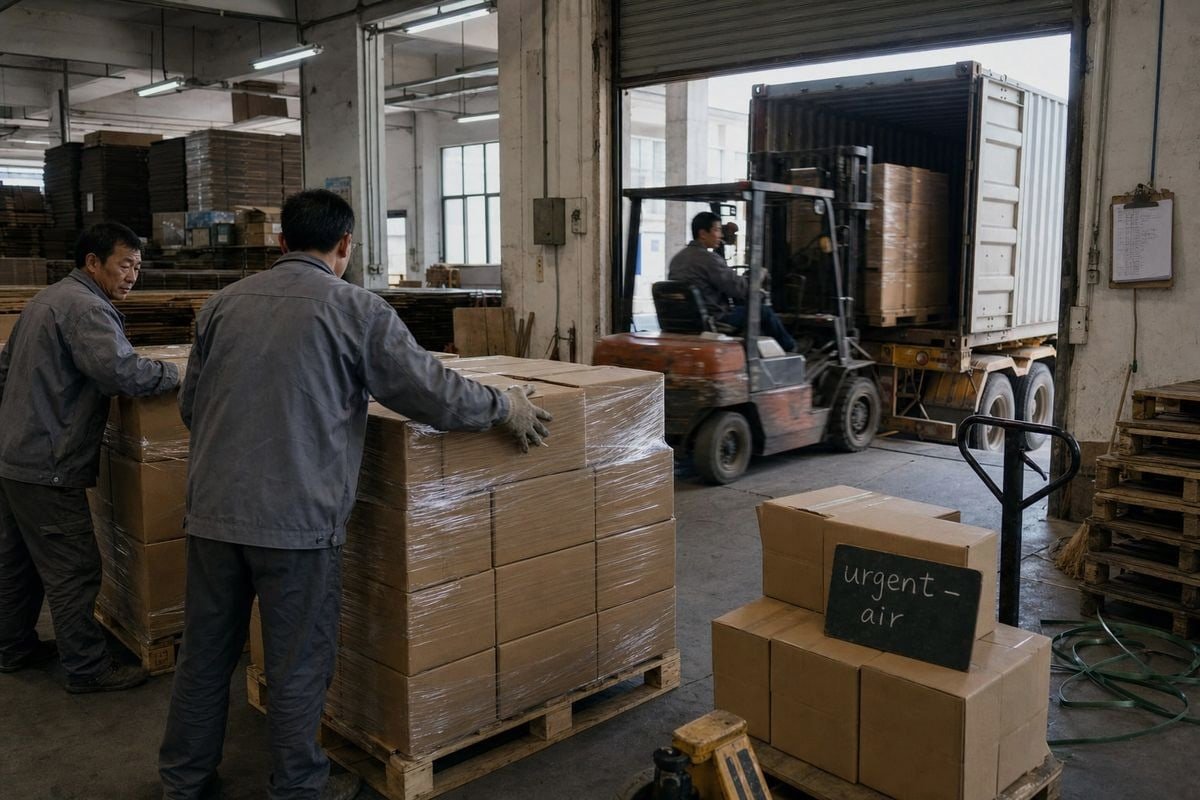
Holzanzünder-Sendungen nach Kanada schmälern oft leise die Marge. Auf unserer Exportlinie haben wir beobachtet, wie Käufer zu viel für Geschwindigkeit bezahlten, die sie nie brauchten – bis die Rechnung schließlich aufging.
Um Geschwindigkeit und Kosten für Holzanzünder-Sendungen nach Kanada auszugleichen, passen Sie die Versandart an die Dringlichkeit der Bestellung an: Nutzen Sie Seefracht für geplante Großbestände, Luft-zu-Hub-Hybrid für Nachschub und bündeln Sie Pakete zu Paletten. Kontrollieren Sie die Verpackungsdichte und berechnen Sie die vollständigen Landungskosten vor der Buchung.
Diese Antwort klingt einfach. In der Praxis hängt sie von vier Entscheidungen ab. Lassen Sie mich Sie durch jede einzelne führen, basierend auf dem, was wir beim Versand von Wachs-getränkten Holzrollen in den kanadischen Markt gelernt haben.
Welche Versandmethoden bieten mir das beste Verhältnis von Geschwindigkeit zu Kosten für Bestellungen nach Kanada?
Letzten Winter bat uns ein kanadischer Kaminvertreiber, drei Frachtmodi nebeneinander zu kalkulieren. Die Zahlen nebeneinander zu sehen, veränderte seinen gesamten Bestellrhythmus – und senkte seine Kosten pro Einheit um fast ein Drittel.
Seefracht bietet die niedrigsten Kosten bei 20–40 Tagen Transit; Luftfracht liefert in etwa 5–10 Tagen zu einem Aufpreis; ein Hybridmodell — Luft oder See zu einem kanadischen Knotenpunkt, dann Inlandstransport — bietet normalerweise das beste Verhältnis von Geschwindigkeit zu Kosten für wiederkehrende Holzanzünderbestellungen.
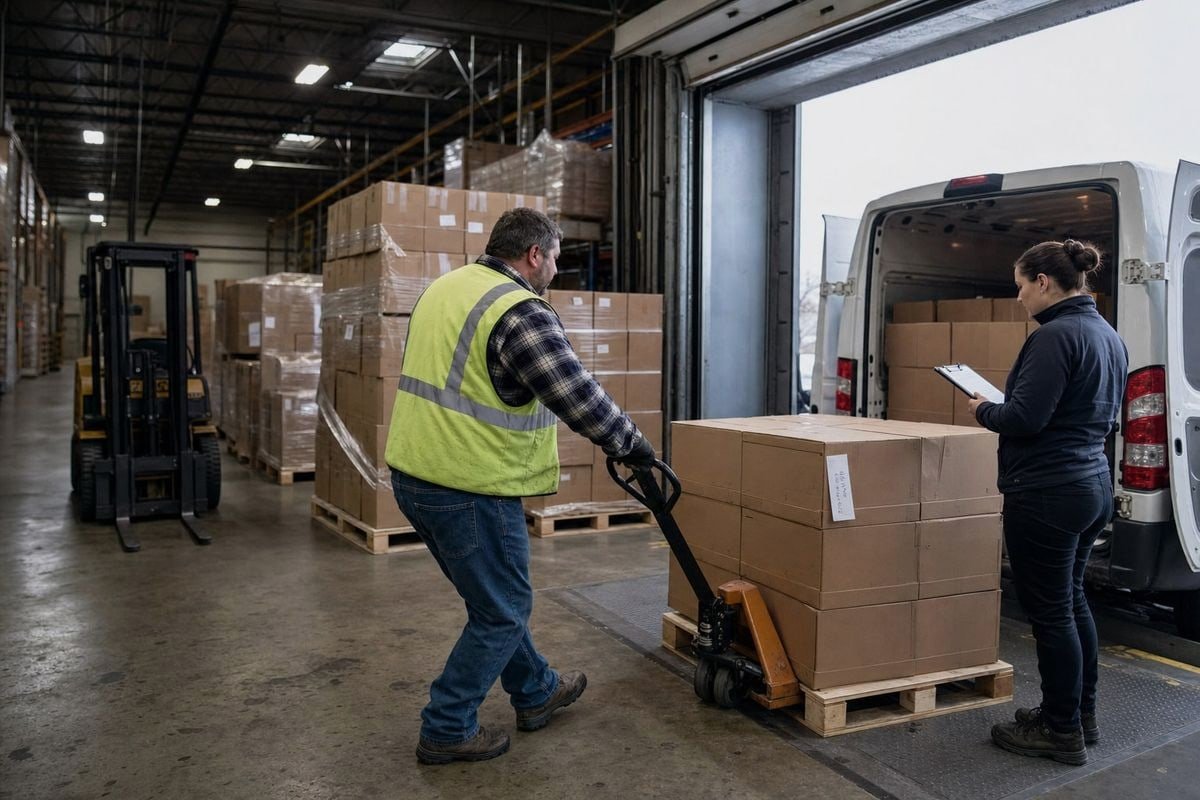
Es gibt keine einzige "beste" Methode. Es gibt nur die beste Methode für ein bestimmtes Bestellprofil. Hier sind die Hauptoptionen im Vergleich für eine typische B2B-Holzanzünder-Sendung von unserem Produktionsstandort Ningbo nach Kanada:
| Versandmethode | Typische Transitzeit | Relative Kosten | Am besten für |
|---|---|---|---|
| Seefracht (FCL/LCL) | 20–40 Tage | Am niedrigsten | Saisonale Großbestände, geplante Lagerhaltung |
| Standard-Luftfracht | 5–10 Tage | Hoch | Dringende Nachbestellungen, Produkteinführungen |
| Expresskurier (DHL/FedEx) | 3–7 Tage | Höchste | Muster, kleine Testbestellungen |
| Hybrid (Fracht zu Drehkreuz + Boden) | 10–20 Tage gesamt | Niedrig-mittel | Wiederkehrende Bestellungen mit stetiger Nachfrage |
Warum das Hybridmodell für die meisten Käufer gewinnt
Für die meisten unserer kanadischen Distributoren trifft die Hybridroute den richtigen Punkt. Die Fracht wird in großen Mengen zu einem Drehkreuz in der Nähe von Vancouver oder Toronto transportiert. Dann übernehmen inländische Spediteure wie Post Canada 1, Purolator oder UPS Standard die letzte Meile. Der inländische Bodentransport in Kanada dauert normalerweise etwa fünf Werktage, während der beschleunigte Inlandsdienst Kunden innerhalb von ein bis drei Tagen erreichen kann. Sobald Ihr Lagerbestand in Kanada ist, erhalten Sie eine schnelle Zustellung auf der letzten Meile, ohne internationale Expressgebühren für jeden Karton zahlen zu müssen.
Wann sich Geschwindigkeit tatsächlich auszahlt
Geschwindigkeit lohnt sich in zwei Fällen. Erstens, ein Ausverkauf während der Spitzenzeiten im Herbst und Winter, wenn jede verlorene Woche verlorene Regalverkäufe bedeutet. Zweitens, die Einführung einer neuen Eigenmarke mit einem festen Verkaufstermin. Außerhalb dieser Situationen schützt langsamer und billiger fast immer die Marge besser. Wir sagen den Käufern offen: Holzanzünder sind nicht verderblich, also lassen Sie den Kalender die Arbeit machen, die Expressgebühren sonst erledigen würden.
Wie kann ich Zollverzögerungen und unerwartete Gebühren an kanadischen Häfen vermeiden?
Eine Lektion, die wir in unseren 17 Jahren Exporterfahrung früh gelernt haben: Eine Sendung ist nur so schnell wie ihre Papiere. Eine einzige vage Produktbeschreibung hat einmal den Container eines Kunden tagelang am Hafen festgehalten.
Vermeiden Sie Verzögerungen im kanadischen Zoll, indem Sie eine vollständige Handelsrechnung, den korrekten HS-Code, genaue Zusammensetzungsangaben (wie Holzfaser- und Paraffinprozentsätze) und die erforderlichen Sicherheitsdokumente bereitstellen. Organisieren Sie die Zollabfertigung im Voraus, berechnen Sie Zölle und GST im Voraus und stellen Sie sicher, dass Ihre Feuerzeuge eine konforme Kennzeichnung tragen.
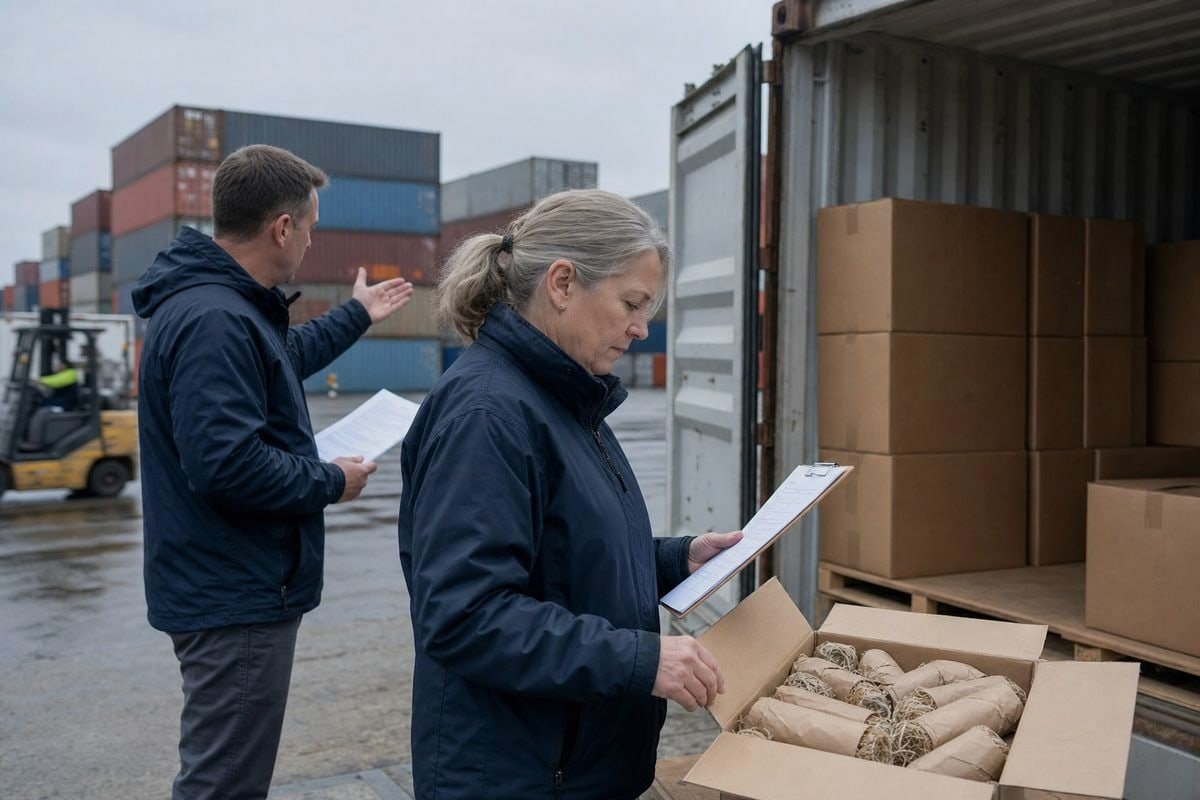
Der Zoll ist der Ort, an dem "günstige Fracht" teure Fracht wird. Maklergebühren 2, Zollnachbewertungen und Inspektionssperren können alles zunichtemachen, was Sie an Basisraten gespart haben. Die Lösung ist Vorbereitung, nicht Glück.
Klassifizieren Sie richtig beim ersten Mal
Holzanzünder aus Holzfaser und Paraffin fallen in einen spezifischen Tarifbereich 3. Wenn Ihr Lieferant sie vage als "Holzprodukte" oder "Kerzen" deklariert, kann der kanadische Zoll die Sendung zur Inspektion markieren. Da unsere Anzünder aus umweltfreundlichem Holz und Wachs ohne schädliche chemische Beschleuniger hergestellt werden, vermeiden sie im Allgemeinen Gefahrgutklassifizierung 4 – aber Sie müssen in der Lage sein, die Zusammensetzung nachzuweisen. Wir liefern SGS- und Intertek-Prüfberichte 5 bei jeder Exportlieferung aus genau diesem Grund. Käufer, die Zusammensetzungsdokumente im Voraus vorlegen, sehen selten Verzögerungen.
Kalkulieren Sie die Landed Cost, nicht die Frachtkosten
Ein Frachtangebot ist nicht der tatsächliche Preis. Die Landed Cost beinhaltet:
- Grundfracht (See, Luft oder Kurier)
- Einfuhrzölle basierend auf der HS-Klassifizierung
- Am Einfuhrort erhobene GST/HST
- Zollmaklergebühren
- Hafenabfertigung und eventuelle Inspektionsgebühren
Wir ermutigen Käufer immer, vor dem Vergleich von Lieferanten oder Spediteuren einen vollständigen Kostenvoranschlag für die Landed Cost anzufordern. Ein Angebot, das auf der Frachtlinie günstiger aussieht, kann an der Rampe teurer sein. Einer unserer europäischen Kunden wandte diese gleiche Disziplin auf eine kanadische Expansion an und vermied eine böse Überraschung: Maklergebühren für viele kleine Pakete hätten die Zölle auf einer konsolidierten Palette überstiegen.
Kennzeichnung ist am Zoll und im Regal wichtig
Der kanadische Einzelhandel erfordert ordnungsgemäße Warnhinweise und in vielen Kanälen zweisprachige Verpackungen. Da wir den Druck von Eigenmarken, Warnhinweisen und Barcodes intern erledigen, bauen wir die Konformität in die Verpackung ein, bevor sie das Werk verlässt. Das beseitigt eine ganze Kategorie von Zollrisiken.
Sollte ich meine Holzanzünder-Lieferungen konsolidieren, um Frachtkosten zu senken?
Ein Käufer in Ontario tätigte früher vier kleine monatliche Bestellungen bei uns. Als wir die Zahlen gemeinsam durchgingen, senkte eine vierteljährliche Sammelsendung seine Frachtkosten um mehr als die Kosten für zusätzlichen Lagerplatz.
Ja — Konsolidierung senkt fast immer die Frachtkosten pro Einheit für Holzfeueranzünder. Die Zusammenfassung von Paketen zu ganzen Paletten oder Containern verteilt Fixkosten auf mehr Einheiten, ermöglicht bessere Frachttarife, reduziert Maklergebühren pro Bestellung und ermöglicht die Zonenüberspringung zu kanadischen Distributionszentren.
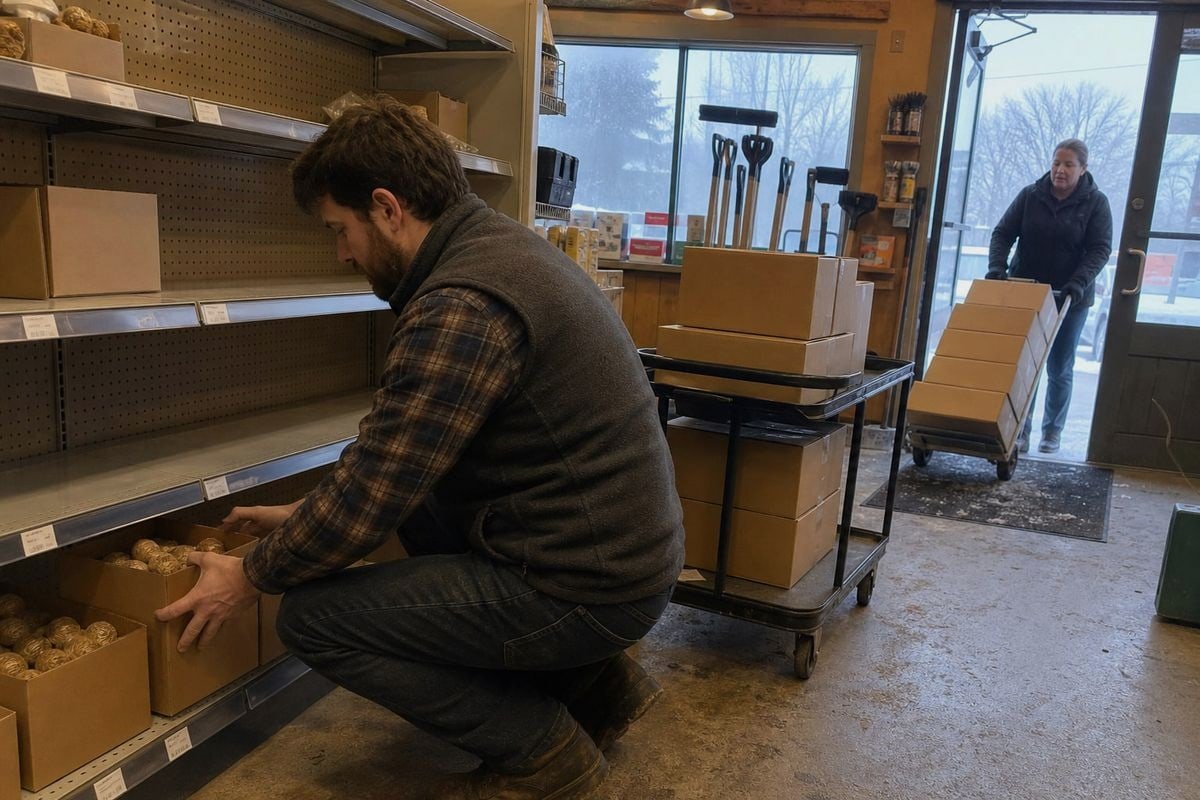
Feuerstarter sind leicht, aber sperrig. Diese Kombination macht sie zu einem der schlechtesten Produkte für den Versand als einzelne Pakete – und zu einem der besten für die Konsolidierung.
Die Falle des Volumengewichts
Kanadische Spediteure berechnen Pakete nach dem größeren Wert von tatsächlichem Gewicht oder Volumengewicht 7. Holz-Woll-Rollen und Wachspucks wiegen wenig, aber ihre Kartons nehmen Platz ein. Daher berechnen Paketdienste Ihnen, als ob die Kartons schwer wären. Konsolidierung zu palettierter Fracht umgeht dieses Problem, da Palettenfrachtraten Dichte und Volumenverpflichtungen belohnen.
| Versandansatz | Wie die Kosten berechnet werden | Stückkosten-Auswirkung |
|---|---|---|
| Einzelne Pakete | Größerer Wert von tatsächlichem vs. Volumengewicht, pro Karton | Am höchsten – sperrige, leichte Produkte werden bestraft |
| Mehrere kleine Pakete | Dasselbe, plus wiederholte Makler-/Bearbeitungsgebühren | Hoch – feste Gebühren wiederholen sich bei jeder Sendung |
| Konsolidierte Paletten (LTL) | Palettenplatz und Frachtklasse | Mittel – feste Gebühren werden auf Einheiten verteilt |
| Vollcontainer (FCL) | Pauschalpreis pro Container | Am niedrigsten – am besten für saisonale Großbestellungen |
Verpackungsdichte ist eine Frachtstrategie
Konsolidierung funktioniert am besten, wenn das Produkt selbst dicht verpackt ist. In unserer Produktionslinie pressen wir wachsbefeuchtete Holzrollen zu gleichmäßigen Zylindern und gestalten Einzelhandelsverpackungen – wie unsere 100-teiligen Kartons –, die mit minimaler Luft in Versandkartons passen. Dichter verpackte Versandkartons bedeuten mehr Einheiten pro Palette, und mehr Einheiten pro Palette bedeuten niedrigere Landungskosten pro Stück. Wir betrachten die Verpackungsentwicklung als Teil des Frachtangebots, nicht als nachträglichen Gedanken.
Zonenüberspringung für schnellere Sammellieferungen
Konsolidierung muss nicht langsam bedeuten. Zonenüberspringung – Transport von Massengut zu einem kanadischen Sortierzentrum vor der endgültigen lokalen Zustellung – senkt die Kosten pro Paket und übertrifft dennoch die Standardgeschwindigkeiten für grenzüberschreitende Pakete. Für Käufer mit konstantem kanadischem Bedarf empfehlen wir auch die Vorpositionierung eines saisonalen Lagerbestands in einem kanadischen Fulfillment-Hub. Ihre Kunden erhalten dann eine ein- bis dreitägige Inlandszustellung, finanziert durch die Einsparungen aus einem einzigen konsolidierten Import.
Wie wähle ich einen Fertigungspartner, der schnelle Lieferzeiten mit wettbewerbsfähigen Preisen in Einklang bringen kann?
Es gibt einen Kompromiss, den wir jede Produktionssaison abwägen: wie viel Kapazität wir für wiederkehrende kanadische Bestellungen im Vergleich zu neuen Projekten reservieren. Fabriken, die dies nie planen, sind diejenigen, die Versandfenster verpassen.
Wählen Sie einen Partner mit geprüften Zertifizierungen (ISO 9001, BSCI, CE, SGS), echter Eigenproduktion anstelle von Handel, gleichbleibender Chargenqualität, transparenten Vorlaufzeiten und Logistikunterstützung. Eine echte Fabrik kontrolliert die Terminplanung und Verpackung direkt, was sowohl Ihre Liefertermine als auch Ihre Frachtkosten schützt.

Ihre Versandstrategie ist nur so stark wie Ihr Produktionspartner. Eine späte Fabrik verwandelt günstige Seefracht in erzwungene Luftfracht – den teuersten Fehler in diesem Geschäft.
Fabrik vs. Handelsunternehmen
Ein Handelsunternehmen gibt Lieferzeiten an, die es nicht kontrolliert. Eine echte Fabrik plant ihre eigenen Linien. Mit unserem Hauptsitz in Liuyang und der Produktion in Ningbo kontrollieren wir jeden Schritt vom Aufwickeln der Holz-Wolle über das Wachstauchen bis zur Verpackung für den Einzelhandel. Wenn ein kanadischer Käufer Ware vor dem September-Reset im Einzelhandel benötigt, können wir einen Produktionsschlitz schriftlich zusagen – weil es unser Schicht ist, die wir zusagen.
Eine praktische Bewertungscheckliste
| Bewertungskriterium | Was zu überprüfen ist | Warum es Geschwindigkeit und Kosten beeinflusst |
|---|---|---|
| Konformität | ISO 9001, BSCI, CE, SGS/Intertek-Berichte | Verhindert Zollhaft und Händlerablehnungen |
| Fertigungstiefe | Werksinspektion, Produktionslinienfotos oder -video | Reale Kapazität bedeutet zuverlässige Lieferzeiten |
| Chargenkonsistenz | Vergleich von Muster- und Massenproduktion | Vermeidet kostspielige Nacharbeiten und Nachsendungen |
| OEM/ODM-Umfang | Kundenspezifische Verpackung, Etiketten, Barcodes im Haus | Regalfertige Ware überspringt Umpackverzögerungen |
| Logistikunterstützung | Landekostenangebote, Konsolidierungsoptionen | Optimierte Fracht vom Fabrikboden |
| Kommunikation | Reaktionsschnelle englische Unterstützung, klare Zeitpläne | Schnelle Entscheidungen verhindern Zeitplanverschiebungen |
Warum "am billigsten" und "am schnellsten" selten vom selben Lieferanten kommen
Der billigste Lieferant spart normalerweise etwas – Qualitätskontrolle, Compliance-Tests, oder Planungsdisziplin. Jede dieser Einsparungen kostet Sie letztendlich Zeit: eine fehlgeschlagene Inspektion, eine Grenzbeschlagnahme, eine verspätete Charge. Über 17 Jahre und mehr als 30 Exportmärkte hinweg haben wir uns als langfristiger Partner und nicht als Billiganbieter positioniert, denn kanadische Einzelhandelskäufer erinnern sich nicht an die billigste Lieferung. Sie erinnern sich an die, die pünktlich, konform und verkaufsfertig ankam. Stellen Sie jedem potenziellen Partner eine Frage: Kann Ihre erste Probe die Massenproduktionsqualität garantieren? Wenn sie zögern, werden auch Ihre Lieferzeiten zögern.
Schlussfolgerung
Die Abwägung von Geschwindigkeit und Kosten für Holzfeuerstarter-Sendungen nach Kanada bedeutet, die Versandart an die Dringlichkeit anzupassen, intelligent zu konsolidieren, Zollpapiere frühzeitig vorzubereiten und mit einer Fabrik zusammenzuarbeiten, der Sie vertrauen können.
Fußnoten
Offizielle Website des Spediteurs, relevant für die im Artikel besprochenen inländischen Lieferzeiten. ↩︎
Die Canada Border Services Agency überwacht die im Text erwähnten Makler- und Zollgebühren. ↩︎
Hintergrund zum internationalen Zolltarifklassifizierungssystem, das für die Zollkonformität referenziert wird. ↩︎
Die IATA regelt die Gefahrgutvorschriften, die bei der Vermeidung von Problemen bei der Sendungsklassifizierung erwähnt werden. ↩︎
Links zur Prüfstelle, deren Berichte die Produktzusammensetzung für den Zoll verifizieren. ↩︎
Offizielle kanadische Quelle zur Überprüfung der korrekten Zolltarifklassifizierung und zur Vermeidung von Zollverzögerungen. ↩︎
Erläutert das Frachtpreisungskonzept, das beim Vergleich von Paket- und Palettenkosten referenziert wird. ↩︎



 English
  Spanish
  German
  French
  Arabic
  Portuguese
Diskutieren Sie mit