






Colored pine cones look magical in a fireplace — until a buyer places them in the wrong room. On our production line in Ningbo, we have seen misuse ruin good products.
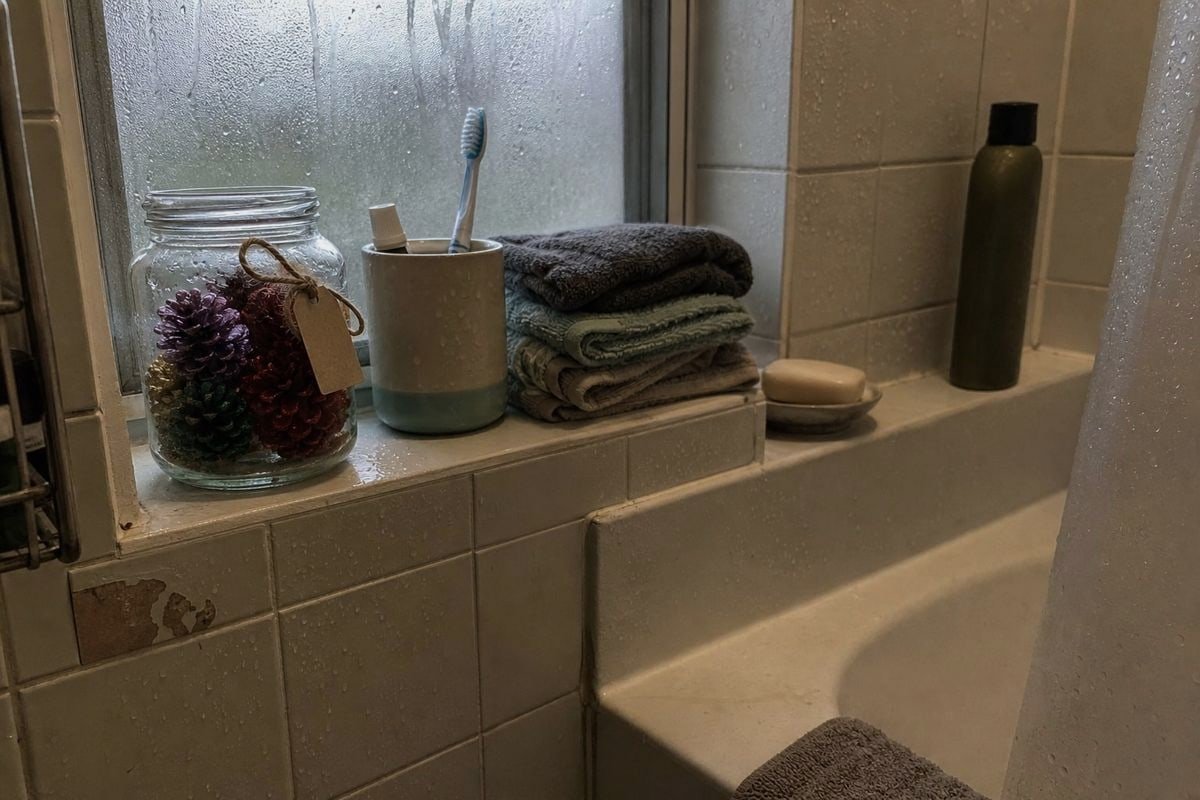
Colored pine cones are not suitable for cooking fires, BBQ grills, poorly ventilated rooms, high-humidity spaces like bathrooms, children's playrooms, unsupervised pet areas, or placement near heat-generating electronics. Flame-colored cones must only burn in well-ventilated fireplaces; decorative cones must stay dry and away from open flames.
The distinction matters. Decorative painted cones and fire-coloring cones 1 follow different safety rules. Below, I break down where each type fails indoors, and how you as a buyer can protect your customers and your brand.
What Safety Certifications Should I Require Before Marketing Colored Pine Cones for Indoor Fireplace Use?
A German distributor once asked us for CE documentation 2 before he would even look at samples. That conversation taught me how seriously European buyers treat paperwork — and rightly so.
Before marketing colored pine cones for indoor fireplace use, require SGS or Intertek test reports confirming no toxic fumes, CE marking for the EU, and supplier-level ISO 9001 and BSCI certification. These prove the flame colorants are heavy-metal-safe and production quality is consistent.

Certification is the first filter I recommend to every purchasing manager. In our 17+ years exporting fire-themed products to 30+ countries, no serious retail chain has ever waived compliance documents. If a supplier hesitates when you ask for test reports, walk away.
The core concern with fire-coloring pine cones is the chemistry. Traditional flame colorants rely on metal salts to change the flame's color. Some formulations use compounds like copper sulfate 3, which can release harmful residues if the recipe is not controlled. Our own color-flame pinecones use eco-friendly materials with no harmful chemicals, and we back that with SGS and Intertek test reports. That documentation is what lets our buyers put products on shelves in the US, Germany, and the UK without regulatory headaches.
The Certification Checklist
Here is the minimum documentation stack I advise buyers to demand:
| Certification / Report | What It Proves | Who Needs It |
|---|---|---|
| SGS or Intertek test report | Emissions and material safety when burned | All markets |
| CE marking | Conformity with EU safety requirements | EU buyers |
| ISO 9001 | Consistent quality management system | All B2B buyers |
| BSCI audit | Ethical, audited factory conditions | Retail chains |
| MSDS / SDS sheet | Chemical composition disclosure | Customs, insurers |
Why Factory-Level Audits Matter
A test report covers one batch. An ISO 9001 system covers every batch. In our Ningbo facility, batch-to-batch quality control means the sample you approve matches the container you receive six months later. For indoor fireplace products, that consistency is a fireplace safety issue, not just a quality issue — an off-spec colorant blend indoors is far riskier than one used outdoors.
How Do I Know If Ventilation Levels in a Room Are Too Low for Safe Indoor Burning?
Ventilation questions come up in almost every technical call we take from fireplace distributors. It is the single variable that separates a cozy colored flame from a smoke inhalation risk 4.
A room is too poorly ventilated for indoor burning if the fireplace lacks a functioning chimney or flue, smoke lingers or drifts back into the room, windows cannot be opened, or occupants notice eye irritation, headaches, or odor buildup during use.
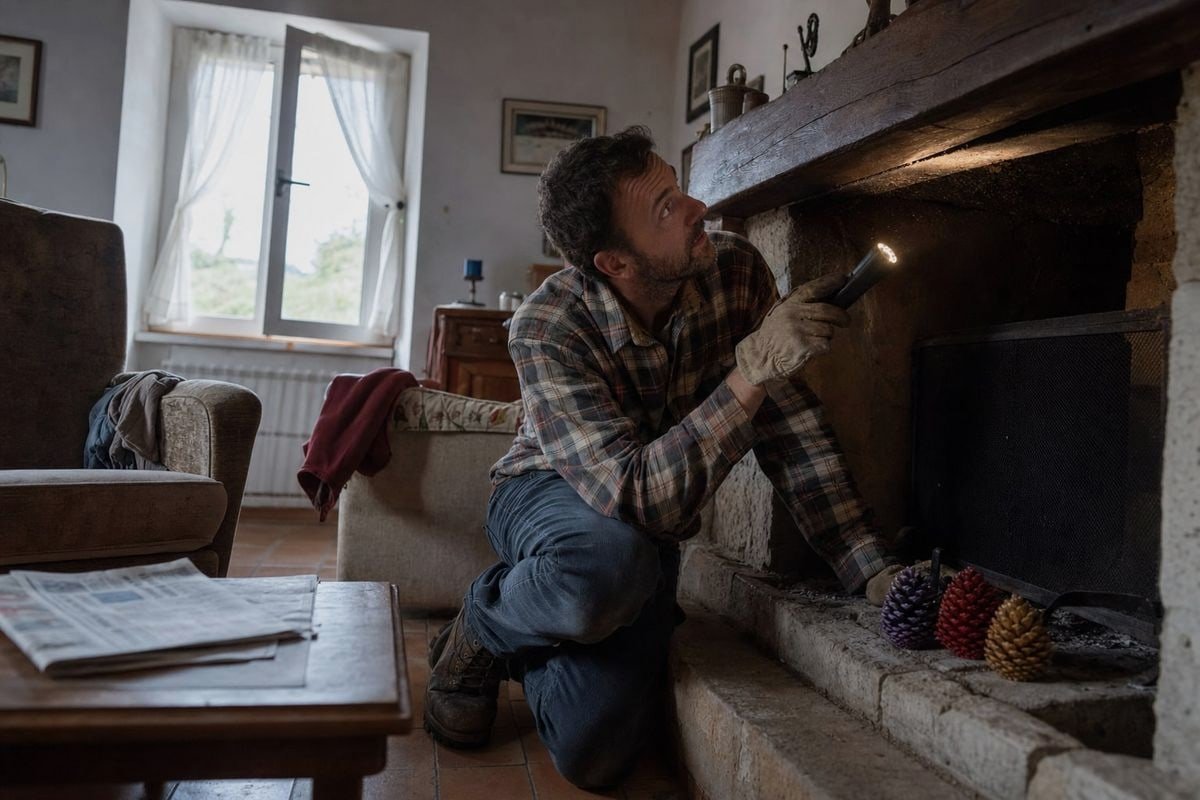
When we develop burn-time specifications for our color-flame packets and pinecones, we always test in a vented setup. The rule is simple: colored flames follow the same ventilation logic as any wood fire, and the flue must do its job. Any combustion consumes oxygen and produces smoke, carbon monoxide, and fine particles. Metal salts do not change that baseline — they only change the flame's color.
Warning Signs of Inadequate Ventilation
I tell buyers to educate their end customers on these red flags:
- Smoke rollback. Smoke curls out of the firebox into the room instead of rising up the flue.
- Persistent odor. The smell of burning lingers long after the fire dies down.
- Physical symptoms. Watery eyes, coughing, or headaches during or after burning.
- A closed or blocked damper. The most common cause of dangerous indoor smoke.
- No fresh-air source. Modern airtight homes can starve a fireplace of intake air.
Settings That Are Never Suitable
Some indoor spaces fail the ventilation test by design. Sealed sleeping quarters are a hard no — residual smoke and off-gassing in a bedroom can trigger respiratory irritation overnight. Ventless decorative fire bowls, indoor camping stoves 5, and tightly sealed apartments without operable windows also fall outside safe use. And one point we print on every package: never use color-flame products in cooking fires or BBQ grills, because flame colorants must never contact food, regardless of how well the space is ventilated. Toxic fumes near food-prep areas are an absolute exclusion, not a judgment call.
What Warning Labels and Usage Instructions Should I Include to Prevent Misuse in Enclosed Spaces?
Labeling is where I see the biggest gap between cheap suppliers and reliable partners. We once redesigned a US client's entire packaging after their retail compliance team flagged a missing warning line.
Warning labels for colored pine cones should state: for vented fireplaces and fire pits only, never use in cooking or BBQ fires, keep away from children and pets, do not burn in unventilated rooms, do not handle burning cones, and store in a cool, dry place.

Our one-stop OEM service includes custom warning labels, barcodes, and display packaging, so this topic sits close to my daily work. A good label does two jobs. It protects the end user, and it protects your brand from liability. In the US and EU, an incomplete label can get a product pulled from shelves even when the product itself is fully compliant.
Beyond the flame product itself, remember the decorative category. Painted and dyed pine cones carry different risks — a choking hazard 6 for toddlers, and a potential intestinal blockage risk if a dog swallows one whole. Sharp scales and flaking paint deserve their own warning lines on decorative SKUs.
Label Content by Product Type
| Warning Element | Fire-Coloring Cones | Decorative Painted Cones |
|---|---|---|
| Vented fireplace/fire pit only | Required | Not applicable |
| Never use with cooking or BBQ fires | Required | Recommended |
| Keep away from children and pets | Required | Required |
| Do not place near open flames or heat | Not applicable | Required — flammable resin ignites easily |
| Store in cool, dry, low-humidity place | Required | Required |
| Do not inhale smoke directly | Required | Not applicable |
Instructions That Prevent Enclosed-Space Misuse
Usage instructions should be action-based and short. Ours follow this pattern: open the flue, build the fire first, add one or two cones to established flames, keep the room ventilated, and never leave the fire unattended. We also advise buyers to include a pictogram set — icons for "no BBQ," "no children," and "ventilate" — because pictograms cross language barriers in multi-market retail, which matters when one SKU ships to Germany, France, and Poland at once.
Can I Get Test Reports Confirming Which Indoor Environments My Supplier Considers Unsafe?
A Canadian importer recently pushed us on exactly this point during a video audit. He wanted written proof, not verbal reassurance — and that instinct is the right one.
Yes. A credible supplier should provide SGS or Intertek burn-test reports, an MSDS listing all flame colorants, and a written scope-of-use statement excluding cooking fires, unvented rooms, and enclosed spaces. Refusal to document these exclusions is a serious red flag.

Test reports do more than confirm what is safe. Read carefully, they define what is unsafe — and that negative scope is the part many buyers overlook. When our lab partners test a color-flame pinecone, the report specifies the tested conditions: an open, vented combustion environment. Anything outside that scope is unverified territory, and your product documentation should say so plainly.
Documents to Request and What Each One Tells You
| Document | Unsafe-Environment Insight It Provides |
|---|---|
| Burn emission test report | Confirms testing was done in vented conditions only |
| MSDS / SDS | Lists metal salts used; flags any regulated compounds |
| Scope-of-use statement | Supplier's written exclusions: BBQ, cooking, sealed rooms |
| Batch QC records | Proves the tested formula matches shipped product |
| Storage guidance | Defines high-humidity limits and heat exposure limits |
How to Verify the Reports Are Real
I encourage every buyer to verify independently. SGS and Intertek both allow report authentication 7 through their official channels using the report number. Ask for the full report, not a summary page. Check that the product name, batch number, and formulation on the report match your actual order. And ask your supplier one direct question: "Which indoor environments do you exclude in writing?" Our answer is consistent — no cooking fires, no unvented rooms, no unsupervised use around children or pets, and no storage in high humidity where moisture degrades both the cone structure and the colorant coating. A partner who documents exclusions this clearly is a partner who has thought past the sale.
Conclusion
Colored pine cones fail in unvented rooms, cooking areas, humid spaces, and around kids or pets. Demand certifications, clear labels, and documented exclusions — then sell with confidence.
Footnotes
1. Explains the chemical nature and safety of products used to color fireplace flames. ↩︎
2. Official European Commission page explaining the safety and compliance requirements for CE marking. ↩︎
3. Authoritative chemical database entry for copper sulfate, a common metal salt in flame colorants. ↩︎
4. EPA indoor air quality resource supports the claim about combustion smoke risks indoors. ↩︎
5. Safety guidelines regarding the risks of using indoor camping stoves and unvented heating equipment. ↩︎
6. Official safety information regarding choking hazard prevention and consumer product safety standards. ↩︎
7. Official SGS tool for verifying the authenticity of safety test reports and certifications. ↩︎



 English
  Spanish
  German
  French
  Arabic
  Portuguese
Join the Conversation