Wood fire starter packaging gets judged in seconds BSCI 1. I have watched our buyers' products die on shelves for one reason: shoppers could not tell what the box contained fast enough.
Retail consumers look first at the front panel of wood fire starter packaging: the product name, a clear image of the fire starter in use, and a bold benefit claim. Safety cues, burn time, and eco-friendly labels are checked next, all within roughly five to seven seconds.
That short scan decides whether your product goes into the cart or stays on the shelf CE certification 2. Let me break down what shoppers check, in order, and why it matters for your brand.
What safety and compliance information do consumers expect to see on the front label?
A German distributor once returned a whole sample batch to us — not because of the product, but because the warning text was too small SGS and Intertek test reports 3. That lesson shaped how we design every label since.
Consumers expect to see clear safety warnings, non-toxic or chemical-free claims, child-safety notices, and recognizable compliance marks such as CE on the front label. These cues build instant trust, because fire starters are used near open flames, children, and pets inside the home.

Fire starters sit in a unique retail category. Unlike snacks or candles, the product is literally designed to burn. So shoppers apply a stricter mental filter before buying. In our seventeen-plus years exporting fire-starting goods to the US, Germany, the UK, and beyond, we have seen the same pattern again and again: a package without visible safety cues loses the sale to the one next to it that has them.
The safety cues shoppers scan for
Here is what consumers typically look for, ranked by how often our retail partners tell us these items get questioned at the shelf:
| Priority | Safety cue | Why it matters to the shopper |
|---|---|---|
| 1 | "Non-toxic" or "chemical-free" claim | The product burns indoors, near food and family |
| 2 | Child-safety warning text | Parents want reassurance before bringing fire products home |
| 3 | Compliance marks (CE, SGS/Intertek tested) | Signals the product passed independent testing |
| 4 | Clean-burning / smokeless wording | Indoor fireplace users fear soot and odor |
| 5 | Pet-safe, spark-free assurance | Indoor users worry about popping embers on rugs |
Why compliance marks carry real weight
Our buyers treat certification as a hard requirement, not a nice-to-have. We hold ISO 9001 4, BSCI, and CE certification, with SGS and Intertek test reports, precisely because retail chains will not stock a fire product without them. Consumers may not know what each mark means in detail. But they recognize the visual pattern of "this was tested." That recognition is a powerful consumer purchase driver.
The front label does not need long paragraphs. It needs two or three short, verifiable safety statements placed high in the visual hierarchy, plus warning details on the back or side panel where regulators expect them.
How much does clear burn-time and usage instruction affect purchase decisions?
When we calibrate wax loading on our wax-dipped wood rolls, we are not just tuning performance — we are tuning the number that goes on the box. Buyers ask about burn time before almost anything else.
Clear burn-time claims strongly affect purchase decisions. A specific figure like "burns 8–10 minutes" answers the shopper's core question — will this actually light my fire — in one glance. Vague packaging without burn time duration or simple usage steps loses to competitors that state both.

Once a shopper confirms the product is a fire starter and looks safe, the very next question is performance. Will one piece light a full load of firewood? How long does the flame last? Do I need matches, lighter fluid, or paper?
Burn time is a proxy for reliability
A stated burn time duration does more than inform. It signals confidence. A brand that prints "10-minute steady flame" is making a testable promise. In our experience supplying wood wool firelighters to fireplace distributors across Europe, packages with a specific burn-time number outsell identical products with generic wording like "long lasting." Specificity reads as honesty.
This is also why batch-to-batch consistency matters so much on our production line. If the box says 10 minutes, every puck in every carton has to deliver it. Our QC team burns samples from each batch for exactly this reason. The first sample a buyer approves must match what lands on the shelf a year later.
Usage instructions shoppers actually read
Keep front-panel usage cues to icons or a three-step line. Detailed steps belong on the back. A simple structure works best:
- Place one fire starter under kindling or logs.
- Light the edge with a single match — no lighter fluid needed.
- Add larger wood once the flame is established.
| Performance claim | Shopper it convinces | Where to place it |
|---|---|---|
| "8–10 min burn time" | Fireplace and wood stove users | Front panel, near product name |
| "One-match light" | Campers and beginners | Front panel badge |
| "Waterproof / moisture resistant" | Outdoor and camping buyers | Front or side panel |
| "Works for BBQ, fireplace, fire pit" | Multi-use households | Side panel icons |
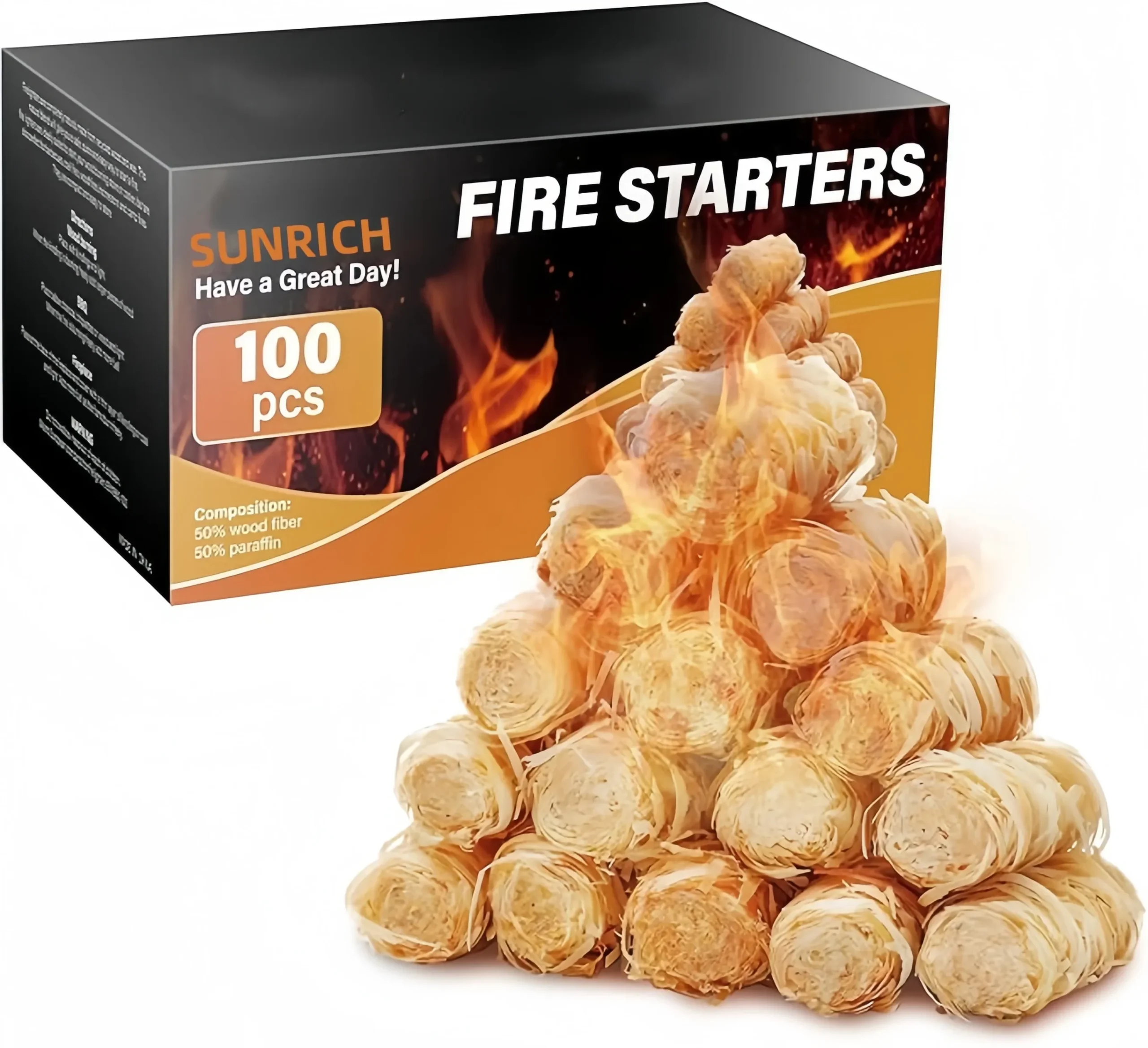
| Piece count (e.g., "100 pcs") | Value-focused shoppers | Front panel callout |
Does eco-friendly or natural material labeling influence which product consumers choose?
The trade-off we weigh most often in packaging design is this: how much front-panel space to give eco claims versus performance claims. For fire starters, the answer keeps shifting toward eco.
Yes, eco-friendly and natural material labeling strongly influences choice, especially in the US and Europe. Claims like "natural wood wool," "FSC certified wood," and "chemical-free" differentiate products at a glance and justify a higher price point against paraffin-heavy or petroleum-based alternatives.

Our own product line proves this point. Every fire starter we produce uses eco-friendly materials with no harmful chemicals — compressed wood wool 5 with a natural wax coating. When we started exporting seventeen years ago, buyers rarely asked about material sourcing. Today, importers in Germany, the Netherlands, and Canada ask about it in the first email.
Which eco claims move the needle
Not all green wording carries equal weight. Based on what our retail partners report, the claims below rank roughly in order of influence:
- Natural material identity. "100% natural wood wool" or "compressed wood fiber" tells the shopper exactly what burns in their home.
- Eco-friendly certifications. Marks like FSC for responsibly sourced wood 6 give an independent stamp that generic "green" wording cannot.
- Chemical-free / non-toxic. This overlaps with safety, which is why eco and safety claims reinforce each other on fire products.
- Sustainable packaging materials. Kraft boxes and recyclable cartons extend the eco story to the package itself.
- Food-safe suitability. BBQ users want assurance that nothing petroleum-based touches their grill.
The visible-product advantage
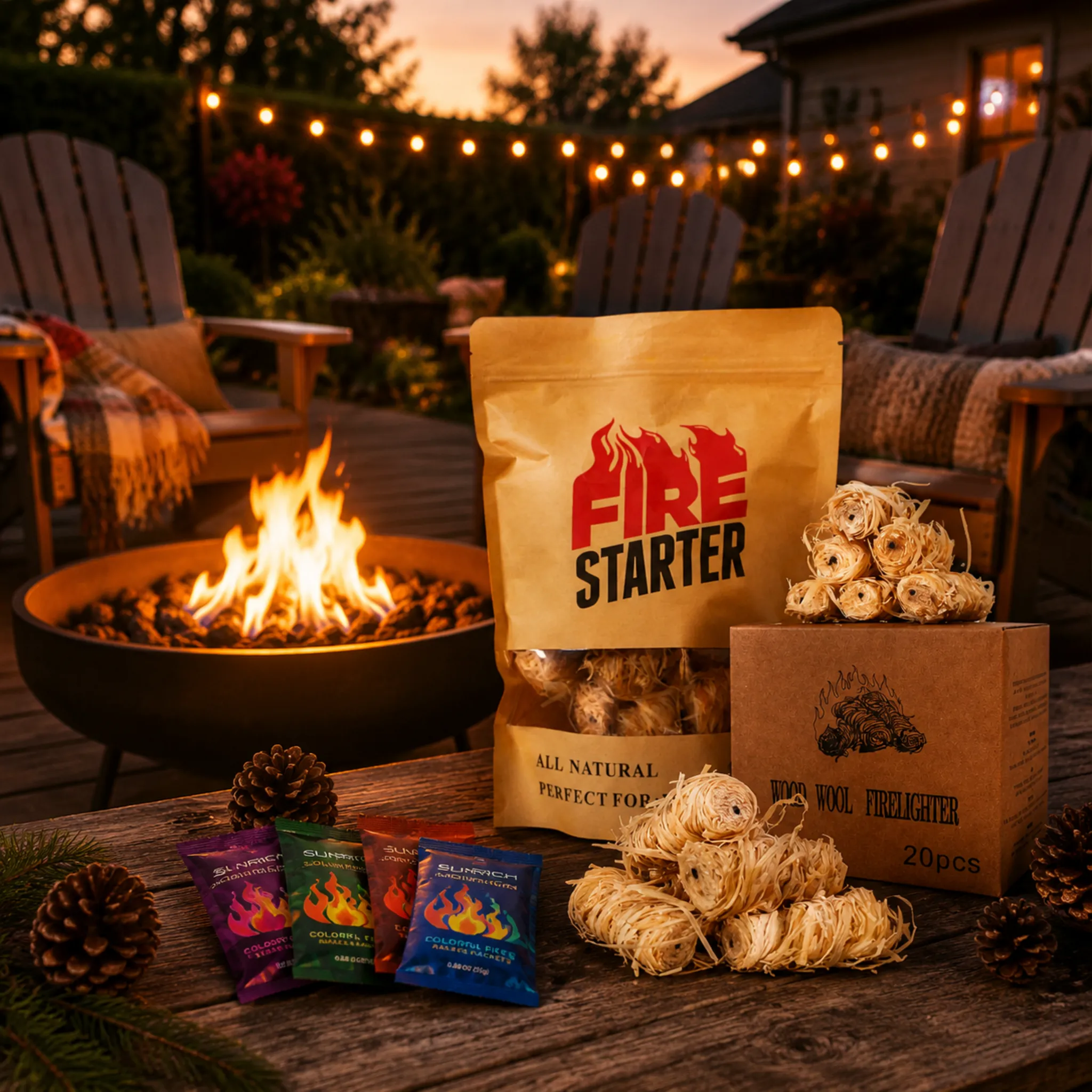
Here is a design detail many brands miss. Natural wood wool firelighters look eco-friendly. The fibrous, straw-like texture communicates "natural" faster than any label can. A window cutout or a large product photo on the box lets the material sell itself. When we develop private-label packaging for outdoor brands, we almost always recommend showing the raw product, because the golden-tan fibers and visible wax coating do half the persuasion work before a single word is read.
One caution: keep eco claims verifiable. European retail buyers increasingly reject vague greenwashing, and a claim you cannot back with a test report or certificate becomes a liability, not an asset.
Can better packaging design help my wood fire starters stand out on crowded retail shelves?
A US importer once showed me a photo of the shelf where his fire starters would sit — fourteen competing boxes, nearly all brown kraft. We redesigned his carton with a black-to-orange gradient and flame graphics. His reorder came in three months early.
Yes. Strong shelf appeal comes from high-contrast color, a large readable product name, one clear benefit claim, and a distinctive shape or window. Since shoppers scan the front panel first — often starting upper-left — a clean visual hierarchy wins attention before competitors are even noticed.

Packaging psychology research is blunt about this: shoppers form an impression in seconds, scan the front before the sides or back, and respond to color, typography, and shape before they read anything. One widely cited survey found packaging design influenced 72% of American consumers' purchase decisions, and packaging materials influenced 67%. For a functional category like fire starters, design is not decoration. It is the sales pitch.
Build the front panel in the order shoppers scan
Eye-tracking guidance 7 suggests attention often lands upper-left first in Western markets, then moves to the product name, imagery, and claims. Design in that sequence:
| Scan order | Element | Design rule |
|---|---|---|
| 1 | Category name | "FIRE STARTERS" in large, bold, high-contrast type |
| 2 | Hero image | Product shown lit, or a window revealing real wood wool |
| 3 | Key benefit | One claim only: burn time, one-match light, or natural |
| 4 | Trust marks | Compliance and eco-friendly certifications, small but visible |
| 5 | Quantity | Piece-count badge for instant value comparison |
Contrast beats clutter
Fire is a gift to designers: black, deep orange, and flame yellow create natural contrast against the pale kraft tones dominating this category. But restraint matters more than intensity. A front panel crammed with eight claims performs worse than one with a single clear promise. Move specs, full instructions, and composition details to the back and side panels.
Structure can differentiate too. A window cutout, a hang-tab for pegboard display, or a counter-display carton changes how the product occupies shelf space. Through our one-stop OEM/ODM service 8, we build custom boxes, display packaging, warning labels, and barcodes into a single shelf-ready solution — because a great product in a forgettable box is a lost sale, and our buyers know it.
Conclusion
Shoppers give wood fire starter packaging a few seconds. If your box fails that scan, even the best product loses. Get the front panel right, and everything follows.
Consumers check, in order: what the product is, whether it looks safe and compliant, how well it performs, and whether it aligns with their eco values. A front panel with a bold category name, a specific burn-time claim, visible safety warnings, and honest natural-material labeling wins the scan — and the sale.
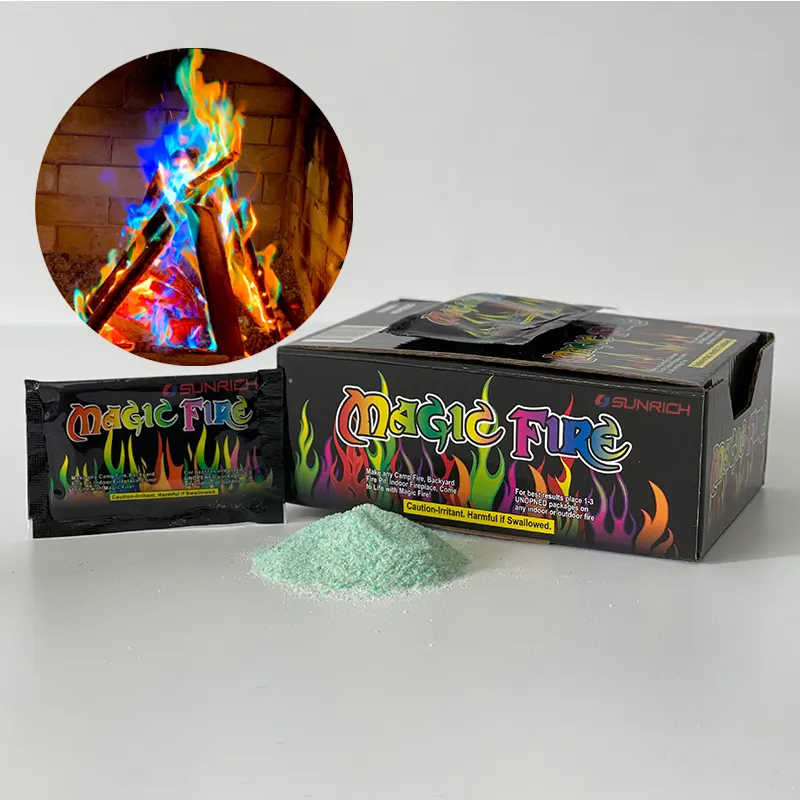
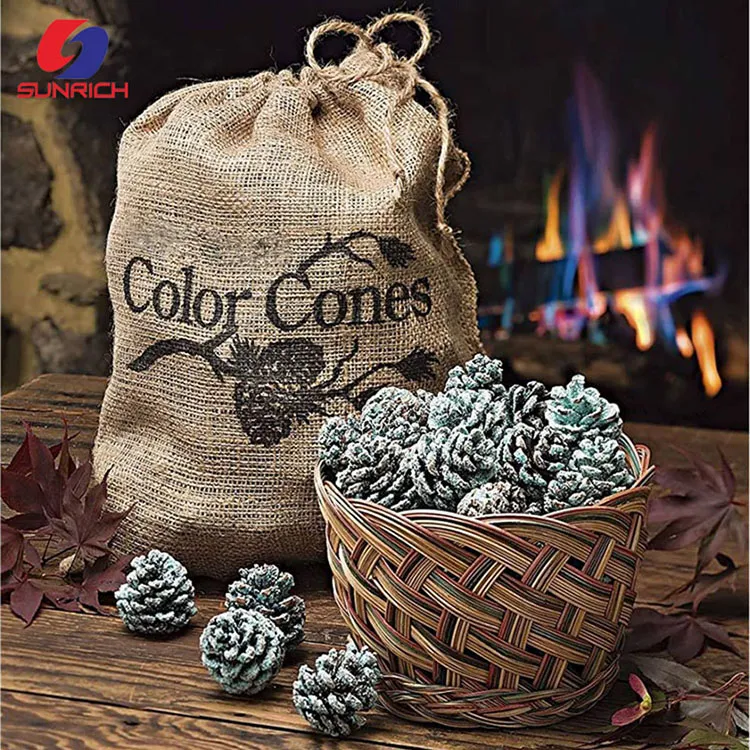
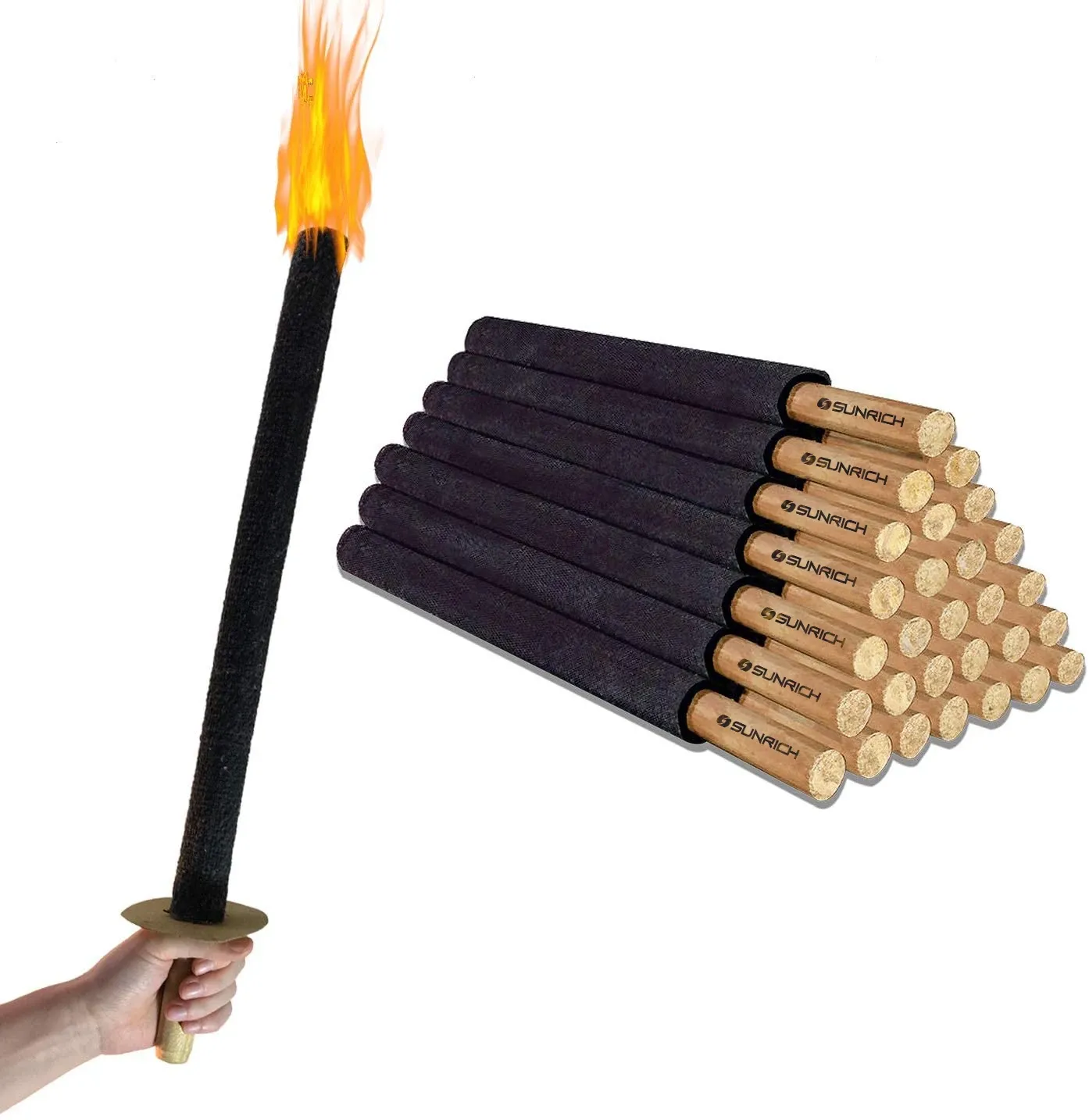
After seventeen-plus years producing wood firelighters, color-flame products, and wax torches for brands across thirty-plus countries, I can say the winning formula is consistent: compliant claims backed by real test reports, batch-to-batch quality that matches the stated burn time, and shelf-ready packaging built around a clean visual hierarchy. If you are developing a private-label fire starter line, start with the shelf scan in mind — and partner with a factory that can back every front-panel promise with certification and consistent production. That is exactly the work we do every day.
Footnotes
1. BSCI (amfori) is the official social compliance initiative certification mentioned as a retail requirement. ↩︎
2. Official EU page explaining CE marking, the compliance mark shoppers recognize on packaging. ↩︎
3. SGS is a major independent testing and certification body cited as proof of compliance for buyers. ↩︎
4. ISO 9001 is a globally recognized quality management standard referenced as a certification credential. ↩︎
5. Background reference explaining what wood wool is, the core natural material used in the product. ↩︎
6. FSC is the certification body for responsibly sourced wood referenced as an eco-credibility mark. ↩︎
7. Expl



 English
 Spanish
 German
 French
 Arabic
 Portuguese
Join the Conversation