






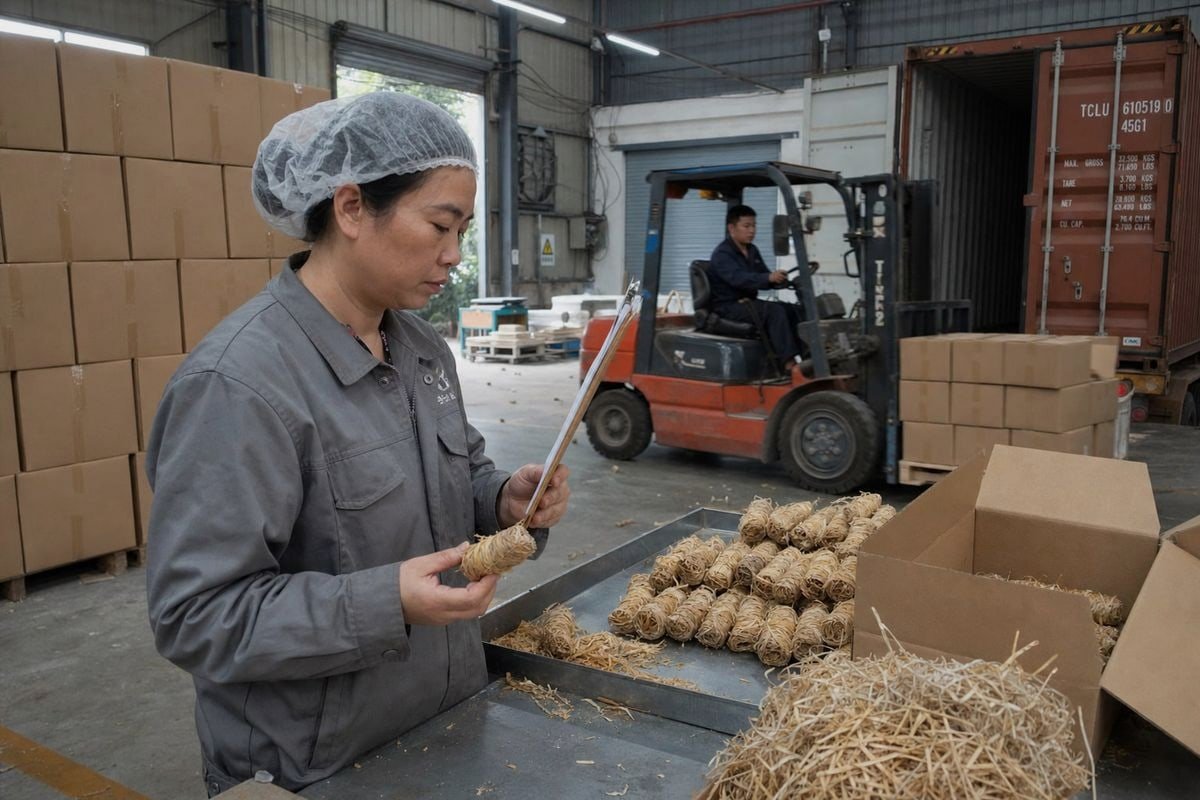
Sourcing wood fire starters looks simple until a container of inconsistent product arrives EU's deforestation regulation (EUDR) 1. On our production line, we've seen buyers burned by exactly that — and it's avoidable.
Customs data verifies real export history, shipment volumes, and repeat trade activity, while B2B platforms offer faster supplier discovery, upfront certifications, and sample ordering. Customs data excels at validation; B2B platforms excel at speed. The strongest wood fire starter sourcing strategy combines both channels.
Each channel solves a different problem. Below, I break down what each one tells you, what each one hides, and how to use them together.
What Can Customs Data Tell Me About a Wood Fire Starter Supplier's Real Export History?
A buyer from Germany once told me he found us twice: once on a platform, and once in shipment records. The second discovery is what convinced him we were a real factory.
Customs data reveals whether a supplier actually ships wood fire starters, how often, in what volumes, and to which destination markets. Repeated shipments over multiple seasons signal an operational, established exporter — a far stronger credibility marker than any polished marketplace listing.
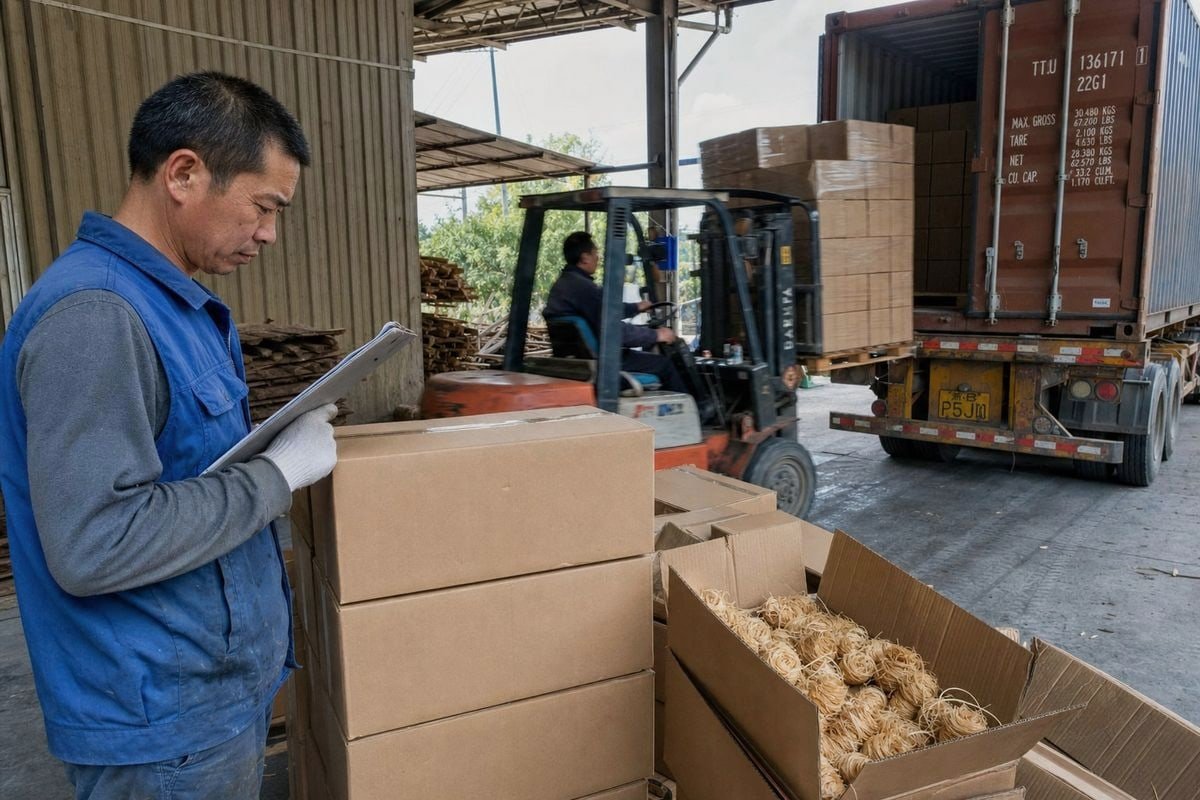
Customs records are trade receipts. They show what actually crossed a border, not what a supplier claims on a profile page. In our 17+ years exporting fire-starting goods to 30+ countries, we've noticed serious buyers increasingly check these records before they even send an inquiry. That's smart. A supplier who appears in shipment data month after month, shipping to the US, Germany, and the UK, is clearly operational. A supplier with zero shipment footprint may be a broker, a new workshop, or worse.
What Customs Records Actually Show
Customs data typically reveals four useful things. First, shipment frequency — is this supplier exporting regularly or once a year? Second, apparent volume — are these full containers or small parcels? Third, destination markets — a supplier already shipping to your region likely understands your compliance environment. Fourth, trading relationships — you can sometimes see which importers a factory already serves.
| Signal in Customs Data | What It Suggests |
|---|---|
| Repeated shipments over 2+ years | Established, operational supplier |
| Large, consistent container volumes | Real production capacity |
| Shipments to regulated markets (EU, US) | Familiarity with compliance requirements |
| Seasonal shipment spikes (pre-winter) | Category experience; off-season negotiation leverage |
| Shipments originating from a factory region | More likely factory-direct, not a middleman |
The Limits You Must Accept
Customs data has real blind spots. Product descriptions are coarse. A record rarely tells you whether the product is wood wool 2, wax-dipped rolls, or paraffin pucks. HS code 3 ambiguity makes this worse — wood wool fire starters often fall under 3606.90, while other compositions may be classified under 4401 or 3824. Filtering the right shipments takes time and expertise. Data can also lag or omit smaller shipments. And critically, customs records prove nothing about certifications, burn performance, or safety testing. They tell you who is trading, not who is trading well.
Why Do B2B Platforms Make It Easier to Compare Certifications and Compliance Before I Order?
When we upload our SGS and Intertek 4 test reports to our platform profiles, inquiries change. Buyers arrive already knowing what documentation we hold — which saves everyone weeks.
B2B platforms display certifications, test reports, MOQs, and product specifications upfront, letting buyers compare compliance credentials across multiple suppliers in hours rather than weeks. Customs data offers none of this detail without direct outreach to each supplier individually.

Speed is the platform advantage. Within an afternoon, you can shortlist ten wood fire starter suppliers, view their stated certifications, compare MOQs, and request quotations. That upfront transparency matters enormously in this category, because compliance is not optional for fire products headed to the US or EU.
The Compliance Stack You Should Compare
For wood-based fire starters, several compliance layers apply. On our side, ISO 9001, BSCI, CE, and third-party test reports from SGS or Intertek are hard requirements our US and European buyers demand — not nice-to-haves. Beyond factory credentials, the EU's deforestation regulation 5 (EUDR) requires that relevant wood come from land not deforested after 31 December 2020, with due diligence records kept for five years. And if a product is classified closer to firewood than a processed ignition aid, phytosanitary certificates and heat-treatment requirements can apply, as the UK's firewood import rules show.
| Compliance Element | Visible on B2B Platform? | Visible in Customs Data? |
|---|---|---|
| ISO 9001 / BSCI factory credentials | Often listed upfront | No |
| CE marking and safety test reports | Available on request via listing | No |
| EUDR wood-origin documentation | Sometimes referenced | No |
| Actual export track record | No — claims only | Yes |
| Historical shipment pricing benchmarks | No — listed prices only | Often yes |
Where Platforms Fall Short
Be careful, though. Listings can claim "eco-friendly," "non-toxic," or "CE certified" without evidence. Trading companies often pose as manufacturers. Platform escrow and trade assurance reduce payment risk, but they do not verify that certificates are genuine or current. Always request the actual test reports, check certificate numbers with the issuing body, and ask for factory audit documentation. In our experience, credible factories share these documents willingly and quickly. Hesitation is itself an answer.
Which Sourcing Method Helps Me Verify Consistent Quality Before Committing to a Bulk Order?
Batch-to-batch consistency is the hardest thing to fake. Our QC team checks wax coverage, moisture, and ignition on every production run precisely because one bad batch can end a retail relationship.
Neither channel verifies quality alone. B2B platforms enable sample ordering and burn testing, while customs data confirms sustained production scale. Verify quality by combining platform samples with shipment-history validation, then testing burn time, ignition reliability, and moisture resistance across multiple batches.
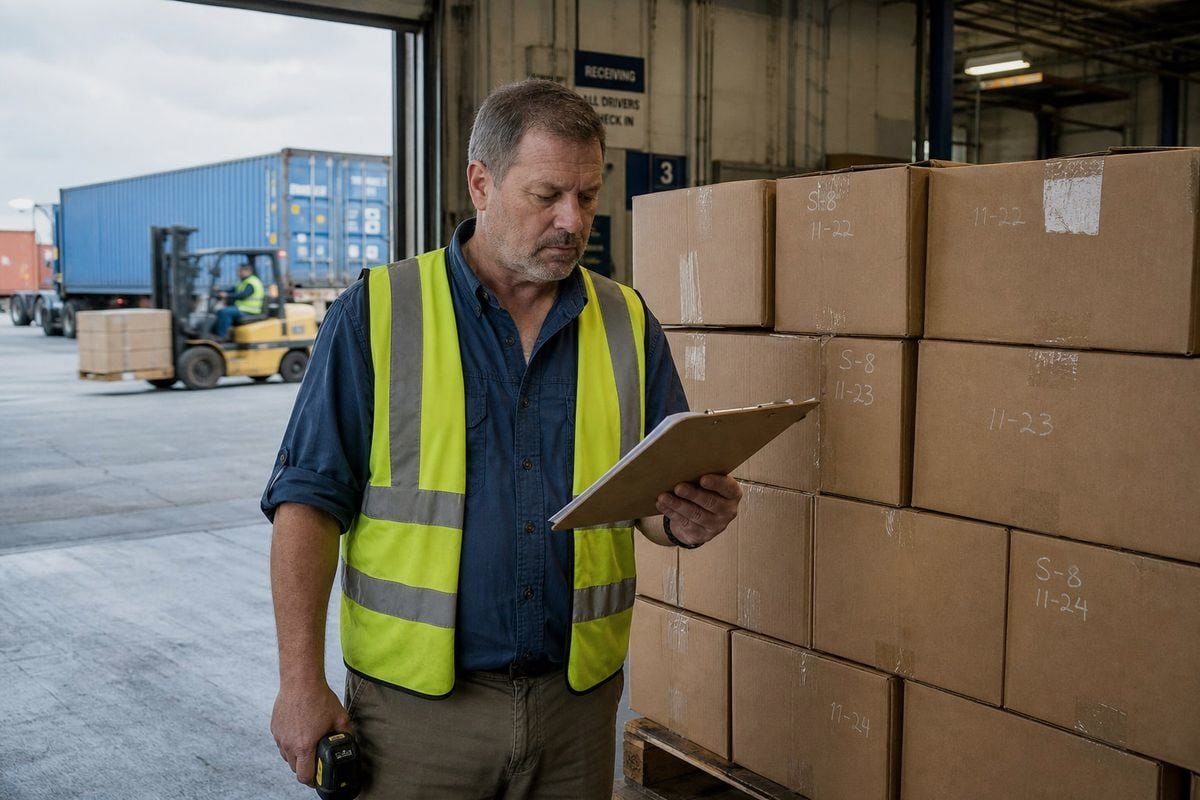
Fire starters are performance products. A buyer's customers judge them on one thing: does the fire light, every time, quickly? Some wood wool products claim 8–12 minutes of burn time, but claims vary wildly from actual performance — especially after ocean freight through humid conditions. So the real question is not which channel finds quality, but which steps prove it.
A Practical Quality Verification Sequence
- Discover candidates on B2B platforms. Build a list of eight to ten suppliers with relevant listings.
- Validate with customs data. Cut suppliers with no shipment footprint in this category. Repeat exporters have production discipline; one-off shippers may not.
- Order samples from three finalists. Test burn time, ignition with a single match, moisture resistance, and packaging integrity.
- Request batch samples, not showcase samples. Ask for units pulled from a recent production run, not a hand-picked golden sample.
- Run a trial order. A small first PO tests whether mass production matches the sample. Our own standard is that the first sample must reflect mass-production quality — and we welcome buyers who audit that.
Metrics That Matter More Than Marketing
Evaluate cost per burn minute, not just unit price. Factor in landed cost too: duties on fire starters 6 run roughly 2% to 8% depending on the market, and a 40FT container often costs only about 30% more than a 20FT while carrying roughly double the cargo. A slightly higher unit price from a consistent factory frequently beats a cheap supplier once freight economics and rejection rates are counted.
| Quality Metric | How to Test It | Red Flag |
|---|---|---|
| Burn time | Time three units from different packs | Variation over 25% between units |
| Ignition reliability | Light with one match, ten attempts | Any failed ignitions |
| Moisture resistance | Test after 48 hours in humid storage | Failure to light or sputtering |
| Batch consistency | Compare sample batch vs trial order | Visible differences in wax coverage or density |
| Packaging integrity | Drop test and stack test | Crushed pucks, wax residue leakage |
Should I Combine Customs Data and B2B Platforms to Find a Reliable Long-Term Manufacturing Partner?
The buyers who stay with us longest almost always did the most homework upfront. One US distributor spent two months verifying us before a trial order — seven years later, we're still shipping to them.
Yes. Use B2B platforms for discovery, quotations, and samples, then use customs data to verify export history and factory-direct status. This combined workflow filters out traders and weak operators, reducing fraud risk far more effectively than either channel alone.

Long-term partnership is a different goal than a one-off purchase, and it demands a different process. A single cheap container can come from anywhere. A five-year private-label program needs a factory with stable capacity, documented compliance, and responsive communication. That's exactly where the two channels stop competing and start compounding.
The Combined Workflow, Step by Step
Start wide on platforms: gather listings, MOQs, and packaging options. Then narrow with customs data: confirm which candidates ship this category repeatedly, and check whether shipments originate from a genuine factory region — that origin analysis helps separate factory-direct exporters from middlemen. Customs data adds two more advantages here. You can identify which factories already serve competitors in your market, proving they handle your compliance environment. And you can track seasonal shipment timing — wood fire starter volumes spike before winter, so approaching factories in the off-season gives you real negotiation leverage that listed platform prices never disclose.
What to Verify Before Committing Long-Term
After the data work, verification moves offline. Request full test reports and audit records. Confirm OEM/ODM 7 depth — can the partner customize size, burn time, packaging, warning labels, and barcodes for shelf-ready retail product? Our Liuyang headquarters and Ningbo production base handle exactly this scope for outdoor brands and fireplace distributors, and I can tell you that buyers who ask these questions early save themselves painful surprises later. Finally, test communication speed. A partner who answers technical questions clearly in English within a day during sampling will behave the same way when a container is delayed or a spec needs changing. Neither customs data nor a platform profile can show you that — only direct engagement can.
Conclusion
Customs data tells you who really trades; B2B platforms tell you who is selling now. Combine both, verify samples and certifications, then scale with a proven partner.
Footnotes
1. Official EU source detailing the wood-origin due diligence law mentioned as a compliance requirement. ↩︎
2. Wikipedia background on wood wool material composition referenced as a common fire starter product type. ↩︎
3. Background on the Harmonized System classification that creates ambiguity in customs product descriptions. ↩︎
4. Links to a leading third-party testing body buyers rely on for verifying fire starter safety certifications. ↩︎
5. Official EU source confirming EUDR wood-origin due diligence requirements cited in the article. ↩︎
6. WTO tariff resource clarifies how import duties affect landed cost calculations for traded goods. ↩︎
7. Wikipedia explains OEM/ODM manufacturing arrangements referenced when verifying long-term partner customization depth. ↩︎

 English
  Spanish
  German
  French
  Arabic
  Portuguese
Join the Conversation