







Batch traceability and restocking 1 for Magic Fire powder color complaints is a problem I face on our production line every season. One vague complaint can freeze an entire shipment.
Handle Magic Fire powder color complaints by tracing the lot number to its production run, comparing the complaint sample against your retained sample and COA, quarantining the suspect batch, then restocking through a formal RMA process with documented supplier corrective action within 15–30 days.
That answer sounds simple. In practice, it only works if the right documents exist before the complaint arrives. Let me walk you through each step, based on how we run this at our own factory.
What documentation should I request to trace a color-flame powder batch back to its production run?
A few years back, a German distributor emailed us a photo of a "dull green" flame. Our first question was not about the flame. It was about the número do lote 2 printed on the sachet.
Request the batch or lot number, production and release date, Certificate of Analysis, internal flame-test record, packing list, shipment record, Safety Data Sheets, and confirmation that a retained sample from the same run still exists at the factory.

The lot number is the master key. It connects every other document. Without it, a color complaint cannot be separated from guesswork. With it, we can pull the exact mixing record, the raw-material batches of flame colorant chemicals used that day, and the retained sample sealed at release.
O conjunto de documentos principal
Good traceability answers three questions fast: which raw materials 3 went into the batch, which finished lot was produced, and where that lot was shipped. Here is the document set we provide to buyers, and the one you should demand from any supplier.
| Documento | O que prova | Who holds it |
|---|---|---|
| Lot number and production date | Manufacturing date verification and run identity | Printed on pouch, box, and carton |
| Certificado de Análise (COA) | The batch passed release specs | Manufacturer, copy to buyer |
| Flame-test record | Color vibrancy and burn duration at release | Manufacturer QC file |
| Raw-material goods-in log | Which colorant lots entered the blend | Fabricante |
| Packing list and shipment record | Which cartons went to which buyer | Ambas as partes |
| Fichas de Dados de Segurança | Chemical identity and handling requirements | Ambas as partes |
| Retained sample reference | Physical proof of appearance at release | Fabricante |
Why retained samples decide disputes
Documents describe a batch. A retained sample é the batch. In our Ningbo facility, we hold sealed sachets from every production run 4 precisely so we can burn one side by side with a complaint sample later. That comparison tells us whether the color drifted at the factory, in transit, or in the customer's storage. Paperwork alone can never settle that question. Ask your supplier how long they keep retained samples. If the answer is "we don't," you have found your real risk before any complaint arrives.
How do I set up a restocking process with my supplier when a color complaint comes from a retail customer?
One trade-off we weigh constantly: customer-service teams want to replace stock instantly to protect the relationship, while our QC team wants proof first. A good restocking process satisfies both without slowing either down.
Set up a Return Merchandise Authorization workflow with your supplier: log the complaint with photos and lot number, quarantine matching stock, verify against the retained sample, then apply agreed disposition rules — replacement, credit, or no fault found — with defined response timelines in your contract.

Restocking is a controlled disposition, not an automatic courtesy. If you replace stock before verifying the batch, you may ship more of the same defective lot to the same retailer. That turns one complaint into a product line problem. So the process needs structure.
The five-step RMA workflow
- Intake. Record the complaint description, customer order number, lot number, purchase date, and photos or videos. Insist on the lot number before anything else.
- Quarantine. Freeze all warehouse stock carrying the same lot number. Never mix suspect lots with good inventory — mixing destroys traceability permanently.
- Verify. Send the complaint sample, or the customer's evidence, to the supplier for comparison against the retained sample and quality control logs.
- Decide. Apply pre-agreed rules. Verified batch defect means replacement or credit. Storage or misuse means guidance, not restock. Within-tolerance variation means no fault found, with documentation.
- Record. Log the disposition. Trend the data. Two complaints on different lots point upstream, not at one bad run.
When restocking is and is not appropriate
| Situação | Restock? | Por quê |
|---|---|---|
| Complaint verified against retained sample, single lot affected | Yes, full replacement | Batch-specific defect with clear traceability |
| Color within agreed tolerance | Não | Product meets spec; educate the buyer on tolerance |
| Customer stored packets in humid conditions | No, or goodwill partial credit | Moisture degrades flame colorants; not a manufacturing fault |
| Lot number missing or lots mixed | Case by case | Traceability broken; supplier liability unclear |
| Multiple lots showing drift | Yes, plus supplier escalation | Systemic issue; quarantine wider and demand root cause |
We build these rules into contracts with our distributors up front. Customer dispute resolution goes much faster when nobody is negotiating the rules during the crisis. In our experience exporting to 30+ countries, buyers who agree on disposition criteria at the PO stage resolve complaints in days, not months.
What quality control records should my manufacturer provide to prevent recurring color inconsistency issues?
Early in our 17 years making color-flame products, we learned a hard lesson: a first sample that looks perfect means little if the factory cannot prove batch-to-batch consistency. That proof lives in the QC records.
Your manufacturer should provide raw-material inspection logs, batch mixing records, standardized flame-test results for every run, retained-sample registers, storage condition monitoring data, certification documents such as ISO 9001 and SGS test reports, and a documented change-control record for any formulation adjustment.
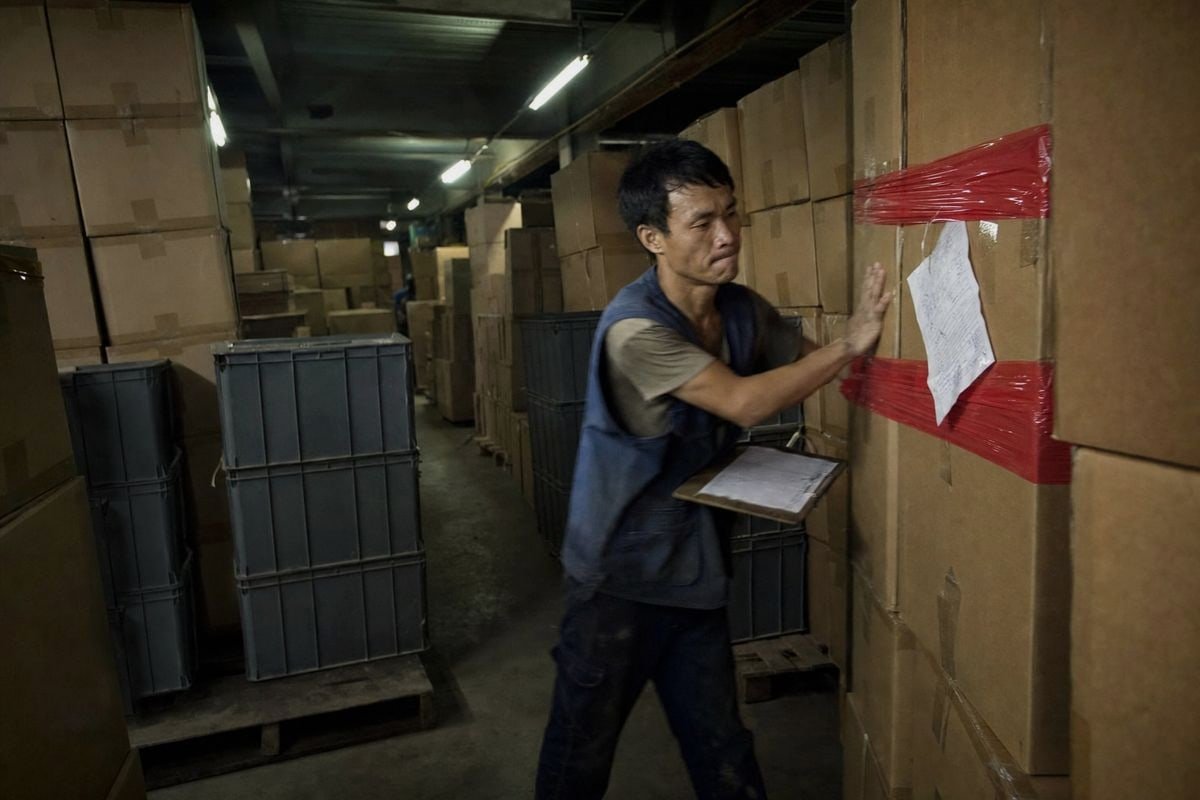
Recurring color inconsistency 5 almost always has a system cause. One bad lot is an accident. Three drifting lots point to raw-material variation, process drift, or weak storage controls. The records below let you see which one you are dealing with — and whether your supplier can see it too.
Records that predict consistency
| QC record | O que ele previne |
|---|---|
| Raw-material goods-in inspection | Colorant purity deviations causing dull or off-color flames |
| Electronic batch records with mixing ratios | Blend-to-blend variation between runs |
| Per-batch flame test (color, vibrancy, duration) | Nonconforming lots reaching packing |
| Humidity and temperature logs in production and warehouse | Clumping and chemical migration inside packets |
| Retained-sample register | Inability to investigate future complaints |
| Change-control log | Silent formulation or supplier-lot changes |
| Master reference sample per SKU | Drift on repeat orders |
Watch the repeat-order gap
Here is the point most buyers miss. The biggest color complaints do not come from first orders. They come from repeat orders, when a retail customer expects this year's packet to match last year's flame exactly. Many suppliers only tighten controls for the first shipment. Demand that the same master-sample matching and flame-test discipline applies to every reorder. At our factory, we test each new run against the retained master sample for that customer's SKU, because a transparência da cadeia de suprimentos 6 on run one means nothing if run five drifts. Also ask whether your supplier relies on eye-only judgment or documents measured, repeatable test conditions. Visual checks are fast, but documented test records under standardized conditions are what hold up in a dispute.
How quickly can I expect replacement stock or corrective action after filing a batch complaint with my supplier?
A UK buyer once asked us this exact question before signing a contract, and I respected it. Speed of corrective action tells you more about a supplier than any brochure.
Expect complaint acknowledgment within 24–48 hours, a verified investigation outcome within 5–10 working days, and replacement stock or corrective action within 15–30 days depending on inventory. Air-freighted replacements from reserved buffer stock can arrive in under two weeks; new production runs take longer.

Timelines vary with three factors: whether the supplier holds buffer stock, whether the investigation is straightforward, and how far the goods must travel. But a professional supplier should commit to each stage in writing.
A realistic corrective-action timeline
- Day 0–2: Acknowledgment. The supplier confirms receipt, requests the lot number and photos, and opens a nonconformance case. Silence at this stage is a red flag.
- Day 2–10: Investigation. Retained-sample burn comparison, review of quality control logs, manufacturing date verification, and a check of raw-material lots. You should receive a written finding, not just "we will improve."
- Day 10–15: Disposition decision. Replacement, credit, rework, or no fault found. If a genuine defect spans multiple lots, this is where a product recall procedure discussion begins.
- Day 15–30: Replacement delivery. From buffer stock, replacements can ship in days. From new production, add production lead time plus transit. Sea freight to the US or Europe adds four to six weeks, so urgent retail replacements usually justify air freight for small volumes.
- Day 30+: Preventive action. The supplier documents root cause and process changes, and updates you. Ask for this report. It is your evidence for the next negotiation.
How to shorten the cycle
Two things compress this timeline dramatically. First, agree on a reserved buffer of released, tested stock for high-priority replacements — we hold this for several long-term distributor accounts. Second, integrate lot number tracking into your own software de gerenciamento de inventário 7, so you can tell the supplier exactly which cartons are affected on day one instead of day ten. Buyers who arrive with complete evidence get resolutions twice as fast, simply because the investigation starts immediately.
Conclusão
Color complaints are solved by proof, not guesswork. Lot numbers, retained samples, QC records, and a firm RMA process turn disputes into fast, fair, documented restocking decisions.
Notas de rodapé
1. Explains the fundamental concept of tracking products through the supply chain for quality control. ↩︎
2. Defines the identification code used to trace specific production batches in manufacturing. ↩︎
3. Provides context on the basic substances used in the primary production or manufacturing of goods. ↩︎
4. Wikipedia is an authoritative source defining batch production and its use of production runs and lot numbers. ↩︎
5. Industry leader's guide on identifying and managing variations in color during manufacturing. ↩︎
6. Explains the importance of visibility and disclosure in global supply chain operations. ↩︎
7. Overview of systems used to track inventory levels, orders, sales, and deliveries. ↩︎



 English
  Spanish
  German
  French
  Arabic
  Portuguese
Participe da conversa