







Trazabilidad de lotes y reabastecimiento 1 para las quejas sobre el color del polvo Magic Fire es un problema que enfrento en nuestra línea de producción cada temporada. Una queja vaga puede paralizar un envío completo.
Maneje las quejas sobre el color del polvo Magic Fire rastreando el número de lote hasta su producción, comparando la muestra de la queja con su muestra retenida y COA, poniendo en cuarentena el lote sospechoso, y luego reabasteciendo a través de un proceso formal de RMA con acción correctiva documentada del proveedor dentro de 15 a 30 días.
Esa respuesta suena simple. En la práctica, solo funciona si los documentos correctos existen antes de que llegue la queja. Permítanme guiarlos a través de cada paso, basándome en cómo manejamos esto en nuestra propia fábrica.
¿Qué documentación debo solicitar para rastrear un lote de polvo de llama de color hasta su corrida de producción?
Hace unos años, un distribuidor alemán nos envió por correo electrónico una foto de una llama "verde apagado". Nuestra primera pregunta no fue sobre la llama. Fue sobre el número de lote 2 impreso en el sobre.
Solicitar el número de lote o partida, la fecha de producción y liberación, el Certificado de Análisis, el registro interno de prueba de llama, la lista de empaque, el registro de envío, las Hojas de Datos de Seguridad y la confirmación de que todavía existe una muestra retenida de la misma corrida en la fábrica.

El número de lote es la clave maestra. Conecta todos los demás documentos. Sin él, una queja de color no se puede separar de las conjeturas. Con él, podemos extraer el registro de mezcla exacto, los lotes de materia prima de los productos químicos colorantes de llama utilizados ese día y la muestra retenida sellada en el momento de la liberación.
El conjunto de documentos principal
Una buena trazabilidad responde tres preguntas rápidamente: qué materias primas 3 entró en el lote, qué lote terminado se produjo y dónde se envió ese lote. Aquí está el conjunto de documentos que proporcionamos a los compradores, y el que debe exigir a cualquier proveedor.
| Documento | Lo que prueba | Quién lo tiene |
|---|---|---|
| Número de lote y fecha de producción | Verificación de la fecha de fabricación y la identidad del lote | Impreso en bolsa, caja y cartón |
| Certificado de Análisis (COA) | El lote pasó las especificaciones de liberación | Fabricante, copia al comprador |
| Registro de prueba de llama | Vibración del color y duración de la combustión en el momento de la liberación | Archivo de control de calidad del fabricante |
| Registro de entrada de materias primas | Qué lotes de colorante entraron en la mezcla | Fabricante |
| Lista de empaque y registro de envío | Qué cartones fueron a qué comprador | Ambas partes |
| Hojas de datos de seguridad | Identidad química y requisitos de manipulación | Ambas partes |
| Referencia de la muestra retenida | Prueba física de apariencia en el momento de la liberación | Fabricante |
Por qué las muestras retenidas deciden disputas
Los documentos describen un lote. Una muestra retenida es el lote. En nuestras instalaciones de Ningbo, conservamos sobres sellados de cada lote de producción 4 precisamente para poder quemar uno junto a una muestra de queja más tarde. Esa comparación nos dice si el color se desvió en la fábrica, en tránsito o en el almacenamiento del cliente. El papeleo por sí solo nunca puede resolver esa pregunta. Pregunte a su proveedor cuánto tiempo conservan las muestras retenidas. Si la respuesta es "no lo hacemos", habrá encontrado su verdadero riesgo antes de que llegue cualquier queja.
¿Cómo configuro un proceso de reabastecimiento con mi proveedor cuando un cliente minorista presenta una queja sobre el color?
Una compensación que sopesamos constantemente: los equipos de servicio al cliente quieren reemplazar el stock al instante para proteger la relación, mientras que nuestro equipo de control de calidad quiere pruebas primero. Un buen proceso de reabastecimiento satisface a ambos sin ralentizar a ninguno.
Configura un flujo de trabajo de Autorización de Devolución de Mercancía con tu proveedor: registra la reclamación con fotos y número de lote, pon en cuarentena el stock correspondiente, verifica contra la muestra retenida, luego aplica las reglas de disposición acordadas — reemplazo, crédito o sin falla encontrada — con plazos de respuesta definidos en tu contrato.

El reabastecimiento es una disposición controlada, no una cortesía automática. Si reemplaza el stock antes de verificar el lote, puede enviar más del mismo lote defectuoso al mismo minorista. Eso convierte una queja en un problema de línea de productos. Por lo tanto, el proceso necesita estructura.
El flujo de trabajo de RMA de cinco pasos
- Recepción. Registre la descripción de la queja, el número de pedido del cliente, el número de lote, la fecha de compra y las fotos o videos. Insista en el número de lote antes que nada.
- Cuarentena. Congelar todo el stock del almacén que lleve el mismo número de lote. Nunca mezcle lotes sospechosos con inventario bueno; mezclar destruye la trazabilidad de forma permanente.
- Verificar. Envíe la muestra de la queja, o la evidencia del cliente, al proveedor para su comparación con la muestra retenida y los registros de control de calidad.
- Decidir. Aplique reglas preacordadas. Defecto de lote verificado significa reemplazo o crédito. Almacenamiento o mal uso significa orientación, no reabastecimiento. Variación dentro de la tolerancia significa que no se encontró falla, con documentación.
- Registrar. Registrar la disposición. Analizar la tendencia de los datos. Dos quejas sobre lotes diferentes apuntan río arriba, no a un mal lote.
Cuándo el reabastecimiento es y no es apropiado
| Doble pila de palés solo si la clasificación de la caja lo permite con margen | ¿Reabastecer? | Por qué |
|---|---|---|
| Queja verificada contra muestra retenida, lote único afectado | Sí, reemplazo completo | Defecto específico del lote con clara trazabilidad |
| Color dentro de la tolerancia acordada | No | El producto cumple con las especificaciones; educar al comprador sobre la tolerancia |
| El cliente almacenó los paquetes en condiciones de humedad | No, o crédito parcial de buena fe | La humedad degrada los colorantes de llama; no es un defecto de fabricación |
| Número de lote faltante o lotes mezclados | Caso por caso | Trazabilidad rota; responsabilidad del proveedor poco clara |
| Múltiples lotes que muestran deriva | Sí, más escalada del proveedor | Problema sistémico; poner en cuarentena más ampliamente y exigir la causa raíz |
Construimos estas reglas en los contratos con nuestros distribuidores desde el principio. La resolución de disputas con los clientes es mucho más rápida cuando nadie negocia las reglas durante la crisis. En nuestra experiencia exportando a más de 30 países, los compradores que acuerdan los criterios de disposición en la etapa de PO resuelven las quejas en días, no en meses.
¿Qué registros de control de calidad debería proporcionar mi fabricante para prevenir problemas recurrentes de inconsistencia de color?
Al principio de nuestros 17 años fabricando productos de llama de color, aprendimos una dura lección: una primera muestra que parece perfecta significa poco si la fábrica no puede demostrar la consistencia lote a lote. Esa prueba vive en los registros de control de calidad.
Su fabricante debe proporcionar registros de inspección de materias primas, registros de mezcla por lotes, resultados estandarizados de pruebas de llama para cada ejecución, registros de muestras retenidas, datos de monitoreo de condiciones de almacenamiento, documentos de certificación como ISO 9001 e informes de pruebas SGS, y un registro documentado de control de cambios para cualquier ajuste de formulación.
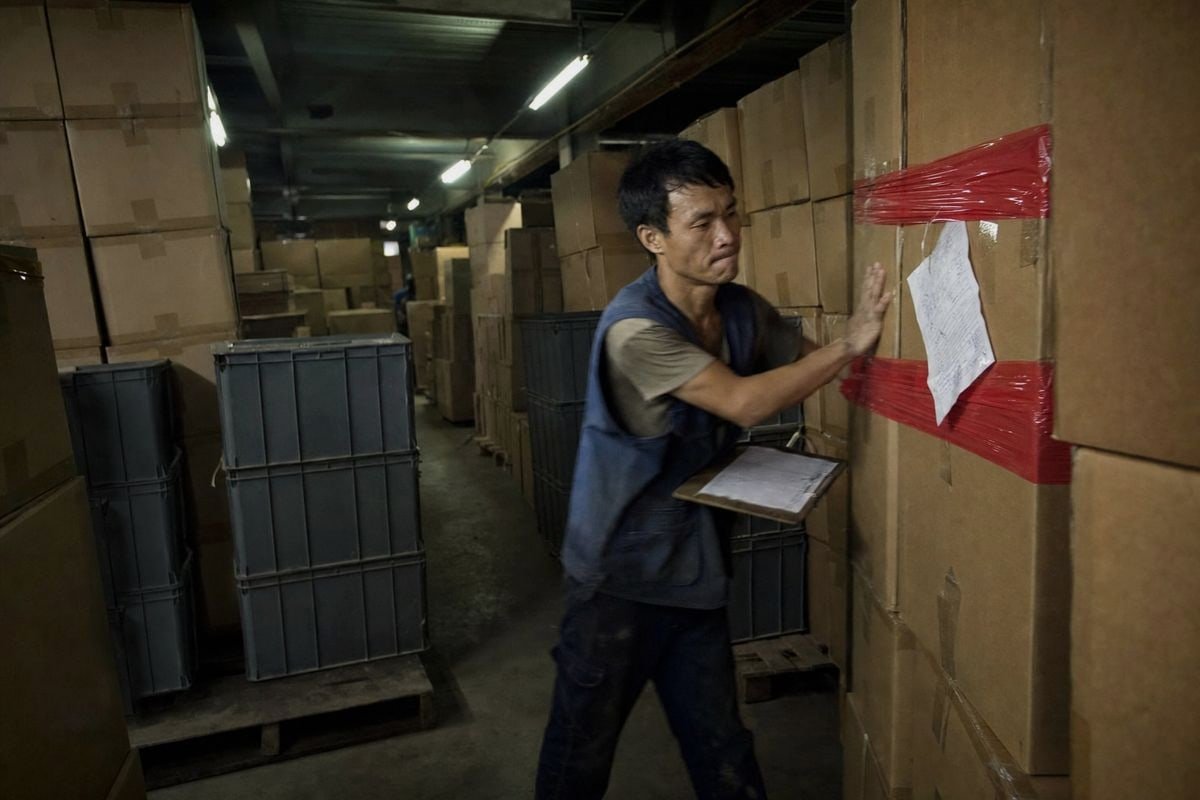
Recurrente inconsistencia de color 5 casi siempre tiene una causa sistémica. Un lote malo es un accidente. Tres lotes a la deriva apuntan a variación de materia prima, deriva del proceso o controles de almacenamiento débiles. Los registros a continuación le permiten ver con cuál está tratando, y si su proveedor también puede verlo.
Registros que predicen la consistencia
| registro de control de calidad | Lo que previene |
|---|---|
| inspección de entrada de materias primas | Desviaciones de pureza del colorante que causan llamas apagadas o de color incorrecto |
| Registros electrónicos de lotes con proporciones de mezcla | Variación entre mezclas en diferentes ejecuciones |
| Prueba de llama por lote (color, brillo, duración) | Lotes no conformes que llegan al empaque |
| Registros de humedad y temperatura en producción y almacén | Agrupación y migración química dentro de los paquetes |
| Registro de muestras retenidas | Incapacidad para investigar quejas futuras |
| Registro de control de cambios | Cambios silenciosos en la formulación o lotes de proveedores |
| Muestra de referencia maestra por SKU | Deriva en pedidos repetidos |
Observe la brecha de pedidos repetidos
Aquí está el punto que la mayoría de los compradores pasan por alto. Las mayores quejas de color no provienen de los primeros pedidos. Provienen de pedidos repetidos, cuando un cliente minorista espera que el paquete de este año coincida exactamente con la llama del año pasado. Muchos proveedores solo ajustan los controles para el primer envío. Exija que la misma disciplina de coincidencia de muestras maestras y pruebas de llama se aplique a cada nuevo pedido. En nuestra fábrica, probamos cada nueva ejecución contra la muestra maestra retenida para la SKU de ese cliente, porque la transparencia de la cadena de suministro 6 en la ejecución uno no significa nada si la ejecución cinco se desvía. También pregunte si su proveedor se basa en el juicio visual o en condiciones de prueba medidas y repetibles documentadas. Las comprobaciones visuales son rápidas, pero los registros de prueba documentados en condiciones estandarizadas son lo que se mantiene en una disputa.
¿Qué tan rápido puedo esperar un reemplazo de stock o una acción correctiva después de presentar una queja de lote con mi proveedor?
Un comprador del Reino Unido nos hizo exactamente esta pregunta antes de firmar un contrato, y lo respeté. La velocidad de la acción correctiva le dice más sobre un proveedor que cualquier folleto.
Espere el acuse de recibo de la queja en un plazo de 24 a 48 horas, el resultado verificado de la investigación en un plazo de 5 a 10 días laborables y el reemplazo de stock o la acción correctiva en un plazo de 15 a 30 días, dependiendo del inventario. Los reemplazos enviados por transporte aéreo desde el stock de reserva pueden llegar en menos de dos semanas; las nuevas tiradas de producción tardan más.

Los plazos varían con tres factores: si el proveedor tiene stock de reserva, si la investigación es sencilla y cuánto deben viajar los productos. Pero un proveedor profesional debería comprometerse por escrito en cada etapa.
Un plazo de acción correctiva realista
- Día 0-2: Acuse de recibo. El proveedor confirma la recepción, solicita el número de lote y las fotos, y abre un caso de no conformidad. El silencio en esta etapa es una señal de alerta.
- Día 2-10: Investigación. Comparación de quemado de muestras retenidas, revisión de registros de control de calidad, verificación de fecha de fabricación y comprobación de lotes de materias primas. Debería recibir un hallazgo por escrito, no solo "mejoraremos"."
- Día 10-15: Decisión de disposición. Replacement, credit, rework, or no fault found. If a genuine defect spans multiple lots, this is where a product recall procedure discussion begins.
- Day 15–30: Replacement delivery. From buffer stock, replacements can ship in days. From new production, add production lead time plus transit. Sea freight to the US or Europe adds four to six weeks, so urgent retail replacements usually justify air freight for small volumes.
- Day 30+: Preventive action. The supplier documents root cause and process changes, and updates you. Ask for this report. It is your evidence for the next negotiation.
How to shorten the cycle
Two things compress this timeline dramatically. First, agree on a reserved buffer of released, tested stock for high-priority replacements — we hold this for several long-term distributor accounts. Second, integrate lot number tracking into your own software de gestión de inventario 7, so you can tell the supplier exactly which cartons are affected on day one instead of day ten. Buyers who arrive with complete evidence get resolutions twice as fast, simply because the investigation starts immediately.
Conclusión
Color complaints are solved by proof, not guesswork. Lot numbers, retained samples, QC records, and a firm RMA process turn disputes into fast, fair, documented restocking decisions.
Notas al pie
1. Explains the fundamental concept of tracking products through the supply chain for quality control. ↩︎
2. Defines the identification code used to trace specific production batches in manufacturing. ↩︎
3. Provides context on the basic substances used in the primary production or manufacturing of goods. ↩︎
4. Wikipedia is an authoritative source defining batch production and its use of production runs and lot numbers. ↩︎
5. Industry leader's guide on identifying and managing variations in color during manufacturing. ↩︎
6. Explains the importance of visibility and disclosure in global supply chain operations. ↩︎
7. Overview of systems used to track inventory levels, orders, sales, and deliveries. ↩︎



 English
  Spanish
  German
  French
  Arabic
  Portuguese
Únete a la conversación