






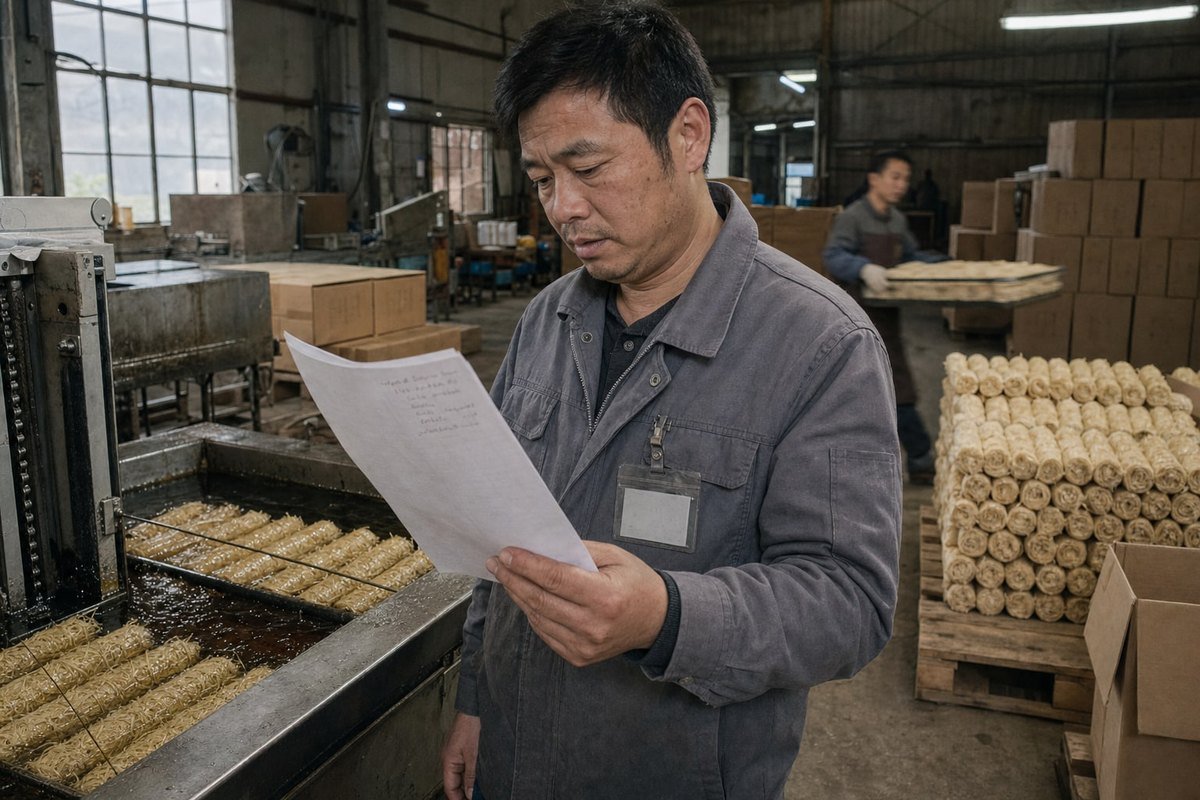
Payment timing for wood fire starters sourced from China worries almost every buyer I meet. Pay too early and you lose leverage. Pay too late and our production line stalls.
Structure payment timing for wood fire starters from China using a 30% deposit before production and a 70% balance released only after a passed pre-shipment inspection, or a 30/40/30 staged model tied to quality checkpoints, documented clearly in the proforma invoice.
That is the short answer. Below, I break down each stage in detail, from the first deposit to the final release, based on what actually works on the factory floor.
What Deposit and Balance Ratio Should I Negotiate for a New Wood Fire Starter Supplier?
A German distributor once asked me why we needed any deposit at all for wax-dipped wood rolls. I walked him through our paraffin purchasing cycle, and it clicked immediately.
For a new wood fire starter supplier, negotiate 30/70 payment terms: a 30% deposit via Telegraphic Transfer (T/T) upon order confirmation, and a 70% balance due after a passed pre-shipment inspection. Only accept 50/50 when custom packaging or tooling raises the supplier's upfront costs.
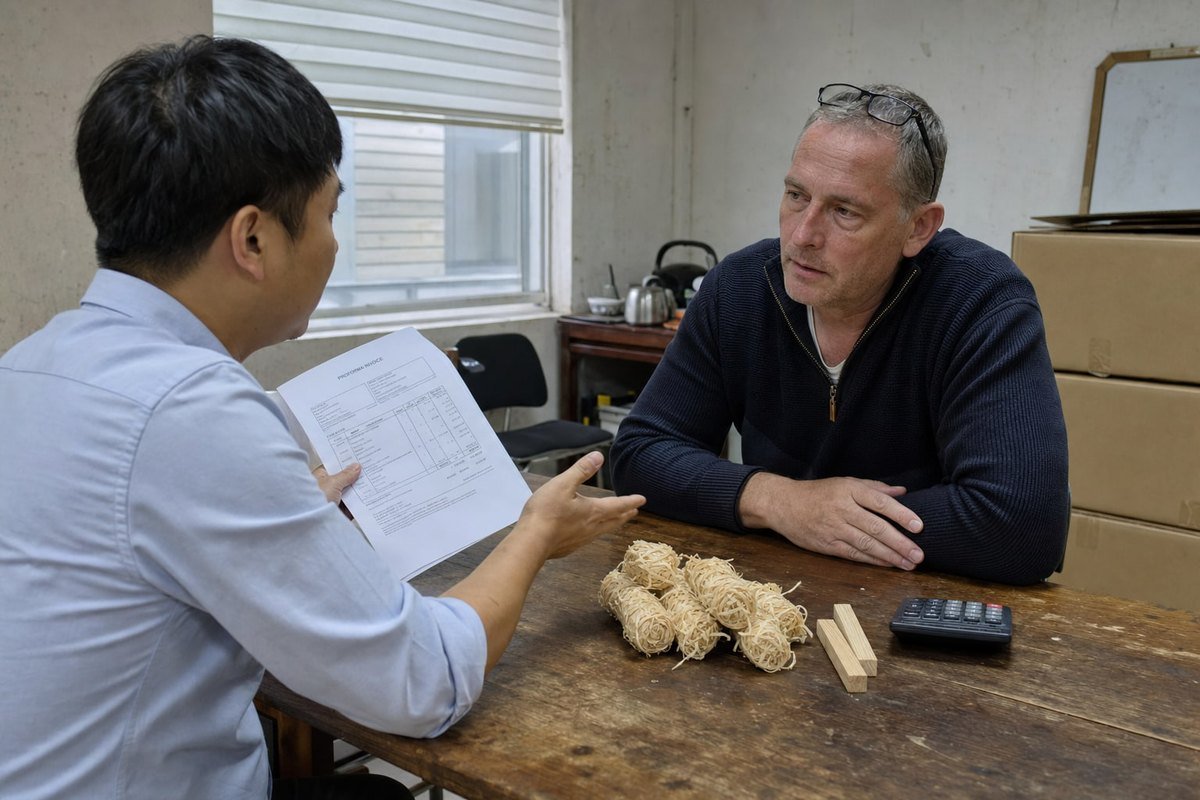
The deposit exists for one reason. It funds materials and reserves capacity. For our wood firestarters, the deposit covers wood wool, paraffin wax 1, and packaging stock before a single unit is dipped. The balance exists for a different reason. It keeps the buyer in control until quality is verified.
Here is how the common structures compare:
| Structure | Deposit | Middle Payment | Balance | Best For |
|---|---|---|---|---|
| 30/70 | 30% at order confirmation | None | 70% before shipment | Standard first orders |
| 30/40/30 | 30% at order confirmation | 40% after quality confirmation | 30% against Bill of Lading 2 (B/L) copy | Quality-sensitive or custom orders |
| 50/50 | 50% at order confirmation | None | 50% before shipment | Custom tooling, small trial orders |
| Net terms | 0% | None | 100% after delivery | Established repeat relationships only |
Why 30% Is the Fair Baseline
Wood fire starters are a middle-ground product. They are not as capital-heavy as brass or steel goods. But they still require real working capital. Paraffin is oil-linked and price-sensitive. Custom retail boxes, like a printed 100-piece display carton, must be ordered before production starts. A 30% deposit covers those inputs without over-exposing the buyer.
When a Higher Deposit Is Justified
If you request FSC certification 3 on the wood inputs, private-label packaging, or a very small trial run, expect the supplier to ask for more upfront. That is not a red flag. It reflects real setup cost. What is a red flag is any demand for 100% before production. In seventeen-plus years of exporting, I have never seen a legitimate reason for a new buyer to accept that.
The Negotiation Angle Most Buyers Miss
Off-season timing is leverage. During spring and summer, fire starter factories have idle capacity. Some buyers negotiate small capacity-lock deposits of 10–15% to reserve winter production slots. That protects your peak-season supply without tying up cash.
How Can I Protect My Payment with Safer Terms Like L/C or Escrow?
Early in our export history, a first-time buyer from Poland insisted on Alibaba Trade Assurance 4 for his trial order. We agreed without hesitation, and he became a repeat customer precisely because we did.
Protect your payment by using escrow services like Trade Assurance for small first orders, and a Letter of Credit (L/C) for high-volume purchases. Both release funds only when documented milestones are met, and both should follow supplier verification of the factory's legal entity.

No payment method removes risk completely. But each method shifts risk in a different direction. Your job is to match the method to your order size and trust level.
| Method | Cost | Protection Level | Typical Use Case |
|---|---|---|---|
| Telegraphic Transfer (T/T) | Low bank fees | Depends entirely on timing structure | Standard orders with staged milestones |
| Trade Assurance / escrow | Platform fees, often absorbed | High for small orders | First trial orders, new supplier relationships |
| Letter of Credit 5 (L/C) | Higher bank charges both sides | Bank-backed, document-based | Container-scale or high-value orders |
How Escrow Actually Works for Trial Orders
Escrow services hold your money with a third party. Funds release only when shipping and quality milestones are verified. For a trial order of a few thousand dollars in fire starters, this is usually the simplest protection. The catch is that escrow platforms tie you to their ecosystem, and dispute resolution can be slow.
When an L/C Makes Sense
A Letter of Credit is bank-backed. The bank pays the supplier only against compliant documents, typically including the Bill of Lading and inspection certificates. For container-volume procurement, the fees are worth it. For small orders, they usually are not. In our experience exporting to thirty-plus countries, buyers switch to L/C once single orders cross a meaningful five-figure value.
Supplier Verification Comes First
Before any payment method matters, verify who you are paying. Confirm the bank account name matches the legal entity on your contract and invoice. Payments sent to unrelated personal accounts are the single most common fraud pattern in China sourcing. We always invoice from our registered company entity, and any factory that refuses to do the same deserves scrutiny. Keep every payment record and email thread. If a bank compliance query or dispute arises, that paper trail is your defense.
One Currency Nuance
Consider negotiating in Chinese Yuan (CNY). Some suppliers offer a 2–3% discount because it removes their need to hedge USD/CNY exchange volatility.
When Should I Release Final Payment After Quality Inspection and Before Shipment?
The trade-off I weigh with every buyer is simple: they want to pay as late as possible, and we need cash flow to release cargo. The inspection checkpoint is where both interests meet.
Release the final payment only after a passed pre-shipment inspection, and ideally against a scanned copy of the Bill of Lading. Never release the balance on verbal completion claims. The inspection should verify quantity, wax saturation, moisture content, packaging, and compliance documents before funds move.
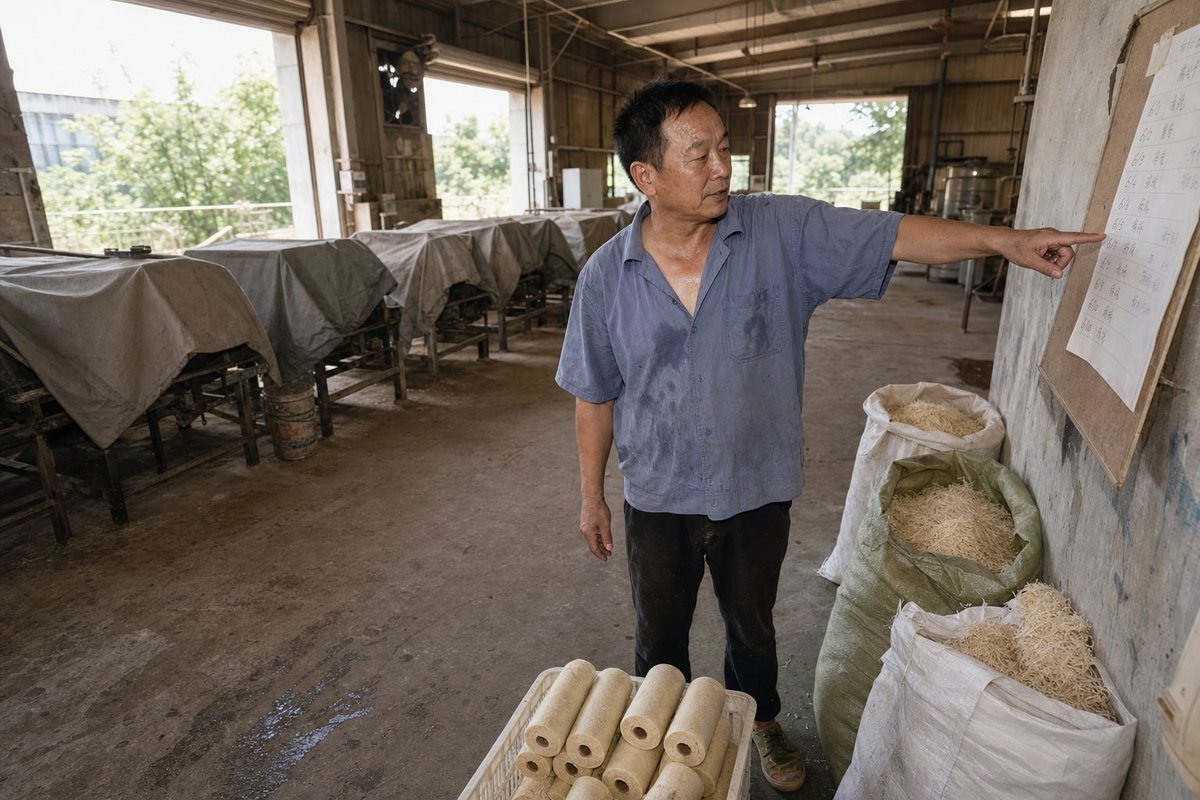
The phrase "balance before shipment" hides three very different positions. Paying before goods leave the factory is the weakest. Paying after inspection passes is stronger. Paying against a B/L copy is strongest, because the goods are already loaded and documented before your money moves.
The Milestone Sequence That Works
- Production completes and the factory notifies you.
- A third-party or buyer-appointed quality control inspection takes place at the factory.
- The inspection report confirms quantity, packaging, labeling, and product performance.
- You wire the balance via T/T, allowing several business days for the transfer to clear.
- The supplier releases cargo to the forwarder and provides the B/L copy.
- Your claims window begins upon receipt.
What Inspection Should Cover for Fire Starters
Wood fire starters have product-specific failure points that generic inspections miss. On our own lines in Ningbo, batch QC checks these same items before any order ships:
| Check Point | Target | Why It Matters |
|---|---|---|
| Moisture content | Wood wool below roughly 12% humidity | Damp fiber ignites poorly and molds in transit |
| Wax saturation | Matches the approved sample ratio | Under-waxed units burn too short |
| Burn time | Within agreed tolerance of the sample | The core performance promise to retail customers |
| Packaging and labels | Correct barcodes, warning labels, artwork | Retail rejection risk at destination |
| Compliance documents | Test reports, phytosanitary certificates 6 where required | Customs clearance and legal import |
Some experienced buyers go further. They hold a final 10% until the supplier provides verified digital copies of mandatory documents, such as Phytosanitary certificates or Lacey Act 7 declarations for the US market. For quality-sensitive first orders, that document-release holdback is reasonable. Because we run SGS and Intertek testing as standard, we treat that request as routine rather than adversarial.
Watch the Wax Variable
Paraffin tracks oil prices. If prices spike mid-production, a weak supplier may quietly reduce wax saturation to protect margin. A wax-index adjustment clause in your terms removes that temptation by allowing small, transparent price movements instead.
How Do I Adjust Payment Terms as My Order Volume with a Factory Grows?
One of our longest-standing US customers started with a single trial pallet of wax-dipped wood rolls seven years ago. His payment terms today look nothing like his first order, and that evolution followed a predictable path.
As order volume grows, move from strict 30/70 terms toward lower deposits, balance-against-B/L payments, and eventually partial net terms. Earn each improvement through consistent order history, and tie every change to written milestones in the proforma invoice, never to informal promises.
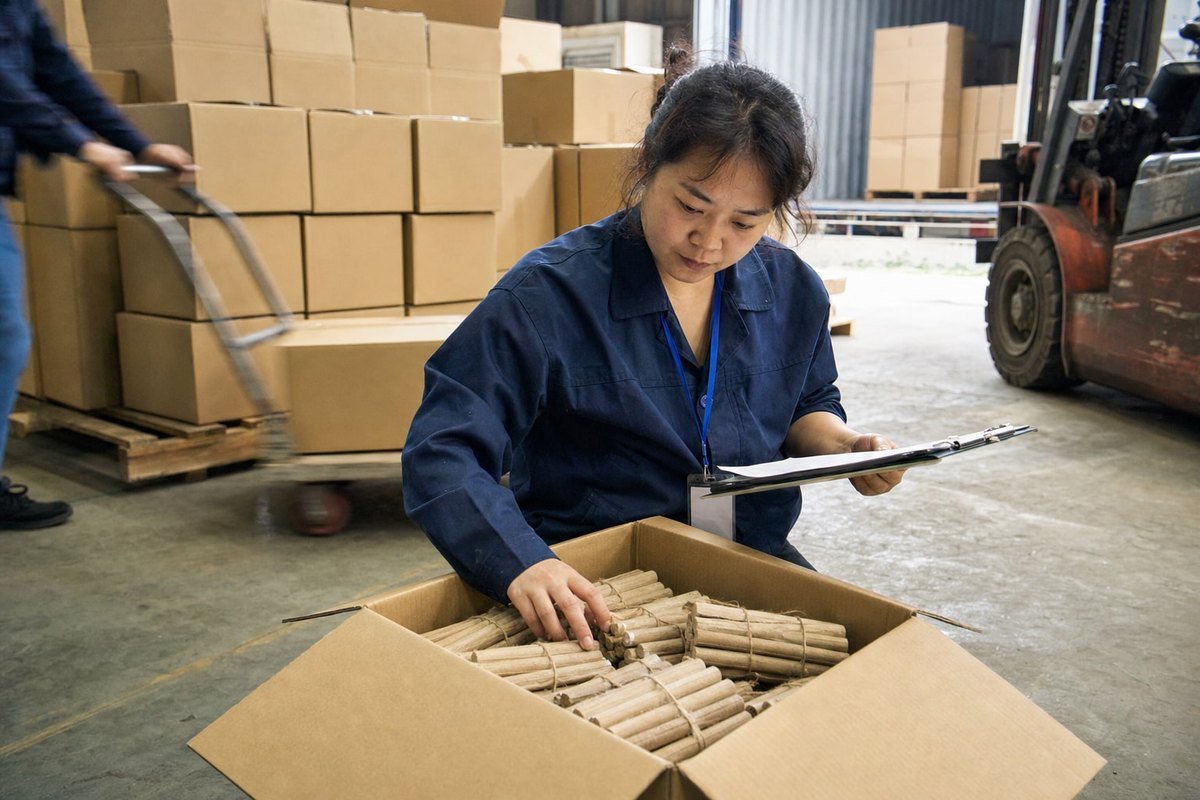
Payment terms are a trust ledger. Every clean transaction adds credit. Every dispute subtracts it. The practical question is what to ask for at each stage, and what a reasonable factory will accept.
A Realistic Progression Path
For the first one or two orders, keep the conservative 30/70 or 30/40/30 structure with a full quality control inspection. By orders three to five, if quality has been consistent, negotiate the balance against B/L copy rather than before cargo release. Beyond that, larger buyers often reduce the deposit to 20% or negotiate seasonal capacity-lock deposits for peak winter demand. True open-account net terms come last, usually only for buyers with years of history and meaningful annual volume. From the factory side, we extend flexibility fastest to buyers who forecast accurately, pay on the agreed date, and communicate problems early.
Volume Changes More Than the Ratio
Growing volume also changes lead time planning. A container order of fire starters needs wood wool and paraffin procured weeks ahead. Buyers who share rolling forecasts let us pre-book materials, which stabilizes both pricing and delivery dates. That planning discipline is often worth more than a few points of deposit reduction.
Document Every Change
Whatever terms you reach, write them precisely. Avoid phrases like "pay when ready." Use exact triggers: "30% deposit upon PO confirmation; 70% balance due within three business days of PSI pass, before cargo release." Put the terms in the purchase order and proforma invoice, including the production timeline, inspection timing, and defect-handling expectations. Also remember the full import cycle. From deposit to goods on your shelf can span weeks to months once production, inspection, ocean freight, and customs are counted. Structure your cash flow around that entire cycle, not just factory production time.
Conclusion
Poor payment timing costs importers leverage, cash, and sleep. The fix is structural: start at 30/70, anchor the balance to inspection or the B/L, and upgrade terms as trust compounds. Structure the milestones clearly, and payment timing becomes your strongest sourcing tool.
Footnotes
1. Background on the oil-linked material whose price volatility affects supplier costs and deposits. ↩︎
2. Defines the shipping document used as a payment milestone in the described trade terms. ↩︎
3. Explains the forest stewardship certification standard referenced for wood fire starter inputs. ↩︎
4. Official Alibaba program page describing the escrow-style payment protection mentioned in the article. ↩︎
5. Background on how bank-backed letters of credit function in international trade payments. ↩︎
6. International Plant Protection Convention explains phytosanitary certification for wood product exports. ↩︎
7. Official US government source explaining the Lacey Act requirements mentioned for import compliance. ↩︎


 English
  Spanish
  German
  French
  Arabic
  Portuguese
Join the Conversation