







Wood fire starters look simple on paper, and that is exactly why so many catalogs misprice them. On our production line in Ningbo, we watch buyers make the same mistake every season: they price by unit cost, race to the bottom, and then wonder why the product neither sells well nor earns anything. Meanwhile, competitors turn the same wax-dipped wood rolls into a reliable margin engine. The gap is not the product. It is the pricing and positioning strategy behind it.
Price wood fire starters using landed cost plus a target gross margin of 50–65%, positioned by cost-per-fire rather than unit price. Offer a good-better-best ladder: a value multipack in low single digits per unit, a mid-tier branded pack, and a premium certified eco bundle at $10–$15.
That is the short answer. Below, I break down each part: competitive price ranges, positioning against uncertified alternatives, bundling tactics, and how certifications justify a premium.
What Price Range Should I Set for Wood Fire Starters to Stay Competitive Yet Profitable?
A German distributor once told me his best-selling fire starter was also his least profitable one. After 17 years of shipping these products to 30+ countries, I hear that story constantly, and it always traces back to the same pricing error.
Set retail prices between $0.30–$0.60 per starter for value multipacks, $0.50–$1.00 per unit for mid-tier branded packs, and $10–$15 for premium eco bundles or tins. Anchor pricing on landed cost and cost-per-fire, targeting 50–65% gross margins.

The single biggest pricing mistake I see is starting from factory cost instead of landed cost. Freight, duties, and fulfillment fees change the math completely, especially for a bulky-but-light product like wood wool starters. Before you set any retail price, calculate what one unit truly costs when it lands in your warehouse. Then work forward from a target margin, not backward from a competitor's shelf price.
Think in Cost-Per-Fire, Not Cost-Per-Unit
Your customer does not buy a fire starter. They buy a successful ignition event. A cheap paraffin cube that needs two or three pieces per fire is more expensive per fire than a quality wood wool roll that lights first time with a 10+ minute burn time. This is your strongest internal metric and your strongest marketing story. When we develop custom burn times for OEM clients, this is the number we optimize around.
A Practical Three-Tier Pricing Ladder
Here is the structure I recommend to purchasing managers who ask us for assortment advice:
| Tier | Product Type | Typical Retail | Role in Catalog |
|---|---|---|---|
| Entry / Value | Bulk box (e.g., 100 pcs wax-fiber pucks) | $15–$25 per box ($0.15–$0.25/unit) | High turnover, price anchor |
| Mid-Tier | Branded wood wool multipack (12–24 pcs) | $8–$14 per pack | Default recommendation, best margin-volume balance |
| Premium | Certified eco bundle with fatwood sticks 1 or kindling, gift tin | $10–$18 | Margin driver, giftable, differentiator |
The mid-tier pack should be your hero product. Value shoppers get their entry option, and eco-conscious buyers get their premium option, but most revenue flows through the middle. Note also the $10–$15 sweet spot: packs priced there work as threshold-fillers, helping e-commerce customers reach free-shipping minimums at checkout. That placement alone can lift conversion on an otherwise overlooked accessory.
Seasonality matters too. Camping season and fireplace season create two demand peaks. Protect your profit margins during peaks and reserve discounting for shoulder months, not your busiest weeks.
How Can I Position Wood Fire Starters Against Cheaper, Uncertified Alternatives in My Catalog?
During a factory audit last year, an SGS inspector 2 spent a full morning on our raw material traceability alone. That experience shapes how I answer this question, because uncertified alternatives skip every step of that scrutiny.
Position certified wood fire starters as performance and safety products, not commodities. Lead with reliability metrics like burn time and moisture resistance, highlight chemical-free natural tinder materials, and frame uncertified alternatives as a liability risk for both retailers and end users.
Your catalog will always face pressure from two directions: dirt-cheap uncertified imports and DIY substitutes like newspaper, cotton balls with petroleum jelly 3, or scavenged kindling. You cannot out-price them, and you should not try. Instead, reposition the comparison entirely.
Sell Reliability, Not Cheapness
A starter that fails in damp conditions is worthless to a camper. That is why moisture resistance 4 and consistent ignition are your lead selling points, not price. In our QC process, we test batch samples under humidity variation precisely because a starter that works in a dry showroom but fails at a wet campsite destroys trust in your brand, not ours. Use simple, scannable labels in your catalog: "Lights first time, even damp," "10+ minute burn time," "Low smoke, low odor." Bushcraft gear buyers and weekend campers alike self-select faster with plain performance language than with technical specs.
Make the Comparison Explicit
A short comparison table in your product page or catalog spread does the positioning work for you:
| Factor | Certified Wood Wool Starter | Uncertified Cheap Cube | DIY Newspaper/Cotton |
|---|---|---|---|
| First-strike ignition | High, tested batch-to-batch | Inconsistent | Unreliable |
| Burn time | 8–12 minutes | 3–6 minutes | Under 2 minutes |
| Moisture resistance | Wax-sealed | Variable | Poor |
| Chemical/odor safety | Documented, food-safe options | Unknown composition | Petroleum residue |
| Retail liability | Test reports available | Retailer carries the risk | N/A |
Segment by Use Case
Different buyers respond to different framing. Split your catalog placement: a compact, waterproof format for survival kits 5 and emergency preparedness sections; long-burn, low-odor formats for fireplace and BBQ pages; and multipacks under camping essentials. The same physical product can hold three positions when the merchandising language shifts. One retail sourcing client of ours in the US runs identical starters in both their grilling aisle and their emergency preparedness endcap, with different packaging, and both placements outperform the generic "fire accessories" shelf.
Should I Bundle Wood Fire Starters with Other Camping Products to Boost My Average Order Value?
One of the trade-offs I weigh constantly with OEM clients is pack size versus bundle depth: a bigger standalone pack raises unit revenue, but a smart bundle raises basket size. In almost every catalog we supply, the bundle wins.
Yes. Product bundling is one of the highest-leverage tactics for fire starters. Pair them with fatwood sticks, kindling, matches, or grilling accessories, and cross-merchandise them as add-ons beside fire pits, stoves, and firewood to lift average order value by making them feel essential.
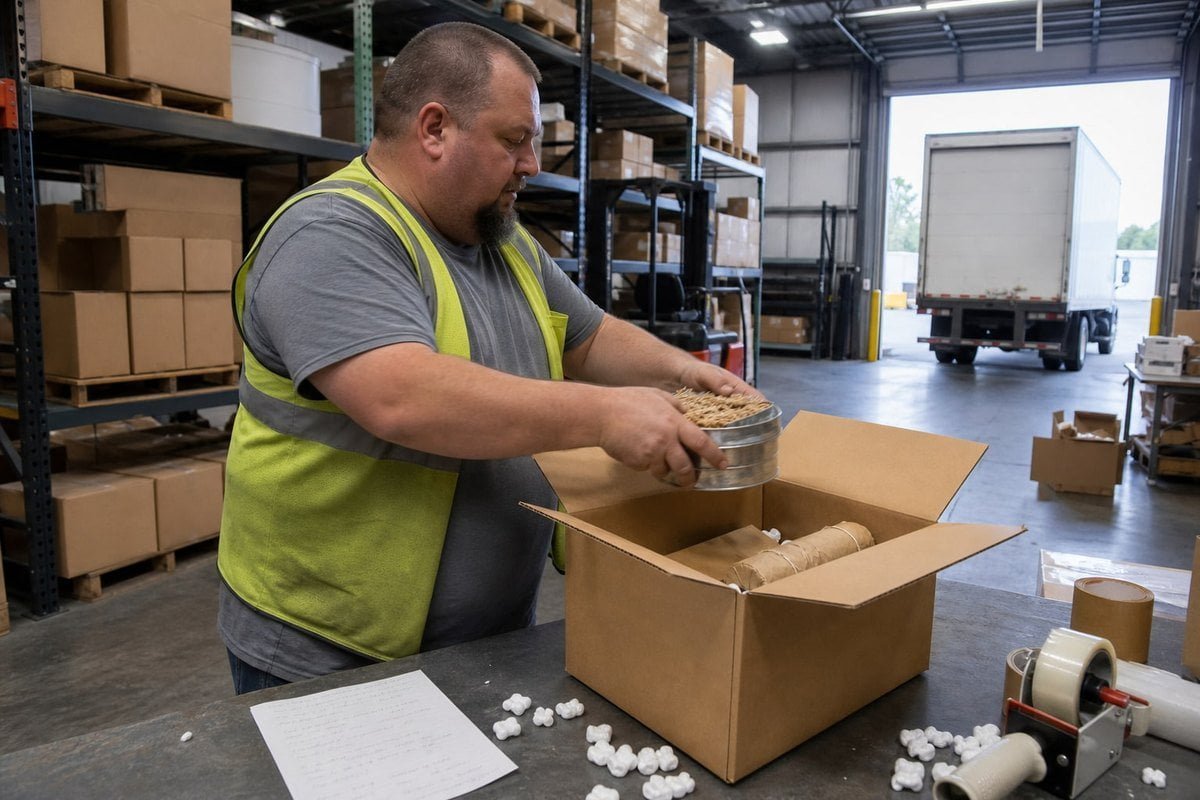
Fire starters are a natural impulse accessory. On their own, they rarely justify a dedicated purchase trip. Attached to something else, they convert extremely well. That is why we designed our fire-starting kits, like the wood wool rolls paired with compressed kindling strips, to work as ready-made bundle components rather than isolated SKUs.
Bundle Structures That Work
- The Ignition Kit. Fire starters plus fatwood sticks plus kindling in one box. This is a complete solution and supports a premium price because the customer buys an outcome, not a component.
- The Add-On Attach. Position starters as a "Recommended Add-on" on the product pages of high-ticket items: fire pits, wood stoves, premium grills. A $12 attach on a $400 fire pit is nearly frictionless.
- The Seasonal Refill. Offer a bulk refill bag for homeowners and a compact travel tin for backpackers. A recurring autumn-winter subscription discount converts one-time buyers into predictable revenue.
- The Themed Gift Set. Combine starters with color-flame pinecones or Magic Fire packets for a giftable fireside set. Gift buyers are the least price-sensitive segment you have.
Where to Place Them in the Catalog
| Placement | Bundle Partner | AOV Effect |
|---|---|---|
| Camping essentials page | Matches, lighters, stove fuel | Attach to planned purchases |
| Fireplace & stove supplies | Firewood, kindling, tools | Refill and repeat purchase |
| Checkout / cart page | None (threshold-filler at $10–$15) | Pushes orders over free-shipping minimums |
| Fire pit / grill product pages | High-ticket hardware | Near-zero-friction attach |
One caution from experience: do not bury your hero multipack inside bundles only. Keep it available standalone so the bundle reads as added value, not as a forced purchase. And keep bundle margins honest; discount the bundle slightly against the sum of parts, but never below your mid-tier standalone margin.
How Do Certifications Like ISO and CE Help Me Justify a Premium Price to My Customers?
Early in our export history, we lost a promising European fireplace distributor over a single missing test report. That lesson reshaped our whole factory: today we hold ISO 9001, BSCI, and CE, with SGS and Intertek test documentation, because our buyers treat these as hard requirements, not nice-to-haves.
Certifications justify a premium by converting invisible quality into verifiable proof. ISO 9001 signals consistent production, CE confirms regulatory compliance for European markets, and third-party test reports document safety claims — reducing retailer liability and giving customers a concrete reason to pay more.

Here is the commercial logic in plain terms. A shopper looking at two nearly identical fire starters cannot see burn consistency, chemical composition, or factory quality control. Certifications make those invisible qualities visible, and visible quality supports higher prices.
What Each Certification Actually Signals to Buyers
ISO 9001 tells your customer that the tenth container matches the first sample. In fire products, batch-to-batch consistency is the whole game: a starter that burns 10 minutes in one batch and 5 in the next kills repeat purchase. CE marking opens European shelves legally and tells consumers the product meets safety directives. BSCI covers ethical sourcing 6, which matters enormously to sustainability-driven retail chains. SGS and Intertek reports let you make specific, defensible claims: chemical-free, food-safe near grills, low odor. For the fast-growing BBQ and outdoor cooking segment, "food-safe" and "chemical-free" are not decoration; they are the purchase trigger.
Turning Compliance into Catalog Copy
Do not just print logos. Translate them into buyer benefits: "Independently tested for chemical-free burning — safe for cooking fires." Pair that with an eco story. Our wood fire starters use sustainable materials, and starters made from wood processing byproduct support a genuine circular-economy narrative 7: industrial wood waste upcycled into reliable natural tinder. Eco-conscious demographics pay real premiums for that story, but only when documentation backs it. Uncertified competitors can copy your product photo; they cannot copy your test reports. In my experience across US and European markets 8, that documentation gap is worth 20–40% in sustainable price premium, and it also protects you: when a retailer's compliance team asks for paperwork, you either have it in 24 hours or you lose the listing.
Conclusion
Underpriced fire starters quietly drain margin from otherwise healthy catalogs. The fix is structural: price by landed cost and cost-per-fire, sell reliability over cheapness, bundle with camping essentials and fireplace goods to lift average order value, and let certifications carry your premium tier. Get those four pieces right, and a humble wax-dipped wood roll becomes one of the most dependable earners on your shelf. From our factory floor to your catalog, that is the strategy we have watched work for 17 years.
Footnotes
1. Wikipedia entry for fatwood, a natural resinous wood often bundled with fire starters. ↩︎
2. Official site of the global inspection company mentioned conducting factory audits in the text. ↩︎
3. Wikipedia entry for a common substance used in DIY fire starters mentioned as a competitor. ↩︎
4. Wikipedia entry explaining water resistance, a critical performance factor for outdoor fire starters. ↩︎
5. Official U.S. government guide for emergency preparedness kits, relevant to product positioning. ↩︎
6. UNICEF page on sustainable procurement, providing context for ethical sourcing and BSCI standards. ↩︎
7. EPA resource explaining the circular economy, supporting the article's sustainability and upcycling claims. ↩︎
8. Official U.S. government page regarding trade relations and market access in Europe. ↩︎



 English
  Spanish
  German
  French
  Arabic
  Portuguese
Join the Conversation