






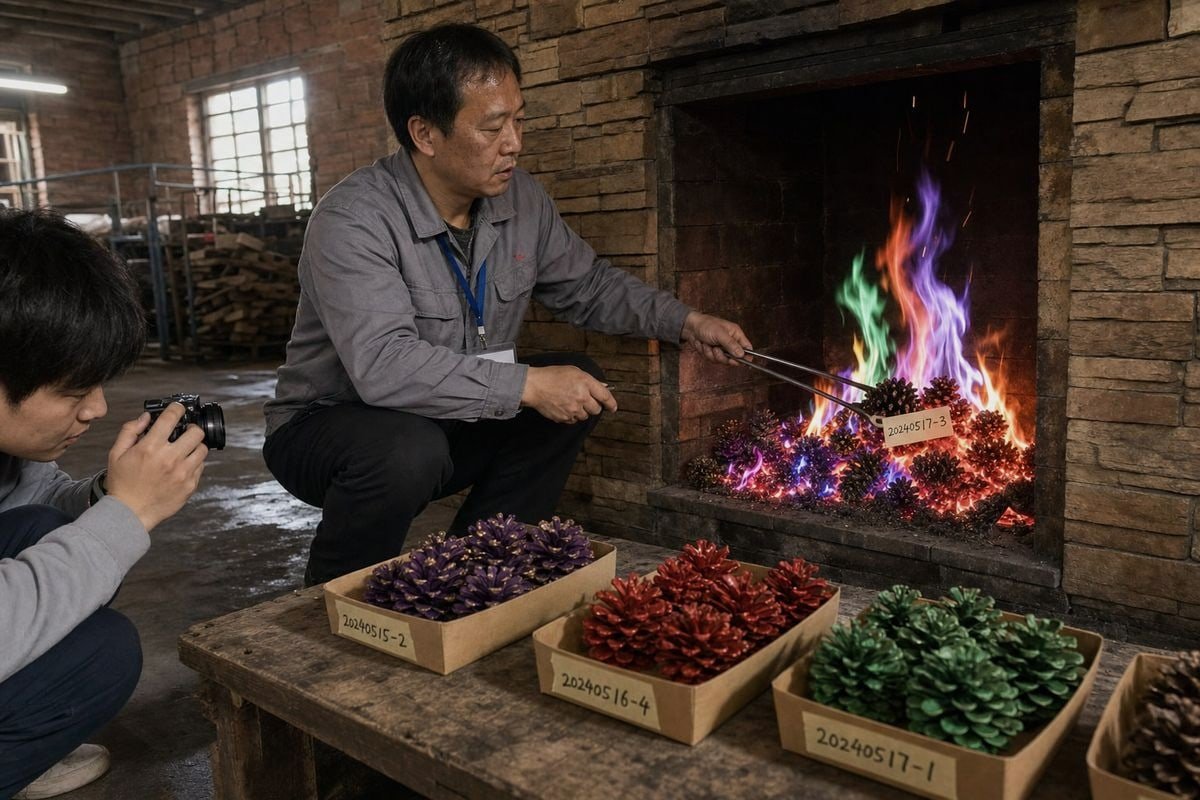
Preparing flame effect comparison displays for fireplace colored pine cones is a question our production team hears constantly from distributors. Buyers want visual proof before committing to bulk orders. Without a controlled, side-by-side visual demonstration, your retail pitch loses its strongest weapon — and inconsistent demos can quietly kill a deal. Our factory has spent 17+ years perfecting exactly this kind of [standardized flame testing](https://sunrichfire.com/how-test-fireplace-colored-pine-cones-flame-coloring-performance/).
To prepare flame effect comparison displays for fireplace colored pine cones, use one wood-burning fireplace, equal cone counts per batch, identical fire stages, labeled test groups, and a neutral flame base. Record color intensity, burn time duration, smoke, and residue, then photograph each burn from the same angle.
That is the short answer. But a display that actually convinces retail buyers takes more planning. Below, I walk through certifications, staging methods, safety data, and sample kits — step by step.
What certifications should I verify before showcasing flame colors to my retail buyers?
A German importer once told me his previous supplier's demo was gorgeous — vivid greens, deep blues — but the shipment got rejected at customs for missing test reports. Our team hears versions of that story every trade season.
Before showcasing flame colors, verify ISO 9001 quality management certification, BSCI social compliance audits, CE marking for the EU, and third-party SGS or Intertek chemical test reports. Retail buyers in the US and Europe treat these as hard requirements, not optional extras.
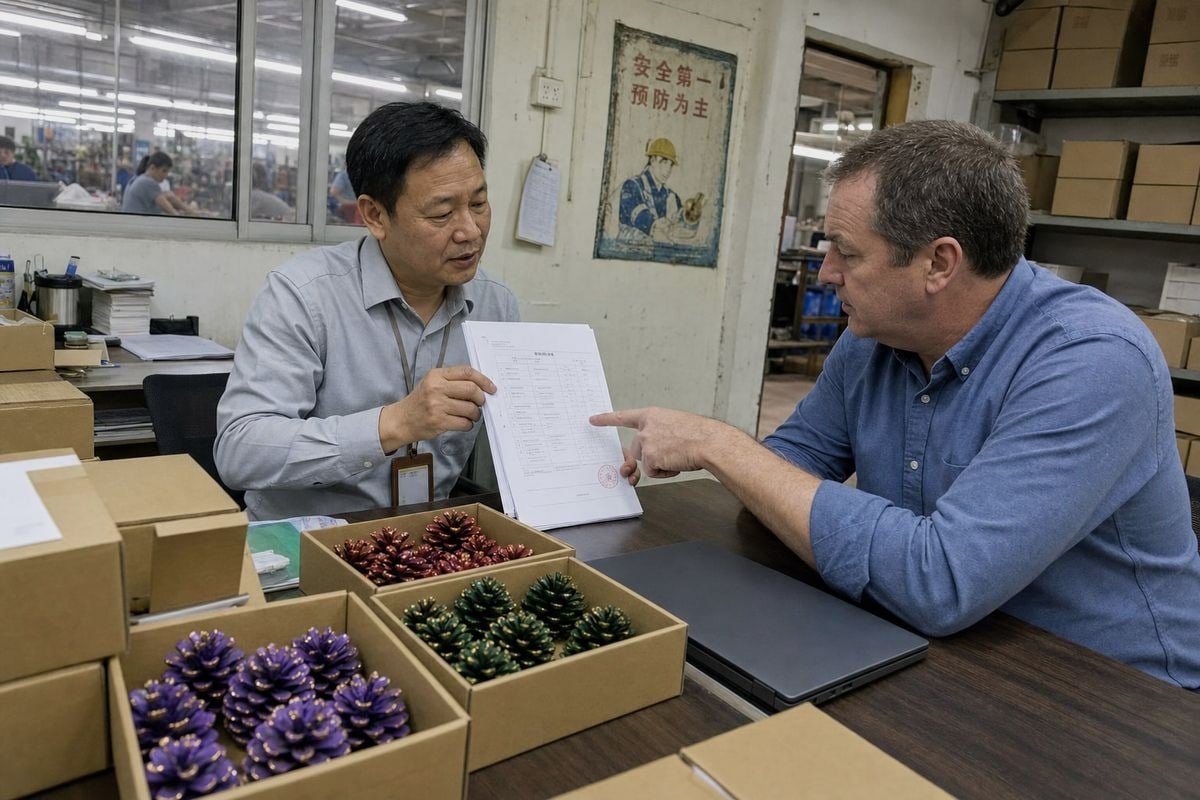
A beautiful flame means nothing on the shelf if the paperwork behind it is weak. Large retail sourcing channels — the Home Depot–type buyers we supply — will not even schedule a demo without documentation. So build your comparison display around certified batches 1 from day one. That way, the flames you show are the flames you can legally ship.
The core documents buyers will ask for
Here is the checklist we hand to new B2B clients before any flame demonstration:
| Certification / Report | What It Proves | Who Demands It |
|---|---|---|
| ISO 9001 | Consistent quality management across batches | Almost all importers |
| BSCI audit | Ethical factory and social compliance | EU retail chains, especially Germany and the Netherlands |
| CE marking | Product meets EU safety directives | All European distributors |
| SGS / Intertek reports | Chemical flame colorants are free of harmful heavy metals | US and EU buyers, plus customs |
Third-party lab reports 2 matter most for this product category. Colored pine cones rely on metal salts 3 for fire coloration, and buyers need proof that the formulation excludes toxic compounds. Our Magic Fire line, for example, uses eco-friendly colorants with no harmful chemicals, and every batch ships with matching test documentation.
One more practical point. Ask your supplier whether the certified sample and the mass-production batch come off the same line. We run strict batch-to-batch quality control precisely because a demo built on a "golden sample" that production cannot match will destroy trust with a retail buyer faster than any pricing dispute.
How do I set up a side-by-side display that accurately shows each color-flame variation?
The trade-off we weigh in every demo is purity versus spectacle. Burning all colors together looks dramatic, but burning one additive at a time proves what each batch actually does. Our showroom fireplace in Ningbo runs both formats for visiting buyers.
Set up separate labeled batches, one colorant per group, and burn them one at a time in the same wood-burning fireplace. Add 2–5 cones once the fire settles into coals or low flame, use a neutral flame base, and photograph each burn identically.
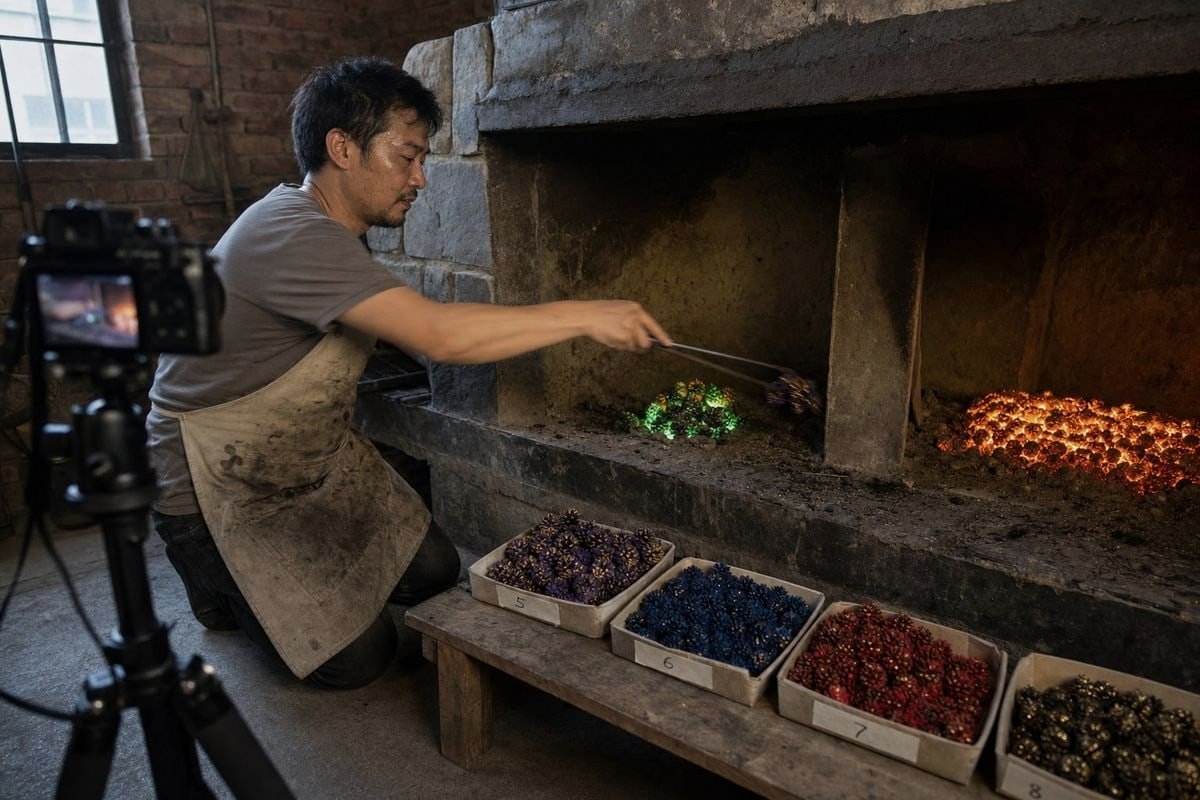
Accuracy comes from control. Mixed piles create muddy, overlapping colors that no buyer can evaluate. Instead, treat your display like a simple experiment.
A standardized burn protocol
- Use one fireplace for all tests. Same firebox, same draft, same wood species. Changing any variable ruins the comparison.
- Start from a neutral flame base. High-quality lump charcoal or a fire burned down to coals minimizes natural orange interference, so the chemical color reads clearly.
- Match your cones. Use the same pine species and similar cone weight per batch. This "burn rate matching" ensures each color peaks at a comparable time during a side-by-side visual demonstration.
- Add cones at the same fire stage. Treated cones show their best color on coals or low flame, not on a roaring fresh fire.
- Arrange cones in a V-shape in the grate. This concentrates the metal ions in the center of the updraft and produces a vivid, localized color pillar.
- Label everything. Heat-resistant ceramic tags or a printed color spectrum chart beside the hearth turn a burn test into an educational display buyers remember.
Expected color mappings — with a caveat
Published charts disagree, so present these as reported examples, not guarantees:
| Target Color | Commonly Reported Colorant |
|---|---|
| Blue | Cupric chloride |
| Green | Copper sulfate crystals, borax, or boric acid |
| Red | Strontium chloride or lithium chloride |
| Violet | Potassium chloride |
| Orange | Sodium borate |
| Yellow | Sodium-based compounds |
Because mappings vary by formulation, always compare visually rather than trusting the chart alone. Also stage a pre-burn display: finished cones arranged in clear jars or decorative baskets, labeled by color, make handsome hearth and mantel decor while guests or buyers wait for the fire. And take "before and after" shots — plain fire versus treated fire — from a fixed angle with fixed lighting. Those two frames sell more product than any spec sheet.
What burn time and safety data should I include when comparing different pinecone batches?
Lessons from our export files shape how we document burns today. Years ago, a Canadian wholesaler asked us a simple question — "how long does the color last?" — and our answer was vague. We never made that mistake again. Every batch we test now gets a full data sheet.
Include burn time duration per cone, time to peak color, color persistence, smoke output, residue level, and fireplace compatibility warnings. State clearly that cones are for wood-burning fires only, never gas log fireplaces, and must be fully dry before ignition.
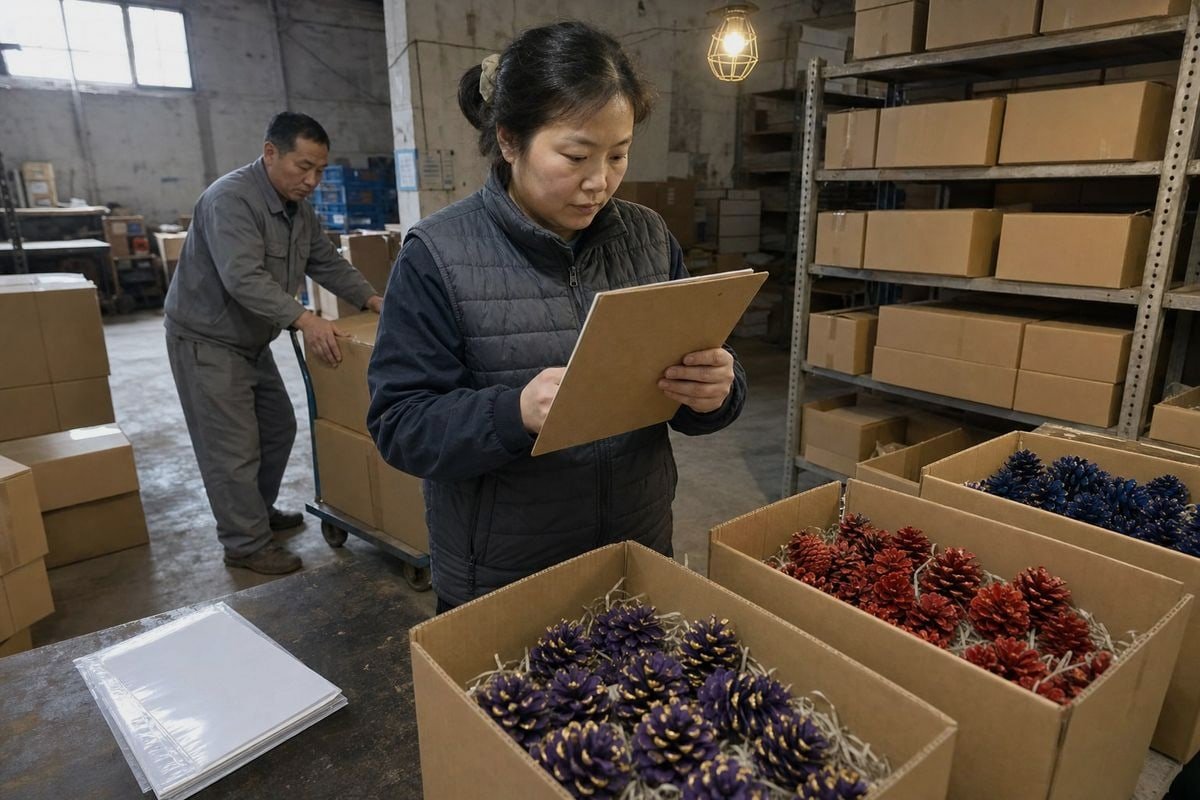
Numbers turn a novelty demo into a professional sourcing decision. Retail buyers compare your data against competing products, so record everything on a standardized notes sheet during each test burn.
The data fields that matter
| Data Field | Why Buyers Care | Typical Reference Point |
|---|---|---|
| Burn time duration | Determines perceived value per cone | Demo batches often burn around one hour |
| Time to peak color | Sets customer expectations | Usually a few minutes after adding to coals |
| Recommended cone count | Guides packaging and instructions | 2–5 cones per fire for a visible effect |
| Smoke output | Indoor usability | Should be minimal with dry, treated cones |
| Residue and cleanup | Affects repeat purchase | Note ash color and any coating leftovers |
| Compatible fire types | Legal and safety exposure | Wood fireplaces, wood stoves, campfires, chimineas |
Safety statements you must not skip
Wood-burning fireplace 4 safety is not just a footnote; it is a liability shield. Your comparison materials should state plainly that these cones are flame-effect items added to an established fire — not primary DIY fire starters — and that they must never go into gas log fireplaces 5, where residue can damage the burner. Recommend a spark screen for open hearths. If any DIY-treated batches appear in your comparison, note that soaked cones must dry completely before burning and that preparation requires gloves, eye protection, ventilation, and proper chemical storage containers 6. Here is the honest tension buyers raise: DIY chemical flexibility is cheaper, but results vary batch to batch. Commercial cones with documented safety data win on consistency — which is exactly what a retail shelf demands.
Can I get custom sample kits from my manufacturer to test flame consistency before bulk ordering?
A US camping brand approached us last year wanting proof before a container order. We built them a five-color trial kit with matched cone weights, batch codes, and a scoring sheet. Their buyer team ran the burns themselves, then signed for the full order. That is how sampling should work.
Yes — reputable factories offer custom sample kits with multiple colorant batches, matched cone sizes, batch codes for traceability, and draft packaging. Use them to run identical burn tests before bulk ordering, confirming the sample truly reflects mass-production quality.

Sample kits are the bridge between a promising demo and a confident purchase order. But not all kits are equal, so know what to request.
What a proper trial kit should contain
- One labeled batch per color, never mixed, so your side-by-side tests stay clean.
- Matched cone species and weight across batches, enabling fair burn rate matching.
- Batch codes tied to production records, so a reorder traces back to the same formulation.
- Draft private-label packaging — kraft pouches, jars, or burlap-style bags — plus warning labels and barcodes, so you evaluate the shelf presentation alongside the flame.
- A simple scoring sheet covering color intensity, duration, smoke, and residue.
Why factory depth matters here
The biggest sampling risk is the golden-sample problem: a hand-perfected demo cone that mass production cannot replicate. This is where genuine manufacturing depth pays off. Our lines in Ningbo run the same soaking, drying, and coating process for samples as for full production runs, and our QC team pulls cones from regular batches — not a special demo bin. After 17+ years supplying outdoor brands, fireplace distributors, and festival gift traders across 30+ countries, we have learned that flexible trial MOQs plus honest samples build longer relationships than any discount. As one-stop OEM/ODM 7 support, we also customize burn time, cone size, and color mix per market, then optimize logistics so your trial order and your container order arrive predictably. Ask your supplier for all of this in writing. If they hesitate, that hesitation is your answer.
Conclusion
Weak demos lose deals; documented ones win them. Verify certifications, standardize your side-by-side burns, record safety data, and demand honest sample kits — then your colored pine cone display sells itself.
Footnotes
1. Comprehensive overview of the ISO 9001 quality management standard for manufacturing consistency. ↩︎
2. SGS is a leading global provider of the third-party testing services referenced. ↩︎
3. Explains the chemistry of metal salts producing distinct flame colors during combustion. ↩︎
4. EPA Burn Wise program offers safety and efficiency guidance for wood-burning fireplaces. ↩︎
5. Background on gas fireplace design clarifies why chemical residue causes damage. ↩︎
6. OSHA guidance covers safe handling and storage of hazardous chemical materials. ↩︎
7. Defines the OEM/ODM manufacturing model mentioned for custom production support. ↩︎



 English
  Spanish
  German
  French
  Arabic
  Portuguese
Join the Conversation