






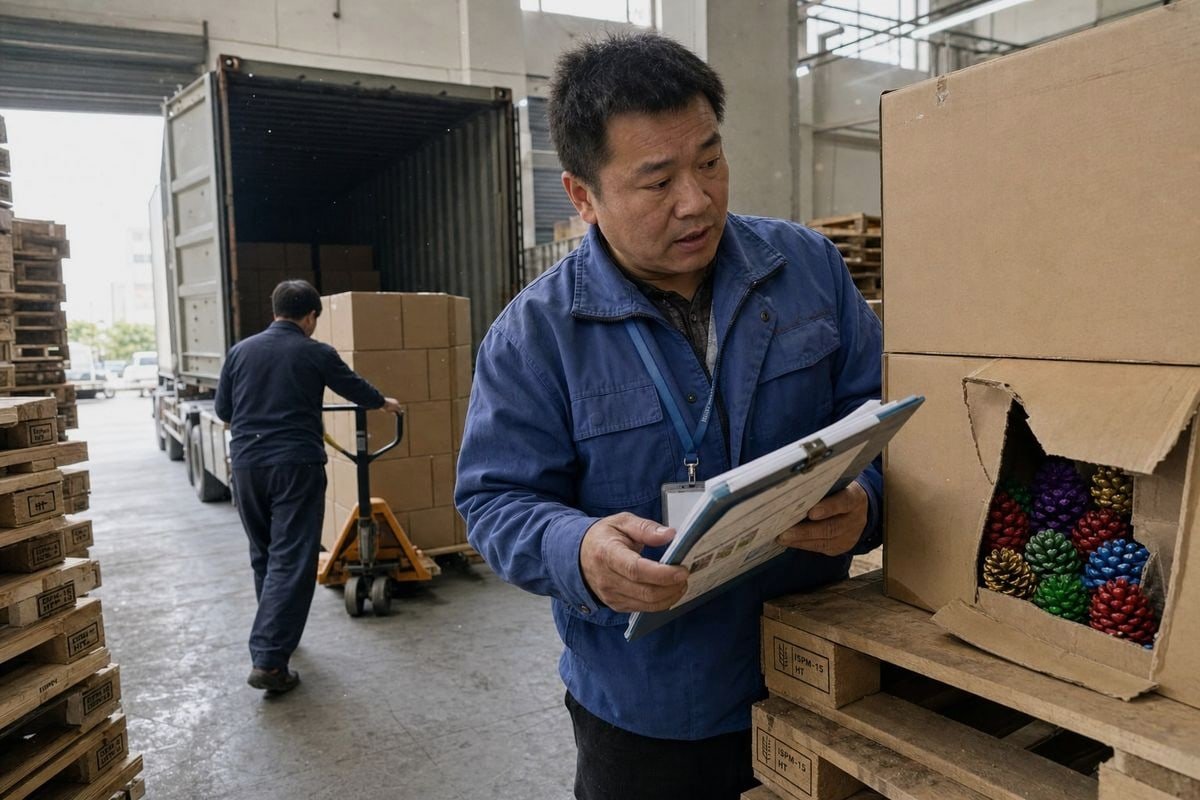
Getting a Canadian plant protection import permit and phytosanitary certificate for pine cones from China trips up many buyers. I have watched shipments from our Ningbo lines sit in limbo over one missing paper. One document gap can mean detention, treatment fees, or destruction at your expense. The fix is simpler than it looks — if you follow the right sequence.
To import pine cones from China into Canada, apply for a CFIA Permit to Import through the My CFIA portal before shipment, then have your Chinese supplier obtain a phytosanitary certificate from GACC, China's plant protection authority, confirming the cones meet Canadian phytosanitary requirements.
That is the short answer. Now let me walk you through each document, each step, and each pitfall — in the order you will actually face them.
What Documents Do I Need to Import Pine Cones from China into Canada?
During my early years shipping color-flame pinecones to North American distributors, I learned that Canada treats pine cones as a regulated plant product, not a harmless craft item. The paperwork reflects that.
Canadian importers of pine cones from China typically need a CFIA Plant Protection Import Permit, a phytosanitary certificate issued by China's GACC, a commercial invoice, a packing list, and treatment documentation showing the cones were heat-treated or otherwise processed to neutralize pest risks.
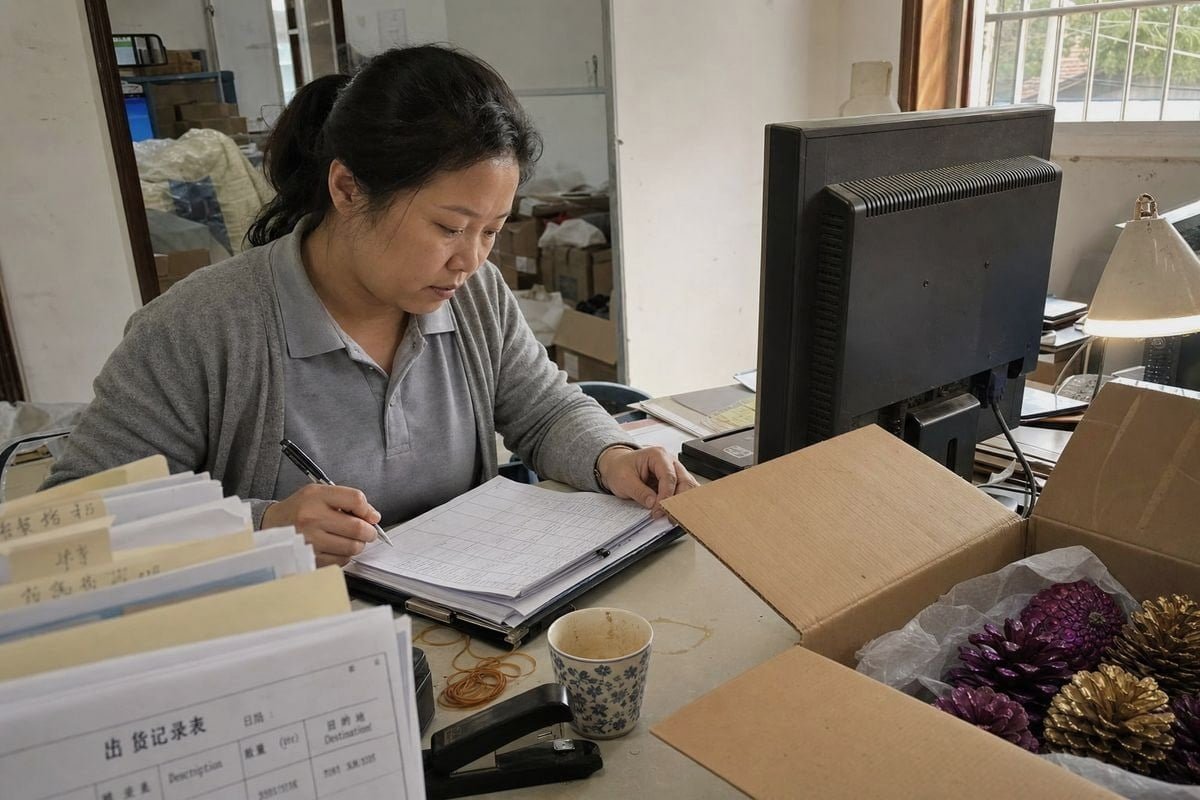
Let me break down why each document exists, because understanding the "why" helps you avoid gaps that customs officers will catch.
Canada's rules flow from the Plant Protection Act and the Plant Protection Regulations 1. Section 29 of the Regulations says you cannot import a regulated thing without a valid permit number and, where applicable, a foreign phytosanitary certificate. Pine cones from China sit squarely inside this framework because China is home to quarantine pests Canada worries about — the pine wood nematode 2 (Bursaphelenchus xylophilus) and the Asian gypsy moth are the two big ones.
The Core Document Set
Here is the full checklist we prepare with our Canadian buyers before any container leaves Ningbo:
| Document | Who Provides It | Purpose |
|---|---|---|
| CFIA Permit to Import | You (the Canadian importer) | Authorizes entry of the regulated commodity |
| Phytosanitary certificate | Chinese exporter via GACC | Certifies the shipment is pest-free and meets Canadian conditions |
| Treatment certificate | Manufacturer / treatment facility | Proves heat treatment, kiln-drying, or fumigation |
| Commercial invoice | Exporter | Declares value, product description, HS code |
| Packing list | Exporter | Details cartons, weights, and contents |
| ISPM 15 3 stamps (if wood pallets used) | Exporter | Confirms compliant wood packaging material |
Product Form Matters More Than You Think
Now, an important nuance. Not all pine cones are treated the same way at the border. A natural, untreated cone carries a different risk profile than one that has been heat-treated, dyed, varnished, or infused with color-flame compounds like ours. In our experience, processed and treated cones face fewer objections — but that does not exempt them from documentation. Never assume a decorated cone is "no longer a plant product." CFIA's import system classifies by species, origin, condition, and intended use. Check the exact commodity classification in CFIA's Automated Import Reference System 4 (AIRS) before you commit to a purchase order. Also verify the species itself. Some Chinese pine species may face restrictions regardless of certification, so confirm the scientific name — for example, Pinus tabuliformis or Pinus armandii — with your supplier in writing.
How Do I Apply for a CFIA Plant Protection Import Permit for Pine Cone Products?
One of our Canadian distributors once booked ocean freight before his permit arrived. The container reached Vancouver first. That mistake cost him weeks of storage fees, and it taught both of us to respect the sequence.
Apply for a CFIA Permit to Import through the My CFIA online portal, or by mailing or faxing the paper form to CFIA's National Centre of Permissions. Use the scientific name, state the origin and end use, and apply well before shipment — most permits stay valid for three years.

The application itself is not complicated. The failures I see come from timing and detail errors, not from the process being hard. Here is how to do it right.
Step-by-Step Application Process
- Identify the exact commodity. Get the scientific name of the pine species from your supplier. CFIA's permit office accepts scientific names only. An application listing just "pine cones" may be returned for correction.
- Check AIRS. Look up the admissibility requirements for that commodity and origin. This tells you what conditions your permit will carry.
- Create a My CFIA account. The online portal is the fastest route. If you lack online access, the paper form can be faxed or mailed.
- Complete the application fully. Include product description, HS code, origin details, end use (decorative, fuel product, resale), and any treatment certifications. Sign it. Incomplete or unsigned applications get sent back.
- File one application per origin. Under CFIA Directive D-97-04, importing from more than one origin requires a separate application for each.
- Wait for issuance before shipping. CFIA generally aims to issue a permit within five to ten business days once the application is complete. Fees typically range from CAN$15 to CAN$250, depending on import purpose and whether a pest risk assessment 5 is needed.
Timing and Cost at a Glance
| Item | Typical Detail |
|---|---|
| Application channel | My CFIA portal (preferred), or mail/fax to National Centre of Permissions |
| Processing time | About 5–10 business days for complete applications |
| Fee range | CAN$15 – CAN$250 |
| Permit validity | Usually three years |
| Naming requirement | Scientific names only |
| Extra review trigger | First-time commodity/origin combinations may need a pest risk assessment |
One more point from D-97-04 worth flagging: if the commodity has never been permitted from China before, CFIA may require a pest risk assessment or risk management document first. That adds time. So my standing advice to buyers is blunt — do not book shipping until the permit is in your hand.
Why Does My Chinese Pine Cone Supplier Need to Provide a Valid Phytosanitary Certificate?
Every export batch that leaves our production facility goes through inspection scheduling with China's customs authority before we can even print the export documents. Buyers sometimes ask why we insist on this. Here is the reason.
A phytosanitary certificate, issued by GACC (General Administration of Customs China), officially certifies that your pine cone shipment is free from regulated quarantine pests and meets Canada's plant-health import conditions. Without it, CFIA can refuse, treat, or destroy the consignment at your expense.
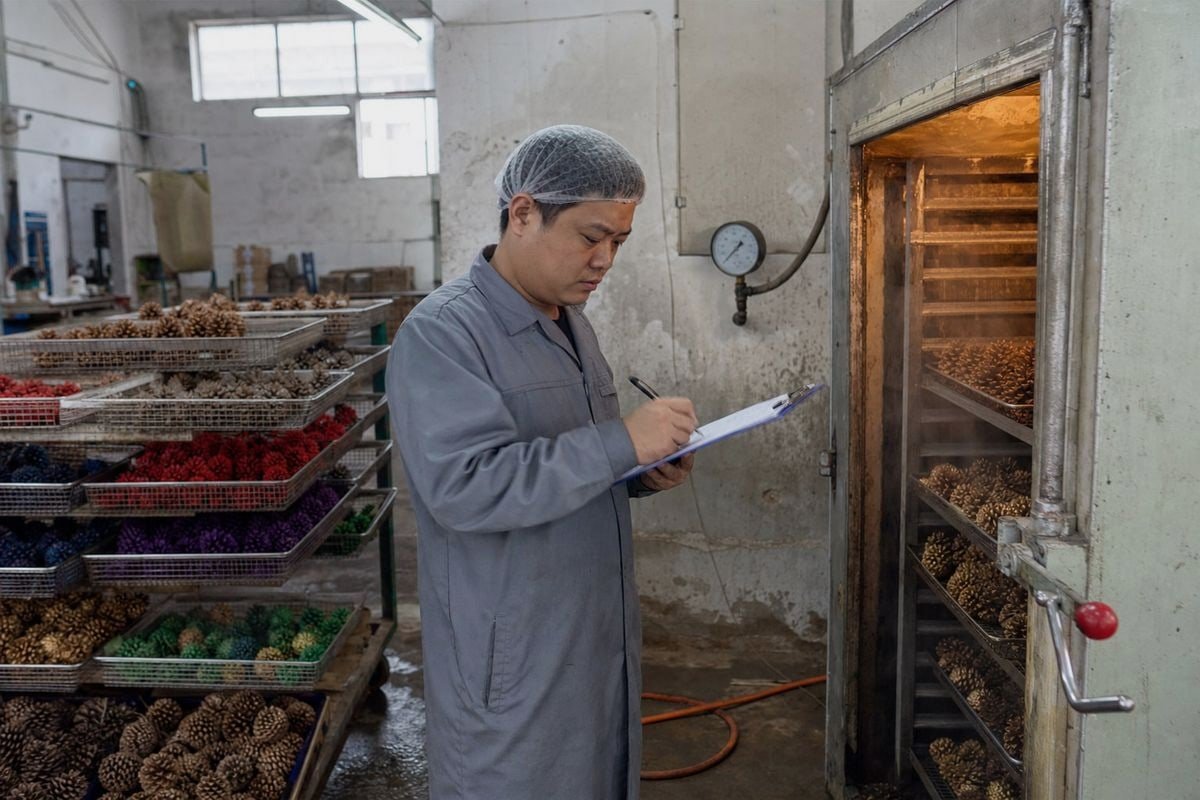
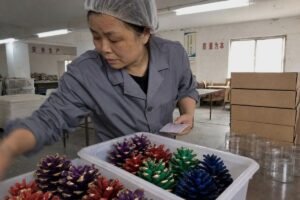
The certificate is not a formality a supplier can self-issue. It comes only from China's national plant protection organization 6 — GACC — after inspection of the actual goods. This is the single point where supplier quality separates real factories from resellers. A trading company sourcing cones from an unknown forest floor will struggle to pass inspection. A factory with documented heat treatment and batch traceability usually will not. When we prepare our color-flame pinecones for export, the treatment step is built into production, so the inspection record exists before the buyer even asks for it.
Why Canada Insists on Foreign Certification
Canada's concern is pest pathways. Untreated conifer material from Asia can carry pine wood nematode larvae or Asian gypsy moth 7 egg masses. Neither is established across Canada's forests, and CFIA intends to keep it that way. The phytosanitary certificate shifts the verification burden to the exporting country's competent authority — a government-to-government assurance, not a supplier's promise.
What Your Supplier Must Do Before Export
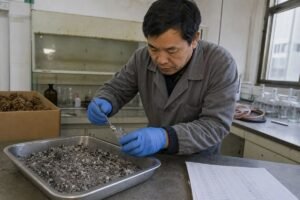
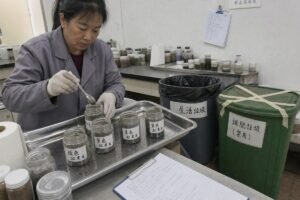
- Arrange inspection with GACC before the shipment leaves China.
- Document the treatment applied — heat treatment, kiln-drying, or fumigation — with dates and parameters.
- Match the certificate's product description and scientific name exactly to your CFIA permit.
- Ship only after both the certificate and your permit are confirmed.
One caution I always share: do not overpromise yourself that every pine cone shipment can automatically get certified. Issuance depends on the commodity's risk profile and treatment status. Also note a related wrinkle — Canada's customs memoranda state that phytosanitary certificates are not accepted from China for certain wood packaging material contexts (though they are accepted from Hong Kong, Macao, and Taiwan). That rule applies to wood packaging under ISPM 15, not to the cones themselves, but it means your pallets need proper HT or MB stamps as a separate matter. Where available, ask about ePhyto 8 — digital certificate exchange between China and Canada eliminates paper transit delays and reduces the risk of lost or fraudulent documents.
How Long Does It Take to Clear Canadian Customs with Proper Pine Cone Import Permits?
Lead-time questions dominate my calls with purchasing managers, and fairly so — a seasonal fire product that misses November shelf dates loses its year. So let me set realistic expectations for the Canadian border.
With a valid CFIA import permit, a matching GACC phytosanitary certificate, and complete commercial documents, pine cone shipments typically clear Canadian customs within one to five business days. Missing or mismatched paperwork can extend clearance to weeks through detention, mandatory treatment, or refusal.
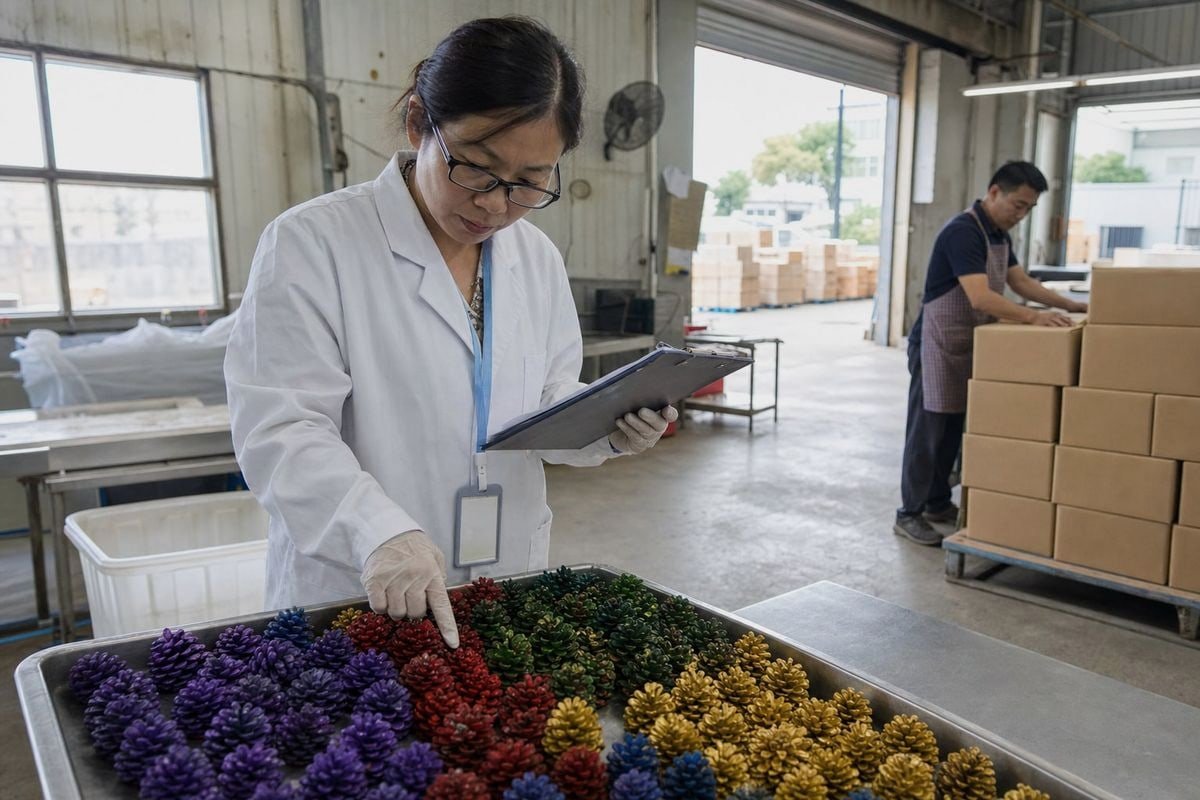
Clearance speed is really a function of preparation. In my seventeen-plus years shipping fire-themed goods into thirty-plus markets, I have never seen a fully documented, correctly classified shipment held for long. I have seen poorly documented ones sit for a month. Here is how the timeline breaks down in practice.
Timeline by Preparation Level
| Scenario | Typical Outcome | Time Impact |
|---|---|---|
| Permit, phyto certificate, and invoice all match | Routine release, possible spot inspection | 1–5 business days |
| Documents present but descriptions mismatch | Hold for clarification or re-verification | 1–3 weeks |
| Phytosanitary certificate missing | Detention; mandatory treatment or refusal | 2–6 weeks, plus fees |
| Permit never issued before shipment | Refusal, removal, or destruction at owner's cost | Shipment likely lost |
What Happens at the Border
When your container arrives, you or your broker present the permit number and documents to CBSA and CFIA import staff. CFIA may inspect the physical goods. Inspectors check that the species, treatment, and condition match the certificate and the permit conditions. Any gap triggers a hold. Detained goods accrue storage charges daily, and if treatment is ordered, you pay for it.
Three Ways to Compress the Timeline
First, use a licensed customs broker familiar with CFIA's plant protection program and AIRS coding — this matters most for first-time importers. Second, insist that your supplier's certificate wording mirrors your permit exactly; we align this with our buyers before printing anything. Third, ask about ePhyto exchange, which removes paper-in-transit delays entirely. The border rewards importers who did the work upstream. Everything about clearance speed is decided before the ship leaves Ningbo, not after it docks in Vancouver.
Conclusion
Import permits, phytosanitary certificates, and treatment records decide whether your pine cones clear Canada in days or die at the border. Sequence the paperwork first, partner with a certified factory, and ship with confidence.
Footnotes
1. Official regulatory text governing plant import permits referenced directly in the article. ↩︎
2. Background on the quarantine pest species driving Canada's import restrictions on conifer material. ↩︎
3. International standard governing wood packaging treatment referenced for pallet compliance. ↩︎
4. Official CFIA tool importers must consult for commodity classification and admissibility conditions. ↩︎
5. CFIA's plant health program page explains when risk assessments delay permit issuance. ↩︎
6. GACC's official English portal, the authority that issues China's phytosanitary certificates. ↩︎
7. Reference on the invasive moth species that Canadian phytosanitary rules aim to exclude. ↩︎
8. IPPC's official page on the digital phytosanitary certificate exchange system mentioned in the article. ↩︎
 English
  Spanish
  German
  French
  Arabic
  Portuguese
Join the Conversation