






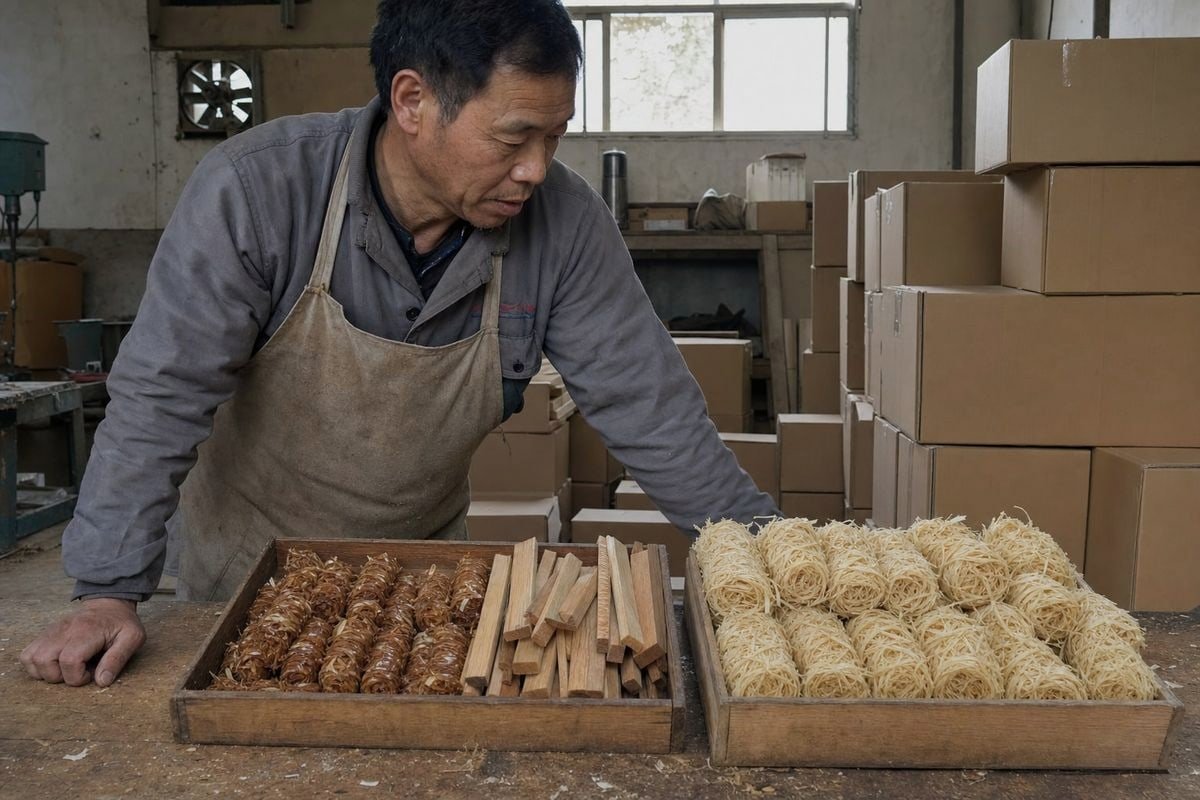
Buyers keep asking me whether paraffin vs plant wax wood fire starters really differ on sustainability benzene and toluene 1. Choose wrong, and retailers reject your line. On our production floor, we've tested both — here's what actually matters.
Plant wax wood fire starters are generally more eco-friendly than paraffin versions because plant waxes come from renewable crops, biodegrade naturally, and burn with fewer harmful fumes. Paraffin is a non-renewable petroleum byproduct, though highly refined paraffin used in small amounts remains a practical, lower-cost option.
That is the short answer. But the real picture depends on the full life cycle — raw materials, manufacturing, combustion, and disposal. Let me walk you through each factor so you can make a sourcing decision you can defend to your retail buyers.
What Environmental Impact Should I Expect from Paraffin-Based Fire Starters Compared to Plant Wax Options?
During a factory audit last year, a German distributor asked our QC team to trace every input in our wax-dipped wood rolls. That exercise taught me how differently the two wax types score across a full life cycle.
Paraffin fire starters rely on petroleum-based byproducts, are non-biodegradable, and release more volatile organic compounds when lit. Plant wax starters use renewable biomass, break down naturally after disposal, and produce less smoke and odor — giving them a clearly lower environmental impact across the full product life cycle.

The environmental gap between the two wax types shows up at every stage, not just when the flame is burning. Here is how they compare side by side:
| Life-Cycle Stage | Paraffin Wax Starters | Plant Wax Starters |
|---|---|---|
| Raw material | Petroleum refining byproduct, non-renewable | Soy, rapeseed, vegetable wax, beeswax — renewable |
| Manufacturing energy | Energy-intensive refining | Wood wool starters can need up to 65% less energy |
| Combustion emissions | More VOCs, chemical odor, visible smoke | Cleaner burn, minimal smoke and ash |
| Biodegradability | Non-biodegradable or very slow | Fully biodegradable |
| Disposal | Contributes to long-term landfill waste | Breaks down naturally |
Feedstock and Carbon Footprint
Paraffin starts life in an oil refinery. Every unit carries the carbon footprint 2 of fossil fuel extraction, transport, and refining before it ever reaches a fireplace. Plant waxes start in a field. The crop absorbs carbon while it grows, which partially offsets combustion emissions.
Combustion and Indoor Air Quality
This matters more than most buyers expect. Paraffin firelighters can release volatile organic compounds 3 like benzene and toluene during ignition. In an open fire pit, that disperses quickly. In a fireplace or a partially enclosed patio, indoor air quality becomes a real concern. Plant-wax and wood wool starters burn with a milder odor and fewer toxic fumes. That is also why natural starters are the safer pick for BBQs and pizza ovens — they leave no chemical residue that could taint food.
Chimney and Soot Behavior
Plant-based waxes tend to produce a softer soot. Over time, that means less flammable creosote buildup in chimneys and fewer chemical cleanings. It is a small point, but end users notice it — and it shows up in product reviews.
Which Wax Type Will Help Me Meet My Market's Eco-Compliance and Labeling Standards?
Compliance paperwork is where sourcing decisions get real. When we prepare SGS and Intertek test reports for shipments to the EU and the US, the wax composition directly shapes what claims a brand can legally print on the box.
Plant wax starters make eco-compliance far easier: they support biodegradable, renewable, and non-toxic labeling claims that EU and US regulators and retailers increasingly demand. Paraffin blends can still pass safety testing, but they cannot legally carry biodegradability or renewable-content claims in most markets.

Green claims are now regulated marketing territory, not free advertising space. The EU's push against greenwashing 4 means vague terms like "eco-friendly" on packaging need substantiation. In our 17+ years exporting to 30+ countries, we have watched labeling requirements tighten every few years — and wax choice sits at the center of it.
What Each Wax Type Lets You Claim
| Label Claim | Paraffin-Based Starter | Plant Wax Starter |
|---|---|---|
| "Biodegradable" | Not supportable | Supportable with testing |
| "Made from renewable resources" | No | Yes |
| "Non-toxic combustion" | Only with high-grade refined paraffin, needs test data | Generally supportable |
| "Low smoke / low odor" | Rarely defensible | Usually defensible |
| "Suitable for cooking fires" | Risky claim | Common and defensible |
The Certification Trail Behind the Label
A claim is only as strong as the documents behind it. For our own fire-starting goods, we maintain ISO 9001 5 and BSCI certification at the factory level, plus CE marking and SGS/Intertek reports at the product level. When a buyer wants to print "biodegradable fire starters" on a private-label box, we make sure the composition declaration, the test report, and the packaging text all say the same thing. Mismatches between declared composition — say, "50% wood fiber, 50% paraffin" — and eco-claims on the same package are exactly what customs inspectors and retail compliance teams flag.
Market-by-Market Reality
Germany and the Netherlands are the strictest markets we ship to on green labeling. US retailers are catching up fast, driven by internal ESG scorecards rather than regulation. If your product roadmap covers both regions, building your line on plant wax from day one saves you a costly reformulation later.
Can I Verify the Sustainability Claims Behind My Supplier's Wax Sourcing and Production Process?
A purchasing manager from the UK once told me she had been burned — figuratively — by a "soy wax" supplier whose product turned out to be mostly palm-derived blend. Her story is common, and it is exactly why verification matters more than promises.
Yes. Request wax composition declarations, third-party test reports from labs like SGS or Intertek, factory certifications such as ISO 9001 and BSCI, and feedstock origin documentation. Then confirm the claims through a factory audit or a paid sample test before committing to volume orders.
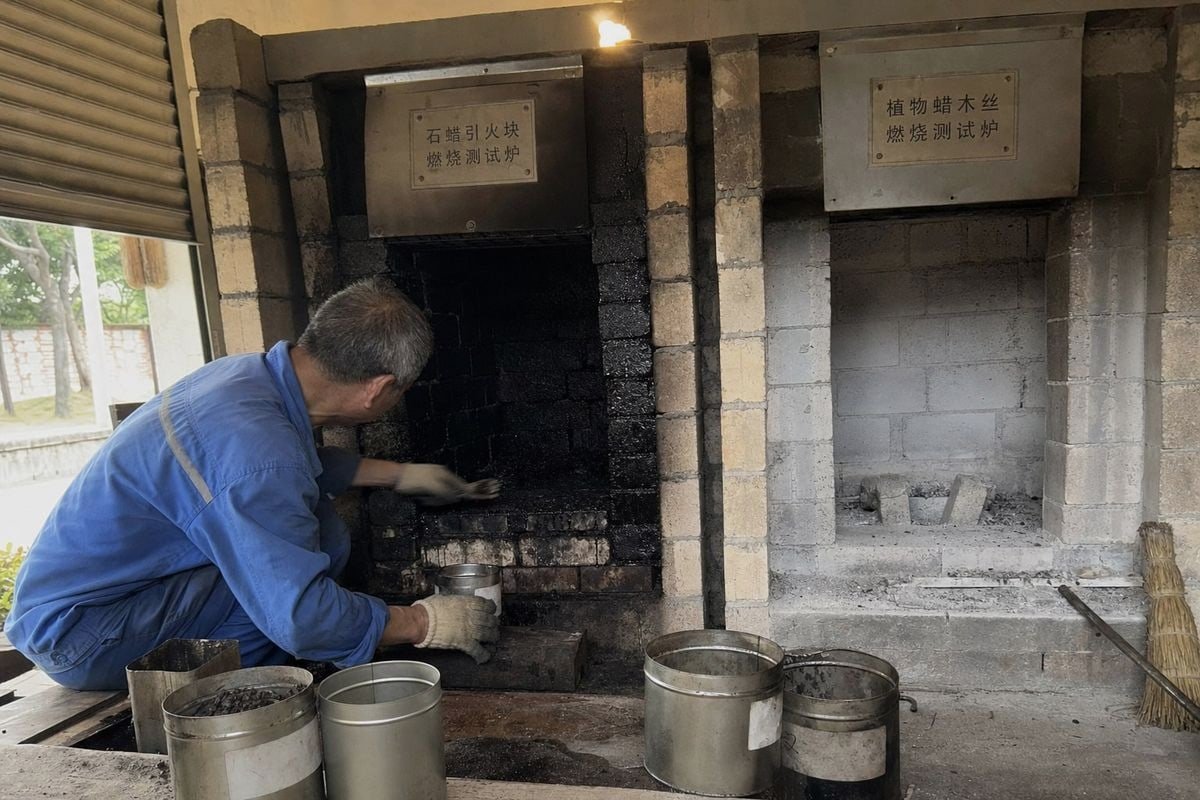
Sustainability fraud in this category usually happens in the wax blend, because wax is invisible once it soaks into wood fiber. A starter dipped in cheap palm-paraffin blend looks identical to one dipped in pure soy wax. You cannot verify it by eye — you verify it with paper and process.
A Practical Verification Checklist
- Ask for the full composition declaration. Percentages, not adjectives. "50% wood fiber, 50% paraffin" is honest. "Natural wax blend" is a red flag.
- Demand third-party test reports. SGS or Intertek reports tied to the actual product SKU, not a generic factory certificate. We provide these as standard because our buyers treat them as a hard requirement, not a nice-to-have.
- Check factory-level certifications. ISO 9001 confirms process control. BSCI confirms social compliance. Together they signal a real factory rather than a trading company relabeling goods.
- Trace the feedstock. For plant waxes, ask where the soy or rapeseed originates. For wood wool, ask whether the fiber comes from sustainable harvesting or recycled industrial waste streams sustainable materials management 6 like sawmill shavings.
- Test batch consistency. Order a sample, then a small trial batch. If the second delivery burns differently or smells different, the wax blend changed. Our own batch-to-batch QC exists precisely because buyers judge us on whether mass production matches the first sample.
Watch for the Palm Oil Blind Spot
Here is the nuance most sourcing guides skip: "plant-based" is not automatically sustainable. Palm-derived wax is technically renewable biomass, but it carries deforestation 7 baggage. If a supplier cannot tell you whether their vegetable wax is palm-derived, assume it is.
How Do I Choose Between Paraffin and Plant Wax to Match My Customers' Growing Demand for Green Products?
Trade-offs drive every OEM conversation we have. A US camping brand recently asked us to quote both wax options for the same wood roll starter — the paraffin version cost less, but they chose plant wax because their retail buyer scored suppliers on sustainability.
Choose plant wax if your customers shop eco-conscious retail channels, value biodegradable fire starters, or use starters near food. Choose refined paraffin only where price sensitivity dominates and damp-weather ignition performance is critical. For most Western markets today, plant wax aligns better with buyer demand.

The honest answer is that this is a positioning decision, not just a chemistry decision. Both waxes light fires reliably. The question is which story your brand needs to tell on the shelf.
Match the Wax to Your Sales Channel
| Your Channel or Customer | Better Wax Choice | Why |
|---|---|---|
| Eco-focused outdoor and camping brands | Plant wax | Renewable story, biodegradable claim, cleaner burn |
| BBQ and pizza oven accessories | Plant wax or pure wood wool | Odorless, no chemical residue near food |
| Budget mass retail | Refined paraffin blend | Lower cost per unit, strong ignition |
| Wet-climate markets (UK, Netherlands, Canada) | Either — test both | Paraffin's higher energy density ignites damp wood well |
| Fireplace and hearth distributors in Germany | Plant wax | Strict eco-labeling expectations, indoor air quality concerns |
Where Paraffin Still Earns Its Place
Fairness requires saying this: paraffin has genuine strengths. Its higher energy density means one cube can ignite damp kindling that might defeat a soy wax firelighter, so users may need fewer units per fire. Some manufacturers also argue that highly refined paraffin, used in small amounts, compares reasonably against intensively farmed crop waxes — the monoculture paradox, where soy's renewable benefit is partly offset by pesticide use and land conversion. And waste-stream paraffin recycled from old candles can beat virgin plant wax on impact, because it diverts existing petroleum products from landfill.
Where Plant Wax Wins the Future
Still, the market direction is unmistakable. Retail buyers across our main markets — the US, Germany, the UK, France — increasingly ask us about non-toxic combustion, renewable content, and recyclable packaging before they ask about price. Plant wax paired with wood wool from waste streams answers all three questions at once. If you are building a brand for the next decade rather than the next quarter, that is the safer bet.
Conclusion
Choosing the wrong wax risks failed audits and rejected shelf placements. The evidence is clear: responsibly sourced plant wax wood fire starters beat paraffin on renewability, biodegradability, and cleaner combustion. Verify your supplier's composition declarations, certifications, and feedstock origins — then build your eco-positioned line with confidence.
Footnotes
1. EPA reference on health effects of specific VOCs emitted during paraffin combustion. ↩︎
2. Wikipedia background on carbon footprint concept relevant to petroleum refining emissions comparison. ↩︎
3. Authoritative EPA source explaining VOC emissions and indoor air quality impact from combustion. ↩︎
4. Background concept explaining unsubstantiated environmental marketing claims discussed in the article. ↩︎
5. Authoritative and stable reference for the quality management standard. ↩︎
6. Updated EPA URL for the life-cycle sustainability approach discussed in the text. ↩︎
7. Wikipedia background on deforestation risks tied to palm-derived wax sourcing discussed in article. ↩︎



 English
  Spanish
  German
  French
  Arabic
  Portuguese
Join the Conversation