






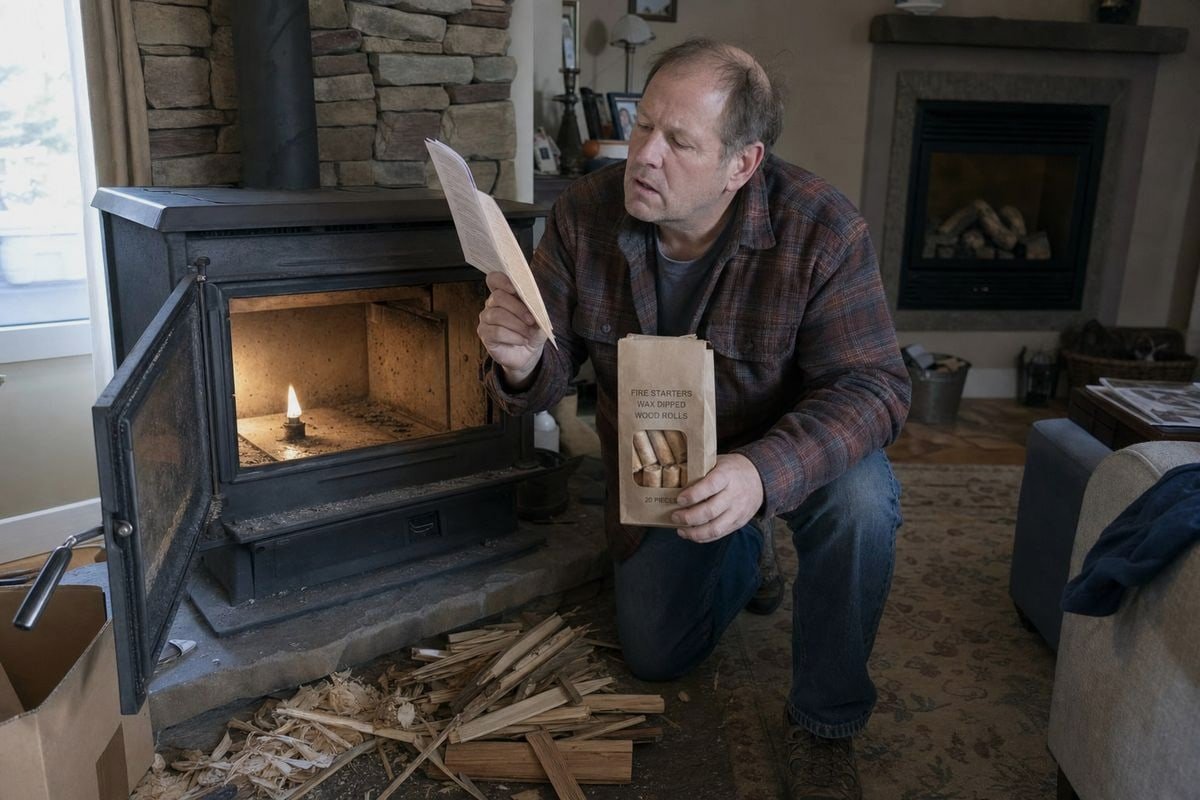
Wood fire starter compatibility is the question I hear most from buyers browsing our wax-dipped wood roll 1 production line. Get it wrong, and returns pile up. Get it right, and reorders follow.
To confirm wood fire starter compatibility, check the appliance manual first, then verify the product label lists your appliance type. Wood stoves accept natural, non-petroleum solid starters; gas fireplaces with ceramic logs should never use external fire starters unless the manufacturer explicitly approves them.
That short answer hides a lot of detail. Below, I walk through certifications, emissions, burn testing, and custom formulations, step by step, so you can source with confidence.
What safety certifications should I check before using wood fire starters in gas fireplaces?
A buyer from the Netherlands once asked me why our SGS reports mattered for a "simple wax product." My answer took an hour. Here is the short version from our Ningbo factory floor.
Check for SGS or Intertek composition test reports, CE marking for the EU, ISO 9001 factory certification, and clear appliance-type labeling. For gas fireplaces specifically, no generic certification makes a solid starter safe; only the gas appliance manufacturer's written approval does.

Let me be direct about something many suppliers gloss over. A dedicated gas fireplace with ceramic logs is a sealed, gas-only combustion system. Burning any carbon-based starter inside it causes sooting. That soot stains the ceramic logs permanently, and it can foul the thermopile or pilot light sensor 2. Ceramic log damage is not covered by most appliance warranties. So the honest answer for pure gas fireplaces is: do not place solid starters in them at all.
The picture changes for a wood-burning fireplace fitted with a gas starter bar. That is a solid-fuel appliance where gas only assists ignition. Solid starters are usually fine there, as long as they do not block the bar's ports. A gas valve obstruction or blocked port can cause delayed ignition, which is dangerous. Advise your customers to inspect starter bars for rust and blockage regularly.
Which documents to request from your supplier
When we onboard a new distributor, we send a compliance pack before the first sample ships. You should expect the same from any factory.
| Document | What it proves | Who needs it |
|---|---|---|
| SGS / Intertek test report | Composition, heavy metals, emissions safety | US and EU importers |
| CE marking documentation | EU market conformity | European distributors |
| ISO 9001 certificate | Consistent factory quality system | All B2B buyers |
| BSCI audit report | Ethical production standards | Retail chains |
| MSDS / SDS sheet | Handling, storage, transport safety | Logistics and customs |
Reading the label like an inspector
Look for exact wording: "wood stove," "wood-burning fireplace," "pellet stove 3," "fire pit." If the label just says "fireplaces," treat that as wood-burning fireplaces only. It is not permission for gas units. In our experience exporting to 30+ countries, vague labels are the single biggest cause of retail complaints.
Will wood fire starters produce harmful residue or emissions in enclosed wood stoves?
Residue questions come up in nearly every technical call we take from German fireplace distributors. Their end customers run tight, airtight stoves, and they want proof, not promises.
Quality natural fire starters made from wood fiber and food-grade paraffin wax burn clean in enclosed wood stoves. Harmful residue comes from starters containing plastics, glues, petroleum accelerants, or synthetic binders, which release toxic fumes and accelerate creosote buildup inside the chimney flue.
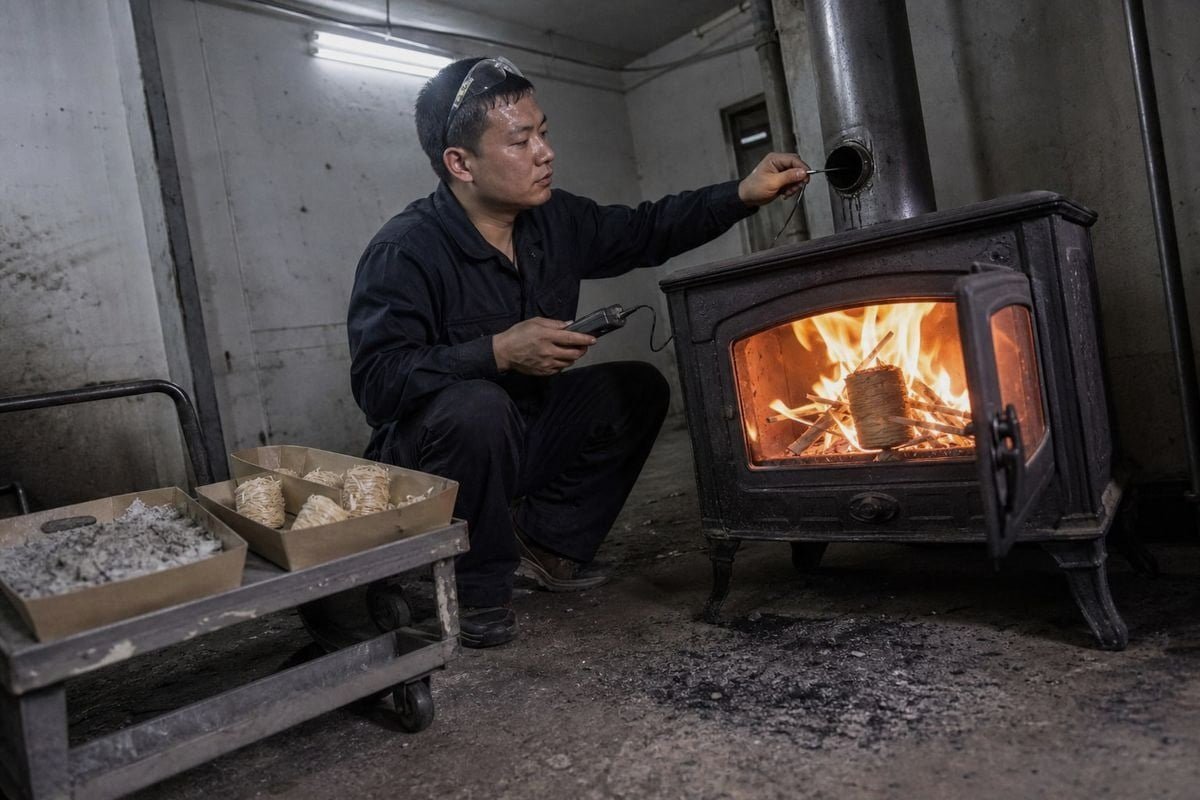
The chemistry here is simple. Wood fiber and paraffin wax fire starters combust into carbon dioxide, water vapor, and a small amount of ash. That is essentially what firewood does. Problems start when a starter contains plastics, hot-melt glues, or recycled synthetic material. Those additives release corrosive fumes that attack the stove's interior and door gaskets over time.
Creosote is the second concern. Creosote buildup 4 is the primary cause of chimney fires, and it forms when smoke condenses in a cool flue. A slow, smoky starter makes this worse. A fast, hot starter actually helps, because it establishes chimney flue draft 5 quickly and pushes the stove past the smoldering stage. This matters even more for EPA-certified wood stoves, which need rapid ignition to reach clean combustion temperatures.
Catalytic stoves deserve extra attention
Catalytic combustor 6 safety is a real issue with paraffin-heavy formulations. Excess wax vapor can coat the precious-metal catalyst and permanently reduce heat output. When we formulate for catalytic-stove markets, we keep the wax ratio balanced — our standard rolls run roughly 50% wood fiber, 50% paraffin — so the starter burns hot without flooding the catalyst.
What to avoid entirely
- Liquid or gel accelerants like lighter fluid — flare-up risk in airtight fireboxes
- Charcoal starters — petroleum-based and never intended for indoor stoves
- Unlabeled bulk products with unknown binders
- Heavy-soot "natural" starters that can foul oxygen sensors in smart stoves
Non-toxic fire starters with published test reports remove all four risks at once.
How do I test burn time and compatibility before placing a bulk order?
Years ago, we lost a Canadian account because a competitor's sample burned beautifully but the mass-production batch did not. That lesson shaped how we run batch-to-batch quality control today — and how I advise buyers to test.
Request samples from a real production run, then test three things: total burn time, flame height in the first two minutes, and ash residue. A compatible starter should burn 8–10 minutes minimum, ignite kindling before extinguishing, and leave near-zero solid residue.

Sample testing is where serious buyers separate themselves from price shoppers. I recommend a simple four-step protocol that any purchasing manager can run without a lab.
- Baseline burn test. Light one starter on a fireproof surface outdoors. Time it from ignition to full extinction. Record flame height at 30 seconds and 2 minutes.
- Appliance test. Place a starter beneath the wood grate of the actual target appliance with standard kindling. Solid starters belong under the grate to preserve the airflow pattern modern high-efficiency stoves depend on. Note whether kindling catches before the starter dies.
- Residue check. After the burn, inspect for unburned wax pools, melted plastic, or sticky ash. Clean starters leave a light powder at most.
- Batch comparison. Ask the factory for samples from two different production dates. Compare burn times. Variance above roughly 15% signals weak process control.
Typical burn-time benchmarks by starter type
| Starter type | Typical burn time | Best suited for |
|---|---|---|
| Wax-dipped wood rolls (wood wool) | 8–12 minutes | Wood stoves, fireplaces, fire pits |
| Paraffin-sawdust pucks | 5–8 minutes | Fireplaces, BBQ, camping |
| Fatwood fire sticks | 5–10 minutes | Kindling-heavy fireplace setups |
| Cedar disc starters | 20–30 minutes | Large fireboxes, outdoor pits |
| Mycelium / agri-waste starters | Varies widely | Strong-draft appliances only |
One nuance worth knowing: bio-based starters using agricultural waste often have higher ignition temperatures. They may need a stronger initial draft than traditional wax-and-sawdust pucks, so match them carefully to the appliance. Fatwood fire sticks, by contrast, light easily but depend on resin content, which varies with the source timber.
At our factory, we photograph and log burn tests for every batch, so the sample you approve is the product that ships. That is the standard you should demand from any supplier before committing to a container.
Can I request custom formulations to match my customers' specific stove and fireplace types?
Trade-offs drive every custom project we quote. Longer burn time means more wax, but more wax raises catalytic-stove concerns. Balancing these is where 17+ years of formulation experience earns its keep.
Yes, reputable factories offer OEM/ODM customization of wax ratio, size, burn time, packaging, and labeling. You can specify formulations for EPA-certified wood stoves, catalytic appliances, or outdoor fire pits, plus private-label boxes, warning labels, and barcodes tailored to your retail market.
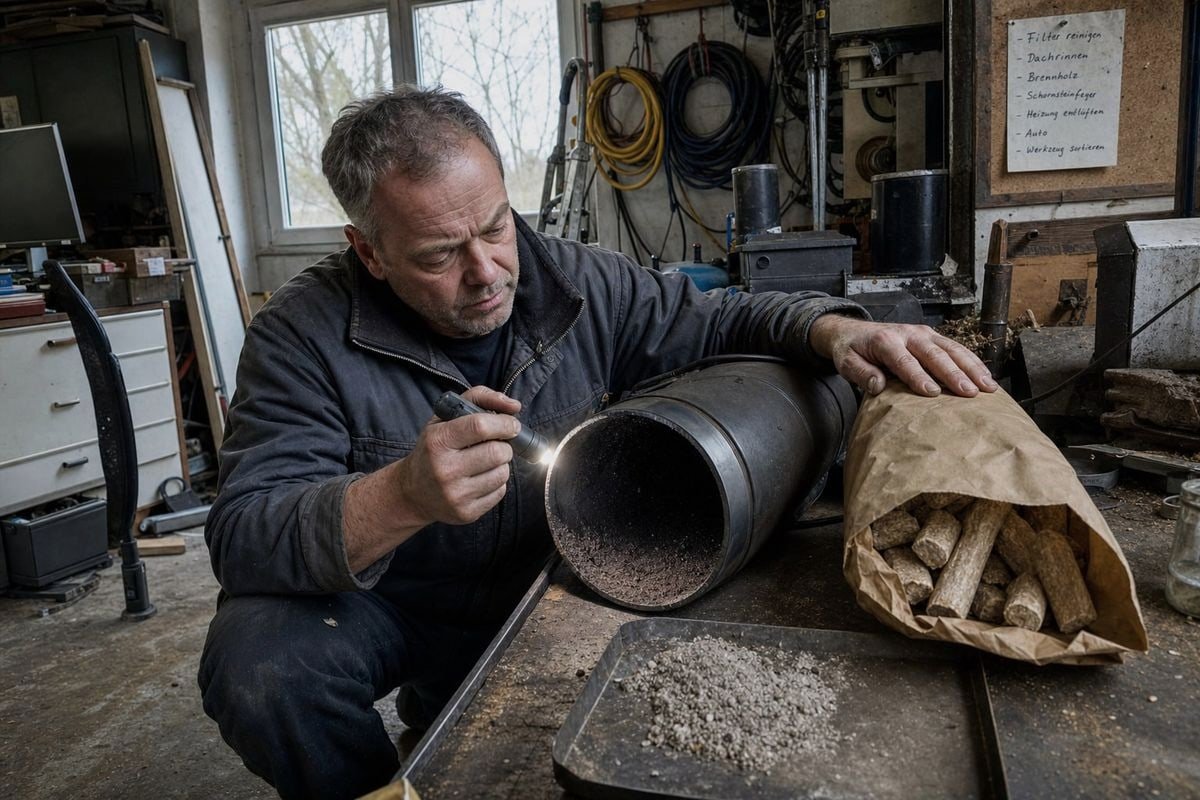
Customization is not a gimmick. Different markets genuinely need different products. A Scandinavian buyer serving airtight catalytic stoves needs a lower-wax, fast-flame formulation. A US BBQ distributor wants longer burn times and weather-resistant packaging. A UK fireplace chain needs indoor-use labeling that satisfies local trading standards 7. One formula cannot serve all three well.
What can actually be customized
| Variable | Typical range | Why it matters |
|---|---|---|
| Wax-to-fiber ratio | 40/60 to 60/40 | Controls burn time and catalytic combustor safety |
| Roll size and weight | Finger-size to jumbo | Matches firebox size and kindling load |
| Burn time | 5 to 15+ minutes | Must exceed kindling ignition time |
| Packaging format | Bulk, kraft bag, retail box, display | Shelf-ready presentation for retail channels |
| Labeling | Private label, warnings, barcodes, multi-language | Regulatory compliance per market |
How a custom project usually runs
Our typical process starts with your appliance targets and the manufacturer's specifications your customers follow. We then adjust the formulation, produce samples, and share burn-test documentation. After your approval, the first production run is held to the sample standard through batch QC. From our Ningbo lines, we also handle custom display boxes and optimized global logistics, so a purchasing manager gets one accountable partner instead of three vendors.
Two honest caveats. First, no formulation makes a solid starter appropriate for a sealed gas fireplace with ceramic logs — we decline those requests and explain why. Second, very short trial MOQs are possible, but formulation changes still require a proper sampling round. Rushing that step is how bad products reach shelves.
Conclusion
Mismatched fire starters cost you returns, warranty claims, and shelf space. Verify the manual, demand test reports, run burn tests, and partner with a certified factory. Compatibility is checkable — so check it.
Footnotes
1. Alibaba.com is a leading B2B sourcing platform for wood fire starter manufacturing. ↩︎
2. Explains how gas appliance pilot lights work, relevant to sensor fouling risks discussed. ↩︎
3. DOE overview of wood and pellet stove heating types and efficiency considerations. ↩︎
4. Background on creosote formation and its role in chimney fires. ↩︎
5. Describes how flues vent combustion gases, supporting the draft explanation. ↩︎
6. EPA Burn Wise program details catalytic wood stove technology and emissions standards. ↩︎
7. UK government resource explaining trading standards compliance for retail labeling. ↩︎



 English
  Spanish
  German
  French
  Arabic
  Portuguese
Join the Conversation