







Buyers keep asking me whether wood fire starter materials are truly green Sustainable forestry practices 1. Many "natural" products hide paraffin binders 2. One bad ingredient list can sink a retail listing — so our production team treats transparency as a core spec.
Wood fire starter materials are renewable and biodegradable when they combine plant-based fibers — wood wool, sawdust, shavings — with natural binders like soy wax or beeswax. Starters using paraffin, kerosene, or synthetic additives are not fully renewable and may not biodegrade cleanly in soil.
The answer depends entirely on the ingredients. Below, I break down what goes into a genuinely sustainable fire starter, how certification works, and how to [verify claims at scale](https://sunrichfire.com/how-verify-eco-friendly-claims-sourcing-wood-fire-starters/).
What raw materials do you use to make your wood fire starters renewable?
During a factory audit last year, a German buyer opened one of our wax-dipped wood rolls and asked me to name every input. I could — and that is exactly the point. Renewable claims start with a traceable ingredient list.
Renewable wood fire starters use sawmill byproducts — wood wool, shavings, and sawdust — bound with plant-derived waxes such as soy or vegetable wax, or beeswax. These inputs regrow or come from waste streams, unlike paraffin, which is refined from non-renewable petroleum.
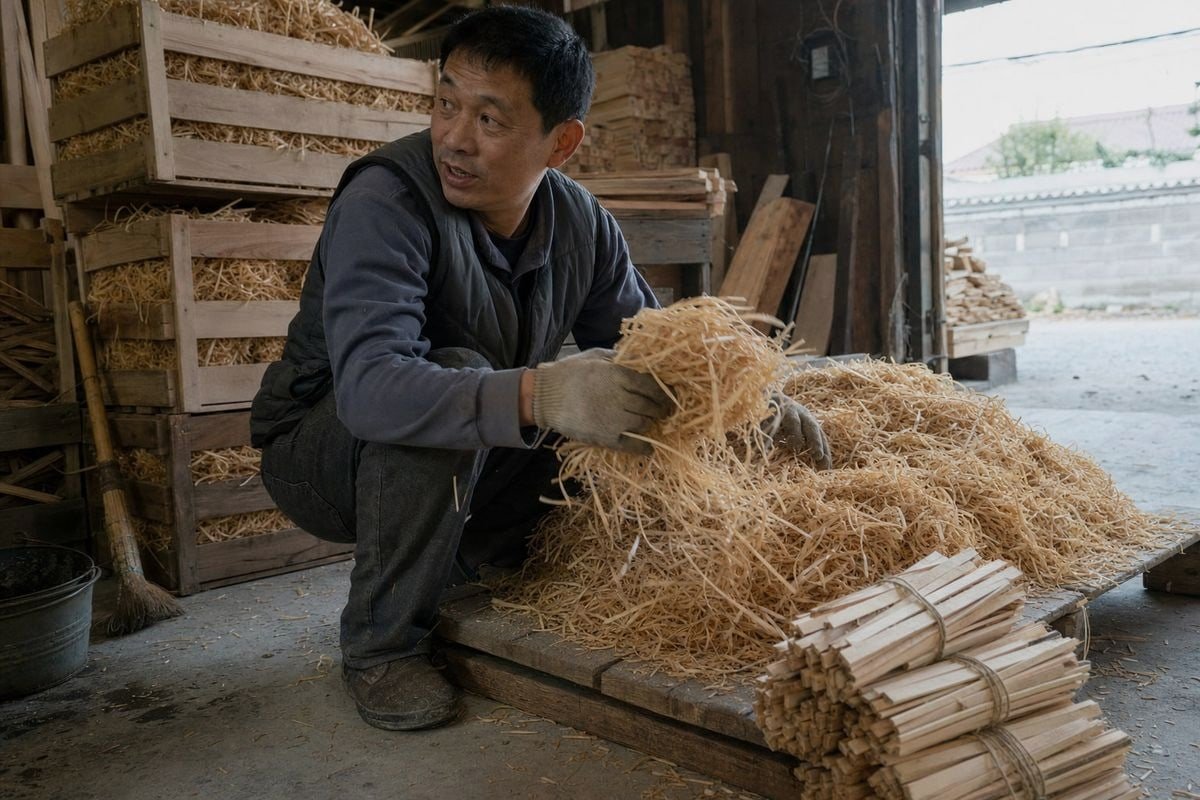
The word "renewable" gets thrown around loosely in this industry. In our experience exporting to 30+ countries, serious buyers want the claim broken down into two parts: the bulk fiber and the binder. Both must qualify, or the whole product fails the test.
The fiber base: waste-stream wood
Our wood firestarters use excelsior — thin, curled wood fibers shaved from timber. Most of this material is a byproduct of milling operations. That matters, because using sawmill offcuts and shavings means no tree is felled specifically for the fire starter. The fiber is a genuine biomass fuel source 3, not a drain on forests. The same logic applies to eco-friendly kindling strips, pinecones, and jute wrapping. These are natural firelighting alternatives that would otherwise be discarded or chipped for low-value uses.
The binder: paraffin vs soy wax
The binder is where most products quietly fail. The paraffin vs soy wax 4 question is the single most important one a purchasing manager can ask. Here is how the common options compare:
| Binder | Source | Renewable? | Biodegradable? | Typical Use |
|---|---|---|---|---|
| Soy / vegetable wax | Plant crops | Yes | Yes | Premium eco starters |
| Beeswax | Bees (animal product) | Yes | Yes | Artisanal / DIY starters |
| Paraffin wax | Petroleum refining | No | Poorly | Low-cost commercial starters |
| Recycled candle wax | Mixed waste stream | Recycled, not renewable | Depends on composition | Waste-diversion products |
| Kerosene / accelerants | Petroleum | No | No | Older-style firelighters |
Notice the recycled wax row. Recycled content improves circularity, but it is a different claim from "renewable." We coach our OEM clients to keep those two words separate on packaging, because regulators in the EU and North America increasingly check them separately. A honest label sells better in the long run than an inflated one — a lesson we learned early in 17 years of making fire-themed products.
Can I get certification proving your fire starters are biodegradable?
Paperwork wins purchase orders — I have watched deals close on the strength of a test report more than once. When a UK distributor requests documentation, we hand over SGS or Intertek results 6 before they finish asking.
Yes, credible manufacturers provide third-party verification. Look for SGS or Intertek composition and safety test reports, ISO 9001 quality certification, and material declarations confirming plant-based content. For wood origin, FSC or PEFC chain-of-custody documents prove sustainable forestry sourcing behind biodegradability claims.
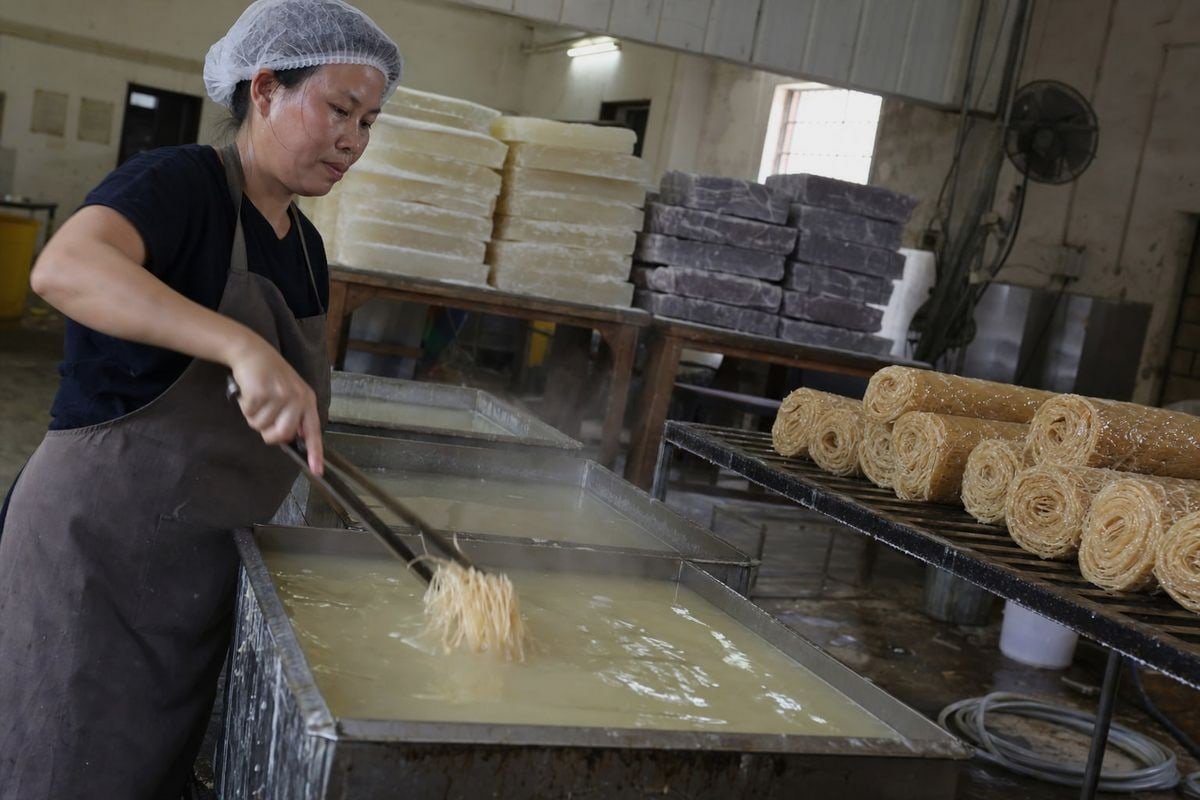
Certification is where marketing claims either become facts or fall apart. In our export business, compliance documentation is a hard requirement, not a nice-to-have — buyers for Home Depot-type retail channels will not even review samples without it.
What each document actually proves
Different certificates answer different questions, and buyers often confuse them. Here is a practical breakdown:
| Document | What It Proves | What It Does NOT Prove |
|---|---|---|
| SGS / Intertek test report | Chemical composition, heavy metals, safety | Sourcing ethics of the wood |
| ISO 9001 | Consistent quality management system | Anything about material content |
| BSCI audit | Ethical labor and factory conditions | Product biodegradability |
| FSC / PEFC certificate | Wood from responsibly managed forests | Binder composition |
| CE marking | EU safety compliance | Environmental claims |
No single certificate proves "biodegradable" on its own. What a serious supplier does is stack the evidence: a composition report showing 100% wood fiber and vegetable wax, plus chain-of-custody paperwork for the timber, plus quality certification proving batch consistency. Our factory holds ISO 9001, BSCI, CE, and SGS/Intertek reports precisely because our buyers in the US, Germany, and France demand this layered proof.
A caution on self-declared eco-labels
Be skeptical of vague logos printed by the brand itself. A green leaf icon means nothing without a lab report behind it. When we develop private-label packaging for clients, we insist that any "biodegradable" or "non-toxic" claim on the box matches language in an actual test document. That protects the client from greenwashing complaints and protects the shelf listing from being pulled. Non-toxic fire starters are a real, testable category — but only testing makes the claim real.
How do you ensure sustainable sourcing across large production batches?
One trade-off we weigh constantly: cheap fiber lots versus traceable ones. A container of unverified wood wool might save a few percent on cost, but it puts every downstream eco-claim at risk. We choose traceability every time.
Sustainable sourcing at scale requires audited supplier chains, FSC certified wood or documented sawmill byproducts, batch-level material records, and incoming-material inspection. Consistent quality control across batches ensures the certified sample truly represents every unit in mass production.

Scaling from a trial order to full containers is where many suppliers quietly cut corners. A first sample made from premium fiber tells you nothing if batch fifty uses whatever wood was cheapest that month. After 17+ years running production lines, I can say the solution is process, not promises.
Our batch control process, step by step
- Supplier qualification. We only buy fiber from mills that document their timber origin. Sustainable forestry practices 7 upstream are the foundation of every claim downstream.
- Incoming inspection. Each fiber lot is checked for moisture content, contamination, and consistency before it enters production. Wet or dirty wood wool burns poorly and fails ignition tests later.
- Batch documentation. Every production run is logged against its material lots. If a buyer questions a shipment, we can trace it back to the source mill.
- In-line QC. Wax uptake, unit weight, and dimensions are sampled during dipping. Wax weight controls burn time, so tolerance here defines performance consistency.
- Pre-shipment testing. Random units from finished cartons are burn-tested against the approved golden sample.
Why traceability protects the buyer, not just the forest
Consider what happens without this system. A distributor markets "renewable, sustainably sourced" starters. A journalist or competitor traces the fiber to unmanaged logging. The retail chain drops the SKU, and the brand takes the reputational hit — not the anonymous supplier. Wood can be renewable in theory yet unsustainable in practice if it comes from poorly managed forests. That distinction is exactly why our purchasing team documents origin, and why we recommend buyers request chain-of-custody paperwork with every reorder, not just the first one.
Will eco-friendly wood fire starters still meet my performance and safety standards?
A Canadian client once told me his customers would forgive an extra dollar on price but never a starter that failed to light in damp weather. That conversation shaped how we set our burn-time specifications.
Yes. Quality eco-friendly starters made from compressed wood wool and natural wax ignite with one match, burn steadily for roughly 8–15 minutes, produce low smoke and minimal residue, and meet CE and SGS safety standards — matching or exceeding paraffin-based products in real use.

Performance anxiety is the last barrier for most buyers switching away from petroleum-based firelighters. The concern is understandable — but largely outdated. Modern wood wool fire lighters were engineered specifically to close the performance gap, and in several respects they now lead it.
Performance comparison at a glance
| Attribute | Wood wool + natural wax | Paraffin cube | Liquid accelerant |
|---|---|---|---|
| Ignition | One match, instant | One match | Fast but hazardous |
| Burn time | 8–15 minutes | 8–12 minutes | Very short flare |
| Smoke / odor | Low, no chemical smell | Chemical odor possible | Strong fumes |
| Food safety | Suitable for wood-fired cooking | Can taint flavor | Not food-safe |
| Residue | Minimal ash | Waxy residue possible | Chemical residue |
| Storage safety | Stable, non-volatile | Stable | Flammable liquid risk |
Where natural starters genuinely win
The fibrous structure of excelsior gives huge surface area, so flames catch instantly and spread evenly — similar to how fatwood resin sticks work, but without needing resin-rich pine stumps. For BBQ and pizza-oven markets, the odorless burn is decisive: no fuel taste transfers to food. For fireplace users, the ash from pure wood-and-vegetable-wax starters is non-toxic and can even go into the garden. And for brands marketing toward carbon neutral heating, plant-based materials support the story in a way petroleum products never can.
Honest limits to state upfront
I will not oversell. A wax-heavy formulation, if poorly made, can leave residue. Overusing starters wastes material. And burn time depends on wax loading, which is why our OEM clients can specify it — we adjust size and wax content per market. That customization, backed by batch-consistent QC, is how eco-friendly performance stays reliable at retail scale.
Conclusion
Wood fire starter materials are renewable and biodegradable only when fibers and binders are plant-based and traceably sourced. Demand test reports, FSC documentation, and batch consistency — then eco-claims and performance both hold.
Footnotes
1. FSC promotes the responsible forestry standards behind traceable timber sourcing claims. ↩︎
2. Explains petroleum origin of paraffin, the non-renewable binder buyers must avoid. ↩︎
3. Government explainer on biomass as a renewable energy source supports the fiber sourcing claim. ↩︎
4. Background on plant-based wax binder used as sustainable paraffin alternative. ↩︎
5. Clarifies paraffin's petroleum origin, supporting the renewability comparison for readers. ↩︎
6. Links to accredited testing firm referenced for third-party composition verification. ↩︎
7. Links claim of sustainable timber sourcing to the official forest stewardship certification body. ↩︎

 English
  Spanish
  German
  French
  Arabic
  Portuguese
Join the Conversation